1
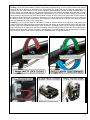
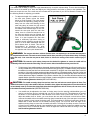
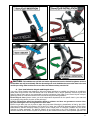
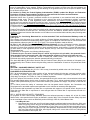
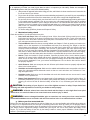
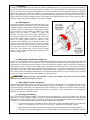
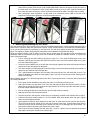
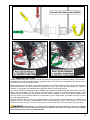
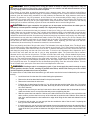
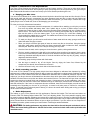
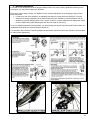
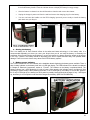
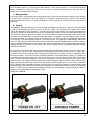
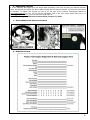
l. Pedaling Pedaling your G Plus Genesis is the same as pedaling a traditional bicycle. It is recommended you add pedaling to the power of the bicycle to enhance the distance per charge. The G Plus Genesis is a 7 speed bicycle and has the ratio of a 44T front chain ring (sprocket) against a 11-28T rear cassette which is designed to offer an easy pedaling pace at any speed from 1 MPH to 16 MPH. It is recommended on steep inclines; the rider utilizes the throttle to assist in powering the bicycle up the incline but simultaneously drops the bicycle to a lower gear. If a rider’s style of riding is throttle only with no pedaling, distance per charge will be decreased and upon a steep incline, the rider is required to assist the motor by pedaling to power up the incline. m. Shifting gears The shifting of gears is required to change the ratio of the rotation of pedaling to allow more or less torque and lower or higher speeds according to one complete rotation of the crank set. If requiring more torque, you will shift to a larger rear sprocket for a higher rotation of pedaling to a lower speed of the rear wheel. To switch to a larger rear sprocket, you will need to shift to a lower gear. Gear 1 is the largest sprocket which is 28 Teeth and your lowest gear. One full crank rotation creates a 1.57 turn of the rear wheel. For higher speeds from less rotation of the crankset on flat pathways, you will shift to a smaller rear sprocket for a higher wheel rotation to a lower crankset speed. To shift to a smaller sprocket, you will need to shift to a higher gear. Gear 7 is the smallest sprocket with 11 Teeth and your highest gear. One full crank rotation creates a 4 turn of the rear wheel. Please review the photo below on shifting gears. n. Watching for obstacles around you Your new G Plus Genesis travels at higher speeds than most riders are accustomed to when pedaling a traditional bicycle. It is very important you are aware of your surroundings and obstacles which may appear near you. You must watch the road surface you are traveling on which could allow for the tires to slip or cause a flat. Examples are soft shoulders, rocks, pot holes, uneven paths, grates, construction sites and more. Due to the higher rate of speed when riding under motor power versus pedaling, objects will advance in your path at a faster rate. Pay attention to other riders in your area, automobiles, motorcycles, pedestrians, poles, intersections and road signs to name a few. The G Plus Genesis resembles a traditional bicycle and people whether walking, driving or standing may not realize you are on a motor powered vehicle and misjudge your traveling speed. WARNING: Hitting a pot hole, soft shoulder or other road deviation may cause you to lose control, be thrown and cause serious injury or death. o. Safe riding in various conditions Riders may find themselves riding in a condition they did not plan on encountering. It is important your new G Plus Genesis is maintained properly for optimum performance. Please read Chapter 7 on the details required to keep your electric bicycle at its best. An unexpected rain storm, snow flurry or night ride could arise during a day’s trip and you should always be prepared. Please read Chapter 4 on Safety, so upon encountering an unexpected ride condition, you will be confident and ready. p. Charging your battery The G Plus Genesis’s battery system is the safest and latest technology in Lithium Ion battery cells and was designed to be easily charged. Chapter 8 offers a detailed explanation on battery management but the following information is a basic guide in charging your battery. The battery is a removable device and can be charged on or off the bicycle. If removing the battery to charge it, please follow these instructions. Locate the key ignition on the battery and turn the key in a counter clockwise rotation to the “UNLOCK” position. You must push the key in to turn from the “OFF” position to the “UNLOCK” position. Grab the handle at the back of battery and carefully pull towards the back of the bicycle to slide off. The battery is now transportable and can be charged away from the bicycle when in “UNLOCK” position. 15