1
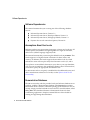
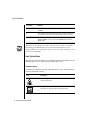
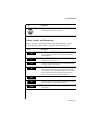
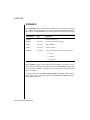
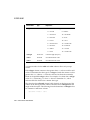
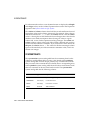
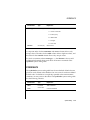
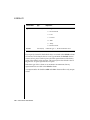
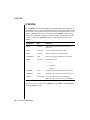
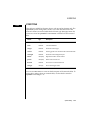
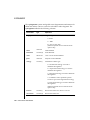
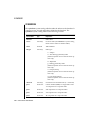
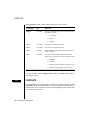
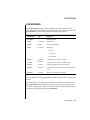
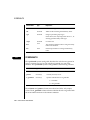
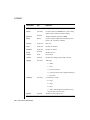
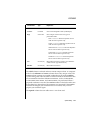
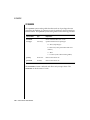
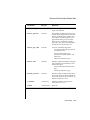
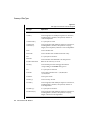
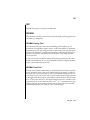
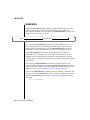
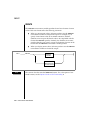
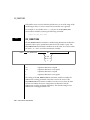
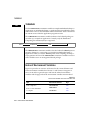
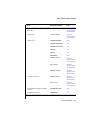
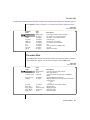
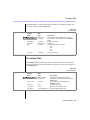
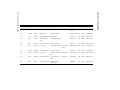
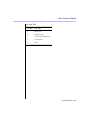
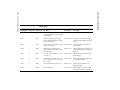
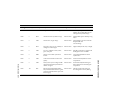
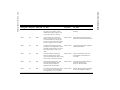
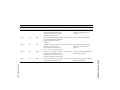
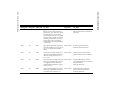
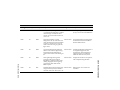
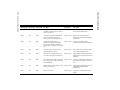
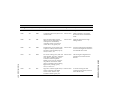
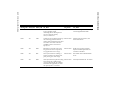
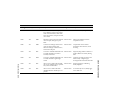
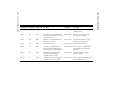
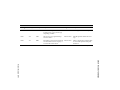
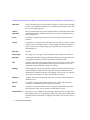
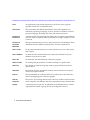
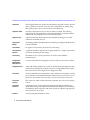
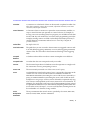
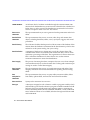
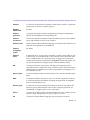
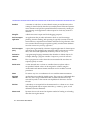
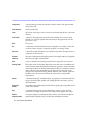
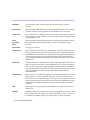
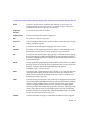
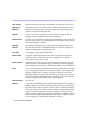
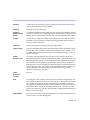
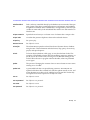
BYTE
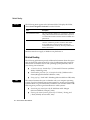
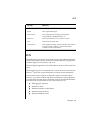
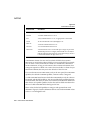
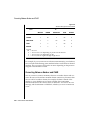
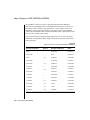
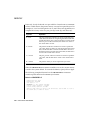
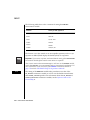
Data Type
Explanation
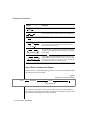
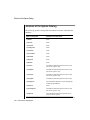
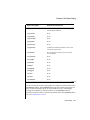
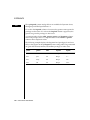
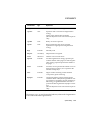
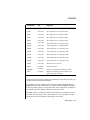
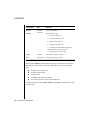
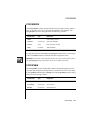
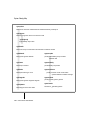
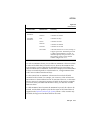
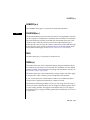
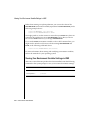
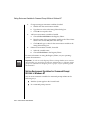
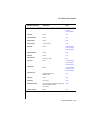
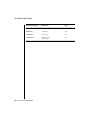
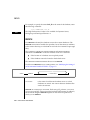
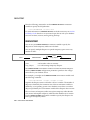
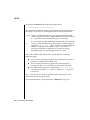
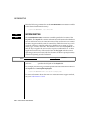
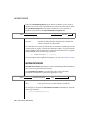
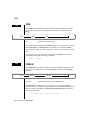
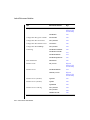
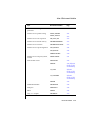
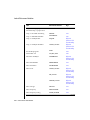
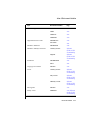
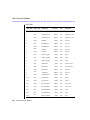
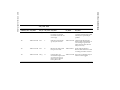
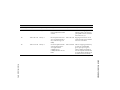
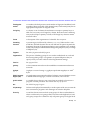
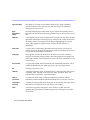
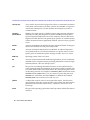
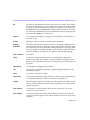
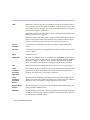
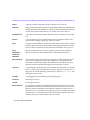
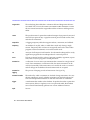
REAL
Is a synonym for SMALLFLOAT
SERIAL
Stores sequential integers
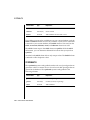
SMALLFLOAT
Stores single-precision floating-point numbers
corresponding to the float data type in C
SMALLINT
Stores whole numbers from −32,767 to +32,767
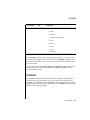
TEXT
Stores any kind of text data.
VARCHAR(m,r)
Stores single byte strings of letters, numbers, and symbols
of varying length; collation is code-set dependent.
Collation is code-set dependent.
(2 of 2)
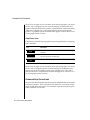
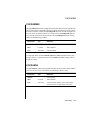
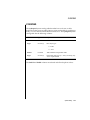
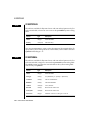
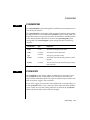
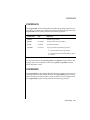
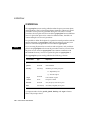
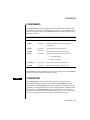
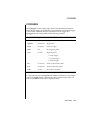
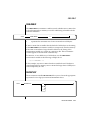
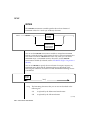
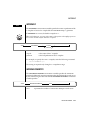
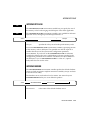
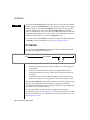
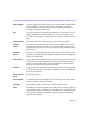
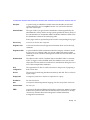
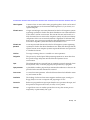
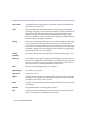
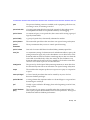
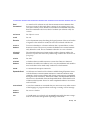
BYTE
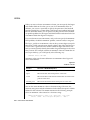
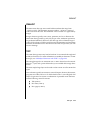
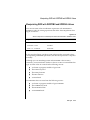
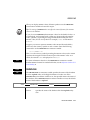
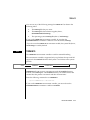
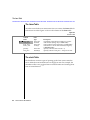
The BYTE data type stores any kind of binary data in an undifferentiated byte
stream. Binary data typically consists of saved spreadsheets, program load
modules, digitized voice patterns, and so on.
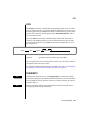
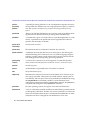
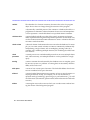
The term simple large object is also used to refer to BYTE as well as TEXT data
types.
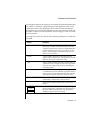
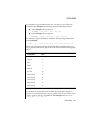
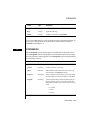
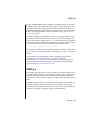
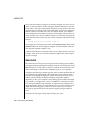
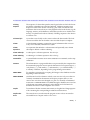
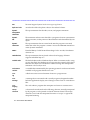
The BYTE data type has no maximum size. A BYTE column has a theoretical
limit of 231 bytes and a practical limit that your disk capacity determines.
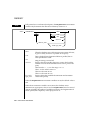
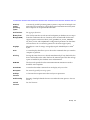
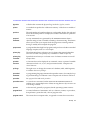
You can store, retrieve, update, or delete the contents of a BYTE column.
However, you cannot use BYTE data items in arithmetic or string operations,
or assign literals to BYTE items with the SET clause of the UPDATE statement.
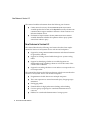
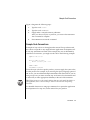
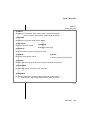
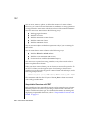
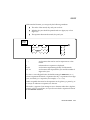
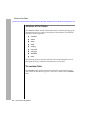
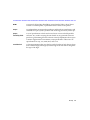
You also cannot use BYTE items in any of the following ways:
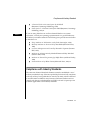
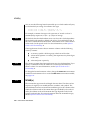
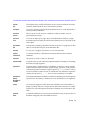
■
With aggregate functions
■
With the IN clause
■
With the MATCHES or LIKE clauses
■
With the GROUP BY clause
■
With the ORDER BY clause
Data Types 2-5