1
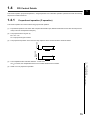
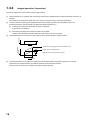
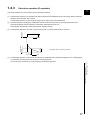
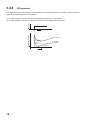
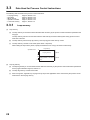
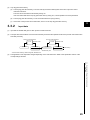
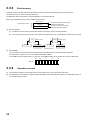
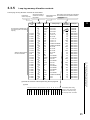
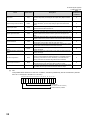
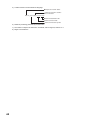
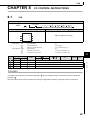
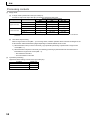
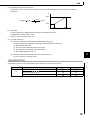
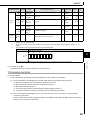
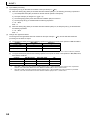
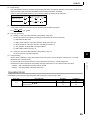
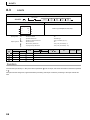
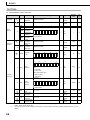
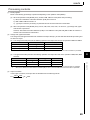
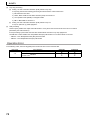
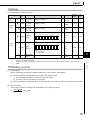
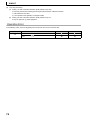
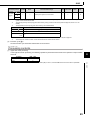
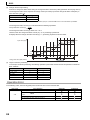
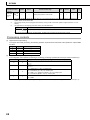
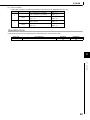
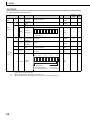
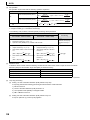
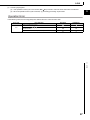
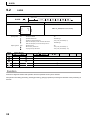
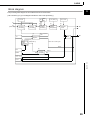
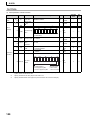
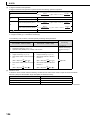
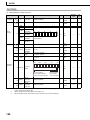
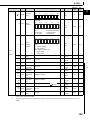
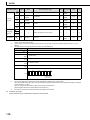
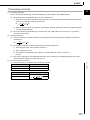
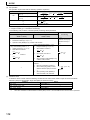
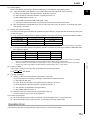
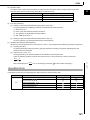
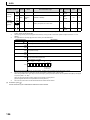
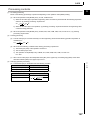
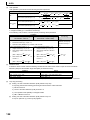
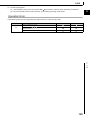
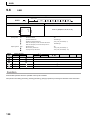
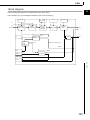
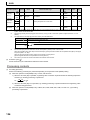
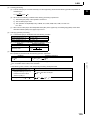
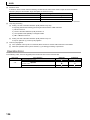
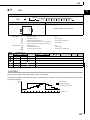
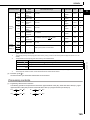
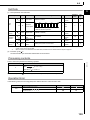
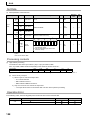
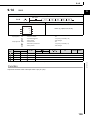
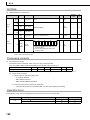
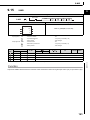
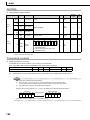
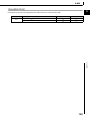
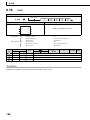
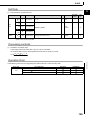
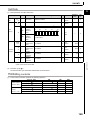
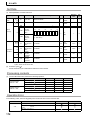
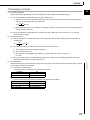
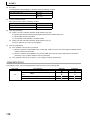
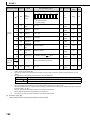
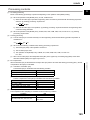
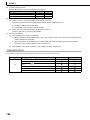
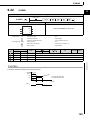
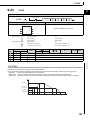
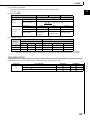
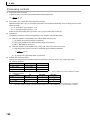
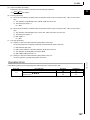
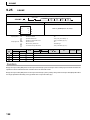
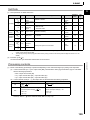
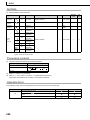
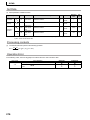
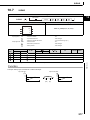
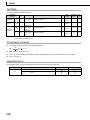
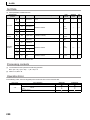
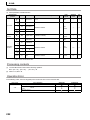
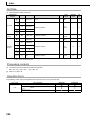
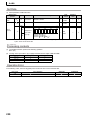
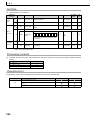
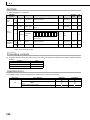
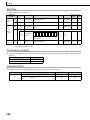
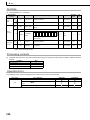
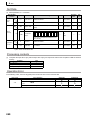
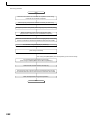
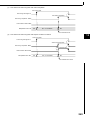
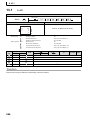
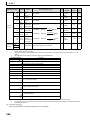
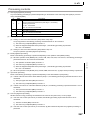
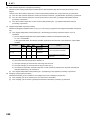
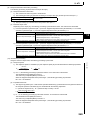
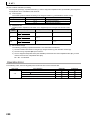
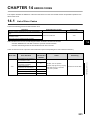
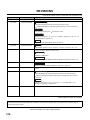
S. AT1 (11) PID constant calculation processing The response speed (R), equivalent dead time (L) and AT1 stepped manipulated value (AT1STEPMV) are assigned to the adjustment rule to calculate the PID constants. (a) Control system The control system is selected according to the integral constant TI (I) and derivative constant TD (D). Integral constant TI (I) Derivative constant TD (D) TI 0 –– TI > 0 Control method Proportional control (P operation) only TD 0 PI control (PI operation) TD > 0 PID control (PID operation) (b) Adjustment rule The ZN process: adjustment rule based on the stepped response of Ziegler and Nichols is used. Control Rate example gain Kp (P) method Integral constant TI (I) Derivative constant TD (D) P 1 R L |AT1STEPMV| 100 0 0 PI 0.9 R L |AT1STEPMV| 100 3.33 × L 0 PID 1.2 R L |AT1STEPMV| 100 2×L 0.5 × L (c) PID constant storage The following processing is performed and the S. AT1 instruction is terminated. 1) The PID constants are stored into the gain (P), integral constant (I) and derivative constant (D). 2) The auto tuning completed (BB16) is turned to 1. 3) The AT1 stepped manipulated value (AT1STEPMV) is subtracted from the manipulated value (MV), and the result is stored into the manipulated value (MV). MV = MV - AT1STEPMV Operation Error In the following cases, the error flag (SM0) turns ON and the error code is stored in SD0. Error code Error definition When an operation error occurs 4100 When the value of S1 is either a non-numeric or non-normalized number When AT1ST < 0, AT1TOUT1 < 0 or AT1TOUT2 < 0 When the execution cycle (SD1500) < 0 250 QnPHCPU QnPRHCPU