1
carboxyl groups. The polymer polydiallyldimethylammonium chloride (polyDADMAC)
was selected for its strong positive charge to serve as a binding layer between the
negatively charged membrane and negatively charged NPs. This project developed
coating, removal and characterization methods and examined the advantages and
drawbacks of each.
1.1
Reverse osmosis membranes
Reverse osmosis is the most globally employed desalination technology, with half
of 15,000+ desalination plants employing RO processes (Greenlee et al., 2009).
Successful development of membrane materials, followed by further modifications to
increase membrane performance, played a crucial role in the global application of this
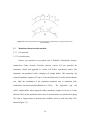
technology. Many commercial RO membranes are thin film composite (TFC) polyamide
(PA) membranes, which consist of three layers: a polyester supportive backing layer
(120-150 µm thickness), a microporous polysulfone interlayer (40 µm) and an extremely
thin polyamide active layer on the membrane surface (0.2 µm) (Petersen & Cadotte,
1990). Commercial materials are developed for effectiveness despite heterogeneity
caused by the manufacturing process, and active layers can vary chemically across the
membrane as well as throughout the depth of the surface layer (Coronell et al., 2011).
1.2
Fouling
While RO is low-cost compared to other desalination techniques, the process is
hindered by fouling (Goosen et al., 2004). Seventy percent of seawater RO plants in the
Middle East have biofouling issues and 83% of plants surveyed in the United States
reported fouling problems as well (Yang et al., 2009). A wide range of materials can foul
3