1
Dispatcher Table
(length = 200)
0
Cell 1
compare value
counter
200
Act. Task1
Act. Task2
offset=60
offset=170
50
100
150
t
200
E IRQ Task1
E IRQ Task1
initial counter
100
t
0
0
Cell 2
compare value
50
100
150
counter
200
250
300
350
E IRQ Task2
200
400
E IRQ Task2
100
initial counter
t
0
0
50
100
150
1st dispatcher round
200
250
300
350
400
2nd dispatcher round
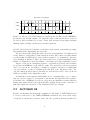
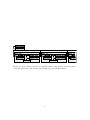
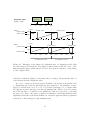
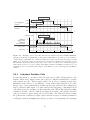
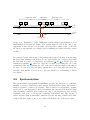
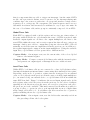
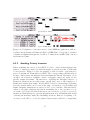
Figure 4.1: Example of the timer cell configurations for a dispatcher table with
two time-triggered activations. The initial counter values define the delay of the
first interrupt request, which then is followed by repeated requests corresponding
to the compare value.
activations, which are aligned on the time axis according to the particular offset of
each activation in the dispatcher table.
In order to obtain an execution pattern in which each activation inevitably leads
to dispatching the task, the interrupt priority assigned to the handlers of timetriggered activations needs to be set to a level that is guaranteed to be higher than
the current execution priority of an already running task. This is done by lowering
the CPU priority to a suitable level within the task prologue prior to entering
the user code. Due to the run-to-completion semantics of interrupt handlers, this
implicitly yields the desired last-in-first-out execution pattern whenever planned
activations collide with previously running tasks.
13