1
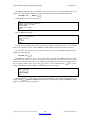
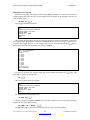
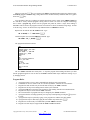
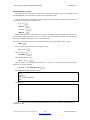
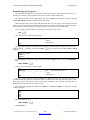
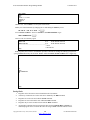
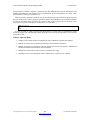
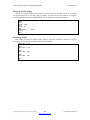
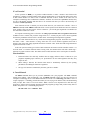
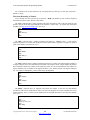
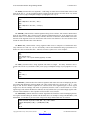
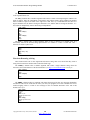
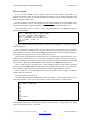
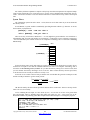
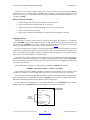
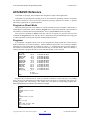
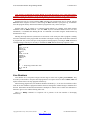
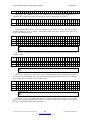
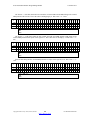
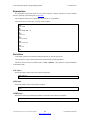
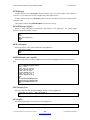
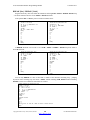
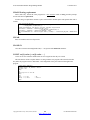
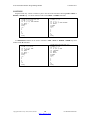
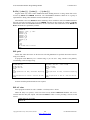
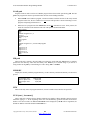
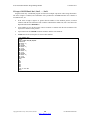
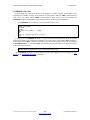
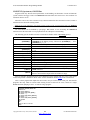
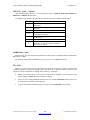
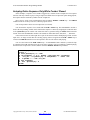
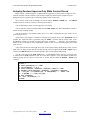
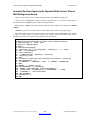
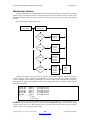
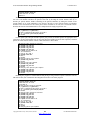
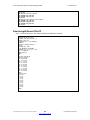
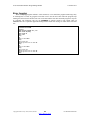
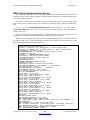
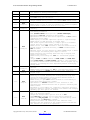
ACS CFSound-IV BASIC Programming Manual 1 October 2015 Server Blocking Listen The synchronous socket server listen takes the form: SOCKET.SYNC.LISTEN(#N, “:port”, connect( ), recv( ), send( )) #N “:port” connect( ) recv( ) send( ) File number String representation of TCP/IP port number User function called when connection occurs User function called to receive data from ‘file’ #N User function called to send data to ‘file’ #N The SOCKET.SYNC.LISTEN( ) function opens a TCP/IP port as file #N using the “:port” string. When a remote client establishes a connection to the listening port the user provided connect( ) function is called. When this function returns, the user provided recv( ) function is called to input data from the remote device using INPUT #N or FINPUT #N statements. The recv( ) function should return one to send more data, two to receive more data or zero to disconnect. Next the user provided send( ) function is called to output data to the remote device using PRINT #N or FPRINT #N statements. The send( ) function should return one to wait for received data, two to send more data or zero to disconnect. The process repeats between recv( ) and send( ) calls until one of the functions returns zero or an error condition occurs. The SOCKET.SYNC.LISTEN( ) function then returns a numeric value representing the “result” of the connection: SOCKET.SYNC.LISTEN( ) returns 0 1 2 3 4 5 Description Unknown / No Status Disconnect / Done / No Error Open Error – requested file #N failed to open Connection Timeout – no connection within the @SOCKET.TIMEOUT interval Data Send Timeout – no send data acknowledgment within the @SOCKET.TIMEOUT interval Receive Data Timeout – no received data within the @SOCKET.TIMEOUT interval Non-blocking Sockets Asynchronous or non-blocking sockets are implemented using a statement to ‘start’ the communication, user functions to control the order and flow of data and a system variable to return the “result” of the connection. The user defined functions are called in-between other program statements that are executing to provide control points during the socket operation. There are two statements to ‘start’ the asynchronous socket communication. Client Non-blocking Connection The asynchronous client connection is started using the following program statement: SOCKET.ASYNC.CONNECT #N, “ip:port”, connect( ), send( ), recv( ) #N “ip:port” connect( ) send( ) recv( ) File number String representation of IPv4 address and TCP/IP port number User function called when connection occurs User function called to send data to ‘file’ #N User function called to receive data from ‘file’ #N Copyright©1992-2015 by ACS, Sarasota, Florida 121 Back to Table of Contents ALL RIGHTS RESERVED