1
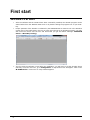
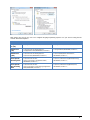
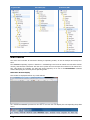
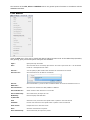
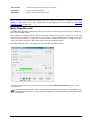
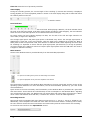
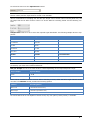
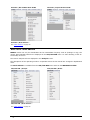
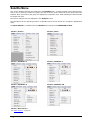
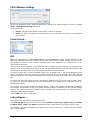
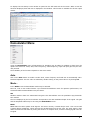
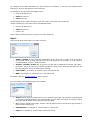
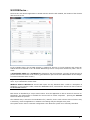
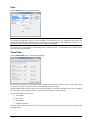
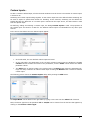
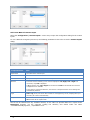
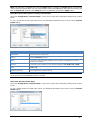
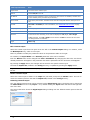
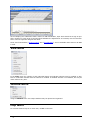
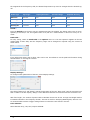
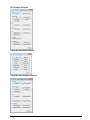
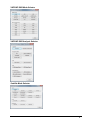
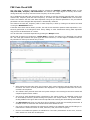
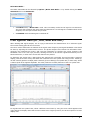
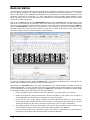
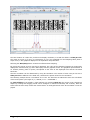
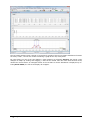
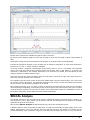
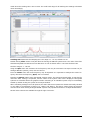
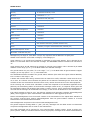
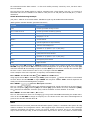
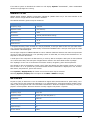
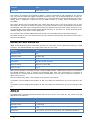
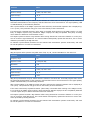
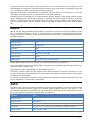
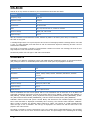
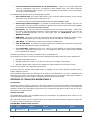
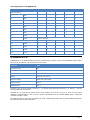
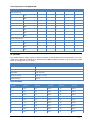
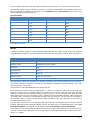
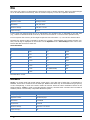
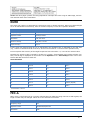
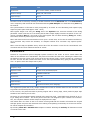
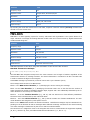
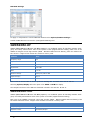
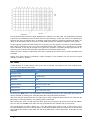
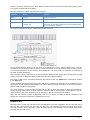
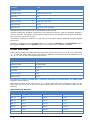
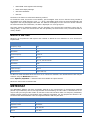
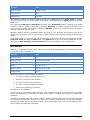
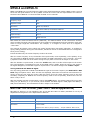
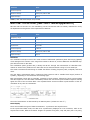
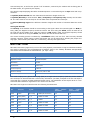
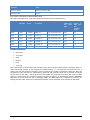
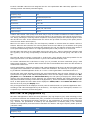
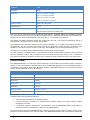
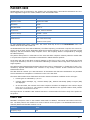
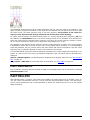
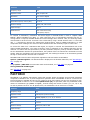
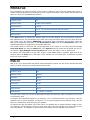
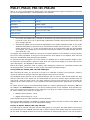
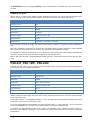
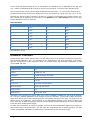
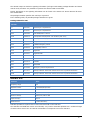
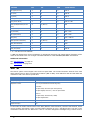
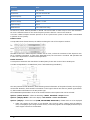
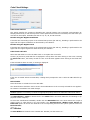
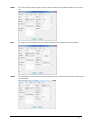
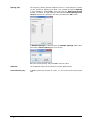
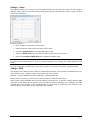
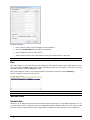
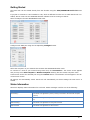
An exception is the FFSK demodulator for direct frequency modulation: in this case the indicated offset frequency is equal to the effective center frequency. An example for an HF receiver and ARQ-E mode: Receiver IF 455,000 Hz Offset 453,300 Hz Center 1700 Hz The advantage of this method is that the user only needs to know the center frequency. Another example for a VHF-UHF receiver and POCSAG mode: Receiver IF 455,000 Hz Offset 455,000 Hz Center 0 Hz In this case the offset frequency is equal to the center frequency. Input... W-PCI and W-PCIe cards support a number of inputs: AFIF#1, AFIF#2 are two physically independent inputs. They have a range of 50 Hz–25 MHz. These inputs should be used when the source is an AF output (line or speaker), or an IF output of a communication receiver or digital recorder. IF70#1a, IF70#1b, IF70#2 are IF inputs at 70 MHz with a bandwidth of 35 MHz (52.5 MHz 87.5 MHz). This IF is common for satellite equipment. The first two (IF70#1a and IF70#1b) and the third (IF70#2) are of two independent channels. PXGF 12001 is an example of “Custom Input” with PxGF format. DMR is an example of “Custom Input” in .wav file format. For details regarding “Custom Inputs...” see on page 51. For a soundcard device following inputs are available: AF(xxx) These inputs are used when you work with the sound card. The frequency range depends on the sound card specification. You can also apply IF to this input, as long as your signal is within the supported bandwidth of the selected sound card input. IQ is used for analogue IQ signals, with the I and Q channels sent to the left and right channel of the soundcard respectively. STANAG4285 is an example of “Custom Input” in .wav format. PXGF1 is an example of “Custom Input” with PxGF format. 44 First start WAVECOM Decoder W-PCI/e, W-CODE, W-CLOUD Manual V8.3.00