1
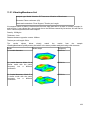
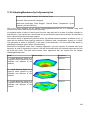
9.26.9 rotationalinertiax, rotationalinertiay, rotationalinertiaz
Analysis types: Modal Response 2D Beam, Modal Response 3D Beam, Modal
Vibration 2D Beam, Modal Vibration 3D Shell and Beam
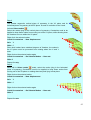
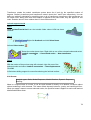
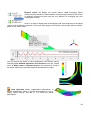
These are points of additional rotational inertia about one of the X, Y or Z axes which can only be
applied to the nodes of beam and shell elements. You can use them to idealize massive parts such as
flywheels without modeling them using elements.
9.27 Coupled DOF
Analysis types: Static 2D, Static 3D, Thermal Steady State, DC Current Flow,
Electrostatic, Magnetostatic
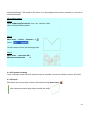
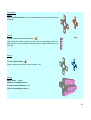
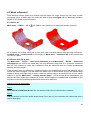
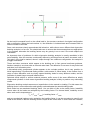
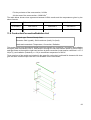
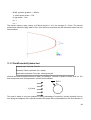
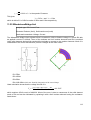
This if a form of constraint which forces a DOF (degree of freedom) of a node to have the same value
as another DOF of the same or a different node. For example the X-displacement of one node can be
coupled to the Y-displacement of another node so they act as if they are connected by a 90° bell
crank. In thermal analysis, the temperatures of many nodes can be coupled together to form a
perfectly conducting connection.
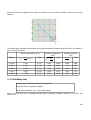
Each slave DOF can have at most one master, but a master can have any number of slaves. A slave
cannot also be a master. Constraints can be applied to either the master or slave DOF of a pair, but
not both. Loads can be applied to master, slave or both DOFs of a pair. If applied to both, the two
loads are summed.
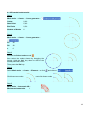
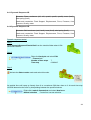
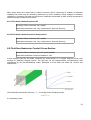
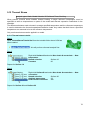
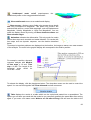
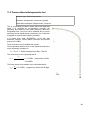
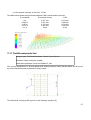
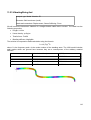
9.27.1 Coupled DOF tutorial
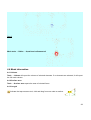
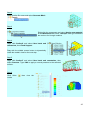
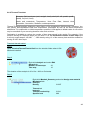
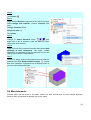
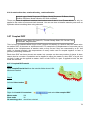
Step 1
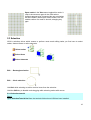
Open CoupledTutorial.liml from the tutorials folder where LISA
has been installed.
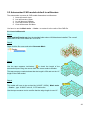
Step 2
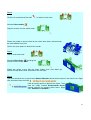
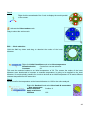
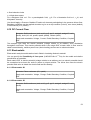
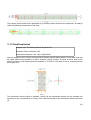
Activate Select nodes
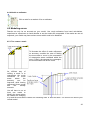
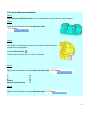
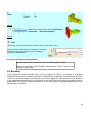
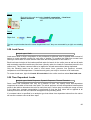
Step 3
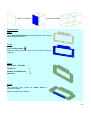
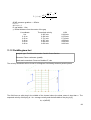
Right click Loads & Constraints
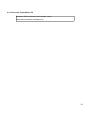
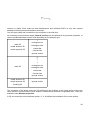
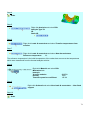
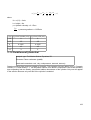
Master node
Slave node
All matching pairs
and select New coupled DOF
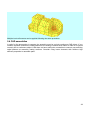
201
36
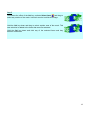
check-box selected
79