1
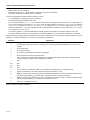
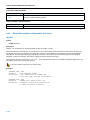
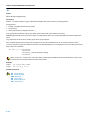
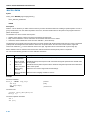
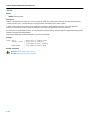
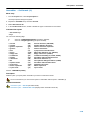
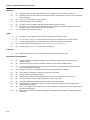
MISRA−C Rules
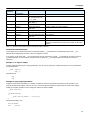
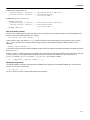
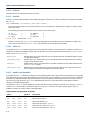
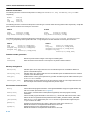
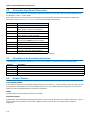
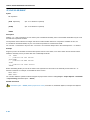
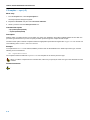
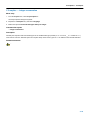
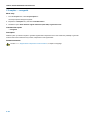
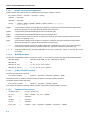
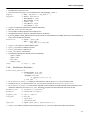
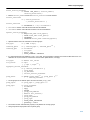
Initialization
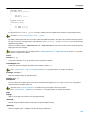
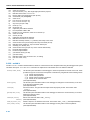
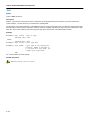
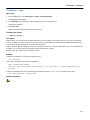
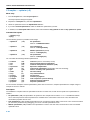
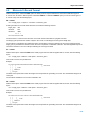
9.1
(R)
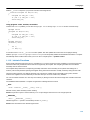
All automatic variables shall have been assigned a value before being used.
This rule is checked using worst−case assumptions. This means that violations are reported not only for
variables that are guaranteed to be uninitialized, but also for variables that are uninitialized on some
execution paths.
9.2
(R)
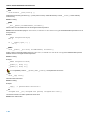
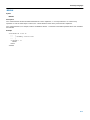
Braces shall be used to indicate and match the structure in the non−zero initialization of arrays and
structures.
9.3
(R)
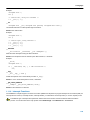
In an enumerator list, the "=" construct shall not be used to explicitly initialize members other than the
first, unless all items are explicitly initialized.
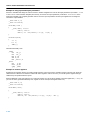
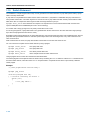
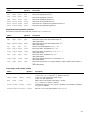
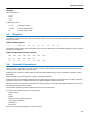
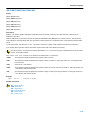
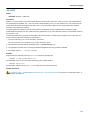
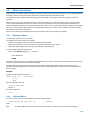
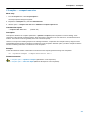
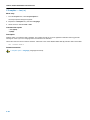
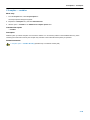
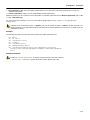
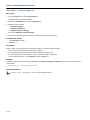
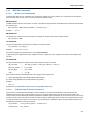
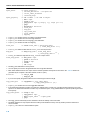
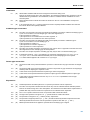
Arithmetic type conversions
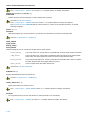
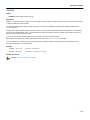
10.1
(R)
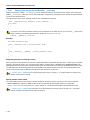
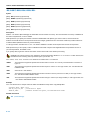
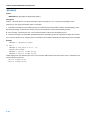
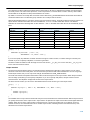
The value of an expression of integer type shall not be implicitly converted to a different underlying type if:
a) it is not a conversion to a wider integer type of the same signedness, or
b) the expression is complex, or
c) the expression is not constant and is a function argument, or
d) the expression is not constant and is a return expression.
10.2
(R)
The value of an expression of floating type shall not be implicitly converted to a different type if:
a) it is not a conversion to a wider floating type, or
b) the expression is complex, or
c) the expression is a function argument, or
d) the expression is a return expression.
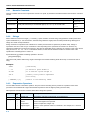
10.3
(R)
The value of a complex expression of integer type may only be cast to a type that is narrower and of the
same signedness as the underlying type of the expression.
10.4
(R)
The value of a complex expression of floating type may only be cast to a narrower floating type.
10.5
(R)
If the bitwise operators ~ and << are applied to an operand of underlying type unsigned char or
unsigned short, the result shall be immediately cast to the underlying type of the operand.
10.6
(R)
A "U" suffix shall be applied to all constants of unsigned type.
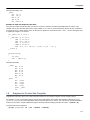
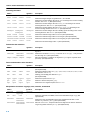
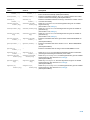
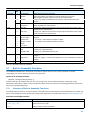
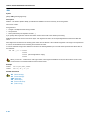
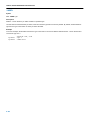
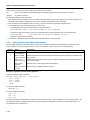
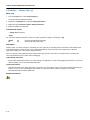
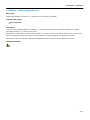
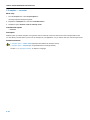
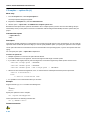
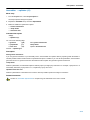
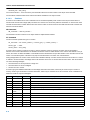
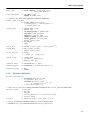
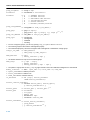
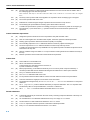
Pointer type conversions
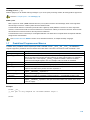
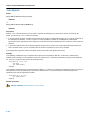
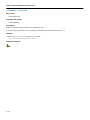
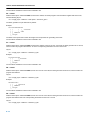
11.1
(R)
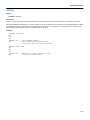
Conversions shall not be performed between a pointer to a function and any type other than an integral
type.
11.2
(R)
Conversions shall not be performed between a pointer to object and any type other than an integral type,
another pointer to object type or a pointer to void.
11.3
(A)
A cast should not be performed between a pointer type and an integral type.
11.4
(A)
A cast should not be performed between a pointer to object type and a different pointer to object type.
11.5
(R)
A cast shall not be performed that removes any const or volatile qualification from the type
addressed by a pointer.
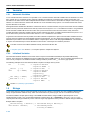
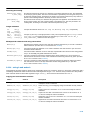
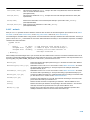
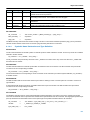
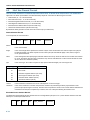
12.1
(A)
Limited dependence should be placed on C’s operator precedence rules in expressions.
12.2
(R)
The value of an expression shall be the same under any order of evaluation that the standard permits.
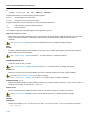
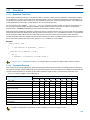
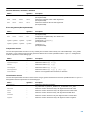
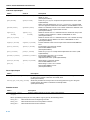
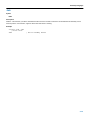
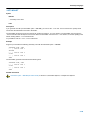
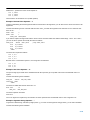
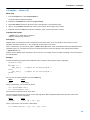
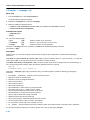
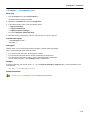
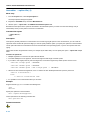
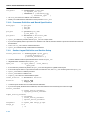
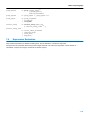
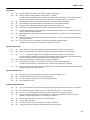
Expressions
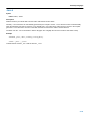
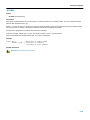
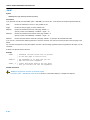
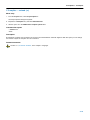
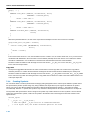
This rule is checked using worst−case assumptions. This means that a violation will be reported when a
possible alias may cause the result of an expression to be evaluation order dependent.
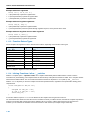
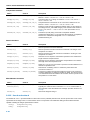
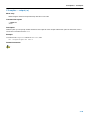
12.3
(R)
The sizeof operator shall not be used on expressions that contain side effects.
12.4
(R)
The right−hand operand of a logical && or || operator shall not contain side effects.
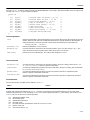
12.5
(R)
The operands of a logical && or || shall be primary−expressions.
12.6
(A)
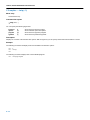
The operands of logical operators (&&, || and !) should be effectively Boolean. Expressions that are
effectively Boolean should not be used as operands to operators other than (&&, || and !).
12.7
(R)
Bitwise operators shall not be applied to operands whose underlying type is signed.
8−7