1
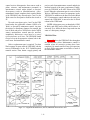
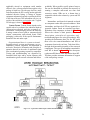
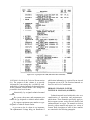
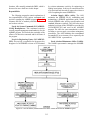
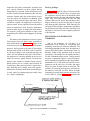
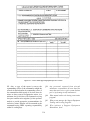
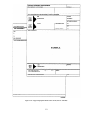
characters identify a particular TM and are divided
into three groups.
Q19. The two-digit subject serial number is what
group of the PI?
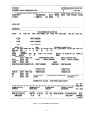
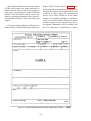
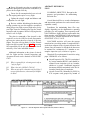
The first group (TM acronym) consists of three
letters or numbers that identify the type of manual; for
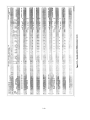
example, in figure 2-17, the TM acronym NFM
identifies the manual as a NATOPS flight manual
supplement. Numerically, they can identify the first
three digits of a particular Work Unit Code; for example,
520 is an autopilot. In some instances of Work Unit
Codes, such as support equipment (SE), a combination
of a letter and two numbers are used for the TM
acronym; for example, S14 is an air compressor.
Q20.
The second group of the TM identifier (TM serial
number) is made up of two numbers. It is used to identify
different volumes, parts, and changes to specific TMs.
For NAVAIR TMs, these numbers range from 00
through 99. In the example shown in figure 2-17, the
TM serial number is 50. This stands for a Pilots Pocket
Checklist.
What are the last six positions in the publication
identifier (PI) called?
USING TECHNICAL MANUALS
LEARNING OBJECTIVE: Recognize the
procedures for using maintenance instruction
manuals (MIMs) and illustrated parts
breakdowns (IPBs).
Technical manuals help ensure proper
maintenance. In today’s Navy, the equipment is
complex and you must use technical manuals at all
levels of servicing and repair. The purpose of this
section is to introduce you, the worker, to the content
of technical manuals.
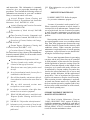
MAINTENANCE INSTRUCTION
MANUAL (MIM)
The third group of the TM identifier is the TM
issue, and is either a number (0 to 9) or a single letter.
The number 0 indicates the TM is a basic issue or
superseding revision. The letters A through Z (except I
and 0) designate (in alphabetical sequence) permanent
changes or rapid action changes (RACs).
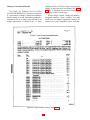
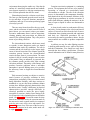
As discussed earlier, the Maintenance Instruction
Manual (MIM) is identified by the number 2 in part III
of the NAVAIR publication number. For example, the
first numeral 2 in NAVAIR 01-75PAA-2-2.3
identifies the MIM for the P-3A aircraft. The MIM is
made up from a number of individual publications.
Each publication deals with some portion of the
maintenance for the applicable model aircraft. It
contains essential information that aircraft
maintenance personnel require to service and maintain
the complete aircraft. Before you attempt any task on
an aircraft, consult the MIM for that particular model
of aircraft. By using the MIM properly, you may
prevent possible aircraft damage and save time. The
recommended maintenance methods provide
procedures that can be accomplished by the
appropriate maintenance level activity.
PI SUFFIX COMPOSITION.—The PI suffix
has a variable composition, depending upon whether
or not the TM has a security classification. For
classified TMs, the PI suffix is always used, and the
security classification indicator forms the first
component of the suffix. The security classification
indicator is always three characters (a letter enclosed
in parentheses). The entire suffix can contain up to 17
characters, if required.
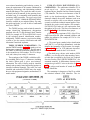
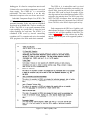
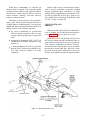
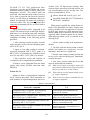
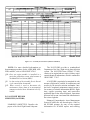
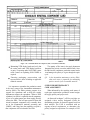
In figure 2-17, you can see that the PI suffix is not
required. Therefore, the TMINS number
A1-F18AC-NFM-500 stands for the initial or revised
edition of a Pilots Pocket Checklist supplement to the
NATOPS manual of an F/A-18 aircraft. In-depth
information can be found in the OPNAV
N0000-00-IDX-000/TMINS publication.
Q17.
What part of the NAVAIR numbering system can
the category of the publication be found?
NOTE: Different aircraft manufacturers may
group the material in the various volumes of the MIMs
under different titles. For example, the “Survival and
Environmental Systems” volume for the older aircraft
covers the ejection seat, canopy, liquid oxygen,
heating, air conditioning, ventilation, and anti-g
systems. Two volumes titled “Personnel
Environmental Systems” and “Canopy and Survival
Systems” are prepared to cover the same subjects for
newer aircraft.
Q18.
The standard TMINS number is made up of how
many distinct parts and what are they?
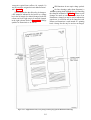
The “General Information and Servicing” volume
is designed primarily for the plane captain. This
Q16. How many numbering systems are currently in
use by NAVAIR and what are they?
2-17