1
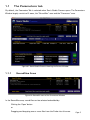
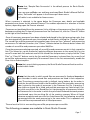
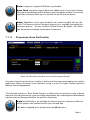
Two Bit Depths (Word Length):
Figure 08: Bit Depth pull-down menu showing
available target bit depths
The Default value is 24 bits
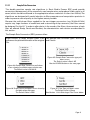
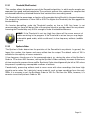
Three Dither types:
Figure 09: Dither type pull-down menu
The Default value is Triangular PDF
See Section 1.1.2.3 Selecting a Dither Type below
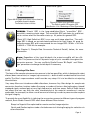
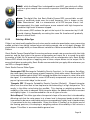
LEARN: ‘Classic’ SRC is the long-established Sonic “monolithic” SRC -
monolithic meaning single stage. The monolithic SRC calculates its coefficient
set at runtime when the converter starts up. It’s perfect for general SRC.
‘Sonic HD’ (High Definition) SRC is our new multi-stage algorithm. The multistage SRC is based on pre-calculated coefficients for each stage. It’s great for
general purpose SRC and is recommend for non-integer SRC: 96 kHz -> 44.1 kHz
or 48 kHz -> 176.4 kHz for example.
See Chapter 2, ‘Sample Rate Conversion Technical Details’, below, for more
information.
Note: Regardless of the input bit-depth, the output soundfile will be a 24-
bit file. This preserves the full dynamic range of your soundfile throughout the
conversion process. You can use Sonic Studio Process ‘Bit Depth’ and ‘Dither
Type’ parameters to change the bit depth if necessary.
1.1.2.2
Selecting a Filter Curve
The heart of the sample rate conversion process is the low pass filter, which is designed to reject
aliases (down conversion) or images (up conversion) — both of which are detrimental to sound
quality. The filter’s response above cutoff must be very steep if it is to be effective at rejecting
these artifacts.
Very steep filters can introduce audible distortions, however. Any filter design for sample rate
conversion therefore involves trade-offs among a number of factors: aliasing/imaging, inband/
stopband ripple, reduced gain at very high frequencies, and time smear. Each of these factors
has effects that can vary with the sonic characteristics of the material: sometimes it may be
preferrable, for example, to allow a small amount of aliasing in order to preserve other aspects
of signal integrity.
To provide the most flexibility in tailoring the conversion process to different types of program
material, Sonic Studio Process’ SRC offers three different filter choices:
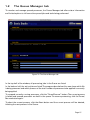
Steep is a Nyquist filter optimized for maximum alias/image rejection
Gentle and Gentlest options trade a limited amount of aliasing/imaging for reductions in
other distortions.
Page 9