1
5
MagicDraw Code and Database Engineering
XML Schema
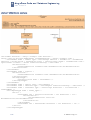
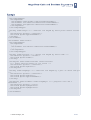
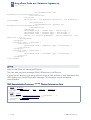
</xs:annotation>
<xs:selector xpath = ".//car" />
<xs:field xpath = "@regState" />
<xs:field xpath = "@regPlate" />
</xs:keyref>
</xs:element>
<xs:simpleType name = "twoLetterCode" >
<xs:restriction base = "xs:string" />
</xs:simpleType>
</xs:schema>
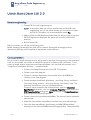
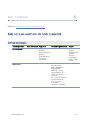
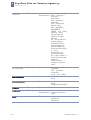
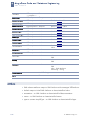
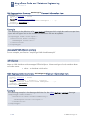
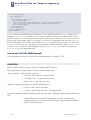
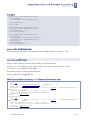
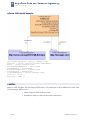
selector and field
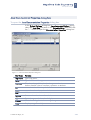
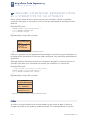
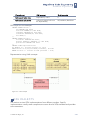
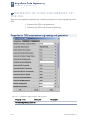
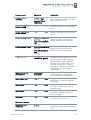
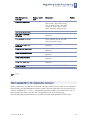
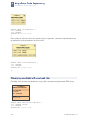
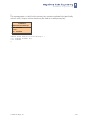
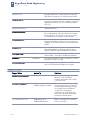
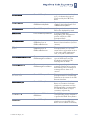
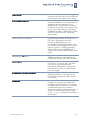
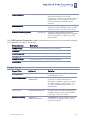
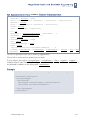
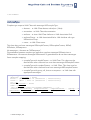
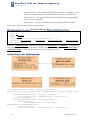
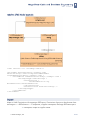
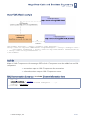
Maps to UML TaggedValues named “selector” and “field” of UML Attribute representing key,
keyRef or unique. “selector” tag has value representing “xpath” and “field” - list of values
representing field “xpath”. ID values shall be skipped and annotation documentation will be
applied to tagged value according to annotation rule (see:annotation). For field values
annotation documentation shall be merged in one.
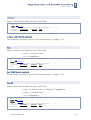
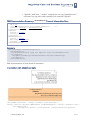
<selector
id = ID
xpath = a subset of XPath expression, see below
{any attributes with non-schema namespace . . .}>
Content: (annotation?)
</selector>
<field
id = ID
xpath = a subset of XPath expression, see below
{any attributes with non-schema namespace . . .}>
Content: (annotation?)
</field>
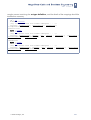
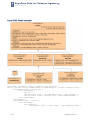
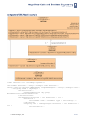
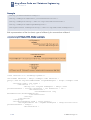
Example
<xs:key name="fullName">
<xs:selector xpath=".//person"/>
<xs:field xpath="forename"/>
<xs:field xpath="surname"/>
</xs:key>
<xs:keyref name="personRef" refer="fullName">
<xs:selector xpath=".//personPointer"/>
<xs:field xpath="@first"/>
<xs:field xpath="@last"/>
</xs:keyref>
<xs:unique name="nearlyID">
<xs:selector xpath=".//*"/>
<xs:field xpath="@id"/>
</xs:unique>
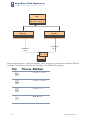
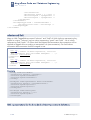
XML representations for the three kinds of identity-constraint definitions.
5-124
© 2003 No Magic, Inc.