1
For Kawasaki Discount Parts Call 606-678-9623 or 606-561-4983
1-2 GENERAL INFORMATION
Before Servicing
Before starting to service the engine, carefully read the applicable section to eliminate unnecessary
work. Photographs, diagrams, notes, cautions, warnings, and detailed descriptions have been included wherever necessary. Nevertheless, even a detailed account has limitations, a certain amount
of basic knowledge is required for successful work.
Especially note the following:
(1) Dirt
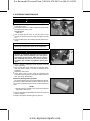
Before removal and disassembly, clean the engine. Any dirt entering the engine, carburetor, or
other parts, will work as an abrasive and shorten the life of engine. For the same reason, before
installing a new part, clean off any dust or metal filings.
(2) Battery Ground
Remove the ground (–) lead from the battery before performing any disassembly operations on
the equipment. This prevents:
(a)the possibility of accidentally turning the engine over while partially disassembled.
(b)sparks at electrical connections which will occur when they are disconnected.
(c) damage to electrical parts.
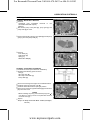
(3) Tightening Sequence
Generally, when installing a part with several bolts, nuts, or screws, start them all in their holes
and tighten them to a snug fit. Then tighten them evenly, in a staggered sequence. This is to
avoid distortion of the part and/or causing gas or oil leakage. Conversely when loosening the
bolts, nuts, or screws, first loosen all of them by about a quarter of a turn and then remove them.
Where there is a tightening sequence indication in this Service Manual, the bolts, nuts, or screws
must be tightened in the order and method indicated.
(4) Torque
When torque values are given in this Service Manual, use them. Either too little or too much
torque may lead to serious damage. Use a good quality, reliable torque wrench.
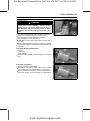
(5) Force
Common sense should dictate how much force is necessary in assembly and disassembly. If
a part seems especially difficult to remove or install, stop and examine what may be causing the
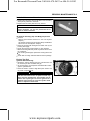
problem. Whenever tapping is necessary, tap lightly using a wooden or plastic-faced mallet. Use
an impact driver for screws (particularly for the removal of screws held by a locking agent) in order
to avoid damaging the heads.
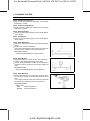
(6) Edges
Watch for sharp edges, especially during major engine disassembly and assembly. Protect your
hands with gloves or a piece of thick cloth when lifting the engine or turning it over.
(7) High-Flash Point Solvent
A high-flash point solvent is recommended to reduce fire danger. A commercial solvent commonly available in North America is Standard solvent (generic name). Always follow manufacturer
and container directions regarding the use of any solvent.
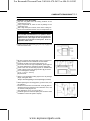
(8) Gasket, O-Ring
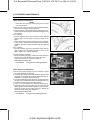
Do not reuse a gasket or O-ring once it has been in service. The mating surfaces around the
gasket should be free of foreign material and perfectly smooth to avoid oil or compression leaks.
(9) Liquid Gasket, Non-Permanent Locking Agent
Follow manufacturer’s directions for cleaning and preparing surfaces where these compounds
will be used. Apply sparingly. Excessive amounts may block engine oil passages and cause
serious damage. An example of a non-permanent locking agent commonly available in North
America is Loctite Lock’n Seal (Blue).
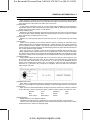
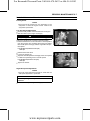
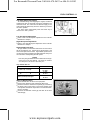
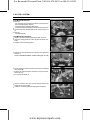
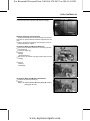
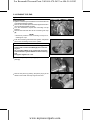
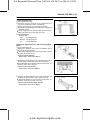
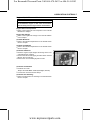
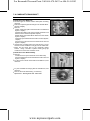
(10)Press
A part installed using a press or driver, such as a journal, should first be coated with oil on its
outer or inner circumference so that it will go into place smoothly.
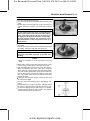
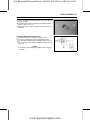
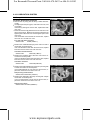
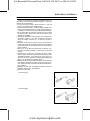
(11) Ball Bearing
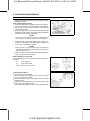
When installing a ball bearing, the bearing race which is affected by friction should be pushed
by a suitable driver. This prevents severe stress on the balls and races, and prevents races and
balls from being dented. Press a ball bearing until it stops at the stop in the hole or on the shaft.
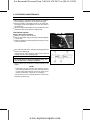
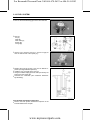
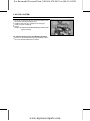
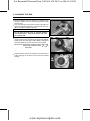
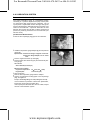
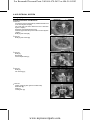
(12)Oil Seal and Grease Seal
Replace any oil or grease seals that were removed with new ones, as removal generally damages seals.
www.mymowerparts.com