1
|INFORMATION
ABOUT
YOU NEED TO KNOW
MICROWAVE
COOK|NG
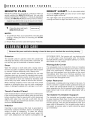
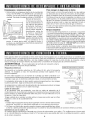
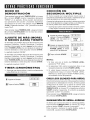
* Arrange food carefully. Place thickest areas towards
outside of dish.
,, Watch cooking time. Cook for the shortest amount
of time indicated and add more as needed. Food
severely overcooked can smoke or ignite.
-
,
-
Cover foods while cooking.
Check recipe or
cookbook for suggestions: paper towels, wax paper,
microwave plastic wrap or a lid. Covers prevent
spattering and help foods to cook evenly.
Rearrange
foods such as meatballs
halfway
through cooking both from top to bottom and from
the center of the dish to the outside.
Add standing time. Remove food from oven and
stir, if possible. Cover for standing time which allows
the food to finish cooking without overcooking.
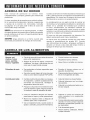
Check for doneness. Look for signs indicating that
cooking temperatures have been reached.
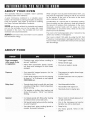
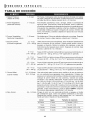
Doneneee signs include:
Shield with small flat pieces of aluminum foil any
thin areas of meat or poultry to prevent overcooking
before dense, thick areas are cooked thoroughly.
- Food steams throughout,
Stir foods from outside to center of dish once or twice
during cooking, if possible.
- Poultry thigh joints move easily.
,, Turn foods over once during microwaving
to
speed cooking of such foods as chicken and
hamburgers. Large items like roasts must be turned
over at least once.
ABOUT
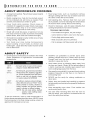
(63°Q
160T
(71°C)
165°F
(74°C)
- Center bottom of dish is very hot to the touch.
- Meat and poultry show no pinkness.
- Fish is opaque and flakes easily with a fork.
SAFETY
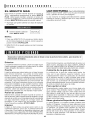
,, Check foods to see that they are cooked to the United
States Department of Agriculture's recommended
temperatures.
145T
not just at edge.
..for beef. lamb or veal cut into steaks
chops or roasts MEDIUM RARE
® ALWAYS use potholders to prevent burns when
handling utensils that are in contact with hot food.
Enough heat from the food can transfer through
utensils to cause skin burns.
o Avoid steam burns by directing steam away from
the face and hands. Slowly lift the farthest edge of
a dish's covering and carefully open popcorn and
oven cooking bags away from the face.
..for fresh pork, ground meat. boneless
white poultry, fish. seafood, egg dishes. frozen prepared food and beef.
lamb or veal cut into steaks, chops
or roasts cooked to MEDIUM
® Stay near the oven while it's in use and check cooking
progress frequently so that there is no chance of
overcooking food.
..for leftover, ready-to-reheat refrigerated. dell and carry out "fresh" food.
whole chicken or turkey, chicken or
turkey breasts and ground poultry
used in chicken or turkey burgers.
NOTE: Do not cook whole, s[uffed
poultry. Cook stuffing separately to 165°R
® Select, store and handle food carefully to preserve
its high quality and minimize the spread of foodborne
bacteria.
To test for doneness, insert a meat thermometer in a
thickordenseareaawayfromfatorbone.
NEVER leave
the thermometer in the food during cooking, unless it is
approved for microwave oven use.
o NEVER use the cavity for storing cookbooks
other items.
® Keep waveguide cover clean.
cause arcing and/or fires.
or
Food residue can
® Use care when removing items from the oven so
that the utensil, your clothes or accessories do not
touch the safety door latches.