1
IT IS CRITICAL THAT IN ORDER TO COMPLETE THE ACTIVATION PROCESS
THE FOLLOWING 3 STEPS ARE FOLLOWED.
STEP 1
When switching nu•m8+ ON for the first time, the GPS needs learn the satellite location in your
area, in order to obtain a GPS location.
To enable the GPS functionality of your nu•m8+, place nu•m8+ outside with good line of sight
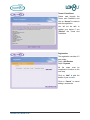
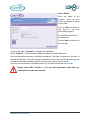
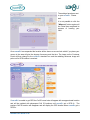
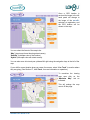
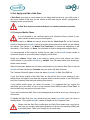
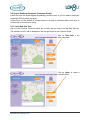
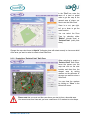
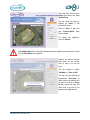
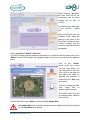
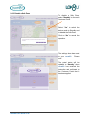
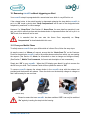
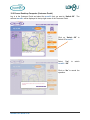
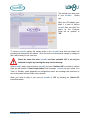
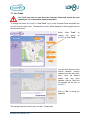
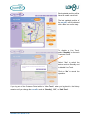
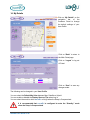
and clear view of the sky. Go to the portal and click “Live Track” and select an update rate of
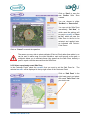
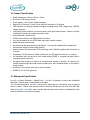
“2 minutes”. Leave the device in this mode until the portal map shows the GPS icon ( ). For
the first time set up, it can take up to 45 minutes.
Please note that GPS systems require good line of sight and clear view of the
sky in order to achieve a GPS location.
Please note the following information regarding the operation of the GPS receiver:
When a GPS is new (from factory), has been turned Off for a long period of time, or has been
transported for a long distance since it was turned On, it will take longer to get a "Time to First
Fix" (TTFF), because the GPS must update its almanac and ephemeris data and store it in
memory.
Time to First Fix (TTFF) describes the time and process required for a GPS device to acquire
enough usable satellite signals and data to provide accurate locations.
A GPS must have three sets of data before it can provide accurate locations: GPS satellite
signals, almanac data, and ephemeris data.
The GPS almanac is a set of data that every GPS satellite transmits, and it includes information
about the state (health) of the entire GPS satellite constellation, and coarse data on every
satellite's orbit. When a GPS receiver has current almanac data in memory, it can acquire
satellite signals and determine initial position more quickly.
When the GPS comes from the factory, the receiver has no knowledge whatsoever of almanac
data in turn to locate the satellites and retrieve ephemeris data. For a full almanac to be
downloaded, it can take approximately 15 minutes, but can take up to 45 minutes.
One thing to bear in mind is that the average time for First Time to Fix (TTFF) will vary.
Depending on where you are can dramatically change the quickness of acquiring a satellite
lock. To load the ephemeris data from the satellites, the GPS receiver requires a full 30 seconds
of data reception. If this is interrupted from a tall building, or a branch from a tree, or if the signal
you are receiving is being reflected off of a building then all of this can cause a problem in the
data reception. If the data isn‟t received in full, the ephemeris data collection has to start again
at the next cycle.
A "cold" start refers to a situation in which the GPS must acquire all data in order to start
navigation, and may take up to 15 minutes.
nu•m8+ User Guide V1.06
13