1
3
Design
3.1 Design Methods
After completing the research phase of our project we moved on to the design
phase. In designing our Dynamic Liquid Light Fountain, cost was the largest
objective. Next was size; we needed to design a product that could be easily
transportable with a total cost under $650.00. We also had to be sure that all
components and circuitry for the PCB fit in an enclosure approximately 60 square
inches in area. In adhering to these group imposed objectives, we set out to most
efficiently design our fountain. The use of simulation software and laboratory
breadboard process ensured that each circuit was functional before the PCB
fabrication process began. This allowed for more efficient troubleshooting and
testing processes.
3.2 Hardware
3.2.1 Power Supply
Thus far, we have looked into two different types of power supplies, linear and
switched-mode. After reviewing the steps necessary to design both of the power
supplies, we decided to build a standard linear power supply in order to power up
the electronics for the Digital Liquid Light Fountain.
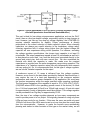
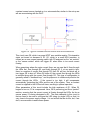
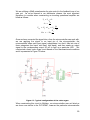
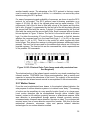
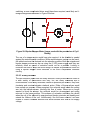
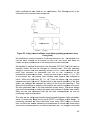
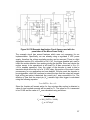
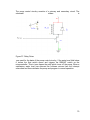
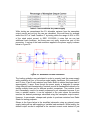
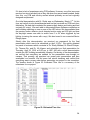
The main items we acquired/purchased for this power supply are a 120 volt AC
step-down transformer, 4 power diodes (bridge-rectifier), 3 capacitors, a 5V/3A
voltage regulator (LM350K), and 2 resistors - 1 240Ω resistor and 1 5K Ω
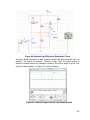
potentiometer (to set the ouput voltage for the voltage regulator). After priceshopping all of the components, we kept the price around thirty dollars. We
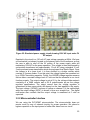
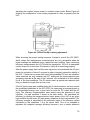
created a simulated power supply circuit verifying an output voltage of 5V in
Multisim shown in Figure 25 below.
52