1
Table of Contents
I. INTRODUCTION
II. SAFETY PRECAUTIONS
III. DESCRIPTION
IV. PARTS LIST
V. USE INSTRUCTIONS
A. Air Supply
B. Quick Coupler Assembly
C. Operation
D. Donning
E. Using the Respirator
F. Doffing
VI. MAINTENANCE
A. Inspection
B. Cleaning
C. Repair
D. Storage
E. Shipment
F. Overhaul Frequency
G. Additional Information
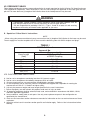
VII. PRESSURE TABLES
S. SPECIAL OR CRITICAL USERS
INSTRUCTIONS
VIII. CAUTIONS AND LIMITATIONS
IX. WARRANTY AND LIMITATION
OF LIABILITY
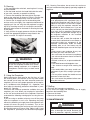
III. DESCRIPTION
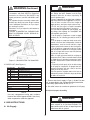
SAS SAFETY Supplied-Air Full Hood Respirator provide
long duration respiratory protection. Air is supplied to the
protective hood through an air supply line. An adapter,
clipped to the waist belt, couples the air supply line directly to the breathing tube. Air is supplied to the hood when
the air supply line is connected to a compressor or ambient air pump that delivers air at the pressures specified in
the tables in section VII. The ANSI Z88.2-1992 classification for the full hood is "hood type continuous flow atmosphere supplying respirator" with an assigned protection
factor (APF) of 1000. An APF of 1000 means that this
device, when properly used will reduce the exposure by a
factor of 1000.
1
1
1
3
3
3
3
4
5
5
5
5
6
6
6
6
7
7
7
8
WARNING
• The pressure within the SAS SAFETY 9816-00
Supplied Air Respirator (SAR) hood remains positive under most working conditions, but as with all
respirators, negative pressure excursions are possible. Conditions when a respirator can experience
negative facepiece pressures include, but are not
limited to: 1) the respirator is improperly worn, 2)
the respirator is not used in accordance with the
instructions, or 3) the respirator is over-breathed
during heavy work rates. The 9816-00 SAR respirator will provide reduced protection when operated in
a negative pressure mode.
• The employer is responsible for establishing that
these respirators are suitable for the user's application.
• SAS SAFETY cannot predict what will happen to
this equipment in every potential environment.
Materials can be chemically attacked if exposed to
the wrong environment and may exhibit excessive
corrosion or other forms of damage. Permeation or
penetration of gases, liquids, or particles through
the materials could be excessive. Extremes of temperature might cause thermal degradation. Each of
these things, or a combination of them, could create conditions in which this SAS SAFETY equipment would be dangerous to use.
• Before entering a hazardous environment while
wearing SAS SAFETY equipment, you must conduct safe, scientific tests to determine if the environment could render the equipment unsafe.
Results of this testing should be well documented.
Seek the help of a certified safety professional or
industrial hygienist. Do not use this equipment if the
user would be endangered in any way through environmentally induced degradation of the materials in
the apparatus.
• All persons using this SAS SAFETY breathing
apparatus must be made aware of its limitations.
We cannot be responsible for any damage to property, personal injury, or death in which environmental
8
8
8
I. INTRODUCTION
This manual provides operating instructions including
cleaning, maintenance, and storage procedures for the
SAS SAFETY Supplied-Air Full Hood Respirator, P/N
9816-00. You must read, understand, and follow these
instructions and be properly trained before using the respirator in a hazardous atmosphere.
II. SAFETY PRECAUTIONS
The Warnings, Cautions, and Notes contained in this
manual have the following significance:
WARNING
Maintenance or operating procedures and
techniques that will result in personal injury
or death if not carefully followed.
CAUTION
Maintenance or operating procedures and
techniques that will result in damage to equipment if not carefully followed.
NOTE
Maintenance or operating procedures and
techniques or information considered important enough to emphasize.
1