1
e. Threats through Kite Lines:
Never touch the kite lines while flying, as these lines can become dangerously sharp when under tension. Never use kite lines with notches, cuts
etc. These must be replaced. Only use lines that have no knots in them, as knots can weaken lines by as much as 50%. Do not touch the lines of the
canopy, unless the kite has been secured to the ground. Never wrap lines around your arms, fingers or other parts of the body!
f. Wind, Water and Weather Conditions:
Do not go kiteboarding on choppy waters. Please check the wind direction before setting up the kite. Avoid offshore wind. Be careful with onshore
wind when sailing close to the shore. Get information on tidal and sea current conditions at your kiting spot! Get information from both the weather report and the locals on prevailing weather conditions. Only go kiteboarding in conditions that allow you to keep 100% control. If you’re a
beginner, limit your first ride to wind strengths of 4-5 bft. maximum. The stronger the wind, the more dangerous it is. Do not use your kite in gusty
winds. Carefully observe the conditions, you might have to cope with additional 2-3 beaufort within shortest time. Never use your kite in the vicinity
of thunderstorms or where they are likely to develop. (Check the local weather report!) Leave the water immediately when a storm is approaching.
Sailing in or near a thunderstorm means putting your life at risk! Wind Range Chart: These charts are only general guidelines! Factors like your
personal skill, water, snow and ice conditions, as well as board/ski size are all to be considered when selecting the right kite size.
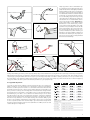
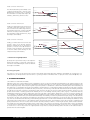
g. Wind Range Chart
These charts are only general guidelines! Factors like your personal skill, water, snow and ice conditions, as well as board/ski size are all to be considered
when selecting the right size.
10 knt
20 knt
15 knt
25 knt
30 knt+
Prima Donna 4
6
7
8
9
10
11
12
13
14
6
8
10
12
14
Mr. Fantastic 2
6
8
10
Wild Thing 3
12
14
Beaufort
Description
km/h
kts
m/s
3
Gentle breeze
12 - 19
7 - 10
3.4 - 5.4
Leaves and smaller twigs in constant motion
4
Moderate breeze
20 - 28
11 - 15
5.5 - 7.9
Dust and loose paper raised. Small branches gebin
to move
Branches of a moderate size move. Small trees begin
to sway
Conditions
5
Fresh breeze
29 - 38
16 -20
8.0 - 10.7
6
Strong breeze
39 - 49
21 - 26
10.8 - 13.8
Large branches in motion. Whistling heard in
overhead wires
7
High wind,
Moderate gale
50 - 61
27 - 33
13.9 - 17.1
Whole trees in motion. Effort needed to walk against
the wind.
8
Gale,
Fresh gale
62 - 74
34 - 40
17.2 - 20.7
Some twigs broken from trees. Progress on foot is
impeded.
75 - 88
41 - 47
20.8 - 24.4
Some branches break off trees, and some small trees
blow over.
89 - 102
48 - 55
24.5 - 28.4
Trees are broken off or uprooted, saplings bent and
deformed.
9
10
Strong gale
Storm (6)
Whole gale
h. Know your Skill Level:
Do not attempt to go kiteboarding without appropriate instruction. Do not go kiteboarding on your own. Make sure you are in good physical shape
before using this product. Practice with a low traction kite or trainer kite before flying this kite. The more time you spend with a trainer kite, the safer
and faster you will learn. End your Kiteboarding session before you are completely exhausted. Do your homework: make sure you know safety-rules
and precautions for all aspects of kiteboarding; launching, landing, flying, riding, and kiting, self-rescue, etc. Only accept help from people who
know how to handle, launch and land your kite properly. You are responsible for the safe operation of your kite.
2
J n u s e r m a n u a l . P r i m a d o n n a 4 + M r Fa n ta s t i c 2 + W i l d t h i n g 3 w w w. j n - k i t e s . c o m