1
How to work with codes
143
Ap p ly in g th e o p e ra to r N O T in c o m p a ris o n s o f s p e a ke rs
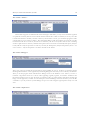
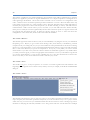
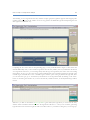
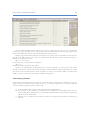
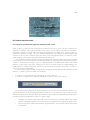
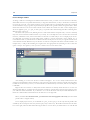
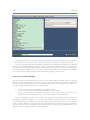
Above we learned how to apply preconstructed linkages to compare speakers. You apply this option in
"Linkages" -> "Apply preconstructed linkages" -> "Comparison of 2 speakers." These constructions link the speaker
codes per default by the logical "AND." Normally this will serve well for the purpose of speaker comparisons.
However there may be hypotheses that one speaker will address a particular topic, which the other speaker does
exactly avoid or neglect. In this case, we have to construct linkage hypotheses on our own and apply the logical
operator "NOT." We want to demonstrate a construction of this type and the usefulness of corresponding
sequence codes in the following.
In a study on implicit theories of humor a relation between answers to two particular questions was assumed
(Gürtler, 2004, coded open answers of students in questionnaires):
Question 7 – "Do you think there is enough humor in your classes?" and
Question 8 – "If you were allowed to modify the classes, what would you do to promote humor?"
It was interesting to find out whether students, who expressed dissatisfaction in question7, that is, who were
not content with quality and/or quantity of humor in their classes, nevertheless did not suggest possible
improvements as answers to question 8. This finding would indicate a difference between students, who
combine dissatisfaction and tendentious passivity, and students, who see possibilities of improvement (for
instance, changes of classroom climate, teaching style, teaching methods, etc.) although they are not contentas
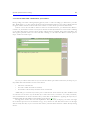
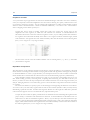
regards humor in their classes. The following sequence codes were defined and added to the code files with the
goal to differentiate between these two groups of students:
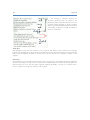
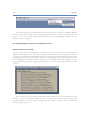
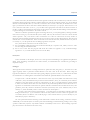
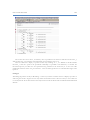
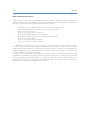
SeqCode 1: "Q7_dissatisfaction"
AND
speaker code:
/$question7
AND
code:
StatusQuo: lack of humor
NOT
code:
StatusQuo: enough humor
SeqCode 2: "Q7_satisfaction"
AND
speaker code:
/$question7
AND
code:
StatusQuo: enough humor
NOT
code:
StatusQuo: lack of humor
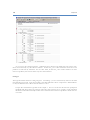
SeqCode 2: Q8_no answer"
AND
speaker code:
/$question8
AND
code:
Missing Data
OR
code:
Don't know/irrelevant
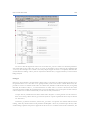
SeqCode 4: "Q8_suggestions"
AND
speaker code:
/$question8
AND
code:
Modifications (classes/methods)
OR
code:
Promote climate/relations
OR
code:
Institutional changes
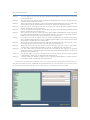
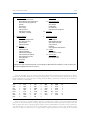
We see, each of these sequence codes is attached unambiguously to one of the questions, and positive results
of a linkage analysis therefore are linked exclusively to this question (= "speaker"). In a second step additional
sequence codes were created:
SeqCode 5: "Comp_Q7<->Q8_inconsistent1"
AND
code:
Q7_dissatisfaction
AND
code:
Q8_no answer
SeqCode 6: "Comp_Q7<->Q8_inconsistent2"
AND
code:
Q7_dissatisfaction
NOT
code:
Q8_suggestions
SeqCode 7:"Comp_Q7<->Q8_inconsistent3"
AND
code:
Q7_satisfaction
AND
code:
Q8_suggestions
SeqCode 8:
AND
AND
"Comp_Q7<->Q8_consistent1"
code:
Q7_dissatisfaction
code:
Q8_suggestions
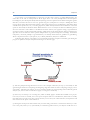
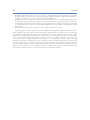
Based on this system of codes, we are able to distinguish four groups of students according to their
configurations of answers. Instead of comparing two speakers within a data file we compare two particular
questions within a data file. There are students, who are