1
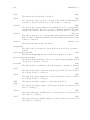
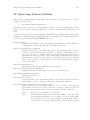
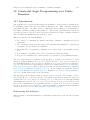
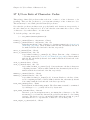
Chapter 15: Attributed Variables
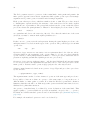
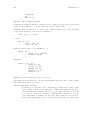
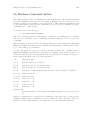
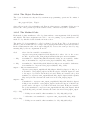
;
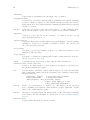
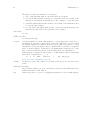
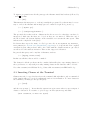
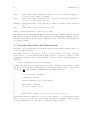
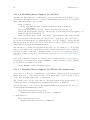
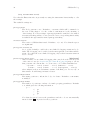
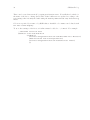
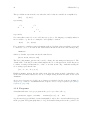
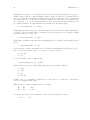
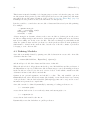
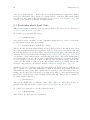
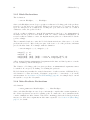
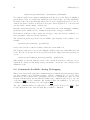
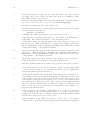
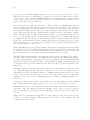
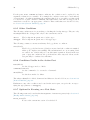
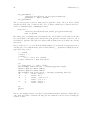
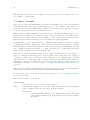
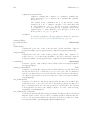
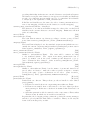
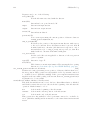
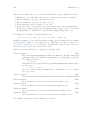
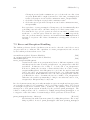
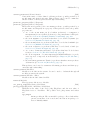
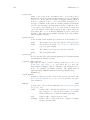
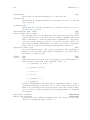
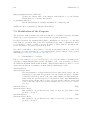
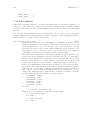
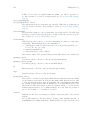
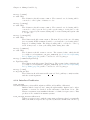
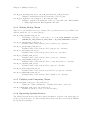
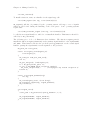
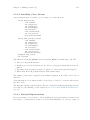
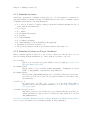
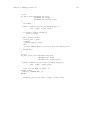
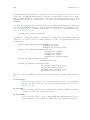
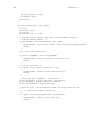
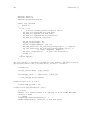
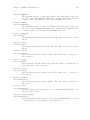
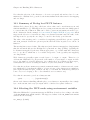
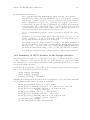
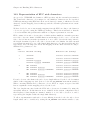
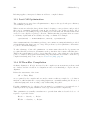
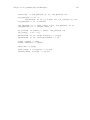
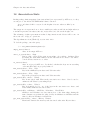
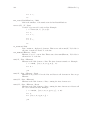
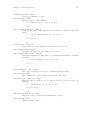
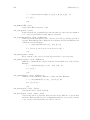
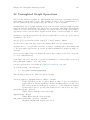
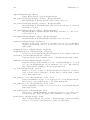
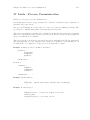
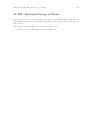
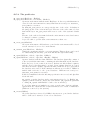
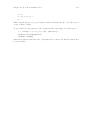
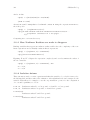
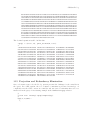
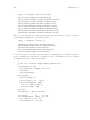
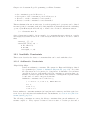
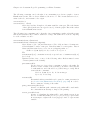
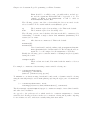
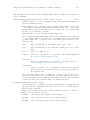
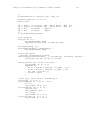
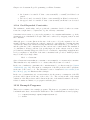
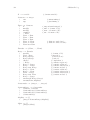
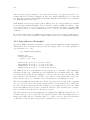
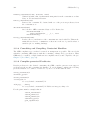
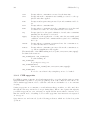
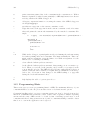
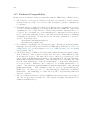
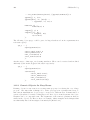
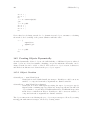
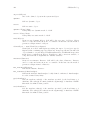
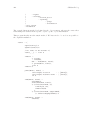
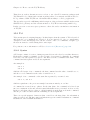
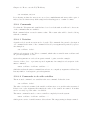
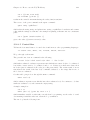
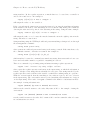
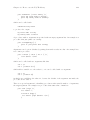
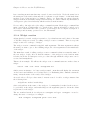
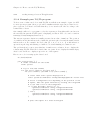
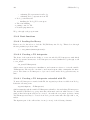
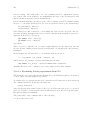
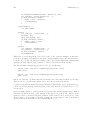
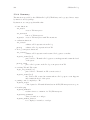
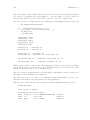
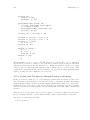
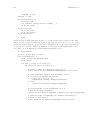
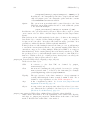
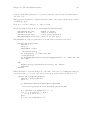
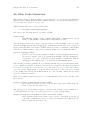
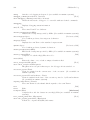
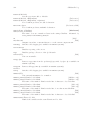
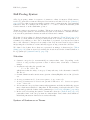
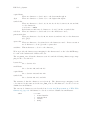
put_atts(Fresh, dom(Set)),
X = Fresh
259
% may call
% verify_attributes/3
).
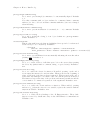
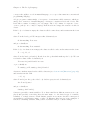
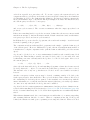
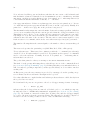
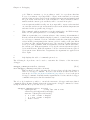
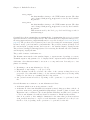
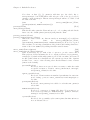
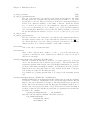
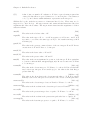
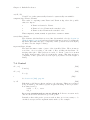
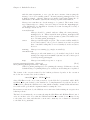
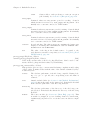
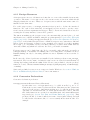
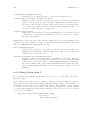
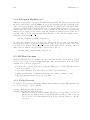
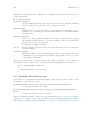
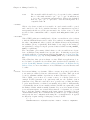
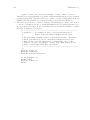
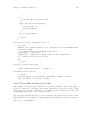
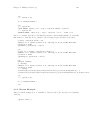
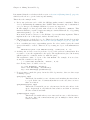
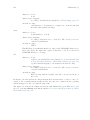
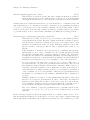
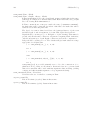
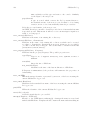
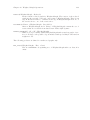
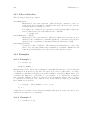
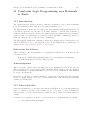
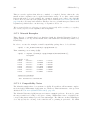
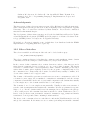
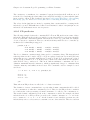
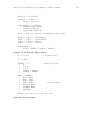
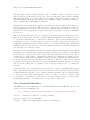
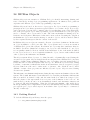
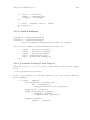
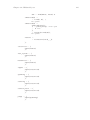
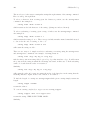
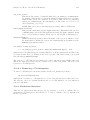
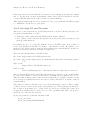
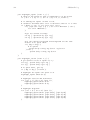
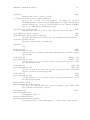
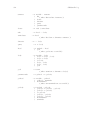
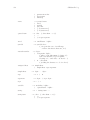
Note that the “implied binding” Other=El was deferred until after the completion of
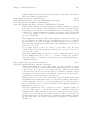
verify_attribute/3. Otherwise, there might be a danger of recursively invoke verify_
attribute/3, which might bind Var, which is not allowed inside the scope of verify_
attribute/3. Deferring unifications into the third argument of verify_attribute/3 effectively serializes th calls to verify_attribute/3.
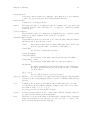
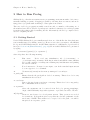
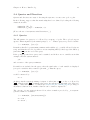
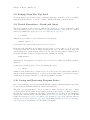
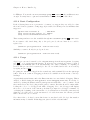
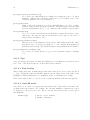
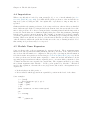
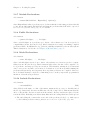
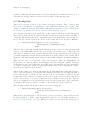
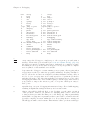
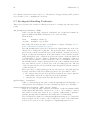
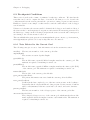
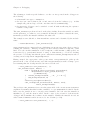
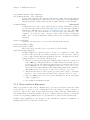
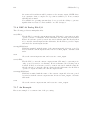
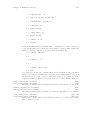
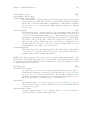
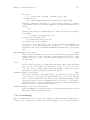
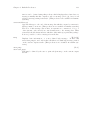
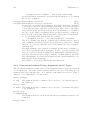
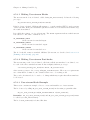
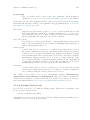
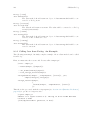
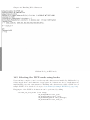
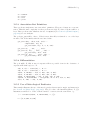
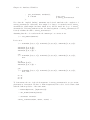
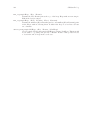
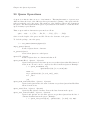
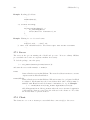
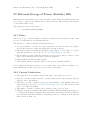
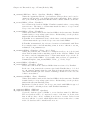
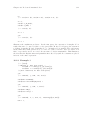
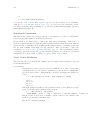
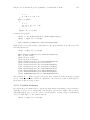
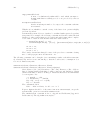
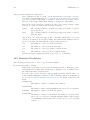
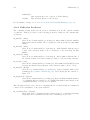
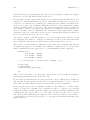
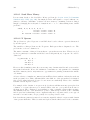
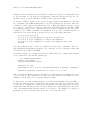
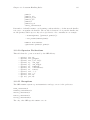
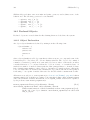
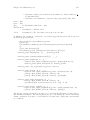
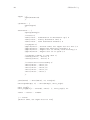
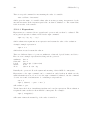
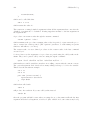
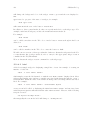
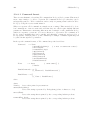
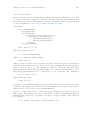
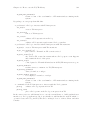
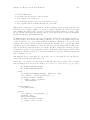
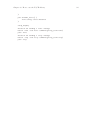
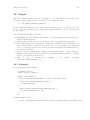
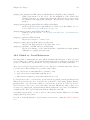
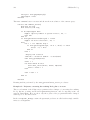
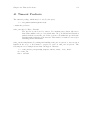
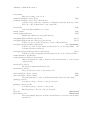
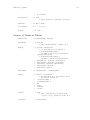
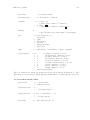
Assuming that the code resides in the file ‘domain.pl’, we can use it via:
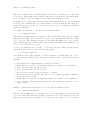
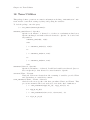
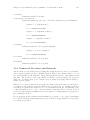
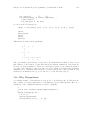
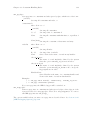
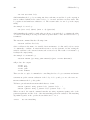
| ?- use_module(domain).
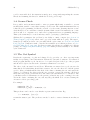
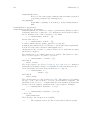
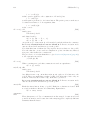
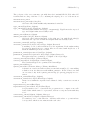
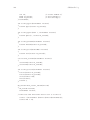
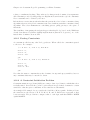
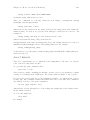
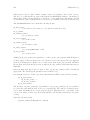
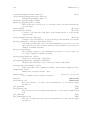
Let’s test it:
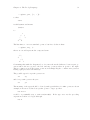
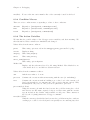
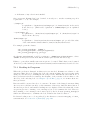
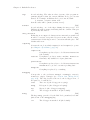
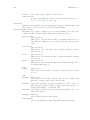
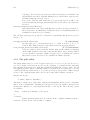
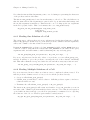
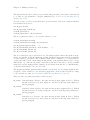
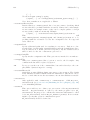
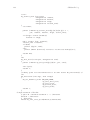
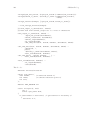
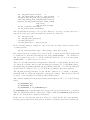
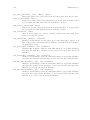
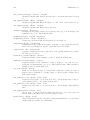
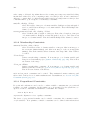
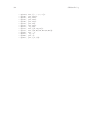
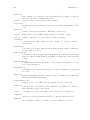
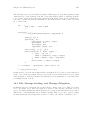
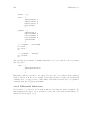
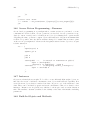
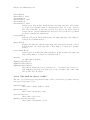
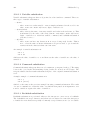
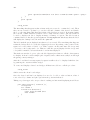
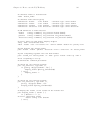
| ?- domain(X,[5,6,7,1]), domain(Y,[3,4,5,6]), domain(Z,[1,6,7,8]).
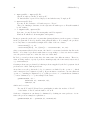
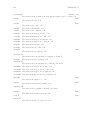
domain(X,[1,5,6,7]),
domain(Y,[3,4,5,6]),
domain(Z,[1,6,7,8]) ?
yes
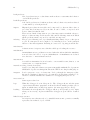
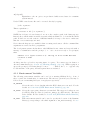
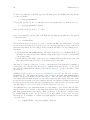
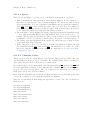
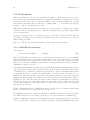
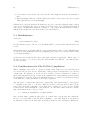
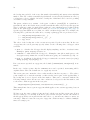
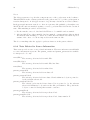
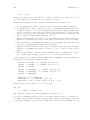
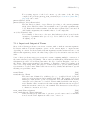
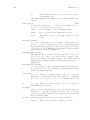
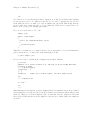
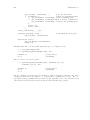
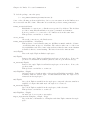
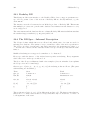
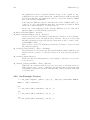
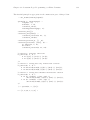
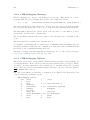
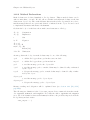
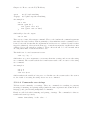
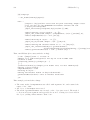
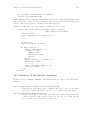
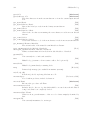
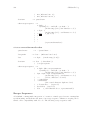
| ?- domain(X,[5,6,7,1]), domain(Y,[3,4,5,6]), domain(Z,[1,6,7,8]),
X=Y.
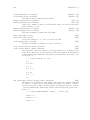
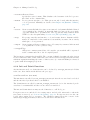
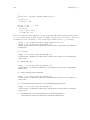
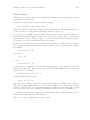
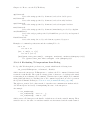
Y = X,
domain(X,[5,6]),
domain(Z,[1,6,7,8]) ?
yes
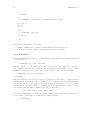
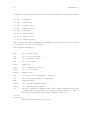
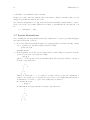
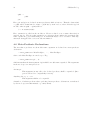
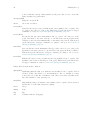
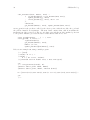
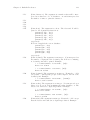
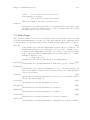
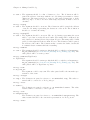
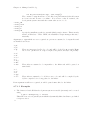
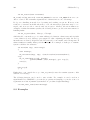
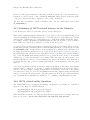
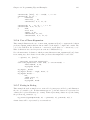
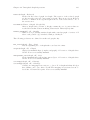
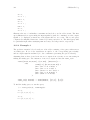
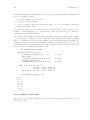
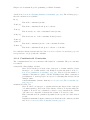
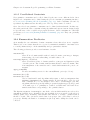
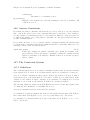
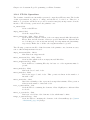
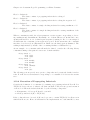
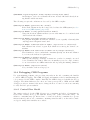
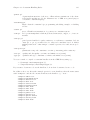
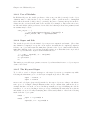
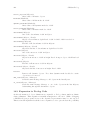
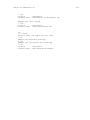
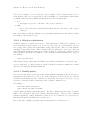
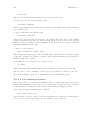
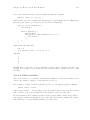
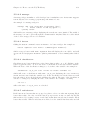
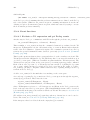
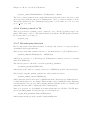
| ?- domain(X,[5,6,7,1]), domain(Y,[3,4,5,6]), domain(Z,[1,6,7,8]),
X=Y, Y=Z.
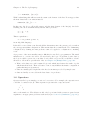
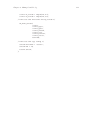
X = 6,
Y = 6,
Z = 6
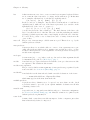
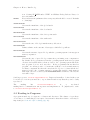
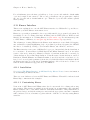
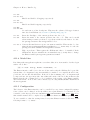
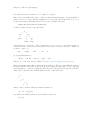
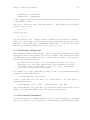
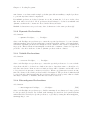
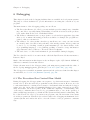
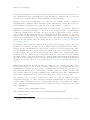
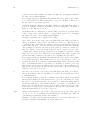
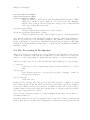
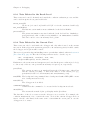
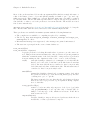
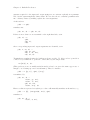
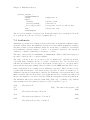
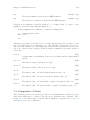
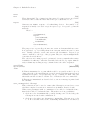
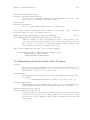
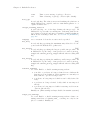
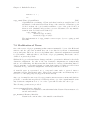
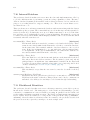
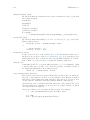
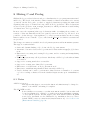
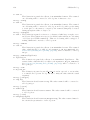
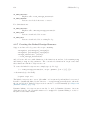
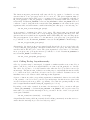
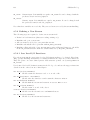
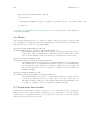
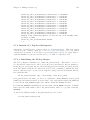
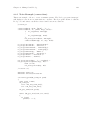
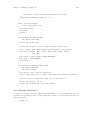
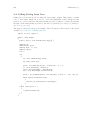
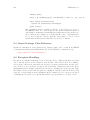
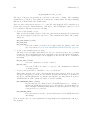
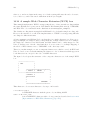
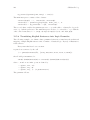
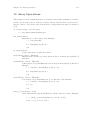
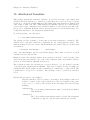
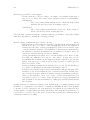
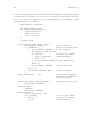
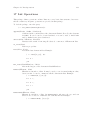
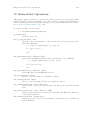
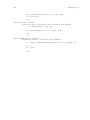
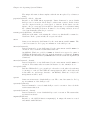
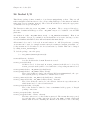
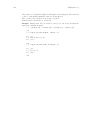
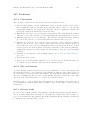
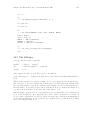
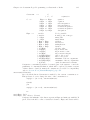
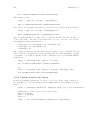
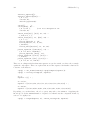
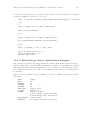
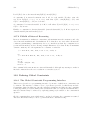
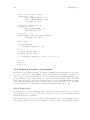
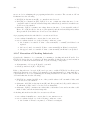
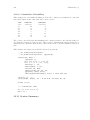
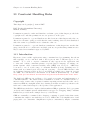
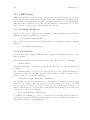
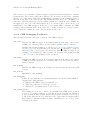
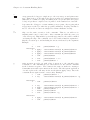
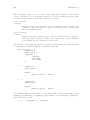
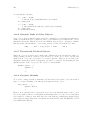
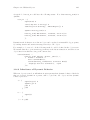
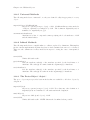
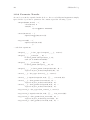
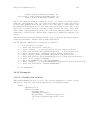
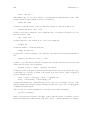
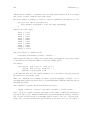
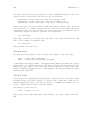
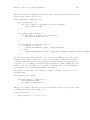
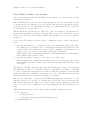
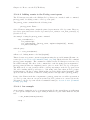
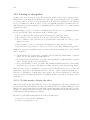
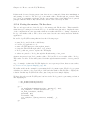
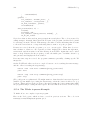
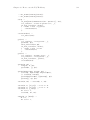
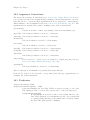
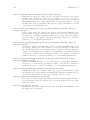
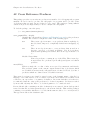
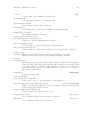
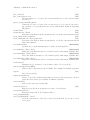
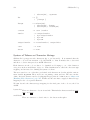
To demonstrate the use of the Goals argument of verify_attributes/3, we give an implementation of freeze/2. We have to name it myfreeze/2 in order to avoid a name clash
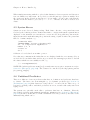
with the built-in predicate of the same name.
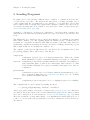
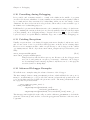
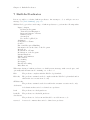
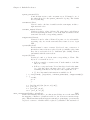
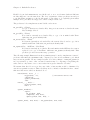
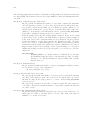
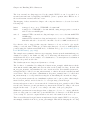
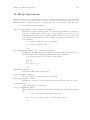
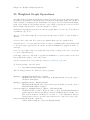
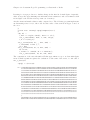
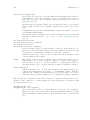
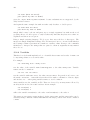
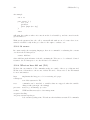
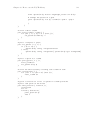
:- module(myfreeze, [myfreeze/2]).
:- use_module(library(atts)).
:- attribute frozen/1.
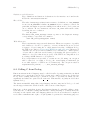
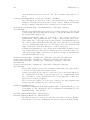
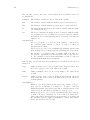
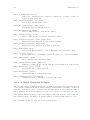
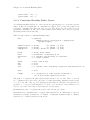
verify_attributes(Var, Other, Goals) :-