1
Safe Working Instruction Guidelines
Methodology
Page 2
Resources / Tools
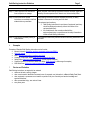
Step 2. Consider what is needed to be done
or available before the task or
process is carried out
This may include:
• the issuing of permits or carrying out isolations
• if the work is done by a variety of people, are there any training,
licence or skill requirements that need to be checked each time?
• the availability of equipment
• the use of personal protective equipment
Step 3. Observe the task or process
Where possible use a third person to observe and record the steps.
For a new process, a dry run or trial is often the best way to identify potential
problems. For example with a laboratory procedure, observe staff stepping
through the process
Step 4. Record the sequence of basic job
steps
A good basis for preparing a Safe Working Instruction is to carry out a Job
Safety Assessment, Risk Assessment or Project Safety Plan.
• Guidelines for Job Safety Assessments
• Job Safety Assessment Template
• Safe Working Method Statement Template
• Project Safety Plans
• Risk Assessments
Step 5. Identify and assess potential hazards
of each step
Step 6. Review associated legislative
requirements, standards and
University guidelines
The Victorian WorkSafe website provides topic based OHS information
The OHS website provides guidance on major OHS issues.
The Library provides access to Australian Standards
Step 7. Assess the risks of the hazards
Step 8. Suggest practical ways of eliminating
and controlling the hazards
See Possible Solutions.
If the process or activity remains high risk after applying the control
measures discuss the feasibility of the process or activity with the
responsible manager. It may be necessary to discontinue/not do the process
or activity
Step 9. Write up the Working Instructions
Use straightforward language: see NSW WorkCover “Writing work method
statements in plain English: Guidelines”.
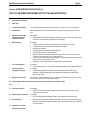
Safe Working Instructions (see template) should include:
• a description of the activity or process
• the person or position that has supervisory responsibility for the
activity or process
• specific information regarding the hazards and associated risks of
the task
• precautions to be undertaken before commencing the task
• who is authorised or allowed to carry out the work
• tools or equipment used in the process
• personal protective equipment to be worn while undertaking the
task
• the environment where the task should be undertaken
• clear instructions for undertaking the task described in a safe
manner
• specific instructions regarding ways of minimising the risks of the
task
• instructions to ensure that the area is left safe for others to use
• correct waste disposal guidelines.
Step 10. Test the Instructions by consultation
and verify relevant issues are
documented
With a new process or a changed one, where possible a dry run or trial is
often the best way to identify potential problems. For example with a
laboratory procedure observe staff stepping through the new Instruction