1
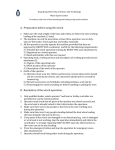
Figure 4: An Example of Study and Navigation Guide
By providing such a guide, learners of the course can get an idea of what the course
contains and what the requirements at a glance. This helps them study more
effectively.
2.3. Use of Language
2.3.1 Clarity
For writing online course content, writers should try to avoid using too much jargons,
and too many acronyms and abbreviations. Some common examples are “booting”,
“FAQ” (frequently asked questions), “FYI” (for your information). Other than these,
writers should also be cautious when using terminology, like “application”, “button”,
“soft and hard copy”, “drag”, “enter”, “window”. These words have different
meanings in the world of the computer and we should not assume that every learner is
familiar with them.
2.3.2 Consistency
Inconsistent language confuses readers. When writing online text, consistency of
format, wording, and style should be maintained. For example, if we call it “the
screen” in one place, do not call it “the monitor” somewhere else if referring to the
same thing. It is important to keep it consistent because when phrasing, formatting,
and displaying information consistently, readers can quickly learn the conventions
used throughout the content. You can then rely on such conventions to make the