1
GT / GT I
VIII.
F. FOOTRESTS
3. A pelvic wedge or a similar device can help keep the rider
from sliding down in the seat. Consult with the rider’s doctor,
nurse or therapist to find out if the rider needs such a device.
4. Use positioning belts only with a rider who can cooperate.
Make sure the rider can easily remove the belts in an emergency.
5. NEVER Use Positioning Belts:
a. As a patient restraint. A restraint requires a doctor’s
order.
b. On a rider who is comatose or agitated.
c. As a motor vehicle restraint. In an accident or sudden
stop the rider may be thrown from the chair. Wheelchair
seat belts will not prevent this, and further injury may
result from the belts or straps.
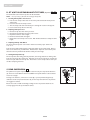
WARNING
1. At the lowest point, footrests should be AT LEAST 2" off the
ground. If set too LOW, they may “hang up” on obstacles you
can expect to find in normal use. This may cause the chair to
stop suddenly and tip forward.
2. To Avoid A Trip Or Fall When You Transfer:
a. Make sure your feet do not “hang up” or get caught in
the space between the footrests.
b. Avoid putting weight on the footrests, as the chair may
tip forward.
3. NEVER lift this chair by the footrests. Footrests detach and will
not bear the weight of this chair. Lift this chair only by nondetachable parts of the main frame.
If you fail to heed these warnings damage to your chair, a fall, tip-over or loss of
control may occur and cause severe injury to the rider or others.
If you fail to heed these warnings damage to your chair, a fall, tip-over or loss of
control may occur and cause severe injury to the rider or others.
J. POWER DRIVE (OPTIONAL)
G. OFFSET SEATING (OPTIONAL)
WARNING
WARNING
Do not install a non Quickie-approved power drive on any Quickie
wheelchair. If you do:
1. It will affect the center of balance of your chair and may
cause a fall or tip-over.
2. It will alter the frame and void the warranty.
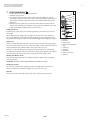
1. A fore/aft change in the backrest position will affect the center of balance of your chair.
2. Only use this option when installing a forward offset mounted seating solution, not using the standard back sling.
3. Each time you adjust or modify the backrest plane location,
the change may make it easier to tip backwards. Use anti-tips
until you adapt to the change, and are sure you are not at
risk to tip over.
If you fail to heed these warnings damage to your chair, a fall, tip-over or loss of
control may occur and cause severe injury to the rider or others.
K. PUSH HANDLES (OPTIONAL)
If you fail to heed these warnings damage to your chair, a fall, tip-over or loss of
control may occur and cause severe injury to the rider or others.
WARNING
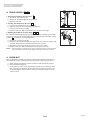
When you have a attendant, make sure that this chair has push handles.
1. Push handles provide secure points for an attendant to hold
the rear of this chair, to prevent a fall or tip-over. Make sure
to use push handles when you have an attendant.
2. Check to make sure push handle grips will not rotate or slip
off.
H. PNEUMATIC TIRES
WARNING
Proper inflation extends the life of your tires and makes your chair
easier to use.
1. Do not use this chair if any of the tires is under- or overinflated. Check weekly for proper inflation level, as listed on
the tire sidewall.
2. Low pressure in a rear tire may cause the wheel lock on that
side to slip and allow the wheel to turn when you do not
expect it.
3. Low pressure in any of the tires may cause the chair to veer
to one side and result in a loss of control.
4. Over-inflated tires may burst.
If you fail to heed these warnings damage to your chair, a fall, tip-over or loss of
control may occur and cause severe injury to the rider or others.
L. QUICK-RELEASE AXLES
WARNING
1. Do not use this chair UNLESS you are sure that both quickrelease rear axles are locked. An unlocked axle may come
off during use and cause a fall.
2. An axle is not locked until the quick-release button pops out
fully. An unlocked axle may come off during use, resulting in a
fall, tip-over or loss of control and cause severe injury to the
rider or others.
If you fail to heed these warnings damage to your chair, a fall, tip-over or loss of
control may occur and cause severe injury to the rider or others.
I. POSITIONING BELTS (OPTIONAL)
If you fail to heed these warnings damage to your chair, a fall, tip-over or loss of
control may occur and cause severe injury to the rider or others.
WARNING
Use positioning belts ONLY to help support the rider’s posture.
Improper use of these belts may cause severe injury to or death of
the rider.
M. REAR WHEELS
WARNING
1. Make sure the rider does not slide down in the wheelchair
seat. If this occurs, the rider may suffer chest compression or
suffocate due to pressure from the belts.
2. The belts must be snug, but must not be so tight that they
interfere with breathing. You should be able to slide your
open hand, flat, between the belt and the rider.
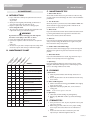
A change in set-up of the rear wheels will affect the center of balance of your chair.
1. The farther you move the rear axles FORWARD, the more
likely it is that your chair will tip over backward.
2. Consult your doctor, nurse or therapist to find the best rear
axle set-up for your chair. Do not change the set-up UNLESS
you are sure you are not at risk to tip over.
11
109880 Rev. A