1
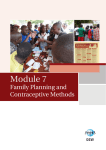
Family Planning: What Every Man Should Know
•
•
•
•
•
•
•
•
•
•
•
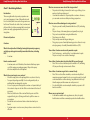
Encourage the men to participate, and invite questions from the
participants.
Make sure everyone can see the grain sack pictures.
Show the first chart to the participants and use the Introduction
provided in the Discussion Guide to open the discussion.
Ask participants to explain what they know about the topic.
Ask open ended questions that begin with words like “Why?” and
“How?” Open-ended questions require longer, more thoughtful
answers. Close-ended questions that can be answered with a simple
“yes” or “no” do not help the discussion. This guide provides several
examples of open ended questions that can help you guide the
discussion.
Reinforce correct information and correct wrong information using
the guidelines in the discussion guide and your own knowledge
about and experience with the topic.
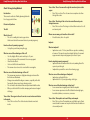
Ask participants if they have any questions about what has been
discussed.
Speak clearly. Use language the community members can
understand.
Avoid reading the discussion guide.
Though the guide is in English, you may make your presentation
in the local language, depending on your audience. Read through
the guide and consider how to translate concepts into the local
language.
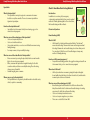
Encourage participants to see a health worker for more information.
Note to the facilitator: One of the biggest barriers to the use of family planning is fear
of side effects. This discussion guide attempts to address several of the myths and
misconceptions regarding side effects. As a facilitator, be sure to address questions from
the participants about side effects, in particular, to the best of your ability. If you do not
know the answer to a question, inform the participants that you will find out and get
back to them. Be sure to follow-up.
Family Planning: What Every Man Should Know
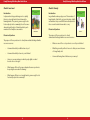
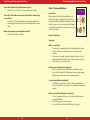
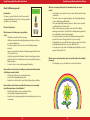
Chart 1: A community with growing problems
Introduction
In Uganda, our population has started to grow very
rapidly. A typical Ugandan family has more than 6
children. This is one of the highest rates in the world.
A COMMUNITY WITH GROWING
PROBLEMS
Discussion Questions
1969
9,500,000
1991
16,700,000
2000
21,800,000
2025
53,700,000
What do you see happening in this picture?
• In 1969, Uganda had 9.5 million people. This
number more than doubled to 21.8 million by
2000. Today, Uganda has a population of 31 million people.
• If people continue to have as many children as they do today, in
less than 20 years this number will nearly double again, to over 50
million. This increased population is forced to use the same basic
resources Uganda has always had.
What might happen if men and women continue to have as many
children as they do now?
• We will soon face over-population and the country will not be able
to support us all.
What are some of the resources that will be affected by
overpopulation?
• With more and more people, there are:
– More houses on the same amount of land.
– Fewer trees for firewood, shade, and fruits.
– Less water for people to use.
– More people eating food.
– More animals on the land.