1
Freescale Semiconductor, Inc.
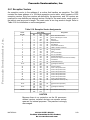
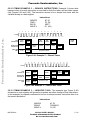
Exception processing for illegal and unimplemented instructions is similar to that for traps.
The instruction is fetched and decoding is attempted. When the processor determines that
execution of an illegal instruction is being attempted, exception processing begins. No
registers are altered.
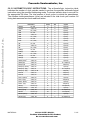
Exception processing follows the regular sequence. The vector number is generated to
refer to the illegal instruction vector or, in the case of an unimplemented instruction, to the
corresponding emulation vector. The illegal instruction vector number, current PC, and a
copy of the SR are saved on the supervisor stack, with the saved value of the PC being
the address of the illegal or unimplemented instruction.
Freescale Semiconductor, Inc...
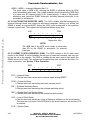
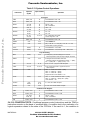
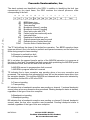
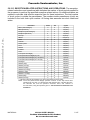
5.6.2.9 PRIVILEGE VIOLATIONS. To provide system security, certain instructions can be
executed only at the supervisor access level. An attempt to execute one of these
instructions at the user level will cause an exception. The privileged exceptions are as
follows:
• AND Immediate to SR
• EOR Immediate to SR
• LPSTOP
• MOVE from SR
• MOVE to SR
• MOVE USP
• MOVEC
• MOVES
• OR Immediate to SR
• RESET
• RTE
• STOP
Exception processing for privilege violations is nearly identical to that for illegal
instructions. The instruction is fetched and decoded. If the processor determines that a
privilege violation has occurred, exception processing begins before instruction execution.
Exception processing follows the regular sequence. The vector number (8) is generated to
reference the privilege violation vector. Privilege violation vector offset, current PC, and
SR are saved on the supervisor stack. The saved PC value is the address of the first word
of the instruction causing the privilege violation.
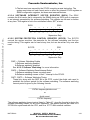
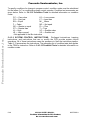
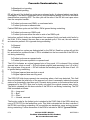
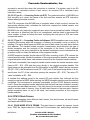
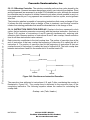
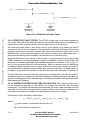
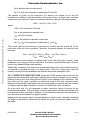
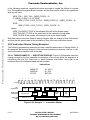
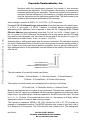
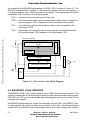
5.6.2.10 TRACING. To aid in program development, M68000 processors include a facility
to allow tracing of instruction execution. CPU32 tracing also has the ability to trap on
changes in program flow. In trace mode, a trace exception is generated after each
instruction executes, allowing a debugging program to monitor the execution of a program
under test. The T1 and T0 bits in the supervisor portion of the SR are used to control
tracing.
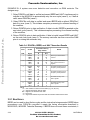
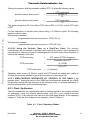
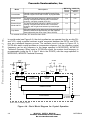
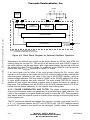
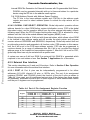
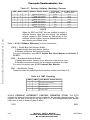
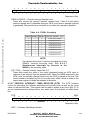
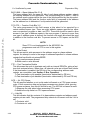
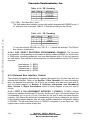
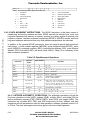
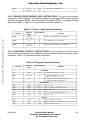
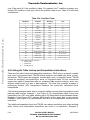
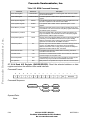
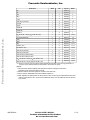
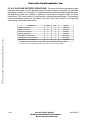
When T[1:0] = 00, tracing is disabled, and instruction execution proceeds normally (see
Table 5-20).
MOTOROLA
MC68330 USER'S MANUAL
For More Information On This Product,
Go to: www.freescale.com
5-67
















































































![CPU32 Reference Manual [330 pages!]](http://vs1.manualzilla.com/store/data/005686632_1-79fc9549061344d5fca8ab86e2038cb9-150x150.png)