1
i960® Cx Microprocessor User’s Guide — Instruction Set Quick Reference
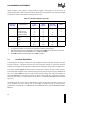
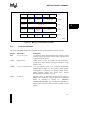
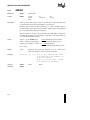
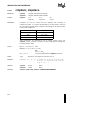
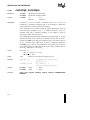
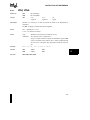
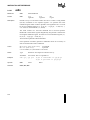
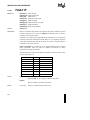
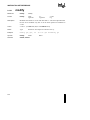
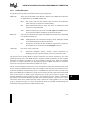
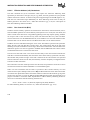
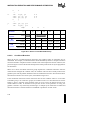
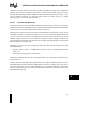
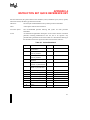
Opcode
The instruction’s opcode.
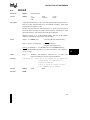
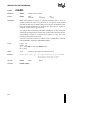
Instruction Format
The encoding format of the instruction. Appendix D details the complete encoding for each instruction.
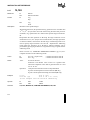
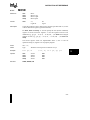
Machine Type
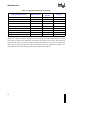
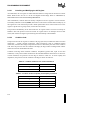
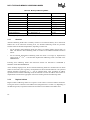
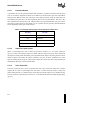
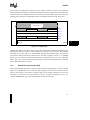
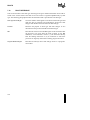
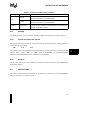
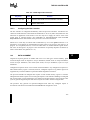
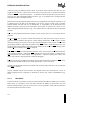
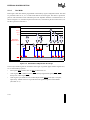
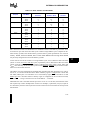
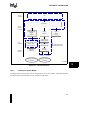
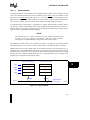
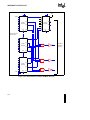
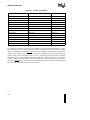
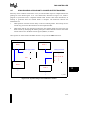
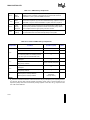
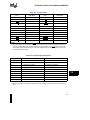
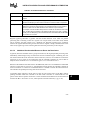
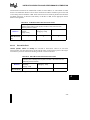
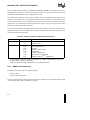
Indicates which group of parallel processing units are used to execute the instruction. Table 2 lists the possible machine
types.
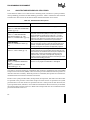
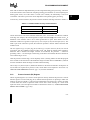
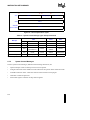
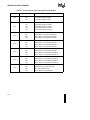
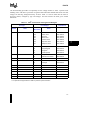
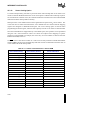
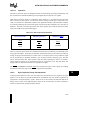
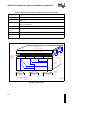
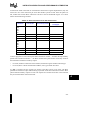
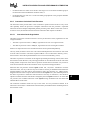
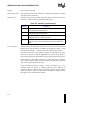
Table 2. Machine Type Shorthand
Symbol
R
Definition
Register — The instruction is executed in parallel by a processing unit on the Register side of the processor.
M
Memory — The instruction is executed in parallel by a processing unit on the Memory side of the processor.
C
Control — The instruction is executed by the Instruction Scheduler, in parallel with other R- or M-type instructions.
µ
Micro-flow — The processor performs this instruction by issuing a sequence of R-, M- and/or C-type instructions stored in its internal ROM.
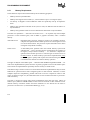
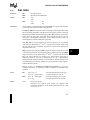
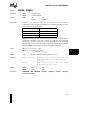
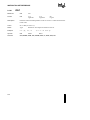
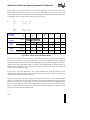
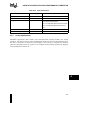
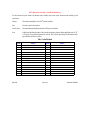
Execution Time
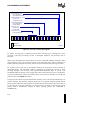
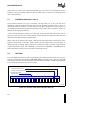
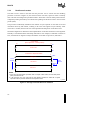
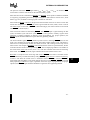
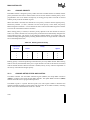
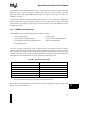
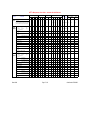
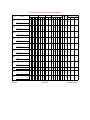
The instruction's execution time is listed in two ways: Instruction Issue and Result Latency. These times are not additive;
they represent a range — from minimum to maximum — within which actual execution time will fall.
Instruction Issue time is the number of clocks the instruction uses when there are no register or resource dependencies to
slow it down. Back-to-back instructions with no dependencies execute at the instruction issue rate.
Result Latency is the length of time that an instruction uses to complete once it begins. Back-to-back instructions which
are dependent upon each other execute at the Result Latency rate.
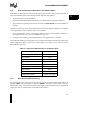
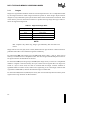
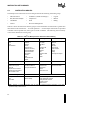
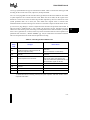
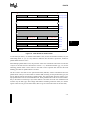
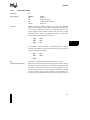
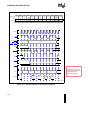
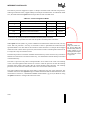
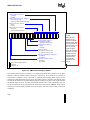
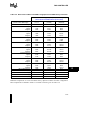
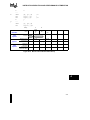
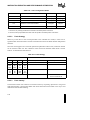
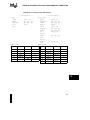
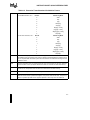
In the Instruction Execution column, a range of numbers (e.g., 0.5-1) indicates either the degree of parallel instruction
issue achieved or conditions specific to the instruction’s run-time execution (such as branch taken or not taken). Table 3
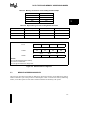
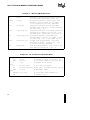
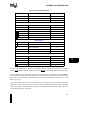
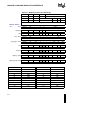
describes the shorthand for additive factors that appear in the execution time columns.
March 1994
Page 2 of 18
Order Number 272220-002