1
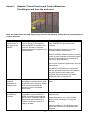
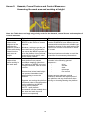
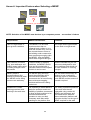
Annex 2: Hazards, Causal Factors and Control Measures:
Accessing the work area and working at height
Note: the Table does not imply any priority order for the hazards, causal factors and examples of
control measures
Hazard
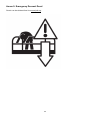
Overhead
obstructions
adjacent to the
path that the
platform needs to
follow while being
raised into the
work area at
height
Overhead
obstructions
while working in
the work area
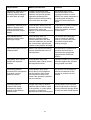
Typical causal factors
Using the wrong type or size of
MEWP for the nature of access
required
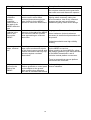
Mistakes, rushing to get the job
done and lack of concentration
can cause the MEWP operator to
drive the platform into overhead
obstructions using the lift, slew
and/or travel controls
Overhead objects close to the
work platform can present
immediate trapping risks when
the platform or MEWP is moved
using the lift/lower, slew or travel
controls
Obstructions below head height
can present immediate risks
when starting to move the
platform
Operator not moving the platform
sufficiently clear of an obstruction
before operating the MEWP
travel or slew controls
[NOTE : rapid platform
movements can be created when
the slew and main boom lift
controls are operated]
16
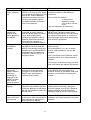
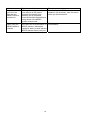
Examples of control measures
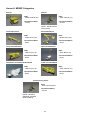
Telescopic boom, articulated boom and
vertical lift MEWPs have different access
characteristics and the most suitable type
should be chosen for the work tasks to be
carried out and the environment in which
it is used
Plan/synchronise work tasks to avoid the
presence of unnecessary obstructions
When close to obstructions use the
controls in the following general
sequence:drive
elevate
slew
telescope
fine control
Always ensure adequate vertical
clearance between the highest point of
the platform and any obstruction when
driving or elevating/slewing the platform