1
143
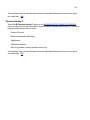
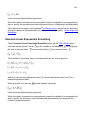
The output from this option is as explained in Time Series Output, except that the
smoothed and trend values are also presented in the output matrix along with the seasonal
indices. (Wheelwright and Makridakis)
Adaptive Filtering
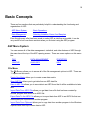
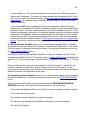
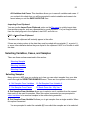
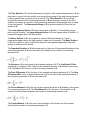
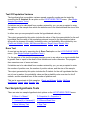
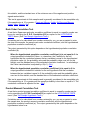
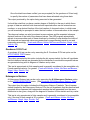
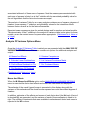
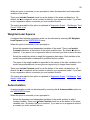
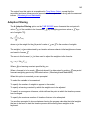
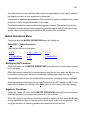
The A. Adaptive Filtering option on the TIME SERIES menu forecasts the next period’s
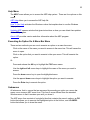
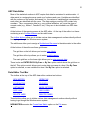
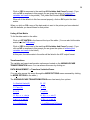
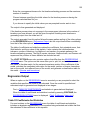
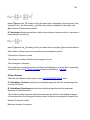
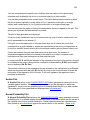
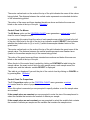
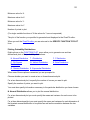
value (
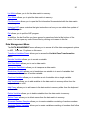
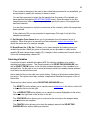
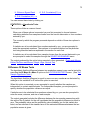
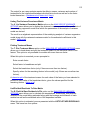
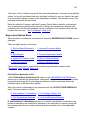
) of the variable to be forecasted (
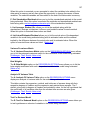
set of weights (
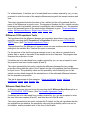
) by multiplying previous values of
by a
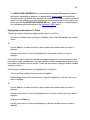
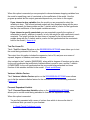
):
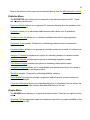
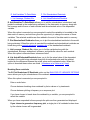
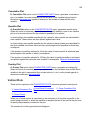
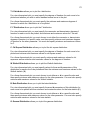
.
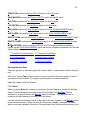
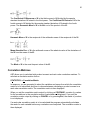
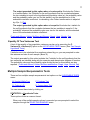
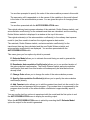
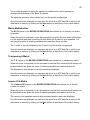
where
is the weight for the th period’s value of
and
is the number of weights.
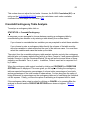
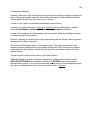
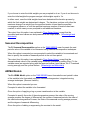
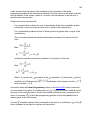
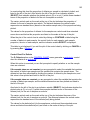
The weights ( ) are determined by an iterative scheme wherein initial weights are chosen
and used to forecast .
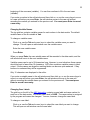
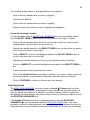
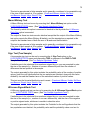
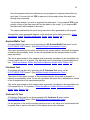
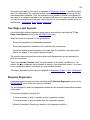
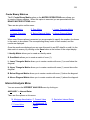
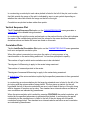
The error in this forecast (
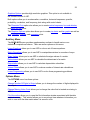
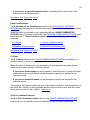
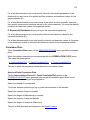
) is then used to adjust the weights via the formula:
.
Where
is a learning constant specified by you.
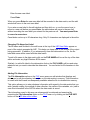
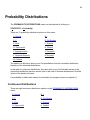
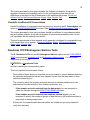
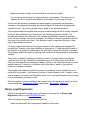
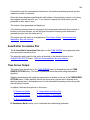
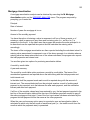
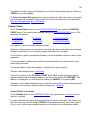
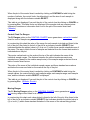
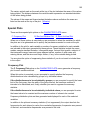
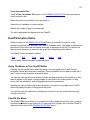
When a forecast is to be made
periods ahead it is determined by making
one period
forecasts weighting previously forecasted values. (Wheelwright and Makridakis)
When this option is executed you are prompted:
To select the variable to be examined.
To specify the number of weights to appear in the model,
To specify a learning constant by which the weights are to be adjusted.
To specify a convergence tolerance, which defines the point at which the iterative process
has converged.
To specify the maximum number of iterations that are to be attempted.
You are then prompted to choose between having the program calculate the initial weights
that are to be used to start the iterative process and entering these weights at the
keyboard.