1
2. Literature Review and Study
There are two main literature studies that had been made during this master thesis project. First literature
study is to review home automation technologies and methods which had been developed, and the second
literature study is more related to the home automation system that is developed in this master thesis
project.
2.1.
Home Automation System in General
No one knows when home automation development system started and the idea of controlling home
appliances for elderly and disable people is not a span-new idea. Graffmans, with his book [8],
introduce “gerontechnology” which comes from the combination between gerontology and
technology science. He introduces two approaches for realizing intelligent house for elderly and
disables people. First introduction is using special architecture solution to adapt the needs of those
people, and second is using particular innovative technology to support their independent life. On
this case, home automation system is a part of innovative technology that can help elderly and
disable people to manage their daily routines.
Things which make home automation system difference one to each other are the methods that
people use to develop this system. These methods include communication, device, protocol, and so
on. According to [1], there are 7 basic type of home networking technology. Those technologies are:
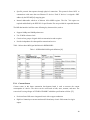
1. Direct Cable: directly connecting 2 computers or devices through serial, parallel, or USB port.
Inexpensive technology.
2. Ethernet: using hub system to connect 2 or more computers or devices. Network cards needed in
each device. Driver installation and wiring required. Possibility in hardware conflict.
3. AC Network: using power line communication which already installed within home. Difficult to
setup, slow data communication, and possibility to get interference from another device.
Expensive.
4. Phone Line: shares data with phone line frequency. Special card, driver, and phone are required
on each node.
5. Radio Free Network: using radio frequency to transmit and receive data. Up to 300 meters range
data transmit through wall and doors. Require radio network card and possible to have some
interference.
6. Spread Spectrum Wireless: Fast rate data transfer but limited in range.
7. Bluetooth: Wireless standard for cell phone and PDA devices. Possibility to make a node
network.
7