1
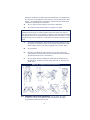
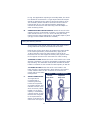
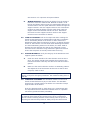
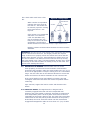
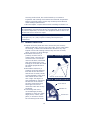
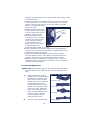
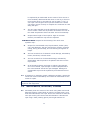
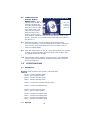
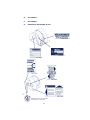
See section 5.0 for inspection of impact indicator. D. WINCH REMOVAL: Disconnect the lifeline from the worker’s harness or from the material load. Maintain at least a 10 lb. load on the lifeline while turning the crank handle clockwise to wind the lifeline onto the spool. Retract the lifeline through the support structure. See the support structure user instructions. Continue to wind the lifeline onto the winch drum until the copper ferrules and thimble contact the drum. Disconnect the winch from the support structure. Refer to the support structure user instructions for details. 3.6 LOAD ATTACHMENT: Pull on the snap hook while cranking the handle counterclockwise to extend lifeline until there is sufcient line to comfortably attach to the worker or load. Perform the attachment away from the entrance so there is no danger that the worker or load will fall. Use two hands when attaching the lifeline: one hand maintaining tension on the lifeline, the other hand to depress the lock and open the gate on the snap hook. Insert the hook into the harness D-ring. Release the gate and lock and ensure the snap hook is securely locked onto the D-ring. 3.7 SYSTEM INTEGRITY: Verify the integrity of the attachment and support system as follows: A. Crank the winch handle in the raise direction until the line is snug. The worker should slowly transfer their weight to the harness and lifeline until they are able to lift both feet off the ground. B. Make sure the winch holds the worker in a stationary position. Also adjust the fit of the harness at this time so that it does not pinch, chafe or bind. IMPORTANT: Do not use winch for lifting or lowering of more than one person, except for emergency situations. The maximum lifting force is 450 lbs. 3.8 LOWERING A WORKER: The attendant should turn the winch handle counterclockwise to pay out the lifeline. The attendant should keep a gloved hand on the lifeline as it extends to keep a slight tension on the lifeline. If the line becomes tight or slack during use, communicate with the suspended worker to determine whether there is a problem. Correct any problems before proceeding. WARNING: If the cranking tension eases during lowering, the person or material being lowered has reached a work level or obstruction. Do not continue cranking without communicating with the person or checking the material being lowered. Always keep the cable tension 12