1
PELLET STOVES
INSTALLATION AND USE MANUAL
3.4.
Chapter 3
page
21
VENTING
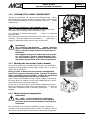
3.4.1. Avoiding Smoke and Odors
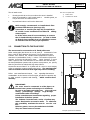
Negative Pressure, Shut-down, and Power Failure:
To reduce the probability of b ack-drafting or b urn-back in the
pellet burning appliance during power failure or shut-down
conditions, the stove must b e able to draft naturally without
exhaust blower operation. Negative pressure in the house will resist this
natural draft if not accounted for in the pellet appliance installation.
Heat rises in the house and leaks out at upper levels. This air must be
replaced with cold air from outdoors, which flows into lower levels of
the house. Vents and chimneys into basements and lower levels of the
house can become the conduit for ai r supply, and reverse under these
conditions.
3.4.2. Vent Configurations
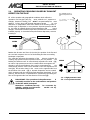
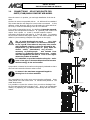
To reduce probability of reverse drafting during shut-down conditions,
MCZ strongly recommends:
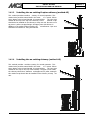
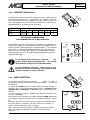
• Installing the pellet vent with a minimum vertical run of five feet,
preferably terminating above the roof line.
• Installing the outside air intake at least four feet below the vent
termination.
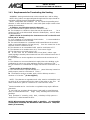
To prevent soot damage to exterior walls of the house and to prevent
re-entry of soot or ash into the house:
• Maintain specified clearances to windows, doors, and air inlets,
including air conditioners.
• Vents should not be placed below ventilated soffits. Run the vent
above the roof.
• Avoid venting into alcove locations.
• Vents should not terminate under overhangs, decks or onto covered
porches.
• Maintain minimum clearance of 12 inches from the vent termination
to the exterior wall. If you see de posits developing on the wall, you
may need to extend this distance
to accommodate your installation
conditions.
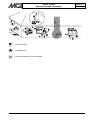
MCZ assumes no responsib ility for, nor does the warranty
extend to, smoke damage caused b y reverse drafting of pellet
appliances under shut-down or power failure conditions.
Installation and assembly
Technical service - Rights reserved MCZ Group S.p.A. - Reproduction prohibited