1
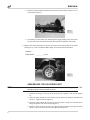
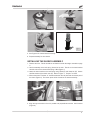
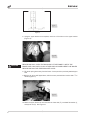
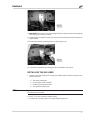
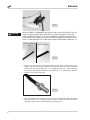
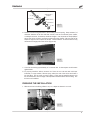
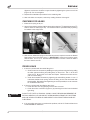
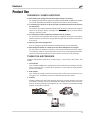
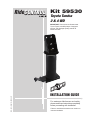
RideCONTROL Kit 59530 Toyota Tundra 2 & 4 WD MN-420 • (06812) • ECR 6601 IMPORTANT: This kit does not fit 2000-2006 Toyota Tundra 2 & 4WD pickups if equipped with the TRD Package sporting 275/65-18 wheels and tires. INSTALLATION GUIDE For maximum effectiveness and safety, please read these instructions completely before proceeding with installation. Failure to read these instructions can result in an incorrect installation. TABLE OF CONTENTS Introduction . . . . . . . . . . . . . . . . . . . . . . . . . . . . . . . . . . . . . . . 2 Important Safety Notice . . . . . . . . . . . . . . . . . . . . . . . . . . . . . . . . . . . . . . . . . . . . . 2 Notation Explanation . . . . . . . . . . . . . . . . . . . . . . . . . . . . . . . . . . . . . . . . . . . . . . . . 2 Hardware and Tools Lists . . . . . . . . . . . . . . . . . . . . . . . . . . . . 3 Installing the RideControl System . . . . . . . . . . . . . . . . . . . . . 3 Getting Started . . . . . . . . . . . . . . . . . . . . . . . . . . . . . . . . . . . . . . . . . . . . . . . . . . . . 3 Assembling the Air Spring Assembly. . . . . . . . . . . . . . . . . . . . . . . . . . . . . . . . . . . . 4 Installing the Sleeve Assembly . . . . . . . . . . . . . . . . . . . . . . . . . . . . . . . . . . . . . . . . 5 Installing the Air Lines . . . . . . . . . . . . . . . . . . . . . . . . . . . . . . . . . . . . . . . . . . . . . . . 7 Finishing the Installation . . . . . . . . . . . . . . . . . . . . . . . . . . . . . . . . . . . . . . . . . . . . . 9 Checking for Leaks . . . . . . . . . . . . . . . . . . . . . . . . . . . . . . . . . . . . . . . . . . . . . . . . .10 Fixing Leaks . . . . . . . . . . . . . . . . . . . . . . . . . . . . . . . . . . . . . . . . . . . . . . . . . . . . . .10 Installation Checklist. . . . . . . . . . . . . . . . . . . . . . . . . . . . . . . .11 Maintenance and Servicing . . . . . . . . . . . . . . . . . . . . . . . . . .12 Minimum and Maximum Pressure . . . . . . . . . . . . . . . . . . . . . . . . . . . . . . . . . . . . . .12 Maintenance Guidelines . . . . . . . . . . . . . . . . . . . . . . . . . . . . . . . . . . . . . . . . . . . . .12 Troubleshooting Guide . . . . . . . . . . . . . . . . . . . . . . . . . . . . .12 Frequently Asked Questions . . . . . . . . . . . . . . . . . . . . . . . . .13 Replacement Information . . . . . . . . . . . . . . . . . . . . . . . . . . . .14 Contact Information . . . . . . . . . . . . . . . . . . . . . . . . . . . . . . . .14 Warranty and Return Policy . . . . . . . . . . . . . . . . . . . . . . . . . .15 1 RideControl Introduction The purpose of this publication is to assist with the installation, maintenance and troubleshooting of the RideControl air spring kit. RideControl utilizes sturdy, reinforced, commercial grade single or double, depending on the kit, convolute bellows. The bellows are manufactured like a tire with layers of rubber and cords that control growth. RideControl kits are recommended for most ¾ and 1 ton pickups and SUVs with leaf springs and provide up to 5,000 lbs of load leveling support with air adjustability from 5-100 PSI. The kits are also used in motorhome rear kits and some motorhome fronts where leaf springs are used. It is important to read and understand the entire installation guide before beginning installation or performing any maintenance, service or repair. The information here includes a hardware list, tool list, step-by-step installation information, maintenance tips, safety information and a troubleshooting guide. Air Lift Company reserves the right to make changes and improvements to its products and publications at any time. For the latest version of this manual, contact Air Lift Company at (800) 248-0892 or visit our website at www.airliftcompany.com. IMPORTANT SAFETY NOTICE The installation of this kit does not alter the Gross Vehicle Weight Rating (GVWR) or payload of the vehicle. Check your vehicle’s owner’s manual and do not exceed the maximum load listed for your vehicle. Gross Vehicle Weight Rating: The maximum allowable weight of the fully loaded vehicle (including passengers and cargo). This number — along with other weight limits, as well as tire, rim size and inflation pressure data — is shown on the vehicle’s Safety Compliance Certification Label. Payload: The combined, maximum allowable weight of cargo and passengers that the truck is designed to carry. Payload is GVWR minus the Base Curb Weight. NOTATION EXPLANATION Hazard notations appear in various locations in this publication. Information which is highlighted by one of these notations must be observed to help minimize risk of personal injury or possible improper installation which may render the vehicle unsafe. Notes are used to help emphasize areas of procedural importance and provide helpful suggestions. The following definitions explain the use of these notations as they appear throughout this guide. DANGER INDICATES IMMEDIATE HAZARDS WHICH WILL RESULT IN SEVERE PERSONAL INJURY OR DEATH. WARNING INDICATES HAZARDS OR UNSAFE PRACTICES WHICH COULD RESULT IN SEVERE PERSONAL INJURY OR DEATH. CAUTION INDICATES HAZARDS OR UNSAFE PRACTICES WHICH COULD RESULT IN DAMAGE TO THE MACHINE OR MINOR PERSONAL INJURY. NOTE 2 Indicates a procedure, practice or hint which is important to highlight. MN-420 RideControl HARDWARE LIST Item A B C D E F G H I J K L Part # Description................................Qty Air Sleeve ............................................................2 Upper Bracket.......................................................2 Lower Bracket.......................................................2 U-Bolt ............................................................2 Lower Clamp Bar ..................................................2 3/8” x 1.5” Frame Bolt ...........................................6 3/8” Nyloc Nut ......................................................10 3/8” Flat Washer ...................................................4 3/8” Large Flat Washer .........................................6 1/2” x 3/4” Flat Head Screw ..................................2 3/4” - 16 Nyloc Jam Nut ........................................2 1/8” Straight Fitting ...............................................2 STOP! Air Line Assembly Parts List Item Description AA BB CC DD EE FF Air Line Assembly Tie Strap Valve Caps 5 /16 “ Flat Washer Rubber Washer Small Star Washer Quantity 1 6 2 2 2 2 Missing or damaged parts? Call Air Lift customer service at (800) 248-0892 for a replacement part. TOOLS LIST Description............................................................Qty 1/2”, 9/16”, and 3/4” open-end or box wrenches ................1 Crescent wrench.................................................................1 Safety glasses ....................................................................1 Ratchet with 3/8”, 9/16” and 1/2” deep well sockets ...........1 Description......................................................................Qty 5/16” and 3/8” drill bits (very sharp) ....................................1 Heavy duty drill ...................................................................1 Torque wrench....................................................................1 Installing RideControl GETTING STARTED Your vehicle may be equipped with a rear brake proportioning valve. Any type of load assist product could affect brake performance. We recommend that you check with your dealer before installing this type of product. If your vehicle DOES NOT have a rear brake proportioning valve or is equipped with an anti-lock type brake system, installation of a load assist product will have NO EFFECT ON BRAKE SYSTEM PERFORMANCE. IMPORTANT: Failure to maintain correct minimum pressure (or pressure proportional to load), bottoming out, overextension, or rubbing against another component will void the warranty. DANGER COMPRESSED AIR CAN CAUSE INJURY AND DAMAGE TO THE VEHICLE AND PARTS IF IT IS NOT HANDLED PROPERLY. FOR YOUR SAFETY, DO NOT TRY TO INFLATE THE AIR SPRINGS UNTIL THEY HAVE BEEN PROPERLY SECURED TO THE VEHICLE. 1. Determine the Normal Ride Height. The Normal Ride Height is the distance between the bottom edge of the wheel-well and the center of the hub with the vehicle in the “as delivered” condition. In some cases, Normal Ride Height is not perfectly level. MN-420 3 RideControl a. Remove unusual loads and examine your vehicle from the side to ensure it is on a level surface (Figure 1). fig. 1 b. If necessary (in cases where your leaf springs are sagging badly), use a jack to raise the rear end so that the vehicle achieves the original “as delivered” ride height. 2. Measure the distance between the center of the hub and the bottom edge of the wheel well (Figure 2). This is the Normal Ride Height. Enter the measurement below: NORMAL RIDE HEIGHT: __________ inches fig. 2 ASSEMBLING THE AIR SPRING UNIT NOTE This kit does not fit 2000-2006 Toyota Tundra 2 & 4WD pickups if equipped with the TRD Package sporting 275/65-18 wheels and tires. 1. Install the air fitting (L) to the top of the air sleeve (A). Tighten 1 and 1/2 turns (Figure 3). 2. Attach the lower bracket (C) to the bottom of the air sleeve (A) using the small flat head screw (J). Tighten securely (Figure 4). 3. Install the upper bracket (B) onto the top of the air sleeve, being sure to thread the air fitting through the hole on the bracket (Figure 5). 4. Install the nylon nut (K) to the top of the upper bracket by feeding it through the swivel fitting. Leave loose at this time for later adjustment (Figure 5). 4 MN-420 RideControl fig. 3 fig. 4 fig. 5 fig. 6 5. See Figure 6 for finished sleeve assembly. 6. Repeat assembly for other sleeve. INSTALLING THE SLEEVE ASSEMBLY 1. Remove the tires. This kit should be mounted at normal ride height recorded on page 2. 2. Set the assembly on the leaf spring, forward of the axle. The tab on the lower bracket should hook over the forward leaf spring U-Bolt (Figure 7). 3. Attach the lower bracket to the leaf spring using U-Bolt (D) and clamp bar (E). Secure with flat washers (H) and lock nuts (G). Refer to Figure 7. Torque to 16 ft-lbs. 4. Ensure that there is at least 1/4” clearance between the roll plate and the closest part of the frame (Figure 8). The closer space will be forward of the sleeve assembly. /4” clea 1 fig. 7 rance fig. 8 5. Align the upper bracket so that it is parallel and perpendicular with the lower bracket (Figure 9). MN-420 5 RideControl fig. 9 Figure 9 6. Using the upper bracket as a template, mark one of the holes on the upper bracket (Figure 10). fig. 10 CAUTION BEFORE DRILLING, CHECK THE BACK SIDE OF THE FRAME TO SEE IF THE BRAKE LINES, GAS LINES, OR ANY OTHER LINES OR WIRES NEED TO BE MOVED BEFORE DRILLING THE UPPER BRACKET HOLES. 8. Flip the air spring down away from the frame. Center punch the previously marked upper hole 9. With the air spring still flipped down, drill the center punched hole location with a 3/8 “ drill bit (Figure 11). fig. 11 10. Attach the upper bracket to the frame with the frame bolt (F), oversized flat washer (I), and nylock nut (G). See Figure 12. 6 MN-420 RideControl fig. 12 11. IMPORTANT: Be sure to cover the air fitting with piece of tape to prevent metal shavings from getting into the fitting or sleeve. 12. Check alignment, adjust if needed, then center punch and drill the two lower holes in the upper bracket. 13. Torque upper bracket mounting bolts to 20 ft-lbs (Figure 13). fig. 13 14. Continue the installation by following the air line installation instructions. INSTALLING THE AIR LINES 1. Choose a convenient location for mounting the inflation valves. Popular locations for the inflation valve are: a. b. c. d. NOTE The wheel well flanges. License plate recess in bumper. Under the gas cap access door. Through license plate itself. What ever the chosen location is, make sure there is enough clearance around the inflation valves for an air chuck. 2. Drill a 5/16 “ hole to install the inflation valves. 3. Cut the air line assembly (AA) in two equal lengths (Figure 14). MN-420 7 RideControl fig. 14 CAUTION WHEN CUTTING OR TRIMMING THE AIR LINE, USE A HOSE CUTTER (AIR LIFT P/N 10530), A RAZXOR BLADE OR SHARP KNIFE. A CLEAN, SQUARE CUT WILL ENSURE AGAINST LEAKS (FIG. 15). DO NOT USE WIRE CUTTERS OR SCISSORS TO CUT THE AIR LINE. THESE TOOLS MAY FLATTEN OR CRIMP THE AIR LINE, CAUSING IT OT LEAK AROUND THE O-RING SEAL INSIDE THE ELBOW FITTING (FIG. 15). Good cut – clean and square Bad cut – flattened fig. 15 4. Place a 5/16 “ nut (GG) and a star washer (FF) on the air valve. Leave enough of the inflation valve in front of the nut to extend through the hole and have room for the rubber washer (EE), flat washer (DD), and 5/16 “ nut (GG) and cap (CC). There should be enough valve exposed after installation - approximately 1/2 “ - to easily apply a pressure gauge or an air chuck (Figure 16). fig. 16 5. Push the inflation valve through the hole and use the rubber washer (EE), flat washer (DD), and another 5/16 “ nut (GG) to secure it in place. Tighten the nuts to secure the assembly in place (fig. 17). the assembly in place (Figure 17). 8 MN-420 RideControl 5 /16” Nut Vehicle Body or Bumper Star Washer Rubber Washer Flat Washer 5 /16” Nut fig. 17 6. Route the air line along the frame to the air fitting on the air spring. Keep at least 6” of clearance between the air line and heat sources, such as the exhaust pipes, muffler, or catalytic converter. Avoid sharp bends and edges. Use the plastic tie straps (BB) to secure the air line to fixed, non-moving points along the chassis. Be sure that the tie straps are tight, but do not pinch the air line. Leave at least 2” of slack to allow for any movement that might pull on the air line (Figure 18). fig. 18 7. Cut off air line leaving approximately 12” of extra air line. A clean square cut will ensure against leaks. 8. To properly install the airline, measure 9/16” from the cut end and mark with tape. Lubricate (i.e. soap solution, silicone spray, saliva) the end of the air line and insert it into the fitting. This is a push to connect fitting. A click can be heard/felt when the air line is seated, also, the front edge of the tape band should be flush with the fitting. The air line is now installed. FINISHING THE INSTALLATION 1. With the air line in the fitting, inflate to 10 p.s.i., adjust the sleeve in or out for fig. 19 MN-420 9 RideControl alignment, and secure air sleeve to upper bracket by tightening the nylon nut to 4 ft-lbs (Figure 19). Do not overtighten. 2. Repeat entire installation procedures for the remaining side. 3. After both sides are complete, continue by reading Sections VI through X. CHECKING FOR LEAKS 1. Inflate the air spring to 30 p.s.i. 2. Spray all connections and the inflation valves with a solution of 1/5 liquid dish soap and 4/5 water to check for leaks (Figure 20). You should be able to spot leaks easily by looking for bubbles in the soapy water. fig. 21 Valve Core fig. 20 Barbed Air Line Connection 3. After the test, deflate the springs to the minimum pressure required to restore the Normal Ride Height, but not less than 10 p.s.i. 4. IMPORTANT: Check the air pressure again after 24 hours. A 2 to 4 p.s.i. loss after initial installation is normal. Retest for leaks if the loss is more than 5 lbs. FIXING LEAKS 1. If there is a problem with the swivel fitting, then: a. Check the air line connection by deflating the spring and removing the line by pulling the collar against the fitting and pulling firmly on the air line. Trim 1” off the end of the air line. Be sure the cut is clean and square. Reinsert the air line into the push-to-connect fitting. b. Check the threaded connection by tightening the swivel fitting another 1/2 turn. If it still leaks, deflate the air spring, remove the fitting, and re-coat the threads with thread sealant. Reinstall by hand tightening as much as possible, then use a wrench for an additional two turns. 2. If there is a problem with the inflation valve, then: a. Check the valve core by tightening it with a valve core tool. b. Check the air line connection (Figure 21) by removing the air line from the barbed type fitting. CAUTION DO NOT CUT IT OFF. AS THIS WILL USUALLY NICK THE BARB AND RENDER THE FITTING USELESS. CUT AIR LINE OFF A FEW INCHES IN FRONT OF THE FITTING AND USE A PAIR OF PLIERS OR VISE-GRIPS TO PULL/TWIST THE AIR LINE OFF THE FITTING. 3. If the preceding steps have not resolved the problem, call Air Lift Technical Service at 1-800-248-0892 for assistance. 10 MN-420 RideControl Before Operating INSTALLATION CHECKLIST Clearance test — Inflate the air springs to 60 PSI and make sure there is at least ½” clearance from anything that might rub against each sleeve. Be sure to check the tire, brake drum, frame, shock absorbers and brake cables. Leak test before road test — Inflate the air springs to 30 PSI and check all connections for leaks. Refer to “Checking for Leaks” on page 10. All leaks must be eliminated before the vehicle is road tested. Heat test — Be sure there is sufficient clearance from heat sources, at least 6” for air springs and air lines. If a heat shield was included in the kit, install it. If there is no heat shield, but one is required, call Air Lift customer service at (800) 248-0892. Fastener test — Recheck all bolts for proper torque. Road test — The vehicle should be road tested after the preceding tests. Inflate the springs to 25 PSI (50 PSI if the vehicle is loaded). Drive the vehicle 10 miles and recheck for clearance, loose fasteners and air leaks. Operating instructions — If professionally installed, the installer should review the operating instructions with the owner. Be sure to provide the owner with all of the paperwork that came with the kit. Technician’s Signature _________________________________ Date _________________ POST-INSTALLATION CHECKLIST Overnight leak down test — Recheck air pressure after the vehicle has been used for 24 hours. If the pressure has dropped more than 5 PSI, then there is a leak that must be fixed. Either fix the leak yourself or return to the installer for service. Air pressure requirements — I understand the air pressure requirements of my air spring system. Regardless of load, the air pressure should always be adjusted to maintain ride height at all times. Thirty day or 500 mile test — I understand that I must recheck the air spring system after 30 days or 500 miles, whichever comes first. If any part shows signs of rubbing or abrasion, the source should be identified and moved, if possible. If it is not possible to relocate the cause of the abrasion, the air spring may need to be remounted. If professionally installed, the installer should be consulted. Check all fasteners for tightness. MN-420 11 RideControl Maintenance and Servicing Minimum Air Pressure Maximum Air Pressure 5 PSI 100 PSI FAILURE TO MAINTAIN CORRECT MINIMUM PRESSURE (OR PRESSURE PROPORTIONAL TO LOAD), BOTTOMING OUT, OVER-EXTENSION OR RUBBING AGAINST ANOTHER COMPONENT WILL VOID THE WARRANTY. MAINTENANCE GUIDELINES NOTE By following these steps, vehicle owners will obtain the longest life and best results from their air spring. 1. Check the air pressure weekly. 2. Always maintain normal ride height. Never inflate beyond 100 PSI. 3. If you develop an air leak in the system, use a soapy water solution to check all air line connections and the inflation valve core, before deflating and removing the spring. 4. When increasing load, always adjust the air pressure to maintain normal ride height. Increase or decrease pressure from the system as necessary to attain normal ride height for optimal ride and handling. Remember that loads carried behind the axle (including tongue loads) require more leveling force (pressure) than those carried directly over the axle. CAUTION FOR YOUR SAFETY AND TO PREVENT DAMAGE TO YOUR VEHICLE, DO NOT EXCEED MAXIMUM GROSS VEHICLE WEIGHT RATING (GVWR), AS INDICATED BY THE VEHICLE MANUFACTURER. ALTHOUGH YOUR AIR SPRINGS ARE RATED AT A MAXIMUM INFLATION PRESSURE OF 100 PSI, THE AIR PRESSURE ACTUALLY NEEDED IS DEPENDENT ON YOUR LOAD AND GVWR. 5. Always add air to the springs in small quantities, checking the pressure frequently. Sleeves require less air volume than a tire and inflate quickly. 6. Should it become necessary to raise the vehicle by the frame, make sure the system is at a minimum pressure (5 PSI) to reduce tension on the suspension/brake components. Use of on-board leveling systems do not require deflation or disconnection. Troubleshooting Guide 1. Leak test the air line connections, threaded connection of the elbow into the air spring, and the inflation valves. See “Fixing Leaks” on page 10 for repair. 2. Check for dirt debris in the valve core. 3. Inspect the air lines to be sure none are pinched. Tie straps may be too tight. Loosen or replace the strap and replace leaking components. 4. Inspect the air line for holes and cracks. Replace as needed. 5. Look for a kink or fold in the air line. Reroute as needed. If the preceding steps do not solve the problem, it is most likely caused by a failed air spring — either a factory defect or an operating problem. Please call Air Lift at (800) 248-0892 for assistance or a replacement air spring. 12 MN-420 RideControl Product Use FREQUENTLY ASKED QUESTIONS Q. Will installing air springs increase the weight ratings of a vehicle? No. Adding air springs will not change the weight ratings (GAWR, GCWR and/or GVWR) of a vehicle. Exceeding the GVWR is dangerous and voids the Air Lift warranty. Q. Is it necessary to keep air in the air springs at all times and how much pressure will they need? The minimum air pressure should be maintained at all times. The minimum air pressure keeps the air spring in shape, ensuring that it will move throughout its travel without rubbing or wearing on itself. Q. Is it necessary to add a compressor system to the air springs? No. Air pressure can be adjusted with any type of compressor as long as it can produce sufficient pressure to service the springs. Even a bicycle tire pump can be used, but it’s a lot of work. Q. How long should air springs last? If the air springs are properly installed and maintained they can last indefinitely. Q. Will raising the vehicle on a hoist for service work damage the air springs? No. The vehicle can be lifted on a hoist for short-term service work such as tire rotation or oil changes. However, if the vehicle will be on the hoist for a prolonged period of time, support the axle with jack stands in order to take the tension off of the air springs. TUNING THE AIR PRESSURE Pressure determination comes down to three things — level vehicle, ride comfort, and stability. 1. Level vehicle If the vehicle’s headlights are shining into the trees or the vehicle is leaning to one side, then it is not level (fig. 13). Raise the air pressure to correct either of these problems and level the vehicle. 2. Ride comfort If the vehicle has a rough or harsh ride it may be due to either too much pressure or not enough (fig. 14). Try different pressures to determine the best ride comfort. 3. Stability Stability translates into safety and should be the priority, meaning the driver may need to sacrifice a perfectly level and comfortable ride. Stability issues include roll control, bounce, dive during braking and sponginess (fig. 15). Tuning out these problems usually requires an increase in pressure. Bad headlight aim fig. 13 Rough ride fig. 14 fig. 15 Sway and body roll MN-420 13 RideControl GUIDELINES FOR ADDING AIR 1. Start with the vehicle level or slightly above. 2. When in doubt, always add air. 3. For motorhomes, start with 50-100 PSI in the rear because it can be safely assumed that it is heavily loaded. 4. If the front of the vehicle dives while braking, increase the pressure in the front air bags, if equipped. 5. If it is ever suspected that the air bags have bottomed out, increase the pressure (fig. 16). 6. Adjust the pressure up and down to find the best ride. 7. If the vehicle rocks and rolls, adjust the air pressure to reduce movement. 8. It may be necessary to maintain different pressures on each side of the vehicle. Loads such as water, fuel, and appliances will cause the vehicle to be heavier on one side (fig. 17). As much as a 50 PSI difference is not uncommon. Bottoming out fig. 16 Unlevel Level fig. 17 Replacement Information If you need replacement parts, contact the local dealer or call Air Lift customer service at (800) 248-0892. Most parts are immediately available and can be shipped the same day. Contact Air Lift Company customer service at (800) 248-0892, first if: • Parts are missing from the kit. • Need technical assistance on installation or operation. • Broken or defective parts in the kit. • Wrong parts in the kit. • Have a warranty claim or question. Contact the retailer where the kit was purchased: • If it is necessary to return or exchange the kit for any reason. • If there is a problem with shipping if shipped from the retailer. • If there is a problem with the price. Contact Information If you have any questions, comments or need technical assistance, contact our customer service department by calling (800) 248-0892, Monday through Friday, 8 a.m. to 5 p.m. Eastern Time. For calls from outside the USA or Canada, our local number is (517) 322-2144. For inquiries by mail, our address is PO Box 80167, Lansing, MI 48908-0167. Our shipping address for returns is 2727 Snow Road, Lansing, MI 48917. You may also contact us anytime by e-mail at [email protected] or on the web at www.airliftcompany.com. 14 MN-420 RideControl Warranty and Returns Policy Air Lift Company warrants its products, for the time periods listed below, to the original retail purchaser against manufacturing defects when used on catalog-listed applications on cars, vans, light trucks and motorhomes under normal operating conditions for as long as Air Lift manufactures the product. The warranty does not apply to products that have been improperly applied, improperly installed, used in racing or off-road applications, used for commercial purposes, or which have not been maintained in accordance with installation instructions furnished with all products. The consumer will be responsible for removing (labor charges) the defective product from the vehicle and returning it, transportation costs prepaid, to the dealer from which it was purchased or to Air Lift Company for verification. Air Lift will repair or replace, at its option, defective products or components. A minimum $10.00 shipping and handling charge will apply to all warranty claims. Before returning any defective product, you must call Air Lift at (800) 248-0892 in the U.S. and Canada (elsewhere, (517) 322-2144) for a Returned Materials Authorization (RMA) number. Returns to Air Lift can be sent to: Air Lift Company • 2727 Snow Road • Lansing, MI • 48917. Product failures resulting from abnormal use or misuse are excluded from this warranty. The loss of use of the product, loss of time, inconvenience, commercial loss or consequential damages is not covered. The consumer is responsible for installation/reinstallation (labor charges) of the product. Air Lift Company reserves the right to change the design of any product without assuming any obligation to modify any product previously manufactured. This warranty gives you specific legal rights and you may also have other rights that vary from state-to-state. Some states do not allow limitations on how long an implied warranty lasts or allow the exclusion or limitation of incidental or consequential damages. The above limitation or exclusion may not apply to you. There are no warranties, expressed or implied including any implied warranties of merchantability and fitness, which extend beyond this warranty period. There are no warranties that extend beyond the description on the face hereof. Seller disclaims the implied warranty of merchantability. (Dated proof of purchase required.) Air Lift 1000 .................... Lifetime Limited RideControl .................... Lifetime Limited SlamAir ........................... Lifetime Limited LoadLifter 5000*............. Lifetime Limited EasyStreet Systems ......... 1 Year Limited Load Controller (I) ............ 2 Year Limited Load Controller (II) ........... 2 Year Limited SmartAir ............................ 2 Year Limited Wireless AIR...................... 2 Year Limited Other Accessories ............ 2 Year Limited *formerly SuperDuty MN-420 15 Need Help? Contact our customer service department by calling (800) 248-0892, Monday through Friday, 8 a.m. to 5 p.m. Eastern Time. For calls from outside the USA or Canada, our local number is (517) 322-2144. Register your warranty online at www.airliftcompany.com/warranty Thank you for purchasing Air Lift products — the professional installer’s choice! Air Lift Company • 2727 Snow Road • Lansing, MI 48917 or PO Box 80167 • Lansing, MI 48908-0167 Toll Free (800) 248-0892 • Local (517) 322-2144 • Fax (517) 322-0240 • www.airliftcompany.com Printed in the USA