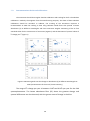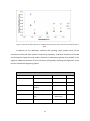
1
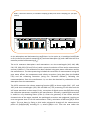
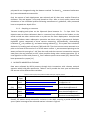
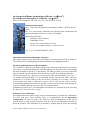
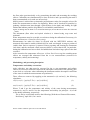
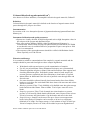
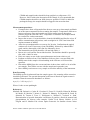
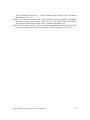
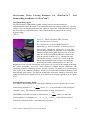
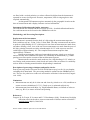
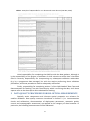
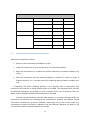
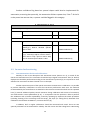
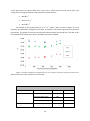
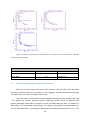
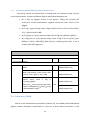
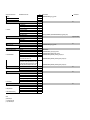
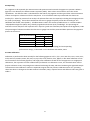
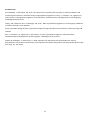
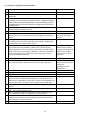
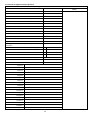
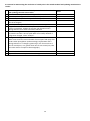
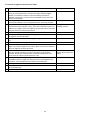
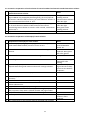
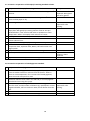
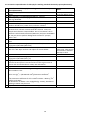
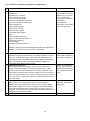
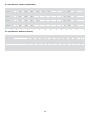
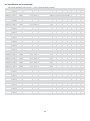
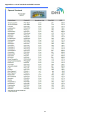
A. INSTRUMENT / METHOD CHECK 1. Sensor output check 2. Calibration 3.1.2 Before measurement Y/N After measurement Y/N Instrument wash down Y/N Instrument cleaned Y/N Date of factory calibration Y/N Factory calibration used Y/N Air tracking Y/N Last water calibration date dd/mm/yyyy Water calibration trend dd/mm/yyyy [Directory\file] Documentation of deployment parameters Deployment should be as follow: Switch on the instruments and deploy in water, Lower the instrument to 10 m and leave for 5’ to eliminate bubbles, Raise the instrument to 1 m below the surface and lower to maximum depth at 15 m/min, Raise the instrument from the maximum depth at a speed of 7 m/min or lesser. If feasible, allow for 1 or 2 minute stop at the matching depths of water samples from CTD. If following the above sampling protocol is not possible due to operational ship restrictions, the scientist in charge should note it in the QAD. The sampling profile can also be obtained a-posteriori by plotting the time vs depth of the cast. A deviation from the above routine should be checked and noted down in the QAD. Only the upcast should be used for data analysis, as it contains the data after the instrument has warmed up according to the manufacturer protocol and bubbles should have been eliminated by pressure. However, depending on the aim of the study (e.g. correlation to physical structures), downcast may be preferred. Whether the down or up cast has been chosen should be detailed in the QAD. 11