1
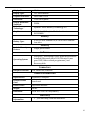
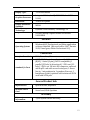
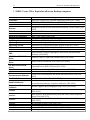
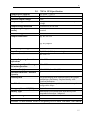
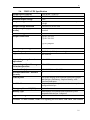
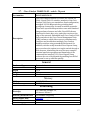
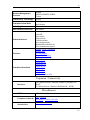
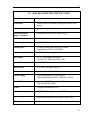
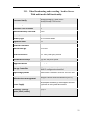
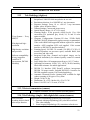
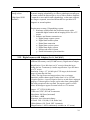
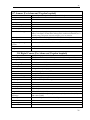
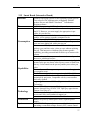
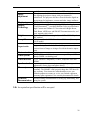
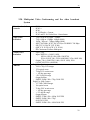
23 TELE MEDICINE PACKAGE 2.12 Tele-Radiology (digitizer) X-ray Scanner – X-ray MRI,CT Film digitized high – resolution High density resolution and precision Software compatibility & easy integrative (with PACS environment, DICOM Modality) Resolution Maximum Optical: 1000 Dots Per Inch, Maximum Interpolated: 2000 DPI with interpolation in one axis Resolution selections: 4 to 1000 DPI in 1 step increments Exposure Settings: From -18 to +600 in 3 step increments (higher values for darker films) Gamma Settings: Custom and preset curves Optical Density Range: .01-4.7 O.D. actual Scanning Modes: 16 bit grayscale (65000 levels) 12 to 8 bit conversion (256 optimized grey levels) 24, 30 and 36 color option available Computer Configurations: Pentium III class, 512Mb RAM, Win2000, WinXP, Minimum 80 gigabyte storage recommended. Video card:64Mb RAM supported modem required for modem transfers. ASPI compliant SCSI card supplied. 12-bit custom interface or DICOM 3.0 interface included. Scanning Speed: 300 DPI: 30 seconds; 150 DPI (2 X 2K): 12 seconds Dependent on processor speed, available RAM, disk access time and video card Integrated Light Box: Scanned and original images can be compared immediately for enhanced quality control of scanned images. Large Media Sizes: All transparent media up to 14 X 17 inches Operating Environment: 10-40 C (50 - 140 F), 20-80% humidity. Shock load resistance for mobile applications DICOM 3.0 Interface: RDI Xscan32 software incorporates DICOM 3.0 image transfer. Included DICOM 2.0 interface for DICOM compliant systems, PACS and teleradiology Automatic Document Feeder: Optional ADF available for high volume scanning of all types of x-ray films Weight: 34 lbs/ 14 Kg Dimensions: 26 x 22 x 4 inches, 66 x 56 x 15 CM Power: 100-250V AC/1.5A max; 47-63Hz 2.13, Tele-text transmission (camera) Computer controlled Tele text Transmit (text and graphic) 2.14, Tele-Pathology (single – slide digital slide scanner/camera) Fully automate scanning slides in batch microscope function Applications of telepathology generally are of two types: 1. Dynamic imaging telepathology (DI), also known as RealTime video imaging. 2. Static imaging telepathology (SI), sometimes referred to as 23