1
. . . . . . . . . . . . . . Technical Support
Paper
Y
ou may not think of your paper
use as an area to save energy,
but it is. Paper producers in
this country buy more than
$3.5 billion of energy each year. In
fact, every $5 ream of paper you avoid
using eliminates about $0.34 worth of
energy production and related emissions by a paper mill, not to mention
the energy spent to harvest and ship
the trees and to ship the paper to
your desk. In this section, we review
simple steps to optimize your use of
this valuable resource. You will save
money, reduce waste, and protect our
nation’s forests so they can be enjoyed
by generations to come.
Double-Sided Copying
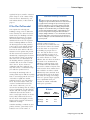
Copy machines often have the capability to automatically copy on both sides
of a piece of paper. Selecting 2-sided
copying for long documents, articles,
or drafts can instantly reduce your
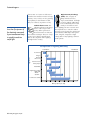
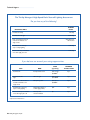
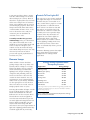
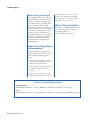
paper use without adding any associated inconvenience. For more information, see the chart on this page.
Recycled papers and other products
are rated by their “post-consumer
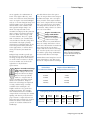
content” and “total recycled content.”
These percentages are usually in very
small print on the paper packages.
“Post-consumer content” is the more
important factor and refers to fibers
that have been used and are then
collected through recycling programs.
“Total recycled content” refers to the
total nonvirgin content of the paper,
including production scraps and postconsumer fibers. Paper does not have
to be conspicuously labeled “environmentally friendly” to have a high
recycled content, so a little research
can identify some real bargains.
Paper can have a high
recycled content even if
it is not conspicuously
labeled “environmentally
friendly.”
Double-Sided Copying Makes
Great Business Sense Because It:
• Reduces the amount and cost of paper used.
• Lowers mailing costs because the paper amount and weight
are reduced.
• Produces less paper output, which takes up less storage space
in offices.
• Often has a more professional appearance.
Recycled Paper
Many paper products currently contain
some recycled content. Recycling
allows fibers to be reused in the
production cycle so that fewer trees
are required to provide the same
amount of paper. Cardboard and
newsprint may contain as much as
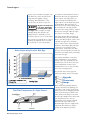
75 percent recycled content, while
standard copy paper often has less
than 5 percent recycled content.
Selecting papers with high recycled
content can be the simplest way you
can help preserve our forests.
• Reduces the environmental impacts of paper throughout the
paper production process; therefore, fewer trees are harvested,
there are lower chemical and energy inputs during pulping, and
transportation and storage costs are reduced.
• Shows a business’ commitment to environmental protection.
_______________________
Andrew Duncan, Greening of the Campus Conference Proceedings. Ball State
University, Indiana. 1996. Page 162.
Putting Energy Into Profits 55