1
Chapter 10. Counting Like a Computer
Conversions Between Binary and Decimal
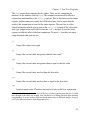
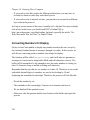
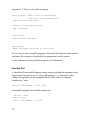
Let’s learn how to convert numbers from binary (base two) to decimal (base ten).
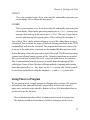
This is actually a rather simple process. If you remember, each digit stands for
some grouping of two. So, we just need to add up what each digit represents, and
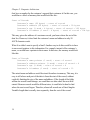
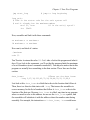
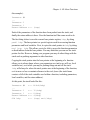
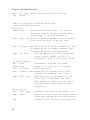
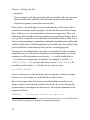
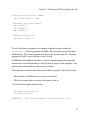
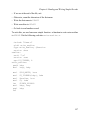
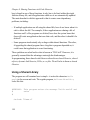
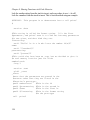
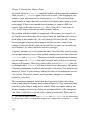
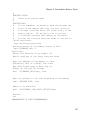
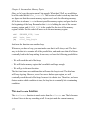
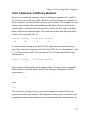
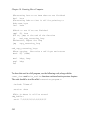
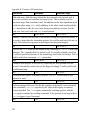
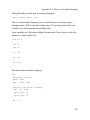
we will have a decimal number. Take the binary number 10010101. To find out
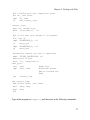
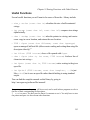
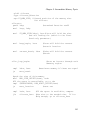
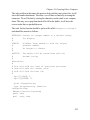
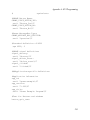
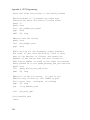
what it is in decimal, we take it apart like this:
1
0
0
1
0
1
0
1
|
|
|
|
|
|
|
|
|
|
|
|
|
|
|
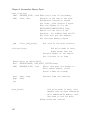
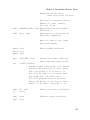
Individual units (2^0)
|
|
|
|
|
|
0 groups of 2 (2^1)
|
|
|
|
|
1 group of 4 (2^2)
|
|
|
|
0 groups of 8 (2^3)
|
|
|
1 group of 16 (2^4)
|
|
0 groups of 32 (2^5)
|
0 groups of 64 (2^6)
1 group of 128 (2^7)
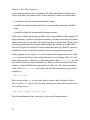
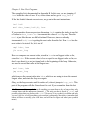
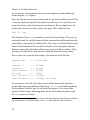
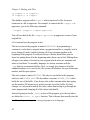
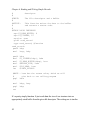
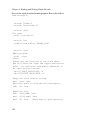
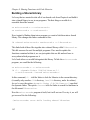
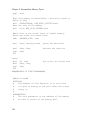
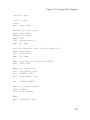
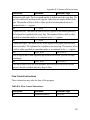
and then we add all of the pieces together, like this:
1*128 + 0*64 + 0*32 + 1*16 + 0*8 + 1*4 + 0*2 + 1*1 =
128 + 16 + 4 + 1 =
149
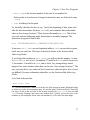
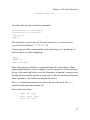
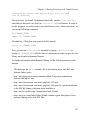
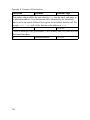
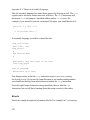
So 10010101 in binary is 149 in decimal. Let’s look at 1100101. It can be written
as
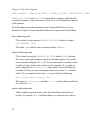
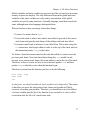
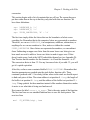
1*64 + 1*32 + 0 * 16 + 0*8 + 1*4 + 0*2 + 1*1 =
64 + 32 + 4 + 1 =
101
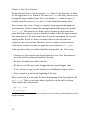
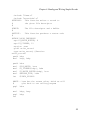
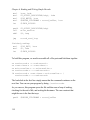
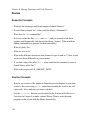
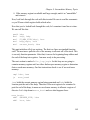
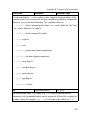
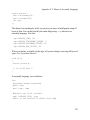
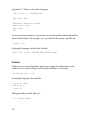
So we see that 1100101 in binary is 101 in decimal. Let’s look at one more
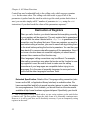
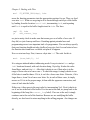
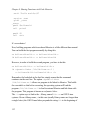
number, 11101011001001. You can convert it to decimal by doing
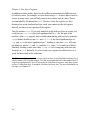
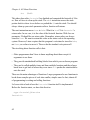
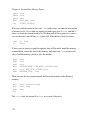
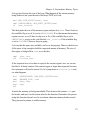
1*8192 + 1*4096 + 1*2048 + 0*1024 + 1*512 + 0*256
184