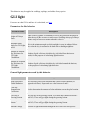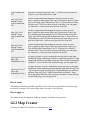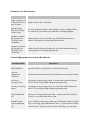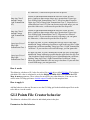
1
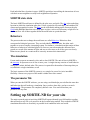
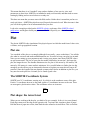
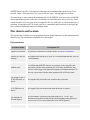
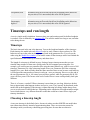
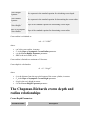
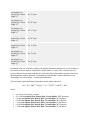
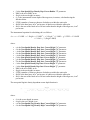
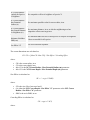
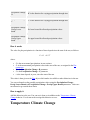
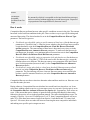
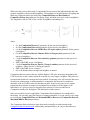
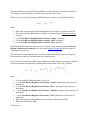
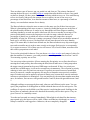
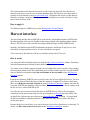
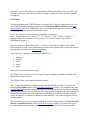
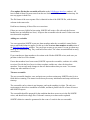
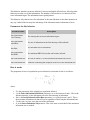
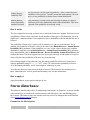
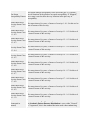
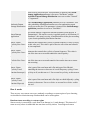
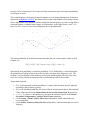
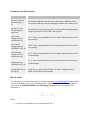
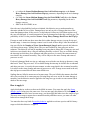
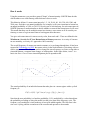
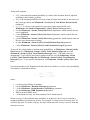
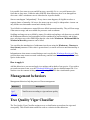
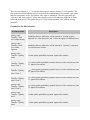
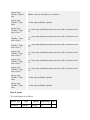
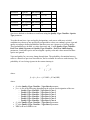
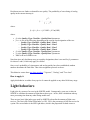
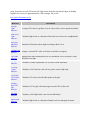
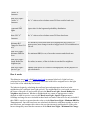
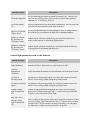
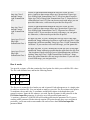
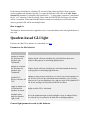
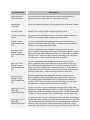
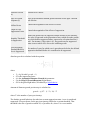
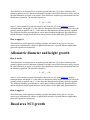
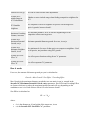
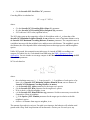
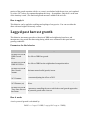
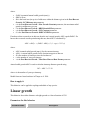
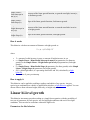
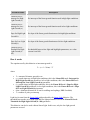
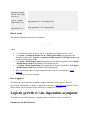
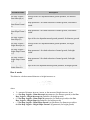
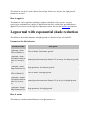
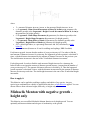
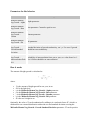
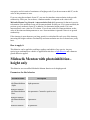
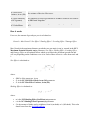
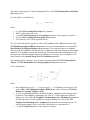
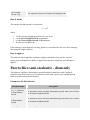
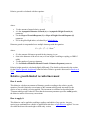
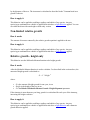
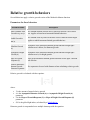
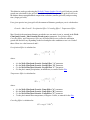
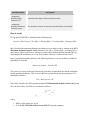
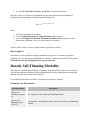
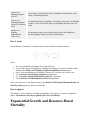
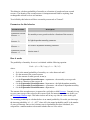
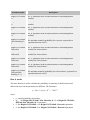
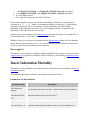
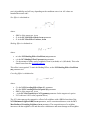
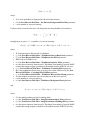
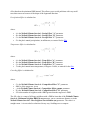
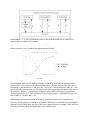
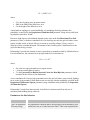
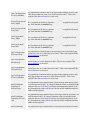
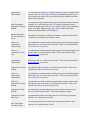
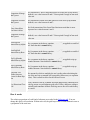
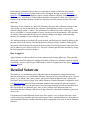
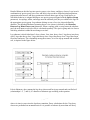
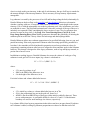
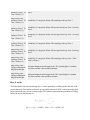
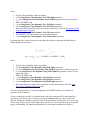
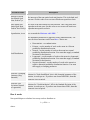
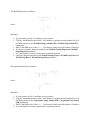
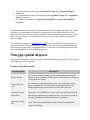
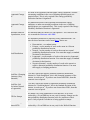
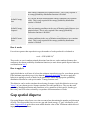
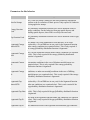
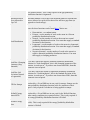
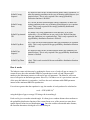
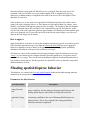
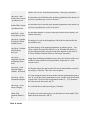
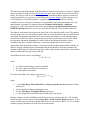
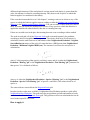
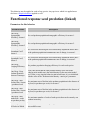
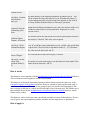
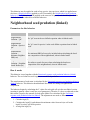
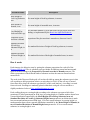
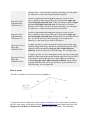
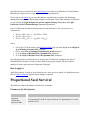
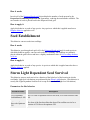
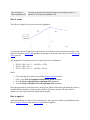
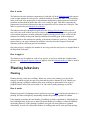
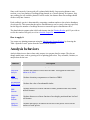
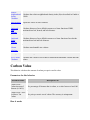
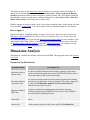
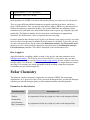
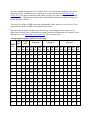
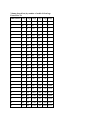
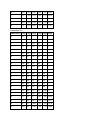
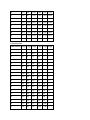
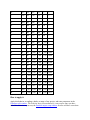
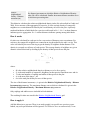
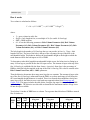
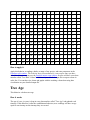
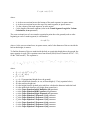
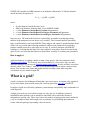
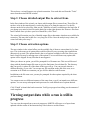
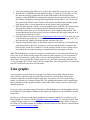
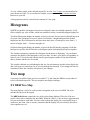
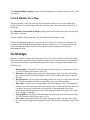
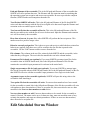
How it works The mortality rate of trees as a function of time infested is as follows: where: P is the mortality rate, between 0 and 1. I is the Insect Mortality - Intercept parameter, as a value between 0 and 1. This is the function intercept, or the mortality rate at the first timestep of infestation. Max is the Insect Mortality - Max Mortality Rate (0-1) parameter, as a value between 0 and 1. This is the maximum mortality rate that will occur regardless of how long a tree has been infested. T is the time, in years, that an individual has been infested. X0 is the Insect Mortality - X0 parameter. This is the time at which half of the maximum mortality rate is reached. Xb is the Insect Mortality - Xb parameter. This controls the steepness of the rise of the curve. Once the mortality rate for an infested individual has been determined, a random number determines whether it will live or die. The Insect Infestation behavior decides which trees become infested, and tracks the amount of time each individual has been infested. How to apply it Apply this behavior to saplings and/or adults of any species. Any tree to which this behavior is applied must also have the Insect Infestation behavior applied. Logistic bi-level mortality This behavior calculates the probability of survival according to a logistic equation, with the possibility of two sets of parameters for each species: one for high-light conditions and one for low-light conditions. This can also be used alone without the light levels. Trees killed by this behavior will have a mortality reason code of "natural". Parameters for this behavior