1
5. System Variables and Functions
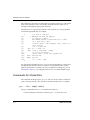
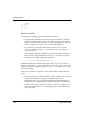
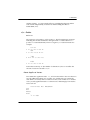
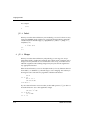
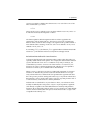
The domain for assignment to Ìrl is any integer from 1 to 2147483646 (that is,
231-2), inclusive. In a clear workspace, the default value is 16807 (which is 75).
The value of Ìrl is used in computing the result of the functions roll (monadic ?)
and deal (dyadic ?). As each pseudorandom number is generated, the seed (Ìrl)
used in the computation is changed.
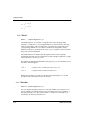
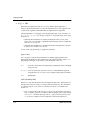
Ìrun Start N-task
The monadic system function Ìrun starts an N-task. The result is a 2-element
integer vector containing the number of the task started (when the request is
successful) or a return code indicating the nature of the trouble (when it is
unsuccessful).
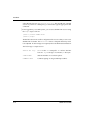
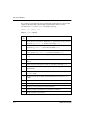
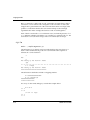
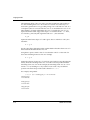
The right argument is a character vector consisting of five fields separated by
blanks. An N-task might be launched by an expression such as the following:
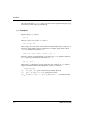
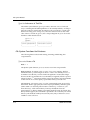
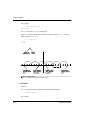
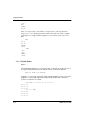
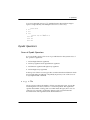
Ìrun ': 501 Analysis NCrash 40 600'
The right argument in the above example is marked by underlines to show the
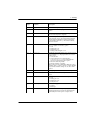
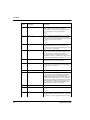
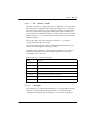
division into fields. The five fields are discussed below.
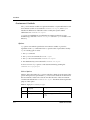
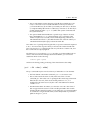
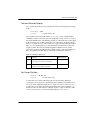
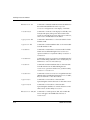
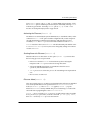
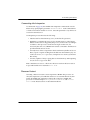
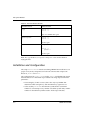
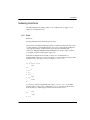
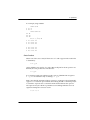
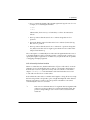
Owner
(Field 1)
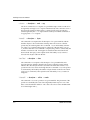
Identifies the host machine that the new task will run on and the
user number that will own the new task. Ordinarily, these will be
the same as the host machine and user that executed Ìrun. In that
case, a colon suffices (as illustrated). When the host machine is to
be different, this field begins with the name of the remote host
machine followed by an exclamation point. If the owner's account
number is to be different, the name of the remote host and
exclamation point, if present, are followed by the account
number, a colon, and user's current sign-on password (but not the
right parenthesis that accompanies sign-on to a T-task or S-task).
In any case, the field must contain a colon, but the presence of an
exclamation point is optional. In fact, the presence of an
exclamation point is only permitted if preceded by a host
machine name.
USER LIBRARY
UW-000-0902 (0009)
5–59