1
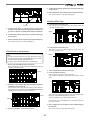
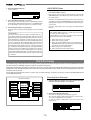
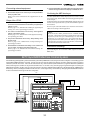
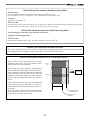
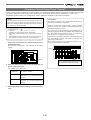
5. After completing the pre/post selection, press the [EXIT/NO]
key.
Selecting pre/post of AUX sends
The VF160 exits the channel edit mode and the display
returns to the Normal display.
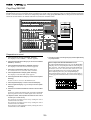
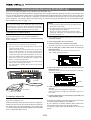
You can select whether the pre-fader or post-fader signal is fed from each channel (1 to 16) to the [AUX SEND]
jack. If you select "Post", the signal adjusted by the channel fader is sent to the effect processor, so if you lower
the channel fader, the signal sent to the effect processor is also lowered.
If you select "Pre", the signal that is not affected by the
channel fader is sent to the effect processor, so even if
you lower the channel fader to minimum, the signal can
be sent to the effect processor.
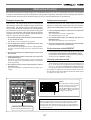
Controlling AUX SEND level
You can control send levels of channels 1 through
16 (pre- or post-fader) from the [AUX SEND] jack on
the rear panel. The master channel controls the AUX
send master level.
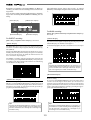
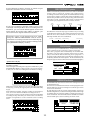
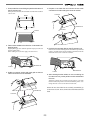
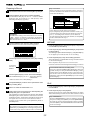
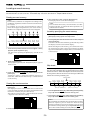
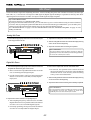
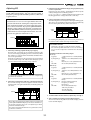
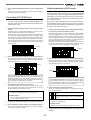
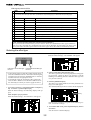
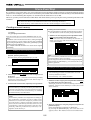
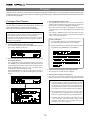
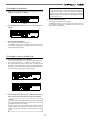
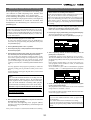
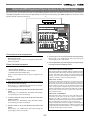
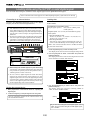
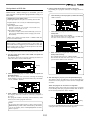
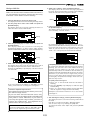
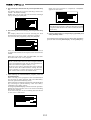
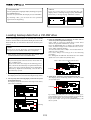
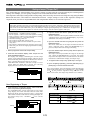
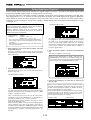
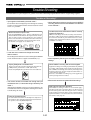
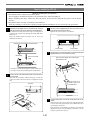
1. Press the [AUX1/AUX2] key to bring up the AUX send level
screen.
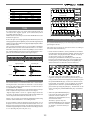
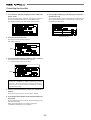
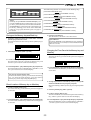
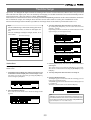
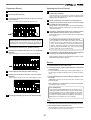
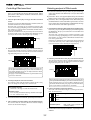
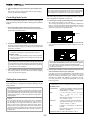
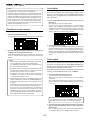
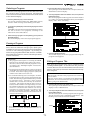
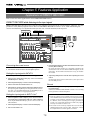
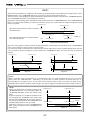
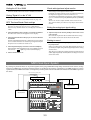
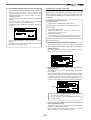
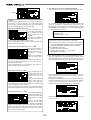
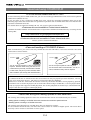
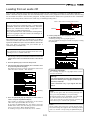
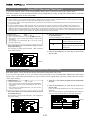
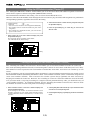
1. Press the [AUX1/AUX2] key while holding down the [SHIFT]
key to bring up the pre/post selection screen.
Each time you press the [AUX1/AUX2] key, the AUX1 send
level and AUX2 send level screens alternate.
The first time you bring up the channel parameter edit
screen, the message prompting to select a channel ("Select
CH!") flashes, as well as all the CH STATUS/CH SEL indicators on the panel flash. From the second time on, the previously selected channel is selected and ready to be edited
when bringing up the screen (as shown in the drawing of
step 2 below).
Each time you press the [AUX1/AUX2] key while holding
down the [SHIFT] key, the pre/post selection screens for
EFF1 and EFF2 alternate. The first time you bring up the
channel parameter edit screen, the message prompting to
select a channel ("Select CH!") flashes, as well as all the CH
STATUS/CH SEL indicators on the panel flash.
From the second time on, the previously selected channel
is selected and ready to be edited when bringing up the
screen (as shown in the drawing of step 2 below).
Flashing
Flashing
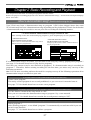
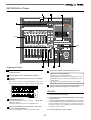
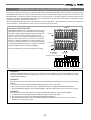
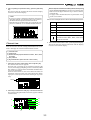
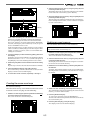
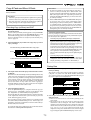
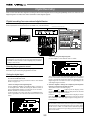
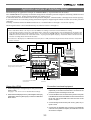
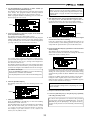
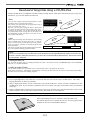
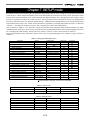
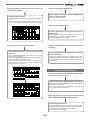
2. Press the [CH STATUS/CH SEL] key of the desired channel.
The current settings are shown, together with the selected
channel name. The icon for the selected channel is flashing, indicating that you can edit it.
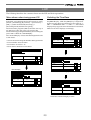
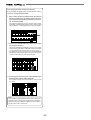
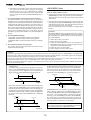
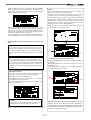
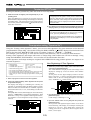
2. Press the [CH STATUS/CH SEL] key of the desired channel.
The current settings are shown, together with the selected
channel name. The icon for the selected channel is flashing, indicating that you can edit it.
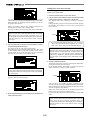
Flashing
Flashing
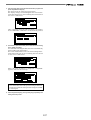
Flashing
Flashing
If two adjacent channels are fader-paired, pressing one
of the [CH STATUS/CH SEL] keys for these channels selects
both channels and you can adjust levels for both channels simultaneously. See page 138 for details about how
to pair faders of adjacent two channels.
If two adjacent channels are fader-paired, pressing one
of the [CH STATUS/CH SEL] keys for these channels selects
both channels and you can set PRE or POST for both
channels simultaneously. See page 138 for details about
how to pair faders of adjacent two channels.
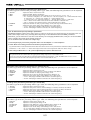
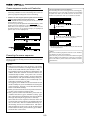
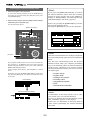
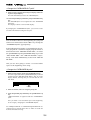
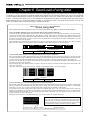
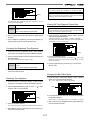
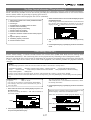
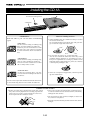
3. Use the [JOG] dial to control the send level.
The numeric value and the marker position of the rotary
pot icon change according to the current level. ("80", the
default value, is the reference level.)
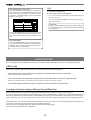
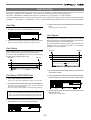
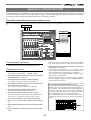
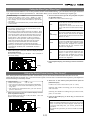
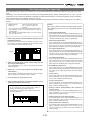
3. Use the [JOG] dial to switch the selection.
The icon color and label changes according to the selection, as shown below.
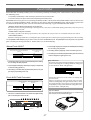
•Controllable channels:
The pre-fader signal is fed to the AUX SEND
jack.
Channels 1 through 16 and the master level.
•Available values:
The post-fader signal is fed to the AUX SEND
jack.
00 to 99 (dB), (the default setting: channels 1 through
16: “00”, master level: “80”)
•Controllable channels:
Channels 1 through 16.
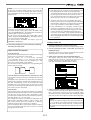
4. To set another channel's send level, repeat steps 2 and 3 above.
•Available options:
5. After completing send level editing, press the [EXIT/NO] key.
PRE or PST (post) (default: all channels: “PST”)
The VF160 exits the channel edit mode and the display
returns to the Normal display.
4. To set another channel's pre/post selection, repeat steps 2 and
3 above.
53