1
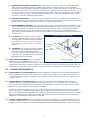
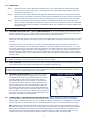
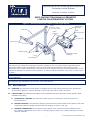
Figure 3 - Unintentional Disengagement (Roll-out)
If the connecting element that a snap hook (shown) or carabiner attaches to is undersized or irregular in shape, a situation
could occur where the connecting element applies a force to the gate of the snap hook or carabiner. This force may cause the
gate (of either a self-locking or a non-locking snap hook) to open, allowing the snap hook or carabiner to disengage from the
connecting point.
Small ring or
other
non-compatibly
shaped element
1. Force is applied to the
snap hook.
2. The gate presses against the
connecting ring.
3. The gate opens allowing the
snap hook to slip off.
DBI‑SALA connectors (snap hooks and carabiners) are designed to be used only as specified in each
product’s user’s instructions.
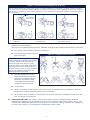
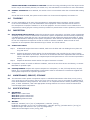
See Figure 4 for inappropriate connections. DBI‑SALA snap hooks and carabiners should not be connected:
A. To a D‑ring to which another connector is attached.
B. In a manner that would result in a
load on the gate.
Figure 4 - Inappropriate Connections
NOTE: Large throat snap hooks should
not be connected to standard size D‑rings
or similar objects which will result in a
load on the gate if the hook or D‑ring
twists or rotates. Large throat snap hooks
are designed for use on fixed structural
elements such as rebar or cross members
that are not shaped in a way that can
capture the gate of the hook.
C. In a false engagement, where
features that protrude from the
snap hook or carabiner catch on
the anchor and without visual
confirmation seems to be fully
engaged to the anchor point.
D. To each other.
E. Directly to webbing or rope lanyard or tie-back (unless the manufacturer’s instructions for both the
lanyard and connector specifically allows such a connection).
F. To any object which is shaped or dimensioned such that the snap hook or carabiner will not close and
lock, or that roll-out could occur.
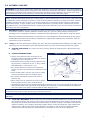
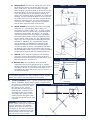
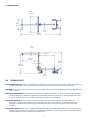
2.4 Installation LOAD: The surface on which the Perimeter Limiter is installed must be capable of
supporting the weight of the unit and fall arrest loads. The maximum static load is 470 lbs. (213 kg), the
maximum foot pad loading during fall arrest for one user is 1,200 lbs. (545 kg) and 2000 lbs. (900 kg) for
two users. See section 7, for the weight of each Perimeter Limiter model.