1
Translating Compound Nouns in User Manuals: A Study of the Strategies Employed in the Rendering of
Technical Language
Lone Secher Wingreen Christensen
comprehensibility of one translation compared to another. In the literature review pertaining to
this thesis, it was also mentioned that Andreassen (2010) had made a similar conclusion in her
study of compound nouns. It is interesting that two independent studies of compound nouns
should conclude the same thing, namely that context is important to understanding, and we must
consider these two studies to support each other in that conclusion.
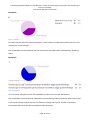
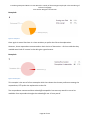
When considering the results of the quantitative part and the qualitative part of this thesis, it
seems that they coincide very well in their findings. The qualitative part showed us that the most
common strategies for the translation of CNs are straightforward translation and rewording,
straightforward translation being the more frequent of the two. Then, when the quantitative part
is considered, it seems to acknowledge the fact that the respondents generally tended to prefer a
direct, or straightforward, form of translation slightly to a rewording, or explanation, of the CN.
This appears to indicate that the translators who translated the user manuals used as data for this
thesis have, in general, chosen good strategies when it comes to comprehensibility as both
translators and readers seem to prefer a fairly direct form of translation, and in more complex
cases a rewording, which is what the translators seem to be doing. It would seem that as far as the
skopos of the user manuals is concerned, the translators also seem to be doing a good job as we
must assume that an agreement between what is actually done and what the respondents prefer
must mean that the translation of the CNs is affecting the comprehensibility of the manuals in a
positive direction. This should mean that the translation of the CNs is also aiding in fulfilling the
skopos of these translated manuals.
Page 99 of 143