1
Chapter 10
Frame API for LabVIEW
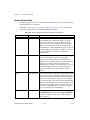
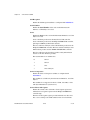
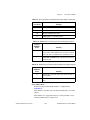
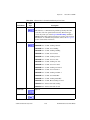
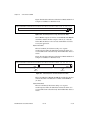
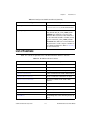
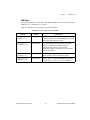
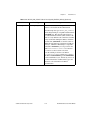
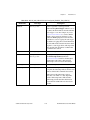
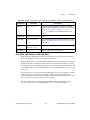
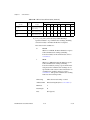
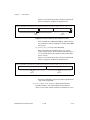
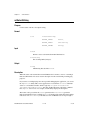
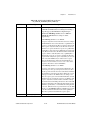
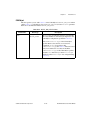
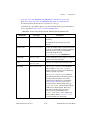
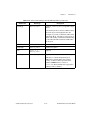
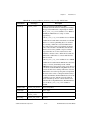
This value applies to Series 1 and Series 2 CAN cards, but is typically
used with Series 1 CAN cards only. If all of the CAN cards are
Series 2, the 20 MHz timebase is preferable due to the lack of drift.
If you are using a mix of Series 1 and Series 2 CAN cards, you must
use the 10 Hz Resync Clock.
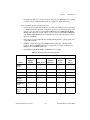
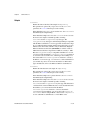
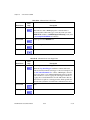
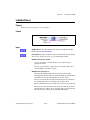
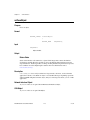
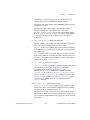
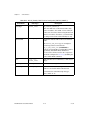
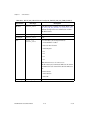
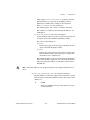
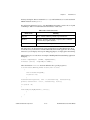
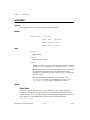
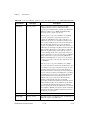
Start Trigger
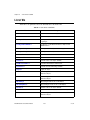
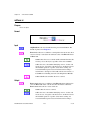
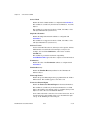
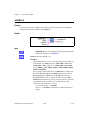
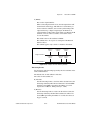
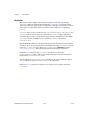
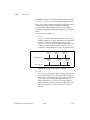
Start Trigger selects the start trigger, the event that starts
communication for all CAN objects on the same port. The start trigger
occurs on the first low-to-high transition of the source terminal.
The start trigger is the same for all CAN Objects using a given
interface, as specified by the ObjName input to ncOpen.vi.
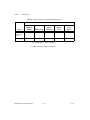
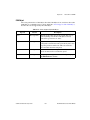
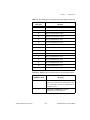
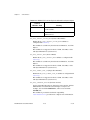
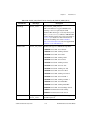
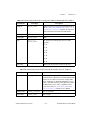
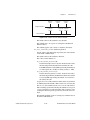
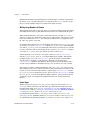
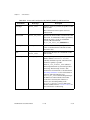
By selecting RTSI0 to RTSI6, or PXI_Star for PXI hardware, as the
source terminal, you route the start trigger from another CAN, LIN,
or DAQ card. This ensures that sampling begins at the same time on
both cards. For example, you can synchronize with an E Series DAQ
MIO card by routing the AI start trigger of the MIO card to a RTSI line
and then routing the same RTSI line with Start Trigger as the
destination terminal on the CAN card.
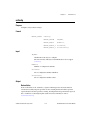
The default (disconnected) state of this destination means the start
trigger occurs when communication begins on the interface.
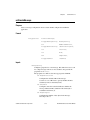
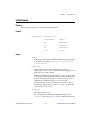
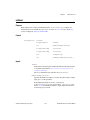
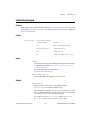
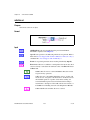
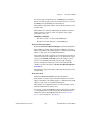
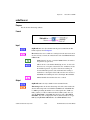
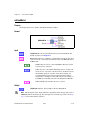
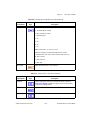
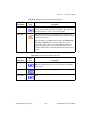
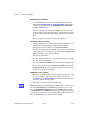
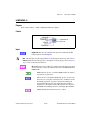
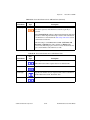
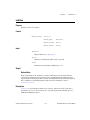
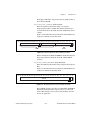
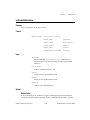
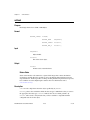
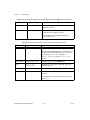
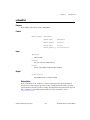
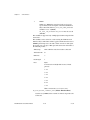
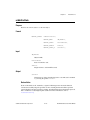
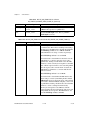
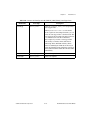
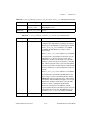
modifiers provides optional connection information for certain
source/destination pairs. The current release of NI-CAN does not use this
information for any source/destination pair, so modifiers must be left
unwired.
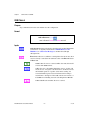
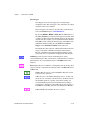
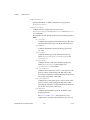
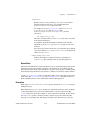
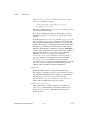
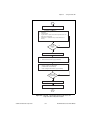
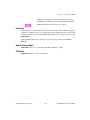
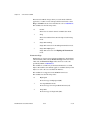
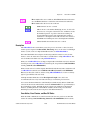
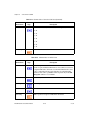
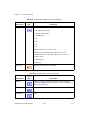
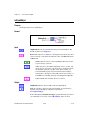
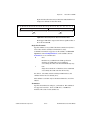
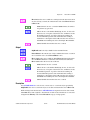
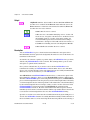
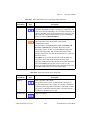
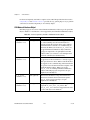
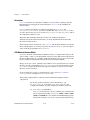
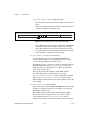
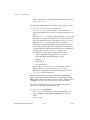
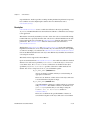
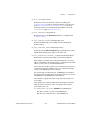
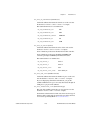
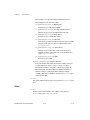
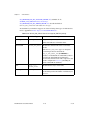
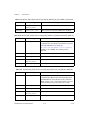
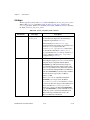
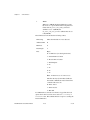
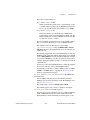
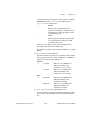
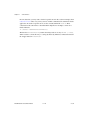
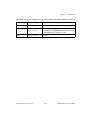
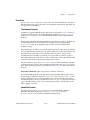
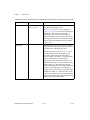
Error in describes error conditions occurring before the VI executes. If an
error has already occurred, the VI returns the value of the Error in cluster
in Error out.
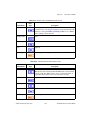
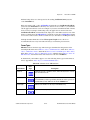
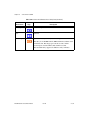
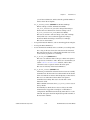
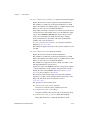
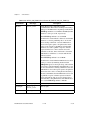
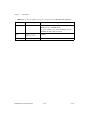
status is True if an error occurred. If status is True, the VI does
not perform any operations.
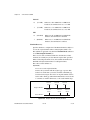
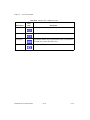
code is the error code number identifying an error. A value of 0
means success. A negative value means error: VI did not execute
the intended operation. A positive value means warning: VI
executed intended operation, but an informational warning is
returned. For a description of the code, wire the error cluster to a
LabVIEW error-handling VI, such as the Simple Error Handler.
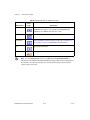
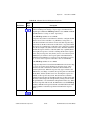
source identifies the VI where the error occurred.
© National Instruments Corporation
10-37
NI-CAN Hardware and Software Manual