Download Standard Operating Procedures

Transcript
4
NORIG SOP Part IV: Standards of Care
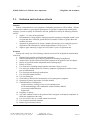
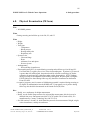
2. New patient
Nuclear medicine
Gastric emptying scintigraphy (Solid phase - % retention at 0, 0.5, 1, 2, 3, 4 hrs). Must have
been done at a GpCRC clinical center within 2 years prior to registration. Required
standardized test meal and test procedures are outlined in NORIG SOP Part I: Clinical
Center Operations.
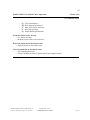
Other tests which may be obtained
Electrogastrogram by fast Fourier and/or signal averaging analysis
With meal – water load, Ensure, or egg sandwich
13
C-Spirulina breath test
Antroduodenal manometry (to exclude associated small intestinal dysmotility)
Small bowel radiographic examination (to exclude mechanical lesions of the small intestine):
Small Bowel Follow-Through, Enteroclysis, Computer Tomographic Enterography
Small intestinal transit testing: Scintigraphy, small intestinal barium series, lactulose breath
testing
Hydrogen breath testing (to exclude small intestinal bacterial overgrowth)
Sitzmarker study, in patients with lower bowel complaints
Anal manometry and/or anal EMG, balloon evacuation
Urodynamic evaluation, in patients with urinary symptoms
Psychometric and quality of life measures, including
Gastroparesis Cardinal Symptom Index (GCSI), Brief Pain Inventory (PI), (Beck Depression
Inventory (BDI-II), health survey (SF-36) and Patient Assessment of Upper
Gastrointestinal Disorders Symptom Severity Index (PAGI-SYM)
Autonomic testing – standard cholinergic and adrenergic or 24 hour Holter for heart rate
variability, giving an assessment of high and low frequency power
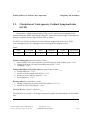
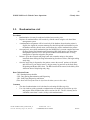
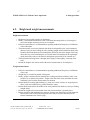
Treatment
• The general principles for treatment of idiopathic gastroparesis are to (1) correct fluid,
electrolyte, and nutritional deficiencies; (2) identify and rectify the underlying cause of
gastroparesis if possible; and (3) reduce symptoms4.
• The patient’s medication list should be reviewed to eliminate drugs that might exacerbate the
underlying dysmotility disorder or prevent the beneficial actions of a prokinetic agent.
• Primary treatment of idiopathic gastroparesis includes dietary manipulation and the
administration of antiemetic and/or prokinetic therapies.
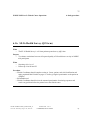
• A baseline gastroparetic instruction sheet will be given to the patients with suggestions to
follow. Additional treatments for refractory symptoms or if pain is a dominant symptom
may include the use of tricyclic antidepressants and/or analgesic medications. Occasionally
newer agents (Cymbalta or Lyrica) are tried on an off label basis.
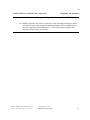
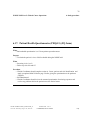
• For relatively mild disease, dietary modifications and intermittent administration of a lowdose antiemetic or prokinetic agent may provide satisfactory control of symptoms.
GPCRC\Notebooks2/NORIG SOPIV\Manall_8
10:39 Friday, 18 April 2008/hll
NORIG SOP IV
Confidential, not for citation
Npatient