1
CHAPTER TWO: The Clinical Guidelines – *Reportable Conditions
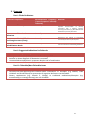
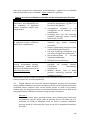
* Regular data submission is required for these 6 conditions based on their Clinical Indicators
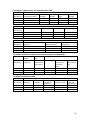
Diabetes Mellitus
1
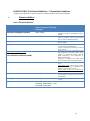
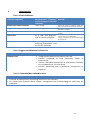
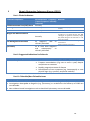
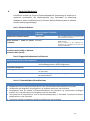
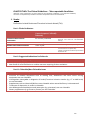
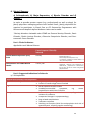
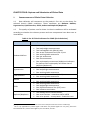
Part I: Clinical Indicators
Essential Components
•
•
Glycated Haemoglobin (HbA1c)
Recommended Frequency Remarks
(*more frequent if clinically
indicated)
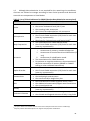
General HbA1c target of ≤7.0%, but target of
Twice a year
Blood Pressure Measurement
Twice a year
Weight and BMI Assessment
Twice a year
Lipid Profile
Annually
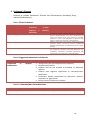
Nephropathy Assessment
Serum Cr and eGFR, and
Urine Albumin-Creatinine (uACR)
Annually
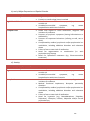
Eye Assessment
Annually
Foot Assessment
Annually
Smoking Assessment
Annually
Cardiac Assessment
At
diagnosis
before
initiating medications, and
as clinically indicated
treatment should be personalised (e.g. for
elderly)
General BP target of <140/90 mmHg, but
target of treatment should be personalised
(e.g. for patients with Nephropathy)
2
Keep <25kg/m (For Asian population, keep
2
BMI < 23 kg/m ).
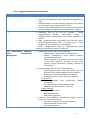
All patients should be risk stratified (as
recommended in the Lipids CPG)
Targets of treatment should be personalised
by levels of risk
Good glycaemic control and good BP control
with Angiotensin Converting Enzyme (ACE)
inhibitor or Angiotensin Receptor Blocker
(ARB) preferred to slow progression of
Diabetic Nephropathy.
Submission of readings of Cr, eGFR, uACR
required only for patients with Nephropathy.
Includes retinal photography and visual
acuity
Patients with T1 DM: First assessment within
3-5 years after diagnosis of diabetes once
patient is aged ten years or older.
Patients with T2 DM: First assessment at
diagnosis.
Screen for peripheral neuropathy, peripheral
vascular disease, or bone, joint, skin and nail
abnormalities
Estimated sticks/day (zero for non- or exsmoker)
Includes baseline ECG
8