1
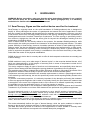
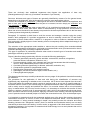
5.5 TREATMENT FILE
It has been pointed out several times that the different reactions that may occur during thermal
treatments, and thus also SmarTherapy, generally depends on the individual characteristics of the
patient and lesion (and the status of the lesion). The devices uses the temperature measurements and
the corrections carried out by the internal program to compensate in most cases the control element,
which must be monitored by the operator or therapist carrying out the therapy.
Many therapists rely on their memory and leverage the experience acquired with different patients,
while others prefer to record the treatment notes in a file.
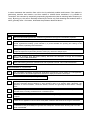
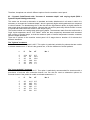
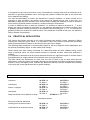
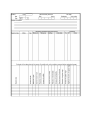
The file provided below enables to record all the information that is considered more relevant for
SmarTherapy, the results obtained, etc.
This information is not scientific, but rather pre-scientific in that it its aim is not to support knowledge,
but rather experience.
Therapists can also prepare a customized file in order to record the information they deem more
useful, which may vary from those recommended. The items included in this example file are those
that generally enable to realistically determine whether a specific SmarTherapy treatment has yielded
the expected results and can therefore be used for similar cases.
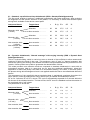
In this file the patient is simply identified by means of a code, because the actual association between
the code and name is registered elsewhere.
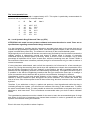
The patient's build and life style can be classified using 5 different levels. The build is also identified in
function of the presence of muscular and fatty surfaces. Each box is divided into two in order to allow
the therapist to insert the related marks.
The "lesion data" section can obviously be used to provide information on the diagnosis and
recommended therapy, but may also contain information that is deemed significant for a specific case.
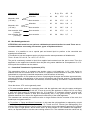
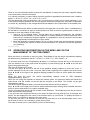
The sensation of pain perceived by the patient during the session is simply recorded using four
different levels. This may be useful to allow the therapist to adjust the values during the therapy and to
verify if the selected intensity is well tolerated, if used for several patients.
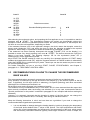
The last section of the table can be used to enter information on the brief evaluation carried out prior
to the treatment (that is excluding the short-term effects resulting from the therapy) in order to assess
the general trend of the therapy.
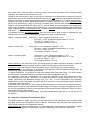
This section contains information on four elements (that are not all necessarily applicable) with three
levels each (the fourth element, which corresponds to "no comments" and is not present in this
example, must be used when no checkmarks are entered).
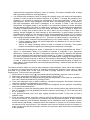
The therapist who has performed the treatment should ideally enter his initials next to the information,
so that each therapist is informed of the actions of his colleagues. A systematic difference in the
positioning of the applicator, for example, may result in significant differences at a treatment level.