1
2) Material Information
2.1)
Material - cost and availability
None.
3) Lubricant
3.1)
General
Foreign particles formed during combustion are suspended in the motor oil. Together with oil components that are
not sufficiently resistant to heat, these foreign particles can cause parts such as pistons, piston rings, exhaust
valves, etc., to seize and lead to problems.
On turbocharged engines, failing to ensure an adequate cool-down period prior to shut-off may lead to particle
deposits and cause damage to bearings and seals. Hard oil residues can obstruct parts of the oil system and lead
to damage.
- In addition to insufficient cool-down periods, the use of unsuitable oils and not obeying oil change intervals can
especially cause such damage.
- Long-term operation with an engine that is too cold and operating too long with an overly rich fuel mixture
can cause water and fuel contamination in the oil, reducing its lubrication capacity.
- Furthermore, long down times with oil that contains water and contaminants can cause corrosion damage,
especially on the bearings, with serious consequential damage.
The criteria for correct motor oil selection are:
- Correct oil viscosity for cold starts and sufficient oil pressure at high temperatures.
- Good gear wear protection.
- Avoidance of clutch slipping due to incorrect additives.
- Insufficient oil flow capability so that too much volume remains in the engine, leading to low oil level in the
external oil tank. This can only be detected during testing with an oil level indicator installed on the oil tank.
- Ability to withstand combustion products containing lead, which enter the oil during AVGAS operation.
- High oil temperature durability. This is especially important for the turbo engine due to the risk of oil carbon
build-up on the bearing and sealing seats of the turbocharger. The oil carbon build-up (coking) can also flake
off and block/restrict the oil return passage.
Conclusions
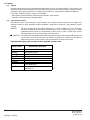
- If possible, operate the listed engine types using unleaded or low-lead fuel. (AVAGS 100 LL is not considered
low leaded in this context.)
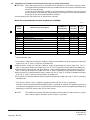
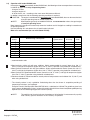
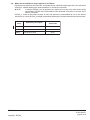
- Use the recommended motor oils according to sections 3.2 and 3.3 of this Service Instruction.
- Use only oil with API classification „SG“ or higher!
- Due to high stresses in the reduction gears, oils with gear additives such as good quality 4 stroke motorcycle
oils are highly recommended.
- Because of the incorporated friction clutch, oils with friction modifier additives are unsuitable because this could
result in clutch slipping during standard operation.
- Heavy duty, semi- or fully synthetic (depending on fuel type used) brand name oils offer many advantages
and are generally the best choice.
- Avoid oils designed strictly for use in Diesel engines. These may not be suitable due to insufficient high
temperature properties and additives that may affect the operation of the slipper clutch in the gear box.
- In case of severe operating conditions (i.e., flight school, towing, near-idle operation over a long period, overuse of carburetor preheating, etc.) the time between maintenance intervals must be generally shorter and in
particular, the frequency of oil changes must be increased regardless of the type of fuel mainly used (MOGAS
or AVGAS).
- On turbocharged engines, always conduct a cool-down run before shutting down in accordance with the
relevant Operators Manual.
- Careful attention to engine operation tips (see section 6).
APRIL 07th, 2008
Copyright - ROTAX®
SI-912-016 R1
SI-914-019 R1
page 2 of 10