1
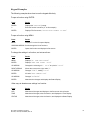
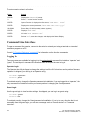
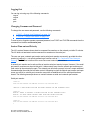
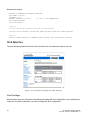
XLi Time & Frequency System
User Guide
Issue 8- June 2008
Manual Part Number: XLi-User Manual
CD Part Number: Xli-Man-CD
XLi Time & Frequency System
XLi-man, Issue 8, 6/17/08, Rev. H
Notices
Symmetricom, Inc.
Timing Test & Measurement
3750 Westwind Blvd.
Santa Rosa, CA 95403-1053
http://www.symmetricom.com
Copyright © 2008, Symmetricom, Inc.
All rights reserved. Printed in U.S.A.
All product names, service marks, trademarks, and registered trademarks
used in this document are the property of their respective owners.
The manual’s contents do not apply to previously released versions of XLi hardware or
software.
ii
XLi Time & Frequency System
XLi-man, Issue 8, 6/17/08, Rev H
S
S
S
S
S
S
S
S
S
S
S
S
S
S
S
S
S
S
S
S
S
S
S
S
S
S
S
S
S
S
S
S
S
S
S
S
S
S
S
S
Table of Contents
1: Equipment Overview . . . . . . . . . . . . . . . . . . . . . . . . . . . . . . . . . . . . . . . . . . . . . . . . . . 1
XLi Time and Frequency System Description and Features . . . . . . . . . . . . . . . . . . . 1
Features and Options . . . . . . . . . . . . . . . . . . . . . . . . . . . . . . . . . . . . . . . . . . . . . . 1
Clock Architecture . . . . . . . . . . . . . . . . . . . . . . . . . . . . . . . . . . . . . . . . . . . . . . . . . . . 3
2: System Specifications . . . . . . . . . . . . . . . . . . . . . . . . . . . . . . . . . . . . . . . . . . . . . . . . . 5
Mechanical/Environmental . . . . . . . . . . . . . . . . . . . . . . . . . . . . . . . . . . . . . . . . . . . . . 5
AC Power Supply . . . . . . . . . . . . . . . . . . . . . . . . . . . . . . . . . . . . . . . . . . . . . . . . . . . . 5
System Time & Frequency Accuracy . . . . . . . . . . . . . . . . . . . . . . . . . . . . . . . . . . . . . 6
GPS Receiver . . . . . . . . . . . . . . . . . . . . . . . . . . . . . . . . . . . . . . . . . . . . . . . . . . . . 6
Time Code Input . . . . . . . . . . . . . . . . . . . . . . . . . . . . . . . . . . . . . . . . . . . . . . . . . 6
Have Quick Input . . . . . . . . . . . . . . . . . . . . . . . . . . . . . . . . . . . . . . . . . . . . . . . . 7
1 PPS Input . . . . . . . . . . . . . . . . . . . . . . . . . . . . . . . . . . . . . . . . . . . . . . . . . . . . . 7
Aux Ref Input . . . . . . . . . . . . . . . . . . . . . . . . . . . . . . . . . . . . . . . . . . . . . . . . . . . 7
Chassis . . . . . . . . . . . . . . . . . . . . . . . . . . . . . . . . . . . . . . . . . . . . . . . . . . . . . . . . . . . . 7
Standard Inputs and Outputs . . . . . . . . . . . . . . . . . . . . . . . . . . . . . . . . . . . . . . . . . . . . 8
Serial I/O Port . . . . . . . . . . . . . . . . . . . . . . . . . . . . . . . . . . . . . . . . . . . . . . . . . . . 8
NET – Network Port . . . . . . . . . . . . . . . . . . . . . . . . . . . . . . . . . . . . . . . . . . . . . . 8
J1 Input – Time Code or Time Interval - Event Time . . . . . . . . . . . . . . . . . . . . . 9
J2 Output – Rate Out or Programmable Pulse Output . . . . . . . . . . . . . . . . . . . 10
J3 Input – Auxiliary Reference or Frequency Measurement . . . . . . . . . . . . . . 10
1 PPS – Pulse Per Second Output . . . . . . . . . . . . . . . . . . . . . . . . . . . . . . . . . . . 11
CODE – Time Code Output . . . . . . . . . . . . . . . . . . . . . . . . . . . . . . . . . . . . . . . 11
ALARM Output . . . . . . . . . . . . . . . . . . . . . . . . . . . . . . . . . . . . . . . . . . . . . . . . . 12
Time Code Output IRIG-B120 w/ IEEE1344 . . . . . . . . . . . . . . . . . . . . . . . . . . 12
OUTPUT: . . . . . . . . . . . . . . . . . . . . . . . . . . . . . . . . . . . . . . . . . . . . . . . . . . 13
Time Code Output IRIG-B000 w/ IEEE1344 . . . . . . . . . . . . . . . . . . . . . . . . . . 13
OUTPUT: . . . . . . . . . . . . . . . . . . . . . . . . . . . . . . . . . . . . . . . . . . . . . . . . . . 14
Time Code Input IRIG-B120 w/ IEEE1344 . . . . . . . . . . . . . . . . . . . . . . . . . . . 14
INPUT: . . . . . . . . . . . . . . . . . . . . . . . . . . . . . . . . . . . . . . . . . . . . . . . . . . . . 15
Time Code Input IRIG-B000 w/ IEEE1344 . . . . . . . . . . . . . . . . . . . . . . . . . . . 15
Manual Leap Second Entry . . . . . . . . . . . . . . . . . . . . . . . . . . . . . . . . . . . . . . . . 16
HaveQuick TFOM . . . . . . . . . . . . . . . . . . . . . . . . . . . . . . . . . . . . . . . . . . . . . . . 16
Certifications . . . . . . . . . . . . . . . . . . . . . . . . . . . . . . . . . . . . . . . . . . . . . . . . . . . . . . . 17
2
1
5
3: Installation/Configuration . . . . . . . . . . . . . . . . . . . . . . . . . . . . . . . . . . . . . . . . . . . . 19
Installing the GPS Antenna . . . . . . . . . . . . . . . . . . . . . . . . . . . . . . . . . . . . . . . . . . . 19
Selecting a GPS Antenna Site Outdoors . . . . . . . . . . . . . . . . . . . . . . . . . . . . . . 19
Mounting the GPS Antenna . . . . . . . . . . . . . . . . . . . . . . . . . . . . . . . . . . . . . . . . 19
Connecting the Antenna to the Receiver . . . . . . . . . . . . . . . . . . . . . . . . . . . . . . 20
GPS Signal Strength Requirements . . . . . . . . . . . . . . . . . . . . . . . . . . . . . . . . . . 21
GPS-related Accessories . . . . . . . . . . . . . . . . . . . . . . . . . . . . . . . . . . . . . . . . . . 22
Lightning Arrestor . . . . . . . . . . . . . . . . . . . . . . . . . . . . . . . . . . . . . . . . . . . 22
XLi Time & Frequency System
XLi-man, Issue 8, 6/17/2008, Rev. H
iii
S
S
S
S
S
S
S
S
S
S
S
S
S
S
S
S
S
S
S
S
S
S
S
S
S
S
S
S
S
S
S
S
S
S
S
S
S
S
S
S
Antenna Splitter . . . . . . . . . . . . . . . . . . . . . . . . . . . . . . . . . . . . . . . . . . . . . .22
In-Line Antenna Amplifier . . . . . . . . . . . . . . . . . . . . . . . . . . . . . . . . . . . . .22
Making Additional Connections . . . . . . . . . . . . . . . . . . . . . . . . . . . . . . . . . . . . . . . .23
Connecting the Power Supply . . . . . . . . . . . . . . . . . . . . . . . . . . . . . . . . . . . . . . . . . .23
Configuring Network Settings . . . . . . . . . . . . . . . . . . . . . . . . . . . . . . . . . . . . . . . . . .24
Configuring the Time Display . . . . . . . . . . . . . . . . . . . . . . . . . . . . . . . . . . . . . . . . . .24
Using the Command Line Interface . . . . . . . . . . . . . . . . . . . . . . . . . . . . . . . . . . . . . .26
Connecting to the Serial Port . . . . . . . . . . . . . . . . . . . . . . . . . . . . . . . . . . . . . . .26
Connecting to the Network Port (TELNET) . . . . . . . . . . . . . . . . . . . . . . . . . . .27
Using the Web Interface . . . . . . . . . . . . . . . . . . . . . . . . . . . . . . . . . . . . . . . . . . . . . .27
Installing or Removing Option Cards . . . . . . . . . . . . . . . . . . . . . . . . . . . . . . . . . . . .28
Additional Configuration . . . . . . . . . . . . . . . . . . . . . . . . . . . . . . . . . . . . . . . . . . . . . .28
Standard XLi . . . . . . . . . . . . . . . . . . . . . . . . . . . . . . . . . . . . . . . . . . . . . . . . . . .29
XLi with a GPS Reference . . . . . . . . . . . . . . . . . . . . . . . . . . . . . . . . . . . . . . . . .30
XLi with GPS and Time Code References . . . . . . . . . . . . . . . . . . . . . . . . . . . . .30
XLi with two optional GPS receivers . . . . . . . . . . . . . . . . . . . . . . . . . . . . . . . . .30
Installing the Expansion Module . . . . . . . . . . . . . . . . . . . . . . . . . . . . . . . . . . . .31
Verifying Antenna Installation . . . . . . . . . . . . . . . . . . . . . . . . . . . . . . . . . . . . . .31
Rack Mounting the XLi . . . . . . . . . . . . . . . . . . . . . . . . . . . . . . . . . . . . . . . . . . . . . . .31
1
4: User Interfaces . . . . . . . . . . . . . . . . . . . . . . . . . . . . . . . . . . . . . . . . . . . . . . . . . . . . . .33
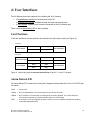
Card Positions . . . . . . . . . . . . . . . . . . . . . . . . . . . . . . . . . . . . . . . . . . . . . . . . . . . . . .33
Alarm Status LED . . . . . . . . . . . . . . . . . . . . . . . . . . . . . . . . . . . . . . . . . . . . . . . . . . .33
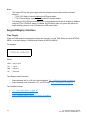
Keypad/Display Interface . . . . . . . . . . . . . . . . . . . . . . . . . . . . . . . . . . . . . . . . . . . . .34
Time Display . . . . . . . . . . . . . . . . . . . . . . . . . . . . . . . . . . . . . . . . . . . . . . . . . . .34
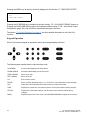
Status Display . . . . . . . . . . . . . . . . . . . . . . . . . . . . . . . . . . . . . . . . . . . . . . . . . . .35
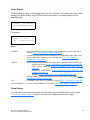
Menu Display . . . . . . . . . . . . . . . . . . . . . . . . . . . . . . . . . . . . . . . . . . . . . . . . . . .35
Keypad Operation . . . . . . . . . . . . . . . . . . . . . . . . . . . . . . . . . . . . . . . . . . . . . . . .36
Keypad Examples . . . . . . . . . . . . . . . . . . . . . . . . . . . . . . . . . . . . . . . . . . . . . . . .37
Command Line Interface . . . . . . . . . . . . . . . . . . . . . . . . . . . . . . . . . . . . . . . . . . . . . .38
Logging In . . . . . . . . . . . . . . . . . . . . . . . . . . . . . . . . . . . . . . . . . . . . . . . . . . . . .38
Operator Login . . . . . . . . . . . . . . . . . . . . . . . . . . . . . . . . . . . . . . . . . . . . . .38
Guest Login . . . . . . . . . . . . . . . . . . . . . . . . . . . . . . . . . . . . . . . . . . . . . . . . .38
Logging Out . . . . . . . . . . . . . . . . . . . . . . . . . . . . . . . . . . . . . . . . . . . . . . . . . . . .39
Changing Username and Password . . . . . . . . . . . . . . . . . . . . . . . . . . . . . . . . . .39
Session Time-out and Priority . . . . . . . . . . . . . . . . . . . . . . . . . . . . . . . . . . . . . .39
Web Interface . . . . . . . . . . . . . . . . . . . . . . . . . . . . . . . . . . . . . . . . . . . . . . . . . . . . . . .40
User Privileges . . . . . . . . . . . . . . . . . . . . . . . . . . . . . . . . . . . . . . . . . . . . . . . . . .40
Sessions . . . . . . . . . . . . . . . . . . . . . . . . . . . . . . . . . . . . . . . . . . . . . . . . . . . . . . .41
User Names and Passwords . . . . . . . . . . . . . . . . . . . . . . . . . . . . . . . . . . . . . . . .41
Logging In . . . . . . . . . . . . . . . . . . . . . . . . . . . . . . . . . . . . . . . . . . . . . . . . . . . . .41
Navigating . . . . . . . . . . . . . . . . . . . . . . . . . . . . . . . . . . . . . . . . . . . . . . . . . . . . .41
Submitting Changes . . . . . . . . . . . . . . . . . . . . . . . . . . . . . . . . . . . . . . . . . . . . . .42
Logging Out . . . . . . . . . . . . . . . . . . . . . . . . . . . . . . . . . . . . . . . . . . . . . . . . . . . .42
Notes . . . . . . . . . . . . . . . . . . . . . . . . . . . . . . . . . . . . . . . . . . . . . . . . . . . . . . . . . .42
5: Function Reference . . . . . . . . . . . . . . . . . . . . . . . . . . . . . . . . . . . . . . . . . . . . . . . . . . .45
Function Summary . . . . . . . . . . . . . . . . . . . . . . . . . . . . . . . . . . . . . . . . . . . . . . . . . . .45
iv
XLi Time & Frequency System
XLi-man, Issue 8, 6/17/2008, Rev. H
S
S
S
S
S
S
S
S
S
S
S
S
S
S
S
S
S
S
S
S
S
S
S
S
S
S
S
S
S
S
S
S
S
S
S
S
S
S
S
S
F1 – Time Zone Offset . . . . . . . . . . . . . . . . . . . . . . . . . . . . . . . . . . . . . . . . . . . . . . . 48
F2 – 12/24 Hour Format . . . . . . . . . . . . . . . . . . . . . . . . . . . . . . . . . . . . . . . . . . . . . . 49
F3 – Time & Date . . . . . . . . . . . . . . . . . . . . . . . . . . . . . . . . . . . . . . . . . . . . . . . . . . . 50
F4 – Serial Port Configuration . . . . . . . . . . . . . . . . . . . . . . . . . . . . . . . . . . . . . . . . . 52
F5 – Time-Quality Setup . . . . . . . . . . . . . . . . . . . . . . . . . . . . . . . . . . . . . . . . . . . . . 53
F6 – Keypad Lock . . . . . . . . . . . . . . . . . . . . . . . . . . . . . . . . . . . . . . . . . . . . . . . . . . 55
F8 - Continuous Time Once-per-Second . . . . . . . . . . . . . . . . . . . . . . . . . . . . . . . . . 56
F9 - Time On Request . . . . . . . . . . . . . . . . . . . . . . . . . . . . . . . . . . . . . . . . . . . . . . . . 58
F11 - Time Output Format . . . . . . . . . . . . . . . . . . . . . . . . . . . . . . . . . . . . . . . . . . . . 59
F13 – Time Error . . . . . . . . . . . . . . . . . . . . . . . . . . . . . . . . . . . . . . . . . . . . . . . . . . . 61
F18 – Software Version Request . . . . . . . . . . . . . . . . . . . . . . . . . . . . . . . . . . . . . . . 62
F27 – FTM III Configuration . . . . . . . . . . . . . . . . . . . . . . . . . . . . . . . . . . . . . . . . . . 63
F42 – Multicode Output Configuration . . . . . . . . . . . . . . . . . . . . . . . . . . . . . . . . . . 69
F44 – N.8 Frequency Synthesizer . . . . . . . . . . . . . . . . . . . . . . . . . . . . . . . . . . . . . . . 73
F50 – GPS Receiver LLA/XYZ Position . . . . . . . . . . . . . . . . . . . . . . . . . . . . . . . . . 75
F51 – GPS Antenna Cable Delay . . . . . . . . . . . . . . . . . . . . . . . . . . . . . . . . . . . . . . . 77
F52 – Distribution Cable Delay . . . . . . . . . . . . . . . . . . . . . . . . . . . . . . . . . . . . . . . . 78
F53 – GPS Operation Mode . . . . . . . . . . . . . . . . . . . . . . . . . . . . . . . . . . . . . . . . . . . 80
F60 – GPS Receiver Satellite List . . . . . . . . . . . . . . . . . . . . . . . . . . . . . . . . . . . . . . 81
F66 – Daylight Saving Time (DST) Mode . . . . . . . . . . . . . . . . . . . . . . . . . . . . . . . . 84
F67 – Manual Leap Second Entry . . . . . . . . . . . . . . . . . . . . . . . . . . . . . . . . . . . . . . 86
Adding a Leap Second: . . . . . . . . . . . . . . . . . . . . . . . . . . . . . . . . . . . . . . . 87
Subtracting a leap second: . . . . . . . . . . . . . . . . . . . . . . . . . . . . . . . . . . . . . 87
Setting the manual leap second function to no event: . . . . . . . . . . . . . . . . 88
F69 – Time Mode . . . . . . . . . . . . . . . . . . . . . . . . . . . . . . . . . . . . . . . . . . . . . . . . . . . 89
F71 – Oscillator Statistics . . . . . . . . . . . . . . . . . . . . . . . . . . . . . . . . . . . . . . . . . . . . . 91
F72 – Fault Status . . . . . . . . . . . . . . . . . . . . . . . . . . . . . . . . . . . . . . . . . . . . . . . . . . . 92
F73 – Alarm Control / Status . . . . . . . . . . . . . . . . . . . . . . . . . . . . . . . . . . . . . . . . . . 94
Alarms - General Information . . . . . . . . . . . . . . . . . . . . . . . . . . . . . . . . . . . . . . 95
Clock Status . . . . . . . . . . . . . . . . . . . . . . . . . . . . . . . . . . . . . . . . . . . . . . . . 96
PLL . . . . . . . . . . . . . . . . . . . . . . . . . . . . . . . . . . . . . . . . . . . . . . . . . . . . . . . 97
LPN PLL . . . . . . . . . . . . . . . . . . . . . . . . . . . . . . . . . . . . . . . . . . . . . . . . . . 97
GPS Primary Receiver and GPS Secondary Receiver . . . . . . . . . . . . . . . . 97
IRIG . . . . . . . . . . . . . . . . . . . . . . . . . . . . . . . . . . . . . . . . . . . . . . . . . . . . . . 98
Aux Ref . . . . . . . . . . . . . . . . . . . . . . . . . . . . . . . . . . . . . . . . . . . . . . . . . . . 98
Primary Power . . . . . . . . . . . . . . . . . . . . . . . . . . . . . . . . . . . . . . . . . . . . . . 99
Secondary Power . . . . . . . . . . . . . . . . . . . . . . . . . . . . . . . . . . . . . . . . . . . . 99
Rubidium Oscillator . . . . . . . . . . . . . . . . . . . . . . . . . . . . . . . . . . . . . . . . . . 99
DAC . . . . . . . . . . . . . . . . . . . . . . . . . . . . . . . . . . . . . . . . . . . . . . . . . . . . . 100
First Time Lock . . . . . . . . . . . . . . . . . . . . . . . . . . . . . . . . . . . . . . . . . . . . 100
Time Error and Time Threshold . . . . . . . . . . . . . . . . . . . . . . . . . . . . . . . . 100
Alarm LED Blink . . . . . . . . . . . . . . . . . . . . . . . . . . . . . . . . . . . . . . . . . . . 101
Timeout and Timeout Delay . . . . . . . . . . . . . . . . . . . . . . . . . . . . . . . . . . 101
Power-On Alarm Suppress . . . . . . . . . . . . . . . . . . . . . . . . . . . . . . . . . . . . 101
NTP . . . . . . . . . . . . . . . . . . . . . . . . . . . . . . . . . . . . . . . . . . . . . . . . . . . . . 101
Clear Alarm Latch . . . . . . . . . . . . . . . . . . . . . . . . . . . . . . . . . . . . . . . . . . 102
F74 – Clock Source Control . . . . . . . . . . . . . . . . . . . . . . . . . . . . . . . . . . . . . . . . . . 107
2
1
5
XLi Time & Frequency System
XLi-man, Issue 8, 6/17/2008, Rev. H
v
S
S
S
S
S
S
S
S
S
S
S
S
S
S
S
S
S
S
S
S
S
S
S
S
S
S
S
S
S
S
S
S
S
S
S
S
S
S
S
S
F77 - PTTI Output Configuration . . . . . . . . . . . . . . . . . . . . . . . . . . . . . . . . . . . . . .109
F78 - Parallel BCD Output Configuration . . . . . . . . . . . . . . . . . . . . . . . . . . . . . . . .112
F90 – Code Output Configuration . . . . . . . . . . . . . . . . . . . . . . . . . . . . . . . . . . . . . .116
F100 – Network Port Configuration & XLi Firmware . . . . . . . . . . . . . . . . . . . . . .117
F100 EA – Ethernet Address . . . . . . . . . . . . . . . . . . . . . . . . . . . . . . . . . . . . . .120
F100 IP – IP Address . . . . . . . . . . . . . . . . . . . . . . . . . . . . . . . . . . . . . . . . . . . .120
F100 SM – Subnet Mask . . . . . . . . . . . . . . . . . . . . . . . . . . . . . . . . . . . . . . . . .121
F100 G – Gateway . . . . . . . . . . . . . . . . . . . . . . . . . . . . . . . . . . . . . . . . . . . . . .122
F100 IC – Network Port Settings . . . . . . . . . . . . . . . . . . . . . . . . . . . . . . . . . . .123
F100 BASET – 10/100 BASE- T . . . . . . . . . . . . . . . . . . . . . . . . . . . . . . . . . . .123
F100 L/LOCK/UNLOCK – Remote Lockout . . . . . . . . . . . . . . . . . . . . . . . . .124
F100 L – Remote Lockout . . . . . . . . . . . . . . . . . . . . . . . . . . . . . . . . . . . . . . . .125
F100 ST – Self Test Status . . . . . . . . . . . . . . . . . . . . . . . . . . . . . . . . . . . . . . . .126
F100 BH – Burn Host . . . . . . . . . . . . . . . . . . . . . . . . . . . . . . . . . . . . . . . . . . . .127
F100 BUB – Burn BootLoader . . . . . . . . . . . . . . . . . . . . . . . . . . . . . . . . . . . . .127
F100 BU – Burn . . . . . . . . . . . . . . . . . . . . . . . . . . . . . . . . . . . . . . . . . . . . . . . .128
F100 BF – Burn File System . . . . . . . . . . . . . . . . . . . . . . . . . . . . . . . . . . . . . .129
F100 BUFP – Burn FPGA Firmware . . . . . . . . . . . . . . . . . . . . . . . . . . . . . . . .130
F100 CONFIG – Configure NTP & SNMP . . . . . . . . . . . . . . . . . . . . . . . . . . .131
F100 J – Factory Mode Jumper . . . . . . . . . . . . . . . . . . . . . . . . . . . . . . . . . . . .132
F100 K I L L – Reboot . . . . . . . . . . . . . . . . . . . . . . . . . . . . . . . . . . . . . . . . . . .133
F100 P – Change User Password . . . . . . . . . . . . . . . . . . . . . . . . . . . . . . . . . . .134
F100 PI – PING . . . . . . . . . . . . . . . . . . . . . . . . . . . . . . . . . . . . . . . . . . . . . . . .135
F100 PN – Change User Name . . . . . . . . . . . . . . . . . . . . . . . . . . . . . . . . . . . .135
F108 – Oscillator Configuration . . . . . . . . . . . . . . . . . . . . . . . . . . . . . . . . . . . . . . .137
F110 – J1 Input (Time Code, TIET) . . . . . . . . . . . . . . . . . . . . . . . . . . . . . . . . . . . .137
F111 – J2 Output (Rate, PPO) . . . . . . . . . . . . . . . . . . . . . . . . . . . . . . . . . . . . . . . . .142
F113 – J3 Input (Aux Ref, Freq Meas) . . . . . . . . . . . . . . . . . . . . . . . . . . . . . . . . . .146
F116 – Display Brightness Level . . . . . . . . . . . . . . . . . . . . . . . . . . . . . . . . . . . . . .150
F117 – Factory Configuration . . . . . . . . . . . . . . . . . . . . . . . . . . . . . . . . . . . . . . . . .151
F118 – Option Board Configuration . . . . . . . . . . . . . . . . . . . . . . . . . . . . . . . . . . . .152
F119 – GPS Receiver Configuration . . . . . . . . . . . . . . . . . . . . . . . . . . . . . . . . . . . .154
F120 - N.1 Frequency Synthesizer . . . . . . . . . . . . . . . . . . . . . . . . . . . . . . . . . . . . .158
F123 – Have Quick Input/1 PPS Sync Configuration . . . . . . . . . . . . . . . . . . . . . . .161
F126 – Options Key Entry . . . . . . . . . . . . . . . . . . . . . . . . . . . . . . . . . . . . . . . . . . . .164
F128 – Have Quick Output Configuration . . . . . . . . . . . . . . . . . . . . . . . . . . . . . . .165
1
6: Option Cards . . . . . . . . . . . . . . . . . . . . . . . . . . . . . . . . . . . . . . . . . . . . . . . . . . . . . . .167
Expansion Module (87-8034-1, 87-8034-2) . . . . . . . . . . . . . . . . . . . . . . . . . . . . . .168
IRIG Code Out . . . . . . . . . . . . . . . . . . . . . . . . . . . . . . . . . . . . . . . . . . . . .168
Alarm . . . . . . . . . . . . . . . . . . . . . . . . . . . . . . . . . . . . . . . . . . . . . . . . . . . . .168
Rates . . . . . . . . . . . . . . . . . . . . . . . . . . . . . . . . . . . . . . . . . . . . . . . . . . . . .168
Optional Programmable Pulse . . . . . . . . . . . . . . . . . . . . . . . . . . . . . . . . . .169
Alarm Relay (87-8034-2) . . . . . . . . . . . . . . . . . . . . . . . . . . . . . . . . . . . . .169
Configuring the Expansion Module . . . . . . . . . . . . . . . . . . . . . . . . . . . . . . . . .169
Multicode Output (87-6002-XL1) . . . . . . . . . . . . . . . . . . . . . . . . . . . . . . . . . . . . . .171
Specifications . . . . . . . . . . . . . . . . . . . . . . . . . . . . . . . . . . . . . . . . . . . . . . . . . .171
vi
XLi Time & Frequency System
XLi-man, Issue 8, 6/17/2008, Rev. H
S
S
S
S
S
S
S
S
S
S
S
S
S
S
S
S
S
S
S
S
S
S
S
S
S
S
S
S
S
S
S
S
S
S
S
S
S
S
S
S
Installation . . . . . . . . . . . . . . . . . . . . . . . . . . . . . . . . . . . . . . . . . . . . . . . . . . . . 171
Adjusting Amplitude and Modulation Ratio . . . . . . . . . . . . . . . . . . . . . . . . . . 172
N.1 Frequency Synthesizer (87-8022) . . . . . . . . . . . . . . . . . . . . . . . . . . . . . . . . . . 173
Specifications . . . . . . . . . . . . . . . . . . . . . . . . . . . . . . . . . . . . . . . . . . . . . . . . . 173
N.8 Frequency Synthesizer (86-708-1) . . . . . . . . . . . . . . . . . . . . . . . . . . . . . . . . . . 174
Specifications . . . . . . . . . . . . . . . . . . . . . . . . . . . . . . . . . . . . . . . . . . . . . . . . . 174
Installation . . . . . . . . . . . . . . . . . . . . . . . . . . . . . . . . . . . . . . . . . . . . . . . . . . . . 174
Low Phase Noise 5 MHz Output (87-8009-5) . . . . . . . . . . . . . . . . . . . . . . . . . . . . 176
Introduction . . . . . . . . . . . . . . . . . . . . . . . . . . . . . . . . . . . . . . . . . . . . . . . . . . . 176
Specifications . . . . . . . . . . . . . . . . . . . . . . . . . . . . . . . . . . . . . . . . . . . . . . . . . 176
Low Phase Noise 10 MHz Output (87-8009-10) . . . . . . . . . . . . . . . . . . . . . . . . . . 177
Introduction . . . . . . . . . . . . . . . . . . . . . . . . . . . . . . . . . . . . . . . . . . . . . . . . . . . 177
Specifications . . . . . . . . . . . . . . . . . . . . . . . . . . . . . . . . . . . . . . . . . . . . . . . . . 177
1, 5, 10 MHz Sine/MPPS Square Output (86-8008) . . . . . . . . . . . . . . . . . . . . . . . 177
Introduction . . . . . . . . . . . . . . . . . . . . . . . . . . . . . . . . . . . . . . . . . . . . . . . . . . . 177
Specifications . . . . . . . . . . . . . . . . . . . . . . . . . . . . . . . . . . . . . . . . . . . . . . . . . 178
Installation . . . . . . . . . . . . . . . . . . . . . . . . . . . . . . . . . . . . . . . . . . . . . . . . . . . . 180
Sine Wave Outputs . . . . . . . . . . . . . . . . . . . . . . . . . . . . . . . . . . . . . . . . . . . . . 180
Square Wave Outputs . . . . . . . . . . . . . . . . . . . . . . . . . . . . . . . . . . . . . . . . . . . 180
Maintenance . . . . . . . . . . . . . . . . . . . . . . . . . . . . . . . . . . . . . . . . . . . . . . . . . . 180
Equipment Required . . . . . . . . . . . . . . . . . . . . . . . . . . . . . . . . . . . . . . . . . . . . 180
No Output Or Outputs . . . . . . . . . . . . . . . . . . . . . . . . . . . . . . . . . . . . . . . . . . . 181
Noisy Outputs . . . . . . . . . . . . . . . . . . . . . . . . . . . . . . . . . . . . . . . . . . . . . . . . . 181
Incorrect Frequencies . . . . . . . . . . . . . . . . . . . . . . . . . . . . . . . . . . . . . . . . . . . 181
T1 Telecom Interface Output (87-6000T1-8) . . . . . . . . . . . . . . . . . . . . . . . . . . . . . 181
Introduction . . . . . . . . . . . . . . . . . . . . . . . . . . . . . . . . . . . . . . . . . . . . . . . . . . . 181
Specifications . . . . . . . . . . . . . . . . . . . . . . . . . . . . . . . . . . . . . . . . . . . . . . . . . 182
Configuration . . . . . . . . . . . . . . . . . . . . . . . . . . . . . . . . . . . . . . . . . . . . . . . . . . 182
Frame Format Selection . . . . . . . . . . . . . . . . . . . . . . . . . . . . . . . . . . . . . . . . . 184
T1 AIS Assertion and Output Signal Control on Major Fault . . . . . . . . . . . . . 184
Output Signal Frequency Selection . . . . . . . . . . . . . . . . . . . . . . . . . . . . . . . . . 185
Installation . . . . . . . . . . . . . . . . . . . . . . . . . . . . . . . . . . . . . . . . . . . . . . . . . . . . 185
Operation . . . . . . . . . . . . . . . . . . . . . . . . . . . . . . . . . . . . . . . . . . . . . . . . . . . . . 185
Theory of Operation . . . . . . . . . . . . . . . . . . . . . . . . . . . . . . . . . . . . . . . . . . . . 185
Alarm Operation . . . . . . . . . . . . . . . . . . . . . . . . . . . . . . . . . . . . . . . . . . . . . . . 185
Maintenance . . . . . . . . . . . . . . . . . . . . . . . . . . . . . . . . . . . . . . . . . . . . . . . . . . 186
E1 Telecom Interface Output (87-6000E1-6) . . . . . . . . . . . . . . . . . . . . . . . . . . . . . 187
Introduction . . . . . . . . . . . . . . . . . . . . . . . . . . . . . . . . . . . . . . . . . . . . . . . . . . . 187
Specifications . . . . . . . . . . . . . . . . . . . . . . . . . . . . . . . . . . . . . . . . . . . . . . . . . 187
Configuration . . . . . . . . . . . . . . . . . . . . . . . . . . . . . . . . . . . . . . . . . . . . . . . . . . 188
Installation . . . . . . . . . . . . . . . . . . . . . . . . . . . . . . . . . . . . . . . . . . . . . . . . . . . . 190
Operation . . . . . . . . . . . . . . . . . . . . . . . . . . . . . . . . . . . . . . . . . . . . . . . . . . . . . 190
Alarm Operation . . . . . . . . . . . . . . . . . . . . . . . . . . . . . . . . . . . . . . . . . . . . . . . 191
Maintenance . . . . . . . . . . . . . . . . . . . . . . . . . . . . . . . . . . . . . . . . . . . . . . . . . . 191
GPS C/A Receiver (87-8028-2) . . . . . . . . . . . . . . . . . . . . . . . . . . . . . . . . . . . . . . . 191
Introduction . . . . . . . . . . . . . . . . . . . . . . . . . . . . . . . . . . . . . . . . . . . . . . . . . . . 191
Specifications . . . . . . . . . . . . . . . . . . . . . . . . . . . . . . . . . . . . . . . . . . . . . . . . . 192
2
1
5
XLi Time & Frequency System
XLi-man, Issue 8, 6/17/2008, Rev. H
vii
S
S
S
S
S
S
S
S
S
S
S
S
S
S
S
S
S
S
S
S
S
S
S
S
S
S
S
S
S
S
S
S
S
S
S
S
S
S
S
S
Frequency and Time Deviation Monitor (87-8023) . . . . . . . . . . . . . . . . . . . . . . . .192
Introduction . . . . . . . . . . . . . . . . . . . . . . . . . . . . . . . . . . . . . . . . . . . . . . . . . . .192
Specifications . . . . . . . . . . . . . . . . . . . . . . . . . . . . . . . . . . . . . . . . . . . . . . . . . .194
Installation . . . . . . . . . . . . . . . . . . . . . . . . . . . . . . . . . . . . . . . . . . . . . . . . . . . .195
Operation . . . . . . . . . . . . . . . . . . . . . . . . . . . . . . . . . . . . . . . . . . . . . . . . . . . . .196
Configuration . . . . . . . . . . . . . . . . . . . . . . . . . . . . . . . . . . . . . . . . . . . . . . . . . .197
Maintenance and Troubleshooting . . . . . . . . . . . . . . . . . . . . . . . . . . . . . . . . . .198
Parallel BCD mSec Output with Time Quality (87-8090) . . . . . . . . . . . . . . . . . . .199
Parallel BCD uSec with Time Quality (87-8090-1) . . . . . . . . . . . . . . . . . . . . . . . .201
Parallel BCD mSec Output with Unlock Status (87-8090-2) . . . . . . . . . . . . . . . . .205
PTTI BCD Output (87-8045) . . . . . . . . . . . . . . . . . . . . . . . . . . . . . . . . . . . . . . . . . .207
PTTI 10V 1PPS and 1PPM Output . . . . . . . . . . . . . . . . . . . . . . . . . . . . . . . . .210
Second Serial Talker or T1 / E1 (87-8047) . . . . . . . . . . . . . . . . . . . . . . . . . . . . . . .212
HaveQuick/1 PPS Time and Frequency Reference(87-8016-3) . . . . . . . . . . . . . . .216
1PPS Input Specifications . . . . . . . . . . . . . . . . . . . . . . . . . . . . . . . . . . . . . . . .216
Have Quick Input Specifications . . . . . . . . . . . . . . . . . . . . . . . . . . . . . . . . . . .217
Have Quick Signal Characteristics . . . . . . . . . . . . . . . . . . . . . . . . . . . . . . . . . .217
Have Quick Output with selectable TFOM (87-8016-6) . . . . . . . . . . . . . . . . . . . . .219
Have Quick Output Specifications . . . . . . . . . . . . . . . . . . . . . . . . . . . . . . . . . .219
Have Quick Signal Characteristics . . . . . . . . . . . . . . . . . . . . . . . . . . . . . . . . . .219
HaveQuick with selectable TFOM . . . . . . . . . . . . . . . . . . . . . . . . . . . . . . . . . .219
Enhanced Low Phase Noise Module (87-8040) . . . . . . . . . . . . . . . . . . . . . . . . . . .221
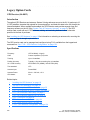
Legacy Option Cards . . . . . . . . . . . . . . . . . . . . . . . . . . . . . . . . . . . . . . . . . . . . . . . .222
GPS Receiver (86-8013) . . . . . . . . . . . . . . . . . . . . . . . . . . . . . . . . . . . . . . . . . .222
Introduction . . . . . . . . . . . . . . . . . . . . . . . . . . . . . . . . . . . . . . . . . . . . . . . . . . .222
Specifications . . . . . . . . . . . . . . . . . . . . . . . . . . . . . . . . . . . . . . . . . . . . . . . . . .222
1
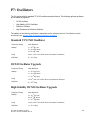
P7: Oscillators . . . . . . . . . . . . . . . . . . . . . . . . . . . . . . . . . . . . . . . . . . . . . . . . . . . . . . . .223
OCXO Oscillator Upgrade . . . . . . . . . . . . . . . . . . . . . . . . . . . . . . . . . . . . . . . . . . .223
High Stability OCXO Oscillator Upgrade . . . . . . . . . . . . . . . . . . . . . . . . . . . . . . . .223
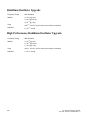
Rubidium Oscillator Upgrade . . . . . . . . . . . . . . . . . . . . . . . . . . . . . . . . . . . . . . . . .224
High Performance Rubidium Oscillator Upgrade . . . . . . . . . . . . . . . . . . . . . . . . . .224
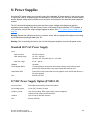
8: Power Supplies . . . . . . . . . . . . . . . . . . . . . . . . . . . . . . . . . . . . . . . . . . . . . . . . . . . . .225
Standard 110 VAC Power Supply . . . . . . . . . . . . . . . . . . . . . . . . . . . . . . . . . . . . . .225
12 VDC Power Supply Option (87-8012-12) . . . . . . . . . . . . . . . . . . . . . . . . . . . . .225
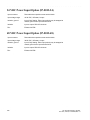
24 VDC Power Input Option (87-8012-24) . . . . . . . . . . . . . . . . . . . . . . . . . . . . . . .226
48 VDC Power Input Option (87-8012-48) . . . . . . . . . . . . . . . . . . . . . . . . . . . . . . .226
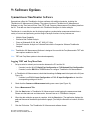
9: Software Options . . . . . . . . . . . . . . . . . . . . . . . . . . . . . . . . . . . . . . . . . . . . . . . . . . .227
Symmetricom TimeMonitor Software . . . . . . . . . . . . . . . . . . . . . . . . . . . . . . . . . . .227
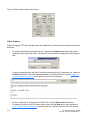
Logging TIET and Freq Meas Data . . . . . . . . . . . . . . . . . . . . . . . . . . . . . . . . .227
Other Features . . . . . . . . . . . . . . . . . . . . . . . . . . . . . . . . . . . . . . . . . . . . . . . . .228
10: XLi-Generated Messages . . . . . . . . . . . . . . . . . . . . . . . . . . . . . . . . . . . . . . . . . . . .231
Error Messages . . . . . . . . . . . . . . . . . . . . . . . . . . . . . . . . . . . . . . . . . . . . . . . . . . . .231
Informational Messages . . . . . . . . . . . . . . . . . . . . . . . . . . . . . . . . . . . . . . . . . . . . . .233
viii
XLi Time & Frequency System
XLi-man, Issue 8, 6/17/2008, Rev. H
S
S
S
S
S
S
S
S
S
S
S
S
S
S
S
S
S
S
S
S
S
S
S
S
S
S
S
S
S
S
S
S
S
S
S
S
S
S
S
S
A: Using F100 Configuration . . . . . . . . . . . . . . . . . . . . . . . . . . . . . . . . . . . . . . . . . . . 235
Configuring NTP & SNMP Parameters . . . . . . . . . . . . . . . . . . . . . . . . . . . . . . . . . 235
Overview of Steps . . . . . . . . . . . . . . . . . . . . . . . . . . . . . . . . . . . . . . . . . . . . . . 235
Set up the FTP Server . . . . . . . . . . . . . . . . . . . . . . . . . . . . . . . . . . . . . . . . . . . 235
Get the IP Address of the FTP Server/Workstation . . . . . . . . . . . . . . . . . . . . 235
Copy the Configuration Files to the FTP Server . . . . . . . . . . . . . . . . . . . . . . . 236
Edit the Configuration Files . . . . . . . . . . . . . . . . . . . . . . . . . . . . . . . . . . . . . . 236
Move the Configuration Files Back to the XLi . . . . . . . . . . . . . . . . . . . . . . . . 237
B: Upgrading System Firmware . . . . . . . . . . . . . . . . . . . . . . . . . . . . . . . . . . . . . . . . . 239
Overview of Procedure . . . . . . . . . . . . . . . . . . . . . . . . . . . . . . . . . . . . . . . . . . 239
Set up the FTP Server . . . . . . . . . . . . . . . . . . . . . . . . . . . . . . . . . . . . . . . . . . . 239
Open a Command Line Session on the XLi . . . . . . . . . . . . . . . . . . . . . . . . . . 240
Upgrade the Firmware . . . . . . . . . . . . . . . . . . . . . . . . . . . . . . . . . . . . . . . . . . . 240
Troubleshooting . . . . . . . . . . . . . . . . . . . . . . . . . . . . . . . . . . . . . . . . . . . . . . . . 243
FAQ . . . . . . . . . . . . . . . . . . . . . . . . . . . . . . . . . . . . . . . . . . . . . . . . . . . . . . . . . 244
2
1
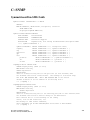
C: SNMP . . . . . . . . . . . . . . . . . . . . . . . . . . . . . . . . . . . . . . . . . . . . . . . . . . . . . . . . . . . . 245
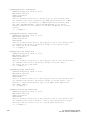
SymmetricomTtm-SMIv2.mib . . . . . . . . . . . . . . . . . . . . . . . . . . . . . . . . . . . . . . . . 245
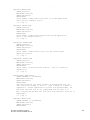
xliMainCard-SMIv2.mib . . . . . . . . . . . . . . . . . . . . . . . . . . . . . . . . . . . . . . . . . . . . 255
xli-SMIv2.mib . . . . . . . . . . . . . . . . . . . . . . . . . . . . . . . . . . . . . . . . . . . . . . . . . . . . 259
xliSystem-SMIv2.mib . . . . . . . . . . . . . . . . . . . . . . . . . . . . . . . . . . . . . . . . . . . . . . . 259
Editing snmp.conf . . . . . . . . . . . . . . . . . . . . . . . . . . . . . . . . . . . . . . . . . . . . . . . . . . 270
SNMP Private Enterprise MIB Structure . . . . . . . . . . . . . . . . . . . . . . . . . . . . . . . . 271
SNMP Addressing . . . . . . . . . . . . . . . . . . . . . . . . . . . . . . . . . . . . . . . . . . . . . . 271
New Top Level Structure of Enterprise MIB for XLi . . . . . . . . . . . . . . . . . . . 271
XLi System Group . . . . . . . . . . . . . . . . . . . . . . . . . . . . . . . . . . . . . . . . . . 273
The XLi Fault Group . . . . . . . . . . . . . . . . . . . . . . . . . . . . . . . . . . . . . . . . 274
The XLi System Status Group . . . . . . . . . . . . . . . . . . . . . . . . . . . . . . . . . 275
XLi MainCard Group . . . . . . . . . . . . . . . . . . . . . . . . . . . . . . . . . . . . . . . . 276
XLi Traps . . . . . . . . . . . . . . . . . . . . . . . . . . . . . . . . . . . . . . . . . . . . . . . . . . . . . 276
Future Expansion . . . . . . . . . . . . . . . . . . . . . . . . . . . . . . . . . . . . . . . . . . . . . . . 276
Glossary of SNMP-Related Terms . . . . . . . . . . . . . . . . . . . . . . . . . . . . . . . . . 277
Configuring and Testing SNMP . . . . . . . . . . . . . . . . . . . . . . . . . . . . . . . . . . . . . . . 278
Materials Needed . . . . . . . . . . . . . . . . . . . . . . . . . . . . . . . . . . . . . . . . . . . . . . . 278
HP OpenView Configuration . . . . . . . . . . . . . . . . . . . . . . . . . . . . . . . . . . . . . 278
XLi Configuration . . . . . . . . . . . . . . . . . . . . . . . . . . . . . . . . . . . . . . . . . . . . . . 280
Test Procedure . . . . . . . . . . . . . . . . . . . . . . . . . . . . . . . . . . . . . . . . . . . . . . . . . 280
5
D: Network Time Protocol (NTP) . . . . . . . . . . . . . . . . . . . . . . . . . . . . . . . . . . . . . . . 283
Leap Indicator . . . . . . . . . . . . . . . . . . . . . . . . . . . . . . . . . . . . . . . . . . . . . . . . . . . . . 283
Editing ntp.conf . . . . . . . . . . . . . . . . . . . . . . . . . . . . . . . . . . . . . . . . . . . . . . . . . . . 283
Editing MD5 keys on the NTP Server . . . . . . . . . . . . . . . . . . . . . . . . . . . . . . . . . . 284
Editing MD5 keys on the NTP Client . . . . . . . . . . . . . . . . . . . . . . . . . . . . . . . . . . . 285
E: Time Code Formats . . . . . . . . . . . . . . . . . . . . . . . . . . . . . . . . . . . . . . . . . . . . . . . . 287
Overview . . . . . . . . . . . . . . . . . . . . . . . . . . . . . . . . . . . . . . . . . . . . . . . . . . . . . . . . . 287
IRIG . . . . . . . . . . . . . . . . . . . . . . . . . . . . . . . . . . . . . . . . . . . . . . . . . . . . . . . . . . . . 287
Introduction . . . . . . . . . . . . . . . . . . . . . . . . . . . . . . . . . . . . . . . . . . . . . . . . . . . 287
XLi Time & Frequency System
XLi-man, Issue 8, 6/17/2008, Rev. H
ix
S
S
S
S
S
S
S
S
S
S
S
S
S
S
S
S
S
S
S
S
S
S
S
S
S
S
S
S
S
S
S
S
S
S
S
S
S
S
S
S
IRIG Code Format . . . . . . . . . . . . . . . . . . . . . . . . . . . . . . . . . . . . . . . . . . . . . .287
IRIG-B Time Quality Flags . . . . . . . . . . . . . . . . . . . . . . . . . . . . . . . . . . . . . . .288
XLi IRIG Time Code Input/Output . . . . . . . . . . . . . . . . . . . . . . . . . . . . . .288
NASA 36 . . . . . . . . . . . . . . . . . . . . . . . . . . . . . . . . . . . . . . . . . . . . . . . . . . . . . . . . .289
Introduction . . . . . . . . . . . . . . . . . . . . . . . . . . . . . . . . . . . . . . . . . . . . . . . . . . .289
NASA 36 Code Format . . . . . . . . . . . . . . . . . . . . . . . . . . . . . . . . . . . . . . . . . .289
XLi NASA 36 Time Code Input/Output . . . . . . . . . . . . . . . . . . . . . . . . . .289
1
F: World Map of Time Zones: . . . . . . . . . . . . . . . . . . . . . . . . . . . . . . . . . . . . . . . . . . .291
G: Part Numbers . . . . . . . . . . . . . . . . . . . . . . . . . . . . . . . . . . . . . . . . . . . . . . . . . . . . . .293
H: Sales and Customer Assistance . . . . . . . . . . . . . . . . . . . . . . . . . . . . . . . . . . . . . . .295
Index . . . . . . . . . . . . . . . . . . . . . . . . . . . . . . . . . . . . . . . . . . . . . . . . . . . . . . . . . . . . . . . .297
x
XLi Time & Frequency System
XLi-man, Issue 8, 6/17/2008, Rev. H
S
S
S
S
S
S
S
S
S
S
S
S
S
S
S
S
S
S
S
S
S
S
S
S
S
S
S
S
S
S
S
S
S
S
S
S
S
S
S
S
1: Equipment Overview
XLi Time and Frequency System Description and Features
The XLi provides high-precision time and frequency signals. Its modular design allows customization for
a wide range of applications. In its standard configuration, the XLi functions as a Time Code Unit which
receives an IRIG time code input, synchronizes its internal oscillator to that input, and produces time
code and frequency outputs. When paired with its internal timing-optimized GPS receiver, the XLi
provides 1x10-12 frequency output accuracy, and better than 30 nS RMS accuracy to UTC (USNO). The
XLi is available in a 19-inch 1U or 2U chassis with rack mount ears for installation.
2
This new series of Time and Frequency Clock incorporates a flexible architecture to meet the most
demanding clock synchronization requirements. The Model XLi incorporates a dual redundant reference
source design that enables high-availability of the clock source. To achieve high-availability, the user
configures the XLi with dual independent GPS receivers and antennas, or with one GPS antenna/
receiver and one time code or 1PPS reference. In addition, the 2U chassis, when configured with
multiple options, provides dual redundancy and distribution in a single unit.
1
Optional oscillator upgrades provide enhanced short term stability when locked to a reference source,
and improved holdover ‘flywheeling’ when a reference source is unavailable. See “P7: Oscillators” on
page 223 for more information.
Features and Options
Three user interfaces are available for managing the XLi:
•
•
•
The web interface, available using a browser connected to the network port
The command line interface, available from the serial port and standard network port (telnet)
The keypad/display interface, available on the front panel of the XLi
5
The XLi’s modular design allows customization for a wide range of applications. The following range of
features are available in the standard configuration:
•
Voltage-controlled temperature-compensated crystal oscillator (VCTCXO)
•
1 PPS Output
•
Rate Output 1/10/100 PPS, 1/10/100 kPPS, 1/5/10 MPPS
•
Code Output (IRIG-A, B, and NASA 36)
•
Alarm Open Collector Output
•
Code Input (AM or DC: IRIG-A, B, and NASA 36)
•
Auxiliary Reference Frequency Input (1/5/10 MHz)
•
Network Port (10/100 Base-T)
•
Command Line Interface (Telnet and Port)
•
Simple Network Management Protocol (SNMP)
•
Web Interface (HTML)
XLi Time & Frequency System
XLi-man, Issue 8, 6/17/2008, Rev. H
1
S
1
S
S
S
S
S
S
S
S
S
S
S
S
S
S
S
S
S
S
S
•
RS-232/422 Serial I/O Port
•
Vacuum florescent display, 19-button keypad
•
90-264 VAC
S
S
S
S
S
S
S
S
S
S
S
S
S
S
S
S
S
S
S
S
In addition, the XLi’s standard features can be expanded with the following optional configurations:
•
GPS C/A Receiver References
•
Programmable Pulse Output (PPO)
•
Network Time Server (NTP)
•
Multicode Output Card
•
N.1 / N.8 Frequency Synthesizer
•
Low Phase Noise 5 MHz Output Card
•
Low Phase Noise 10MHz Output Card
•
Enhanced Low Phase Noise Module
•
T1/E1 Output Card
•
Second Serial Talker or T1/E1 Rate Generator
•
1, 5, 10 MHz Sine/MPPS Square Output Card
•
Have Quick Input/1 PPS Sync Reference Card
•
Have Quick with TFOM Output Card
•
PTTI BCD Output
•
Parallel BCD mSec Output with Time Quality Card
•
Parallel BCD uSec Output with Time Quality Card
•
Parallel BCD mSec Output Card
•
Oscillator Options: OCXO, Rubidium
•
Frequency and Time Deviation Monitor
•
Time Interval Event Time Option
•
DC Power Supplies for 12, 24, and 48 VDC applications
•
Redundant power supplies
•
TimeMonitor Software
•
Expansion module
See“6: Option Cards” on page 167 for more information. Optional oscillator upgrades provide enhanced
short term stability when locked to a reference source, and improved holdover ‘flywheeling’ when a
reference source is unavailable. See “P7: Oscillators” on page 223 for more information.
2
XLi Time & Frequency System
XLi-man, Issue 8, 6/17/2008, Rev. H
S
S
S
S
S
S
S
S
S
S
S
S
S
S
S
S
S
S
S
S
S
S
S
S
S
S
S
S
S
S
S
S
S
S
S
S
S
S
S
S
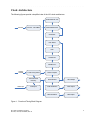
Clock Architecture
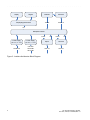
The following figures provide a simplified view of the XLi’s clock architecture.
16.384 MHz Osc. PLL
Aux Ref
Aux Ref - 1/5/10 MHz
Phase Measurement
2
Clock DPLL
DAC Select
1
DAC
10 MHz Osc.
200 MHz PLL
1 PPS A
1 PPS B
Code Input
1 PPS Timing Select
Phase Compare
Time and Clock
Recovery
Clock Machine
1 PPS Output
Code Input
Code Generation
Code Output
Rate Generation
Rate Output
5
Figure 1: Functional Timing Block Diagram
XLi Time & Frequency System
XLi-man, Issue 8, 6/17/2008, Rev. H
3
S
S
S
S
S
S
S
S
S
S
Display
S
S
S
S
S
S
S
S
Keypad
S
S
S
S
S
S
S
S
S
S
S
S
S
S
Oscillator
Rb Power
10 MHz
Power, Vc
S
S
S
S
S
S
S
S
1
Display/Keypad Interface
I/O
Backplane Interface
Power
I/O
Power
I/O
Power Supply
AC +5 V, +/- 12 V
Power Supply
DC +5 V, +/- 12 V
Option
T&F CPU
110/220 AC
9-18 VDC
18-36 VDC
36-72 VDC
User I/O
User I/O
Figure 2: Interface Architecture Block Diagram
4
XLi Time & Frequency System
XLi-man, Issue 8, 6/17/2008, Rev. H
S
S
S
S
S
S
S
S
S
S
S
S
S
S
S
S
S
S
S
S
S
S
S
S
S
S
S
S
S
S
S
S
S
S
S
S
S
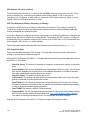
S
S
S
2: System Specifications
Mechanical/Environmental
Operating Temperature:
0 °C to +50 °C (+32 °F to +122 °F)
Maximum Rate of Change:
8 °C per hour
Storage Temperature:
-55 °C to +85 °C (-67 °F to +185 °F)
Humidity:
To 95% non-condensing
Operating Altitude:
Maximum 4 km (2.49 mi. or 13147 ft.)
Front Panel Display:
Vacuum Fluorescent Display (VFD) 4.38” x 0.88" (11.13cm x 2.24 cm). 160X16
pixels. Displays startup messages, clock status, time and day of year, and
interactive clock functions. The TIME button displays Time and Day of Year
(TOD) on one full-height line.
Keypad:
0–9, UP, DOWN, LEFT, RIGHT, ENTER, CLR, TIME, STATUS, MENU
Serial I/O:
Full user-selectable RS-232/422 communication protocol up to 19200 baud
2
1
AC Power Supply
Input:
Input connector:
IEC 320 connector
Input voltage range:
UL: 100 – 240 VAC
Universal, 90 – 264 VAC and 110 – 370 VDC
Input freq. range:
47 Hz – 440 Hz
Output:
+5.2 V (5.0 to 5.4 V), 25 watts, 0 to 5 amps
+12 V (11.4 to 12.6 V), 45 watts, 0 to 3.8 amps
-12 V (-11.4 to -12.6 V) 32 watts, 0 to 2.7 amps
Wattage:
104 watts
Power Supply Status:
The Fault Detector monitors all three output voltages and provides a visual
(panel LED) and fault status if any output voltage decreases by 10%.
Alarm Status LED:
Green LED on with no fault and AC power applied. Green LED off with fault or no
AC power applied.
Fan:
Exhaust 3-6 CFM
XLi Time & Frequency System
XLi-man, Issue 8, 6/17/2008, Rev. H
5
5
S
S
S
S
S
S
S
S
S
S
S
S
S
S
S
S
S
S
S
S
S
S
S
S
S
S
S
S
S
S
S
S
S
S
S
S
S
S
S
S
System Time & Frequency Accuracy
The tables below describe system clock accuracy while locked to the reference source indicated.
1
GPS Receiver
1 PPS Output:
UTC(USNO) 30 nS RMS, 100 nS peak
Frequency Output Accuracy:
<1 x 10-12 @ 1 day
Frequency/Timing, Allan
Deviation, Stability (with
TCXO):
1 x 10⁻⁹ @ 1 sec
3 x 10⁻¹⁰ @ 10 sec
3 x 10⁻¹⁰ @ 100 sec
2 x 10⁻¹⁰ @ 1000 sec
1 x 10-12 @ 1 day
AM Code Output Accuracy:
10 μS to the 1 PPS output
DC Level Shift Code Output
Accuracy:
200 nS to the 1 PPS output
Time to System Lock
<20 min. typical
See GPS Signal Strength Requirements (page 21), and GPS C/A Receiver (87-8028-2) (page 191).
Time Code Input
1 PPS Output:
10 μS to the incoming code
Frequency Output Accuracy:
1x10⁻¹⁰, referenced to 5x10-11 carrier @ 1 day
Stability of Frequency/Timing – 5x10⁻⁹ @ 10 sec, referenced to 3x10-11 @ 10 sec carrier
Allan Deviation:
Accuracy of AM Code Output:
10 μS to the incoming code
Accuracy of DC Level Shift
Code Output:
10 μS to the incoming code
See “F110 – J1 Input (Time Code, TIET)” on page 137.
6
XLi Time & Frequency System
XLi-man, Issue 8, 6/17/2008, Rev. H
S
S
S
S
S
S
S
S
S
S
S
S
S
S
S
S
S
S
S
S
S
S
S
S
S
S
S
S
S
S
S
S
S
S
S
S
S
S
S
S
Have Quick Input
1 PPS Output:
10 μS to the incoming code
Stability of Frequency/Timing – 5x10⁻⁹ @ 10 sec
Allan Deviation:
Accuracy of AM Code Output:
10 μS to the incoming code
Accuracy of DC Level Shift
Code Output:
10 μS to the incoming code
See “HaveQuick/1 PPS Time and Frequency Reference(87-8016-3)” on page 216.
2
1 PPS Input
1 PPS Output:
10 μS to the incoming 1 PPS
Stability of Frequency/Timing – 5x10⁻⁹ @ 10 sec
Allan Deviation:
Accuracy of AM Code Output:
10 μS to the incoming 1 PPS
Accuracy of DC Level Shift
Code Output:
10 μS to the incoming 1 PPS
1
See “HaveQuick/1 PPS Time and Frequency Reference(87-8016-3)” on page 216.
Aux Ref Input
If an Aux Ref input is available and enabled, the XLi assumes that Aux Ref is a better frequency source
than its own oscillator. If a timing reference is not available (or becomes unavailable) and Aux Ref is
enabled, the XLi locks to the Aux Ref input. Under those conditions, frequency output accuracy is equal
to the reference < 1 x 10-12.
5
Note: Manually set the time and date, when using 1 PPS or Aux Ref as the primary references. Set the
date (year) when using IRIG A000, A130, B000, B120, or NASA 36 as the primary reference.
See F3 – Time & Date (page 50).
Chassis
1U Chassis:
Standard 19" EIA Rack System, hardware included
Receiver Size:
1.75 in. x 17.1 in. x 15.35 in.
Weight:
Standard configuration, without options ~9.25 lb. Fully loaded ~ 10.95 lb
2U Chassis:
Standard 19" EIA Rack System, hardware included
Receiver Size:
3.5 in. x 17.1 in. x 15.35 in.
Weight:
Standard configuration, without options ~12.55 lb. Fully loaded ~ 21.00 lb
XLi Time & Frequency System
XLi-man, Issue 8, 6/17/2008, Rev. H
7
S
S
S
S
S
S
S
S
S
S
S
S
S
S
S
S
S
S
S
S
S
S
S
S
S
S
S
S
S
S
S
S
S
S
S
S
S
S
S
S
Standard Inputs and Outputs
1
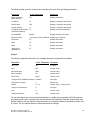
The following specifications describe the standard (as opposed to optional) inputs and outputs on the
standard configuration of the XLi.
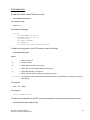
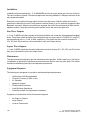
Serial I/O Port
The standard serial data port is a bi-directional EIA standard RS-232C interface. The serial data port is
configured via the Keypad / Display and Standard network port.
Interface:
RS-232 or RS-422
Data Rates:
1200, 2400, 4800, 9600 and 19200 bps
Data Bits:
7 or 8
Parity:
even, odd, or none
Stop Bits:
1 or 2
Connector:
Male 9-pin D subminiature
Pin Assignment:
1------N/C
2------Rx (RS-232)
3------Tx (RS-232)
4------N/C
5------GND
6------Rx- (RS-422)
7------Rx+ (RS-422)
8------Tx- (RS-422)
9------Tx+ (RS-422)
Factory settings:
9600, 8, N, 1
Note: Parity - NONE is only available/valid when Data Bits is set to 8.
See “F4 – Serial Port Configuration” on page 52.
NET – Network Port
The Ethernet port interface has a standard RJ-45 connector that provides IEEE 802.3 frame 10/100
Base-T Ethernet. The XLi can optionally be factory configured as a Network Time Protocol (NTP) server,
which can be used to synchronize client computer clocks over a network. This function is only available
with GPS and IRIG B input. See “F100 – Network Port Configuration & XLi Firmware” on page 117.
8
XLi Time & Frequency System
XLi-man, Issue 8, 6/17/2008, Rev. H
S
S
S
S
S
S
S
S
S
S
S
S
S
S
S
S
S
S
S
S
S
S
S
S
S
S
S
S
S
S
S
S
S
S
S
S
S
S
S
S
J1 Input – Time Code or Time Interval - Event Time
Time Code Input Specifications - Modulated (AM) and Demodulated (DC):
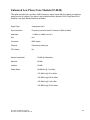
Format:
IRIG-B120, B000, B120 1344, B000 1344
IRIG-A130, A000
NASA 36
Amplitude (AM):
0.5 Vp-p to 10 Vp-p, 100 kΩ to ground
Ratio (AM):
3:1 ±10%
Amplitude (DC):
Logic Low:
Logic Hi:
2
< 1.25V and Min. 300mV
> 1.25V and Max 10V
Impedance:
100 kΩ, 50 Ω
Polarity:
Positive or negative
Direction:
Forward
Quantity:
1
Connector:
Female BNC
Related Features
Propagation delay 0-99999 μS. Error bypass. (See F110 on page 137)
1
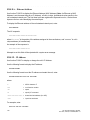
The Time Interval - Event Time (TIET) option measures a 1 PPS or Event input signal on J1 against the
XLi derived time. The rising edge of the pulse is measured against XLi time with 5 nS resolution.
Pulse Width
100 nS, min.
Active Edge:
Rising
Amplitude (DC):
Logic Low:
Logic Hi:
< 1.25V and Min. 300mV
> 1.25V and Max 10V
5
Impedance:
100 kΩ, 50 Ω
Polarity:
Positive
Resolution:
5 nS, Single Shot
Accuracy
Refer to “System Time & Frequency Accuracy” on page 6
See “F110 – J1 Input (Time Code, TIET)” on page 137.
Note: Any stray input capacitance loading will impact TIET measurements
XLi Time & Frequency System
XLi-man, Issue 8, 6/17/2008, Rev. H
9
S
S
S
S
S
S
S
S
S
S
S
S
S
S
S
S
S
S
S
S
S
S
S
S
S
S
S
S
S
S
S
S
S
S
S
S
S
S
S
S
J2 Output – Rate Out or Programmable Pulse Output
1
Rate:
1 PPS, 10 PPS, 100 PPS, 1 kPPS, 10 kPPS, 100 kPPS, 1 MPPS, 5
MPPS, 10 MPPS, PPO (if PPO option is installed)
Duty cycle:
40-60% ± 10%
Amplitude (TTL):
TTL Levels into 50 Ω
Quantity:
1
Connector:
Female BNC
Factory Configuration:
The Rate Output is default 10 MPPS
The Programmable Pulse Output (PPO) option (part number 87-8024) generates a precisely
synchronized trigger pulse at an arbitrary time and with arbitrary pulse width in integer multiples of 1 μS.
The start and stop edges of the PPO can be programmed with 1 μS resolution.
Pulse Width:
Programmable in 1 μS steps
Start:
Rising
Stop:
Falling
Amplitude:
TTL levels into 50 Ω
Accuracy
Refer to “System Time & Frequency Accuracy” on page 6
See “F111 – J2 Output (Rate, PPO)” on page 142.
J3 Input – Auxiliary Reference or Frequency Measurement
Auxiliary Reference (Aux Ref):
Frequency:
1, 5, 10 MHz
Amplitude:
1 Vp-p to 10 Vp-p at 1 kΩ to ground
Amplitude:
1 Vp-p to 3 Vp-p at 50 Ω to ground
Impedance:
Configurable 1 kΩ or 50 Ω to ground
SNR:
>20db
Quantity:
1
Connector:
Female BNC
Factory Configuration:
Disabled
10
XLi Time & Frequency System
XLi-man, Issue 8, 6/17/2008, Rev. H
S
S
S
S
S
S
S
S
S
S
S
S
S
S
S
S
S
S
S
S
S
S
S
S
S
S
S
S
S
S
S
S
S
S
S
S
S
S
S
S
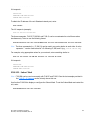
The Frequency Measurement (Freq Meas) option: measures an external frequency applied to the J3
input relative to the XLi’s disciplined frequency.
Frequency:
1, 5, 10 MHz
Resolution
120 x 10-12@ 1 Second Interval
12 x 10-12@ 10 Second Interval
1 x 10-12@ 100 Second Interval
Range
1000 x10-6
Impedance:
1 kΩ, 50 Ω
Factory Configuration:
Disabled
Accuracy
Refer to “System Time & Frequency Accuracy” on page 6
2
See “F113 – J3 Input (Aux Ref, Freq Meas)” on page 146.
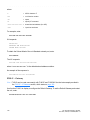
1 PPS – Pulse Per Second Output
Pulse width:
20 μS ±1 μS
On time edge:
Rising
Amplitude:
TTL Levels into 50 Ω
Quantity:
1
Connector:
Female BNC
1
If a time reference is unavailable, 1 PPS is as stable as the frequency reference (e.g., the system
oscillator or Aux Ref).
CODE – Time Code Output
Time Code Output Specifications - Modulated (AM) and Demodulated (DC or DCLS)
Format:
IRIG-B120, B000, B120 1344, B000 1344
IRIG-A130, A000
NASA 36
Amplitude (AM):
3 Vp-p, into 50Ω ±10%
Ratio (AM):
3:1 ±10%
Amplitude (DC):
TTL into 50Ω
Quantity:
1
Connector:
Female BNC
Phasing:
In phase with carrier ± 10 μS
Default Configuration:
IRIG-B 120
5
Many IRIG reader devices only decode the BCD time-of-year (TOY) portion of the IRIG frame. Reader
devices designed to the IRIG-B122, B002, A132, A002 standard should be compatible with the XLi’s
time code outputs.
XLi Time & Frequency System
XLi-man, Issue 8, 6/17/2008, Rev. H
11
S
S
S
S
S
S
S
S
S
S
S
S
S
S
S
S
S
S
S
S
S
S
S
S
S
S
S
S
S
S
S
S
S
S
S
S
S
S
S
S
ALARM Output
1
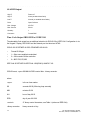
High Z:
Power off
High Z:
Alarm (enabled alarm fault)
Low Z:
Normal (no enabled alarm faults)
Drive:
Open Collector
Max. Voltage:
25 VDC
Max. Current:
50 mA
Quantity:
1
Connector:
Female BNC
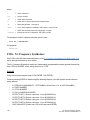
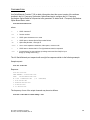
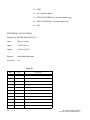
Time Code Output IRIG-B120 w/ IEEE1344
The selectable Code output has an additional selection for IRIG-B-120 w/ IEEE1344. Configuration is via
the Keypad / Display, RS232/422 and the Network port via telnet and HTML.
IRIG-B-120 IS DEFINED IN IRIG STANDARD 200-04 AS:
•
Format B 100 pps
•
1 = Sine wave amplitude modulated
•
2 = 1KHz carrier/1mSec resolution
•
0 = BCD TOY,CF,SBS
IEEE1344 IS DEFINED IN IEEE1344-1995(R2001) ANNEX F AS:
IRIG-B format, <sync>SS:MM:HH:DDD<control bits> <binary seconds>
where
<sync>
is the on time marker
SS
seconds 00-59 (60 during leap seconds)
MM
minutes 00-59
HH
hour of day 00-23
DDD
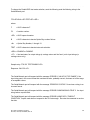
day of year 001-366
<control>
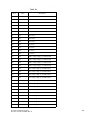
27 binary control characters, see Table 1 (reference IEEE1344)
<binary seconds>
binary seconds of day
12
XLi Time & Frequency System
XLi-man, Issue 8, 6/17/2008, Rev. H
S
S
S
S
S
S
S
S
S
S
S
S
S
S
S
S
S
S
S
S
S
S
S
S
S
S
S
S
S
S
S
S
S
S
S
S
S
S
S
S
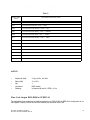
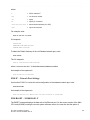
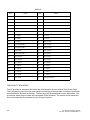
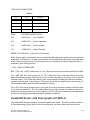
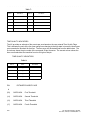
Table 1:
Binary Time
quality
Xli Estimated Time Error (ETE)
1111
Initial condition clock unlocked or 10Sec < ETE
1011
Clock unlocked and 1Sec < ETE <= 10Sec
1010
Clock unlocked and 100mSec < ETE <= 1Sec
1001
Clock unlocked and 10mSec < ETE <= 100mSec
1000
Clock unlocked and 1mSec < ETE <= 10mSec
0111
Clock unlocked and 100uSec < ETE <= 1mSec
0110
Clock unlocked and 10uSec < ETE <= 100uSec
0101
Clock unlocked and 1uSec < ETE <= 10uSec
0100
Clock unlocked and 100nSec < ETE <= 1uSec
0011
Clock unlocked and 10nSec < ETE <= 100nSec
0010
Clock unlocked and 1nSec < ETE <= 10nSec
0001
Clock unlocked and ETE <= 1nSec
0000
Clock locked to a reference source
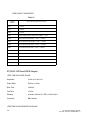
OUTPUT:
2
1
5
•
Amplitude (AM):
3 Vp-p ±10%, into 50Ω
•
Ratio (AM):
3:1 ±10%
•
Qty:
1
•
Connector:
BNC female
•
Phasing:
In phase with the XLi 1PPS ± 10 us
Time Code Output IRIG-B000 w/ IEEE1344
The selectable Code output has an additional selection for IRIG-B-000 w/ IEEE1344, configuration is via
the Keypad / Display, RS232/422 and the Network port via telnet and HTML.
XLi Time & Frequency System
XLi-man, Issue 8, 6/17/2008, Rev. H
13
S
S
S
S
S
S
S
S
S
S
S
S
S
S
S
S
S
S
S
S
S
S
S
S
S
S
S
S
S
S
S
S
S
S
S
S
S
S
S
S
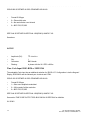
IRIG-B-000 IS DEFINED IN IRIG STANDARD 200-04 AS:
1
•
Format B 100 pps
•
0 = Pulse width code
•
0 = No carrier/index count interval
•
0 = BCD TOY,CF,SBS
IEEE1344 IS DEFINED IN IEEE1344-1995(R2001) ANNEX F AS:
See above
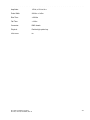
OUTPUT:
•
Amplitude (DC):
TTL into 50 Ω
•
Qty:
1
•
Connector:
BNC female
•
Phasing:
In phase with the XLi 1PPS ± 200ns
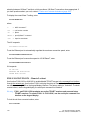
Time Code Input IRIG-B120 w/ IEEE1344
The selectable Code input has an additional selection for IRIG-B-127. Configuration is via the Keypad /
Display, RS232/422 and the Network port via telnet and HTML.
IRIG-B-120 IS DEFINED IN IRIG STANDARD 200-04 AS:
•
Format B 100 pps
•
1 = Sine wave amplitude modulated
•
2 = 1KHz carrier/1mSec resolution
•
0 = BCD TOY,CF,SBS
IEEE1344 IS DEFINED IN IEEE1344-1995(R2001) ANNEX F AS:
See section TIME CODE OUTPUT IRIG-B120 200-04 W/ IEEE1344 for definition
XLI SYNC:
14
XLi Time & Frequency System
XLi-man, Issue 8, 6/17/2008, Rev. H
S
S
S
S
S
S
S
S
S
S
S
S
S
S
S
S
S
S
S
S
S
S
S
S
S
S
S
S
S
S
S
S
S
S
S
S
S
S
S
S
The XLi first synchronizes to IRIG-B-120 w/ IEEE1344 when the Time Quality control bits are = 0000.
The XLi remains synchronized (Locked) while the Time Quality control bits are 0000 through 0101 (ETE
< 10uSec). The XLi utilizes the IRIG-B-120 BCD TOY, IEEE1344 year, leap second, and leap second
pending bit as the UTC epoch. The XLi time format selection remains on the XLi including the Daylight
saving time offset.
INPUT:
•
Amplitude (AM):
0.5 Vp-p to 10 Vp-p, 100 kΩ to ground
•
Ratio (AM):
3:1 ±10%
•
Qty:
1
•
Connector:
BNC female
2
Time Code Input IRIG-B000 w/ IEEE1344
1
The selectable Code input has an additional selection for IRIG-B-000 w/ IEEE1344. Configuration is via
the Keypad / Display, RS232/422 and the Network port via telnet and HTML.
IRIG-B-007 IS DEFINED IN IRIG STANDARD 200-04 AS:
•
Format B 100 pps
•
0 = Pulse width code
•
0 = No carrier/index count interval
•
0 = BCD TOY,CF,SBS
IEEE1344 IS DEFINED IN IEEE1344-1995(R2001) ANNEX F AS:
See section TIME CODE OUTPUT IRIG-B120 W/ IEEE1344 for definitions
5
XLI SYNC:
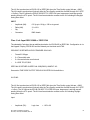
The XLi first synchronizes to IRIG-B-120 w/ IEEE1344 when the Time Quality control bits are = 0000.
The XLi remains synchronized (Locked) while the Time Quality control bits are 0000 through 0101 (ETE
< 1uSec). The XLi utilizes the IRIG-B-120 BCD TOY, IEEE1344 year, leap second, and leap second
pending bit as the UTC epoch. The XLi time format selection remains on the XLi including Daylight
saving time offset.
Input:
•
Amplitude (DC):
Logic Low
XLi Time & Frequency System
XLi-man, Issue 8, 6/17/2008, Rev. H
< 1.25V >0V
15
S
S
S
S
S
S
S
S
S
S
S
S
S
S
S
S
S
Logic Hi
1
•
Impedance:
100K, or 50 Ω.
•
Qty:
1
•
Connector:
BNC female
S
S
S
S
S
S
S
S
S
S
S
S
S
S
S
S
S
S
S
S
S
S
S
>2.5V < 10V
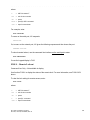
Manual Leap Second Entry
The Manual Leap Second Entry is configurable via the Keypad / Display, RS232/422 and the Network
port via telnet and HTML. This function allows the user to enter leap second data. This mode of
operation will allow the user to maintain UTC with the XLi clock without an external time reference
providing leap second data or in a standalone mode (i.e. without a time reference).
Locked reference sources containing leap second data (GPS and IRIG-B w/ IEEE1344) take priority to
the manual leap second entry.
Manual leap second data is applied to the XLi UTC TOD when locked to any reference source that does
not contain leap second data.
The manual leap second data will be applied to the clock at the end of the current quarter that it was
entered at UTC midnight on the last day of March, June, September, or December
The function is selectable by:
1.
Enter / Request the current GPS leap second, e.g. 14.
2.
Enter / Request the leap second, adding or subtracting in March, June, September, or
December
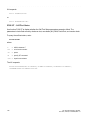
HaveQuick TFOM
The following Time Figure of Merit Code has been added to the HaveQuick output
Table 2:
TFOM code bits
Meaning
0000
locked
1111
unlocked
All others
Not used
16
XLi Time & Frequency System
XLi-man, Issue 8, 6/17/2008, Rev. H
S
S
S
S
S
S
S
S
S
S
S
S
S
S
S
S
S
S
S
S
S
S
S
S
S
S
S
S
S
S
S
S
S
S
S
S
S
S
S
S
Certifications
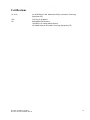
UL, C-UL:
UL 1950/CSA 22.2 950, Standard for Safety, Information Technology
Equipment (ITE)
FCC:
FCC Part 15, Subpart B
CE:
89/336/EEC EMC Directive
73/23/EEC Low Voltage Safety Directive
IEC 60950 Safety of Information Technology Equipment (ITE)
2
1
5
XLi Time & Frequency System
XLi-man, Issue 8, 6/17/2008, Rev. H
17
S
1
S
S
S
S
S
S
S
S
S
S
S
S
S
S
S
S
S
S
S
S
S
S
S
S
S
S
S
S
S
S
S
S
S
S
S
S
S
S
S
This page intentionally left blank.
18
XLi Time & Frequency System
XLi-man, Issue 8, 6/17/2008, Rev. H
S
S
S
S
S
S
S
S
S
S
S
S
S
S
S
S
S
S
S
S
S
S
S
S
S
S
S
S
S
S
S
S
S
S
S
S
S
S
S
S
3: Installation/Configuration
Installing the GPS Antenna
For units that include the GPS option, install the GPS antenna and cable as described below.
Selecting a GPS Antenna Site Outdoors
Select a site that...
•
•
•
•
•
•
Is the highest point available
Offers a full 360° view horizontally, to within 10° vertically of the horizon
Is higher than neighboring buildings/obstructions
Is protected from strong radio frequency (RF) and microwave transmissions
Is set away from RF-reflective surfaces that cause multipath interference
Is set 3 ft. (1 m) away from other GPS antennas
2
1
Avoid...
•
•
•
•
•
Mounting the antenna between tall buildings or next to walls and equipment
Cable runs from the antenna to the receiver that exceed the specified length
Patching multiple cables together to make a single cable run
Running the cable through bulkheads and along side high-energy cables
Crimping or damaging the cable
Blocked signals and multipath cancellation significantly increase GPS acquisition time. Multipath
cancellation is caused by reflected signals that reach the antenna out of phase with the direct signal due
to vertical reflective objects positioned to the side and above the antenna. To solve these problems, mast
mount the antenna at least 1 meter away from and above the reflecting surface.
Mounting the GPS Antenna
5
Mount the GPS antenna on an antenna mast (recommended) or on the peak of a building. The GPS
antenna kit includes special mounting brackets. For the mast, use 2-inch (5.08-cm) diameter water pipe
or conduit that is rigid enough to withstand high winds without flexing. Use guy wires to stabilize masts
longer than 10 ft. (3.048 m).
Notes:
•
•
•
The XLi requires a 12 Volt-compatible antenna. Antennas not rated for 12 V will be damaged.
Use a splitter to connect a GPS antenna to multiple receivers. Avoid using BNC “T” connectors.
The L1 GPS antenna is designed to operate with up to 150 ft. (60.96 m) of RG-59 coax cable. An
optional Down Converter can be used for cable runs of 1,500 ft. (457.2 m) using RG-58 coaxial
cable.
XLi Time & Frequency System
XLi-man, Issue 8, 6/17/2008, Rev. H
19
S
S
S
S
S
S
S
S
S
S
S
S
S
S
S
S
S
S
S
S
S
S
S
S
S
S
S
S
S
S
S
S
S
S
S
S
S
S
S
S
1
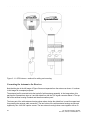
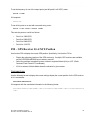
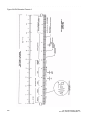
Figure 3: L1 GPS Antenna - methods for cabling and mounting
Connecting the Antenna to the Receiver
Note that the pipe in the left image of Figure 3 does not separate from the antenna as shown. It is shown
in this image for conceptual purposes.
The antenna itself is mounted inside the top half of white antenna assembly. In the image above, this
part has the Symmetricom logo on it and the dotted line with the TNC signal connector below it. The top
half of the antenna housing is sealed and therefore weather-proof.
The lower part of the white antenna housing shown above, below the dotted line, is used for support and
for protecting the antenna cable connection. The two halves of the white antenna housing are secured
together by four 4-40 UNC captive screws. The two antenna housing halves come together with an O20
XLi Time & Frequency System
XLi-man, Issue 8, 6/17/2008, Rev. H
S
S
S
S
S
S
S
S
S
S
S
S
S
S
S
S
S
S
S
S
S
S
S
S
S
S
S
S
S
S
S
S
S
S
S
S
S
S
S
S
ring and a key tab and groove. Neither the O-ring or key are critical to the antenna operation. The O-ring
makes for a more weather proof seal for the antenna connector. The key ensures that the housing
always connects in the same orientation.
The pipe that is shown disconnected above, also acts as a protective housing for the optional antenna
preamplifier. A preamplifier should be connected to the antenna assembly if the distance between the
antenna and receiver is greater than 150 ft. The preamplifier connects to the TNC connector on the
antenna housing by a three inch TNC to TNC adapter cable. The open end of the preamplifier is then
connected signal cable from the receiver connects to the
2
A 50 ft cable is provided with each antenna assembly. If the distance between the antenna assembly and
receiver is greater than 50 ft, replace the 50 ft cable with a longer cable as opposed to adding an
extension to the 50 ft cable.
To connect the antenna cable to the antenna assembly, do the following:
1.
Separate the antenna by loosening the four captive antenna housing screws.
1
2.
Pass the TNC end of the receiver signal cable through the support pipe and lower half of
the antenna assembly and connect it to the antenna signal connector.
a.
If a preamplifier is to be used, connect the three inch preamplifier adapter cable to
the antenna signal connector.
b.
Connect the preamplifier to the adapter cable.
c.
Connect the receiver signal cable to the preamplifier.
3.
Reconnect the antenna by tightening the four captive antenna housing screws. Make
sure that the O-Ring is correctly sitting in its groove and that the Key tab and groove are engaged.
GPS Signal Strength Requirements
5
Refer to Figure 4: GPS Signal Strength Requirements.The required external gain at the GPS receiver’s
ANTENNA connector is between 20 and 36 dB.
For example, the Symmetricom GPS antenna provides approximately 41 dB of gain. If one subtracts the
16-21 dB loss of the 150 foot RG-59 coax antenna cable supplied by Symmetricom, the external gain
reaching the ANTENNA connector is between 20 and 36 dB, which meets the requirement. Abide by the
minimum input gain requirements when using other cable types and GPS antennas.
XLi Time & Frequency System
XLi-man, Issue 8, 6/17/2008, Rev. H
21
S
S
S
S
S
S
S
S
S
S
S
S
S
S
S
S
S
S
S
S
S
S
S
S
S
S
S
S
S
S
S
S
S
S
S
S
S
S
S
S
Other factors, such as radiation, coverage, VSWR, and input impedance also affect system
performance. Symmetricom recommends using the standard antenna and cable provided.
1
Figure 4: GPS Signal Strength Requirements
GPS-related Accessories
The following options can be obtained from Symmetricom to:
•
•
•
Protect against lightning and field-induced electrical surges.
Connect multiple GPS receivers to a single antenna.
Extend the range of the GPS antenna cable.
Lightning Arrestor
Lightning may damage GPS system components and receiving equipment, even without a direct hit,
resulting in costly repairs and critical interruption of service. The lightning arrestor is designed to work in
conjunction with a low-resistance, low-inductance ground to protect your GPS receiver and elements of
the antenna system from lightning discharges and field-induced electrical surges. In-line lightning
arrestors are mounted between the antenna and the point where the cable enters the building and
require no additional power or wiring except the ground lead.
Antenna Splitter
An antenna splitter may be used to drive multiple GPS receivers using a single antenna. With built-in
amplification to overcome splitter losses, the Active Splitters may be conveniently cascaded without
adding separate amplifiers and bias-tees between splitters. Power is conveniently obtained from the
GPS receiver(s) connected to the amplifier, eliminating the need for a separate dc power supply and
wiring.
In-Line Antenna Amplifier
In-line amplifiers overcome signal attenuation in by amplifying the GPS signal. Mounting the amplifier
inside the mounting mast helps protect it from moisture and exposure to the elements. Use the in-line
amplifier for cable runs of 150 to 300 feet (45 m to 90 m). Please contact a Symmetricom Sales
Representative for information on how to extend the distance from the antenna to the receiver.
22
XLi Time & Frequency System
XLi-man, Issue 8, 6/17/2008, Rev. H
S
S
S
S
S
S
S
S
S
S
S
S
S
S
S
S
S
S
S
S
S
S
S
S
S
S
S
S
S
S
S
S
S
S
S
S
S
S
S
S
Making Additional Connections
Make the following optional connections to the standard input/output connectors on the XLi back panel:
•
•
•
•
The ANTENNA connector to a GPS antenna cable. (Note: Use a 12-volt capable GPS antenna.)
The NET network port (RJ-45) to an ethernet network using Cat 5 cable (supplied). This
connection is needed to manage the XLi remotely, or to use the optional NTP function.
The SERIAL I/O connector to a PC using the supplied RS-232 null modem cable.
J1, J2, and J3, if needed. See “F110 – J1 Input (Time Code, TIET)” on page 137, “F111 – J2
Output (Rate, PPO)” on page 142, “F113 – J3 Input (Aux Ref, Freq Meas)” on page 146
2
.
1
Figure 5: Connectors: ANTENNA, SERIAL I/O, J1, J2, J3, NET, 1PPS, CODE, ALARM
Connecting the Power Supply
Warning: Ensure that a disconnect device, such as a switch, with the appropriate voltage/
current rating is provided when operating/installing the XLi.
Connect the Power Supply it to a power source. The green STATUS light indicates that the XLi is
receiving power.
Notes for optional DC power supplies:
•
•
•
•
•
5
Use a 15 amp circuit breaker in series with the DC power source; avoid connecting directly to a
DC power source without the breaker.
14 gage wire is the minimum recommended for DC power source hookup.
DC Power Supply Only to be used in a restricted access area.
The screw torque range on the Power Terminal Block is 5 to 8 inch pounds.
When connecting to a DC power source, first connect the positive power cable to “+” on the
power supply, then connect the negative power supply cable to “−”.
Upon receiving power, the XLi goes through its startup sequence; displaying “BOOTING”, “LOADING”,
and “STARTING”. After approximately 40 seconds, the XLi displays the clock status, and user interfaces
(front panel/command line) become available.
XLi Time & Frequency System
XLi-man, Issue 8, 6/17/2008, Rev. H
23
S
S
S
S
S
S
S
S
S
S
S
S
S
S
S
S
S
S
S
S
S
S
S
S
S
S
S
S
S
S
S
S
S
S
S
S
S
S
S
S
Configuring Network Settings
1
The following additional steps are required to make the XLi operational on a network. Make the XLi
operational on a network if you plan on managing the XLi remotely over the network or distributing timing
information from the XLi over the network
Press
Result
ENTER
Displays “FUNCTION”
100
Enters 100 as the function number
ENTER
Displays Function 100’s first screen: “COMPANY 00-A0-69…”
ENTER
Displays “IP ADDRESS…”
1-9…
Enter the unit’s IP Address (e.g., 192.168.0.11)
ENTER
Displays “SUBNET MASK…”
1-9…
Enter the Subnet Mask (e.g., 255.255.255.000)
ENTER
Displays “DEFAULT GATEWAY…”
1-9…
Enter the Default Gateway’s IP address (e.g., 192.168.0.1)
ENTER
Displays “10 100 BASE-T – 10”
ENTER
Displays “REMOTE LOCKOUT – UNLOCK” (Leave unchanged)
ENTER (5 times)
Displays “SAVE CHANGES – YES”
ENTER
Saves the new network parameters, and reboots the XLi
Notes:
•
•
To prevent TELNET and web interface (HTTP) access to the XLi, change Remote Lockout to
LOCK. Doing this shuts down TELNET and HTTP access through the XLi’s network port so that
the XLi’s functions are available only through the keypad/display interface, and through the serial
port command line interface.
For additional information, consult the relevant topics covering the F100 commands in the XLi
User’s Guide and Reference Manual.
Configuring the Time Display
Use the following functions to configure how the XLi to displays time. The keypad button sequences in
parentheses provide show how to select these functions and enter the desired settings:
F1 – Time Zone Offset: Enter the difference, in hours, between UTC and the standard time zone of the
time display. See “F1 – Time Zone Offset” on page 48 and “F: World Map of Time Zones:” on page 291
for more information.
For example, US Pacific Standard Time is UTC -08:00, while Japan Standard Time is UTC +9. To enter
the time zone offset, press the following buttons:
24
XLi Time & Frequency System
XLi-man, Issue 8, 6/17/2008, Rev. H
S
S
S
S
S
S
S
S
S
S
S
S
S
S
S
S
S
S
S
S
S
S
S
S
S
S
S
S
S
S
S
S
S
S
S
S
S
S
S
S
The user would enter F1 (ENTER, 1, ENTER), set a positive or negative sign (up/down arrow button),
and enter the number of hours (0800 or 0900).
F2 – 12/24-Hour Format: Select a 12 or 24-hour display format. The default setting is the 24-hour
display format, which represents 6 PM as “18:00”. The user would enter F2 (ENTER, 2, ENTER), See
“F2 – 12/24 Hour Format” on page 49.
F3 – Time Date: If you’re using IRIG time code as the primary reference source, verify or update the
current year in F3. If you’re using GPS as the primary reference source, you can skip this step. See “F3
– Time & Date” on page 50.
2
F66 – Daylight Saving Time (DST): If needed, set when Local time enters and leaves DST. See “F66 –
Daylight Saving Time (DST) Mode” on page 84.
F69 – Time Mode: Select the type of time shown on the front panel display and output by functions F8,
F9, and F90. See “F69 – Time Mode” on page 89. The four choices are as follows:
•
•
•
•
1
UTC (Coordinated Universal Time) differs from GPS Time by the addition of leap-second
corrections to compensate for variations in the earth’s rotation.
GPS time is derived directly from the GPS constellation and doesn’t contain any leap-second
adjustments or other GPS-to-UTC corrections.
Standard Time is UTC plus a time zone offset. For example, Pacific Standard Time is UTC
minus 8 hours
Local Time is UTC adjusted by the standard time zone offset and the daylight saving time
adjustment (if in effect).
5
XLi Time & Frequency System
XLi-man, Issue 8, 6/17/2008, Rev. H
25
S
S
S
S
S
S
S
S
S
S
S
S
S
S
S
S
S
S
S
S
S
S
S
S
S
S
S
S
S
S
S
S
S
S
S
S
S
S
S
S
Using the Command Line Interface
1
The next two sections show how to connect to the XLi using the serial and network ports. Both the serial
port and the network port give the user access to the XLi’s command line interface. While the keypad/
display interface provides a simple menu-driven user interface, the command line interface features:
•
•
Additional functions that aren’t available through the keypad/display
Remote access over a network
To use the command line interface, refer to the explanations and examples in the ‘Command Line’
subsections for each function in the XLi User’s Guide and Reference Manual.
Connecting to the Serial Port
Complete the following steps to set up and use the Serial Port to communicate with the XLi.
Verify that the XLi’s serial port settings are as follows: (Keypad: ENTER–4–ENTER. Use the UP/DOWN
ARROWs.)
•
•
•
•
•
Serial Port – RS232
Baud rate – 9600
Data bits – 8
Parity – NONE
Stop bits – 1
Note: Parity set to NONE is only valid when Data Bits is set to 8.
Connect a null-modem cable from the PC’s serial port to the XLi’s “SERIAL I/O” port.
If needed, configure your PC’s terminal emulation program to match the serial port settings above (9600,
8, N, 1). Set Flow Control to “None”.
One terminal emulation program, HyperTerminal, is usually found in Microsoft Windows under
Programs – Accessories or Programs – Accessories – Communications.
Initiate a serial port connection between the terminal emulation program and the XLi. (The Serial Port
connection does not require you to log in.)
Once connected, press the Enter key on your keyboard to get a command prompt.
From the command prompt, “>”, you can use the functions described in the “Function Reference” section
of the XLi User’s Guide and Reference Manual. The ‘Command Line’ sub-sections provide instructions
and examples.
Troubleshooting Tip: If the terminal emulation software has trouble displaying XLi responses (looks like
the unit doesn’t respond to inputs), add a 1 ms/character delay to the software’s serial port settings.
26
XLi Time & Frequency System
XLi-man, Issue 8, 6/17/2008, Rev. H
S
S
S
S
S
S
S
S
S
S
S
S
S
S
S
S
S
S
S
S
S
S
S
S
S
S
S
S
S
S
S
S
S
S
S
S
S
S
S
S
Connecting to the Network Port (TELNET)
The network port provides remote access to the XLi’s command line interface. Complete the following
steps to connect to the network port.
1.
Use function F100 IP – IP Address (page 120), to obtain the XLi’s IP address.
2.
Open a telnet session from your PC to the XLi.
- In Windows, click Start – Run, enter telnet ###.###.###.### (where the #s are the XLi’s
IP address), and click OK.
- Open a telnet session using a program such as HyperTerminal, TeraTerm Pro, or Minicom.
Consult the program’s documentation for instructions.
2
3.
Log in as user name “operator” and password, “janus”. Press Enter on your keyboard to get a
command prompt.
From the command prompt, “>”, you can use the functions described in the “Function Reference” section
of the XLi User’s Guide and Reference Manual. The ‘Command Line’ sub-sections provide instructions
and examples.
1
Related topics:
•
•
“Configuring Network Settings” on page 24
“F100 L/LOCK/UNLOCK – Remote Lockout” on page 124
5
Using the Web Interface
The network port also provides remote access to the XLi’s web interface. To connect to the web
interface:
1.
Use function F100 – Network Port Configuration & XLi Firmware (page 117) on the front panel/keypad or F100 IP – IP Address (page 120)on the command line, to obtain the IP address of the XLi.
2.
Enter the XLi’s IP address in the address bar of a web browser.
3.
At the XLi Home Page, click the Login button, (see note after step 5).
4.
Enter the appropriate user name and password. The factory default settings are “operator1”
through “operator10” for the user names, and “zeus” for the passwords. Also “user1” through
“user10” for the user names, and “ttm” for the passwords. In some cases, older units that have
XLi Time & Frequency System
XLi-man, Issue 8, 6/17/2008, Rev. H
27
S
S
S
S
S
S
S
S
S
S
S
S
S
S
S
S
S
S
S
S
S
S
S
S
S
S
S
S
S
S
S
S
S
S
S
S
S
S
S
S
been upgraded may have “casey” as the password. Settings are “operator1” through “operator10”
for the user names, and “casey” for the passwords. Also “user1” through “user10” for the user
names, and “ttm” for the passwords.
1
5.
Click the Login button with your mouse.
Note: Keep track of the user name and password. There is no command to reset the user name and
password to the factory default settings.
For more information, see “Web Interface” on page 40.
Installing or Removing Option Cards
Warning: Installing and removing option cards can expose dangerous voltages that can cause
electric shock resulting in injury or death. Disconnect all power before installing or
removing option cards. Dangerous voltages may be present in option cards and in the
unit even when the power is disconnected.
To install an option card:
1.
Set the unit up on a clean, safe, stable work surface that provides good visibility and maneuverability to work with screwdriver.
2.
On the back panel, select an option bay and unscrew the retaining screws and remove the small
aluminum panel from the option bay.
3.
Line up the edges of the card with the guide grooves in the option bay and slide it in.
4.
When the card is in almost all the way, push it firmly the rest of the way in until the faceplate of the
option card is flush with the back panel.
5.
Insert and tighten the retaining screws so the option card is secured in place.
To remove an option card, remove the screws, pull the card out, and secure the small aluminum panel in
its place with the screws.
Additional Configuration
This section:
•
•
•
Provides the factory settings of several XLi configurations
Identifies which functions can be used to change those settings, and a cross-reference to the
corresponding page in this manual.
Provides instructions for changing the settings, if needed.
Note: Unless specified, the settings remain the same as those in the Standard XLi.
28
XLi Time & Frequency System
XLi-man, Issue 8, 6/17/2008, Rev. H
S
S
S
S
S
S
S
S
S
S
S
S
S
S
S
S
S
S
S
S
S
S
S
S
S
S
S
S
S
S
S
S
S
S
S
S
S
S
S
S
Standard XLi
The standard XLi configuration comes with an AC Power supply and CPU module. The standard XLi
does not require changes to its factory settings, which are as follows:
Description
Setting
Function & Cross Reference
J1 Configuration
IRIG-B (120 AM)
“F110 – J1 Input (Time Code, TIET)” on
page 137
J1 Time Reference
Primary
“F110 – J1 Input (Time Code, TIET)” on
page 137
J2 Rate Out
10 MPPS
“F111 – J2 Output (Rate, PPO)” on page 142
J3 Configuration Aux Ref
Disabled
“F113 – J3 Input (Aux Ref, Freq Meas)” on
page 146
1 PPS
1 PPS – non configurable
Non configurable
Code Output Format
IRIG-B (120 AM)
“F90 – Code Output Configuration” on page 116
Reference Source
PRI
“F74 – Clock Source Control” on page 107
2
1
Additionally, the Standard XLi’s factory settings for F73 are as follows:
Indicator/Parameter Name
Factory Setting
PLL Locked
Alarm Enabled
Low Phase Noise (LPN) PLL Locked
Alarm Enabled
GPS Primary Receiver
Alarm Disabled
GPS Secondary Receiver
Alarm Disabled
IRIG Fault
Alarm Enabled
Aux Ref Fault
Alarm Disabled
Primary Power
Alarm Enabled
Secondary Power
Alarm Disabled
Rubidium oscillator (visible on display when Rb Osc is installed)
Alarm Disabled
DAC
Alarm Disabled
First Time Lock
Alarm Enabled
Time Error
Alarm Enabled
Time (Error) Threshold
0000 nS
Alarm LED Blink
Alarm Enabled
Timeout
Alarm Enabled
Timeout Delay
300 sec.
Power-On Alarm Suppress
300 sec.
NTP
Alarm Enabled
XLi Time & Frequency System
XLi-man, Issue 8, 6/17/2008, Rev. H
5
29
S
S
S
S
S
S
S
S
S
S
S
S
S
S
S
S
S
S
S
S
S
S
S
S
S
S
S
S
S
S
S
S
S
S
S
S
S
S
S
S
XLi with a GPS Reference
1
This XLi configuration includes a GPS receiver factory configured as the primary reference source.
Except for the following functions, the factory settings are the same as those for the Standard XLi:
Description
Setting
Function & Cross Reference
J1 Time Reference
STANDBY
“F110 – J1 Input (Time Code, TIET)” on page 137
GPS Antenna Cable Delay 60 nS delay
“F51 – GPS Antenna Cable Delay” on page 77
GPS Time Reference
Bay 1 - Primary
“F119 – GPS Receiver Configuration” on
page 154
GPS Primary Alarm
Enabled
“F73 – Alarm Control / Status” on page 94
XLi with GPS and Time Code References
To configure an XLi with a GPS Reference to use a time code input on J1 as a secondary reference
source, complete the following additional steps:
•
•
•
•
Evaluate the relative quality of the time code source versus GPS to ensure that switching from
one to the other is acceptable.
Set the Time Code as ‘SECONDARY’ using F110 – J1 Input (Time Code, TIET).
Set F74 – Clock Source Control to “PRI-SEC-SEC”.
Enable the IRIG alarm in F73 – Alarm Control / Status.
The following table indicates the section to go to for additional information:
Description
Setting
Function & Cross Reference
J1 Time Reference Change from STANDBY to SECONDARY “F110 – J1 Input (Time Code, TIET)” on
page 137
Reference Source
Change from PRI to PRI – SEC – SEC
“F74 – Clock Source Control” on page 107
IRIG (alarm)
Change from DISABLED to ENABLED
“F73 – Alarm Control / Status” on page 94
XLi with two optional GPS receivers
In this hardware configuration, the optional GPS receivers are set up as primary and secondary
reference sources. No changes required.
Description
Setting
GPS Time Reference Bay 1 – PRIMARY
Function & Cross Reference
“F119 – GPS Receiver Configuration” on page 154
GPS Time Reference Bay 2 – SECONDARY “F119 – GPS Receiver Configuration” on page 154
Reference Source
PRI – SEC – SEC
“F74 – Clock Source Control” on page 107
GPS PRI (alarm)
ENABLED
“F73 – Alarm Control / Status” on page 94
GPS SEC (alarm)
ENABLED
“F73 – Alarm Control / Status” on page 94
30
XLi Time & Frequency System
XLi-man, Issue 8, 6/17/2008, Rev. H
S
S
S
S
S
S
S
S
S
S
S
S
S
S
S
S
S
S
S
S
S
S
S
S
S
S
S
S
S
S
S
S
S
S
S
S
S
S
S
S
Installing the Expansion Module
Warning: Installing and removing the expansion module can expose dangerous voltages that
can cause electric shock resulting in injury or death. Disconnect all power before
installing or removing the option card. Dangerous voltages may be present in the
expansion module and in the unit even when the power is disconnected.
To install the optional Expansion Module:
1.
Set the unit up on a clean, safe, stable work surface that provides good visibility and maneuverability to work with screwdriver.
2.
On the back panel, select an option bay and unscrew the retaining screws and remove the small
aluminum panel from the bay.
3.
Line up the edges of the module with the guide grooves in the option bay and slide it in.
4.
When the card is in almost all the way, push it firmly the rest of the way in until the faceplate of the
option card is flush with the back panel.
5.
Insert and tighten the retaining screws so the expansion module is secured in place.
2
1
To remove the expansion module, remove the screws, pull the card out, and secure the small aluminum
panel in its place with the screws.
Verifying Antenna Installation
After completing the above steps, use the keypad/display to verify the following:
•
•
•
In F119 – GPS Receiver Configuration (page 154), after approximately 20 minutes of operation,
check that GPS STATUS is LOCKED and GPS ANTENNA is OK.
In F73 – Alarm Control / Status (page 94), check that the GPS PRI is OK and is ALARM
ENABLED (the same for GPS SEC, if two GPS receivers are present). Clear any alarm latches if
present.
Press the STATUS key. “LOCKED GPS PRI” should appear on the front panel display without
an asterisk. If an asterisk appears, it means that a reference source is not available.
5
To troubleshoot a problematic Antenna installation, recheck the physical location of the antenna, the
cabling, and the configuration settings described in this manual.
Rack Mounting the XLi
The XLi comes with the following parts needed to mount the XLi securely in any EIA standard 19-inch
(48.26-cm) rack:
•
•
2 mounting brackets
4 flat-head, Phillips screws
XLi Time & Frequency System
XLi-man, Issue 8, 6/17/2008, Rev. H
31
S
S
S
S
S
S
S
S
S
S
S
S
S
S
S
S
S
S
S
S
S
S
S
S
S
S
S
S
S
S
S
S
S
S
S
S
S
S
S
S
Have the following items ready and available:
1
•
•
The appropriate AC or DC power source to connect to the XLi’s power supply.
A #2 size Phillips bit screwdriver
To rack mount the XLi:
•
•
•
•
•
Unscrew the four phillips-head screws from the front end of the side panels.
Use the same screws to attach the rack mount brackets, as shown.
Tighten the screws using a #2 size Phillips screwdriver.
Position the XLi in any EIA Standard 19-inch (48.26 cm) rack system, and line up holes in the
brackets with the holes in the rack.
Secure the brackets to the rack using rack mount screws.
Note: Ensure that the ambient operating temperature does not exceed +50° C. Install the XLi chassis so
that the top and bottom holes are unobstructed and have sufficient clearance to allow 6 cfm of air to pass
through the chassis. To maintain recommended operating temperatures, install a rack-cooling fan
capable of 100 cfm in heavily loaded racks.
32
XLi Time & Frequency System
XLi-man, Issue 8, 6/17/2008, Rev. H
S
S
S
S
S
S
S
S
S
S
S
S
S
S
S
S
S
S
S
S
S
S
S
S
S
S
S
S
S
S
S
S
S
S
S
S
S
S
S
S
4: User Interfaces
The XLi features three user interfaces for controlling the XLi’s functions:
•
•
•
A keypad/display interface on the front panel of the XLi
A command line interface, available through the serial and network ports
A web interface, available from a browser connected to the XLi’s network port.
2
There is also an Alarm Status LED on the front panel.
Card Positions
In the user interfaces, the card positions are referred to by Option Bay number (see Figure 6).
1
1 U Chassis:
Bay 4
Bay 2
Bay 3
Bay 1
Bay 10
Bay 6
Bay 2
Bay 9
Bay 5
Bay 1
Bay 8
Bay 4
Bay 7
Bay 3
Power Supply
XLi CPU Module
2 U Chassis:
Opt. Power Supply
Power Supply
XLi CPU Module
5
Figure 6: Option bay positions as seen from the rear of the XLi 1 U and 2 U chassis.
Alarm Status LED
The Alarm Status LED, located on the front panel, displays the alarm-state of the XLi unit. The LED has
four states:
Dark
= Power is off.
Green = No F73-related alarms. The current reference source input is locked.
Amber = No F73 Alarms. Time-out Delay is counting down, but hasn’t elapsed. The current reference
source input is unlocked (e.g. broken antenna cable or no GPS signal)
Red
= An indicator in F73 has triggered an alarm. Check F73 to find out what the fault/unlock condition
is and take appropriate action.
XLi Time & Frequency System
XLi-man, Issue 8, 6/17/2008, Rev. H
33
S
1
S
S
S
S
S
S
S
S
S
S
S
S
S
S
S
S
S
S
S
S
S
S
S
S
S
S
S
S
S
S
S
S
S
S
S
S
S
S
S
Notes:
•
The amber LED can turn green again while the reference source input remains unlocked
because:
- F119’s ‘GPS Status’ controls whether the LED turns amber.
- F73’s ‘Time-out Delay’ controls how long the LED remains amber.
•
The blinking of the LED has no meaning. It is a user preference that can be enabled or disabled
using the F73’s ‘LED Blink’ setting. If enabled, the LED blinks when it is green and yellow, but
stays unblinking when it is red. If disabled, the LED doesn’t blink.
Keypad/Display Interface
Time Display
Press the TIME button on the keypad to display the time only. Use the TIME button to exit the STATUS,
MENU, or function displays. The default time format is DDD:HH:MM:SS.
For example:
200:21:24:09
Where:
DDD = Day of year
HH
= Hours
MM
= Minutes
SS
= Seconds
Time Display related functions:
•
•
Select between the 12 or 24 hour format displayed: “F2 – 12/24 Hour Format” on page 49.
Select between Local, Standard, UTC, and GPS time: “F69 – Time Mode” on page 89.
Time related functions:
•
•
•
34
“F1 – Time Zone Offset” on page 48
“F3 – Time & Date” on page 50
“F66 – Daylight Saving Time (DST) Mode” on page 84
XLi Time & Frequency System
XLi-man, Issue 8, 6/17/2008, Rev. H
S
S
S
S
S
S
S
S
S
S
S
S
S
S
S
S
S
S
S
S
S
S
S
S
S
S
S
S
S
S
S
S
S
S
S
S
S
S
S
S
Status Display
The Status Display comes up automatically when the XLi is rebooted. To manually switch from another
display to the Status Display, press STATUS button on the keypad. The display appears with the
following format:
<STATUS>
<∗> <REF CLK>
<TYPE> DDD:HH:MM:SS YYYY
2
For example:
LOCKED
UTC
∗ GPS PRI
200:21:24:09 2002
1
where:
LOCKED
= The System Clock is Locked or Unlocked to the current reference source. See Clock
Status in “F73 – Alarm Control / Status” on page 94
*
= A reference source input has been configured, but is not available. (Note: When using
GPS, “*” may remain visible for up to 13 minutes) See “F119 – GPS Receiver
Configuration” on page 154
GPS PRI
= Shows the reference source type (The function that controls each one is noted below):
•
GPS PRI, GPS SEC (“F119 – GPS Receiver Configuration” on page 154)
•
IRIG A, IRIG-B, NASA 36 (“F110 – J1 Input (Time Code, TIET)” on
page 137)
•
HQ/PPS PRI, HQ/PPS SEC (““F123 – Have Quick Input/1 PPS Sync Con-
figuration” on page 161
5
•
AUX REF (“F113 – J3 Input (Aux Ref, Freq Meas)” on page 146)
Automatic switching between the reference sources listed above is controlled by “F74 –
Clock Source Control” on page 107.
UTC
= Time display mode: GPS, UTC, Standard, or Local (“F69 – Time Mode” on page 89)
200:21:24:09 2002 = The time, in DDD:HH:MM:SS YYYY format (See “Time Display” on page 34.)
Menu Display
To use the XLi functions that are available from the keypad, press the MENU button on the keypad.
“Function Summary” on page 45 lists which functions are available from the Menu Display.
XLi Time & Frequency System
XLi-man, Issue 8, 6/17/2008, Rev. H
35
S
S
S
S
S
S
S
S
S
S
S
S
S
S
S
S
S
S
S
S
S
S
S
S
S
S
S
S
S
S
S
S
S
S
S
S
S
S
S
S
Pressing the MENU key on the front of the XLi displays the first function, F1: TIME ZONE OFFSET:
F1:
TIME ZONE OFFSET
1
Pressing the UP ARROW key increments to the next function, F2 - 12/24 HOUR FORMAT, and so on.
Pressing the DOWN ARROW key skips to the highest available function, F128 – Have Quick Output
Configuration (page 165), and from there, decrements through the functions.
The section, “5: Function Reference” on page 45, provides detailed information on all of the XLi’s
functions.
Keypad Operation
Use XLi’s front panel keypad to operate the menu-driven keypad/display interface.
The following table explains how the individual keys work:
UP ARROW
Increase value/Display next choice above
DOWN ARROW
Decrease value/Display next choice below
RIGHT ARROW
Move cursor right
LEFT ARROW
Move cursor left
0-9
Enter numeric values
ENTER
Enters currently displayed choice, e.g., a function or yes/confirmation to save changes
CLR
Clears the current selection/choice and returns to the last saved value
TIME
Displays the current time. Can also be used to exit a function without saving changes.
STATUS
Displays the clock status and time. Can be used to exit a function without saving
changes.
MENU
Displays first item in function menu. Use UP/DOWN ARROWs to display other functions.
36
XLi Time & Frequency System
XLi-man, Issue 8, 6/17/2008, Rev. H
S
S
S
S
S
S
S
S
S
S
S
S
S
S
S
S
S
S
S
S
S
S
S
S
S
S
S
S
S
S
S
S
S
S
S
S
S
S
S
S
Keypad Examples
The following examples show how to use the keypad effectively.
To open a function using ENTER:
Press
Result
ENTER
Displays the “FUNCTION” prompt
2
Enter the function’s number (“2” in this example)
ENTER
Displays F2’s first screen, “DISPLAY HOUR FORMAT: 24 HOUR”
2
To open a function using MENU:
Press
Result
MENU
Displays F1 on the front panel display
UP/DOWN ARROW Scrolls through the list of functions
ENTER
1
Opens the function and displays its first screen
To change the settings in a function, and not save them:
Press
Result
MENU
Displays “F1: TIME ZONE OFFSET”
ENTER
Displays “TIME ZONE OFFSET –08:00”
UP ARROW
Changes the minus sign in “– 08:00” to a plus in “+08:00”
RIGHT ARROW
Moves the cursor to the right, under “0”.
UP ARROW
Changes “0” to “1”, making “+18:00”
ENTER
XLi asks “SAVE CHANGES? YES”
UP ARROW
Changes “YES” to “NO”
ENTER
Abandons the changes and displays the Status Display
5
Other ways to abandon new settings in a function:
Press
Result
CLR
Abandons all changes and displays to the first screen in the function
TIME
Abandons all changes, exits the function, and displays the Time Display
STATUS
Abandons all changes, exits the function, and displays the Status Display
XLi Time & Frequency System
XLi-man, Issue 8, 6/17/2008, Rev. H
37
S
S
S
S
S
S
S
S
S
S
S
S
S
S
S
S
S
S
S
S
S
S
S
S
S
S
S
S
S
S
S
S
S
S
S
S
S
S
S
S
To enter numeric values in a function:
1
Press
Result
ENTER
Displays the “FUNCTION” prompt
3
Enters “3” as the function number
ENTER
Opens Function 3, displays the first screen, “TIME MODE – LOCAL”
ENTER
Displays the second parameter, “DATE-TIME…<mm>/<dd>/<yyyy>”
05152002
Enters May 15, 2002 as today’s date. (replace)
ENTER
Displays “DATE-TIME”
ENTER
XLi asks “SAVE CHANGES? YES”
ENTER
Selects “YES”, saves the changes, and displays the Status Display
Command Line Interface
To open a command line session, connect to the serial or network port using a terminal or a terminal
emulation program on a PC.
Consult “5: Function Reference” on page 45 for information on the function commands.
Logging In
Two user names are available for logging in to the network port’s command line interface: “operator” and
“guest”. The serial port’s command line interface does not require the user to log in.
Operator Login
The Operator has full privileges to change the settings in all the XLi’s functions and to perform firmware
updates. As shipped, you can log in as Operator using:
User Name: operator
Password: janus
To maintain security, change the Operator password at installation. If you are logged in as “operator”, the
only command line interface function you cannot perform is changing the Guest password.
Guest Login
Use the guest login to view function settings. As shipped, you can log in as guest using:
User Name: guest
Password: ttm
To maintain security, change the Guest password at installation. If you try to use a function that is not
accessible from the guest login, you will see a message such as “Access denied” or “Command
canceled”.
38
XLi Time & Frequency System
XLi-man, Issue 8, 6/17/2008, Rev. H
S
S
S
S
S
S
S
S
S
S
S
S
S
S
S
S
S
S
S
S
S
S
S
S
S
S
S
S
S
S
S
S
S
S
S
S
S
S
S
S
Logging Out
You can log out using any of the following commands:
logout
logoff
exit
quit
Changing Username and Password
To change the user name and password, use the following commands:
•
•
2
“F100 P – Change User Password” on page 134
“F100 PN – Change User Name” on page 135
To reset a lost or forgotten operator username/password, use F100 P and F100 PN commands from the
command line interface on the serial port.
Session Time-out and Priority
1
The XLi’s system firmware closes inactive command line sessions on the network port after 15 minutes.
The XLi does not terminate inactive command line sessions on the serial port.
The user can open a network port session and a serial ports session concurrently, provided the other
session is inactive (i.e., not actively performing a function such as F8 - Continuous Time Once-perSecond). The XLi does not allow two or more concurrent network port sessions.
A network port session can be active while an inactive serial port session is open. However, if the serial
port session receives user input at this point, it takes control away from the network port and does not
yield control to the network port again. The network port will show a prompt, but won’t accept additional
commands after the serial port has taken control. Attempting to close the network port session and open
a new one will fail; a network port connection cannot be re-established until the serial port has been
closed. The following transcripts shows a ‘contest’ between a serial and a network port session:
5
Serial port session:
>f100 ic
f100 IP:192.168.46.150 SM:255.255.255.0 G:192.168.46.1
>NOTICE: A NEW TELNET SESSION HAS BEEN STARTED ON THE INTERNET PORT!
>f100 ic
NOTICE: THERE IS ALREADY A TELNET SESSION ON THE INTERNET PORT!
NOTICE: YOU HAVE TAKEN CONTROL AWAY FROM THE TELNET SESSION!
f100 IP:192.168.46.150 SM:255.255.255.0 G:192.168.46.1
>f100 ic
f100 IP:192.168.46.150 SM:255.255.255.0 G:192.168.46.1
>
XLi Time & Frequency System
XLi-man, Issue 8, 6/17/2008, Rev. H
39
S
S
S
S
S
S
S
S
S
S
S
S
S
S
S
S
S
S
S
S
S
S
S
S
S
S
S
S
S
S
S
S
S
S
S
S
S
S
S
S
Network port session:
WELCOME TO SYMMETRICOM NETWORK INTERFACE!
USER NAME: operator
PASSWORD: *****
NETWORK INTERFACE 192-8001
(c) 1998 - 2006 SYMMETRICOM
ALL RIGHTS RESERVED
LOGIN SUCCESSFUL!
1
>f100 ic
f100 IP:192.168.46.150 SM:255.255.255.0 G:192.168.46.1
>NOTICE: UTILITY MONITOR SESSION HAS TAKEN PRIORITY FROM THIS TELNET SESSION!
>f100 ic
NOTICE: CANNOT RESPOND TO COMMAND BECAUSE UTILITY PORT SESSION HAS PRIORITY!
Web Interface
The web interface presents most of the XLi’s functions in a convenient and easy-to-use way.
Figure 7. The web interface showing the XLi Admin Homepage
User Privileges
Administrative users can view status information and change the XLi’s configuration. Non-administrative
users can view status information, but cannot change the XLi’s configuration.
40
XLi Time & Frequency System
XLi-man, Issue 8, 6/17/2008, Rev. H
S
S
S
S
S
S
S
S
S
S
S
S
S
S
S
S
S
S
S
S
S
S
S
S
S
S
S
S
S
S
S
S
S
S
S
S
S
S
S
S
The web interface manages this distinction by providing two sets of web pages. Pages available from the
XLi Admin Homepage display status information and let the user change the XLi’s configuration settings.
Pages available from the XLi User Homepage only display status information.
Administrative users (e.g., operator1) have access to both the XLi Admin Homepage and the XLi User
Homepage sets of pages. Non-administrative users (e.g., user1) only have access to the XLi User
Homepage set of pages.
Sessions
2
Only one user can be logged into the web interface at a time. The web interface does not support
concurrent web sessions. If a second user tries to log in, the browser displays a "503 Web Page Server
Busy" message.
The XLi supports concurrent user sessions on the web and command line interfaces (on the network or
serial port). However, Symmetricom recommends avoiding concurrent administrative user sessions.
1
The XLi’s web server automatically closes inactive web sessions after 30 minutes of inactivity.
User Names and Passwords
The ten administrative user names, “operator1” through “operator10”, have “zeus” as the default
password. Some older units, when upgraded, may have “casey” as the default password.
The ten non-administrative user names, “user1” through “user10”, have “ttm” as the default password.
Only administrative users can change the user names and passwords. User names and passwords must
have 1 to 15 characters, and are limited to upper/lower case alphanumeric and underscore (“_”)
characters. No “special” characters.
Logging In
5
To log in, enter the IP address of the XLi’s “NET” network port into the web browser’s address field. At
the XLi Home Page, click the Login button. Enter the appropriate user name and password and click the
Login button with your mouse. The browser displays the XLi Admin Homepage or XLi User Homepage.
Navigating
Several notes about using the web interface:
•
•
The home page presents an image of the XLi’s front panel to assist with identification, should the
user need to find it on a rack.
The images of the 1U and 2U chassis show the position of the options bays as seen from the
rear of the unit.
XLi Time & Frequency System
XLi-man, Issue 8, 6/17/2008, Rev. H
41
S
S
S
S
S
S
S
S
S
S
S
S
S
S
S
S
S
S
S
S
S
S
S
S
S
S
S
S
S
S
S
S
S
S
S
S
S
S
S
S
The links on the left navigation bar provide access to three different aspects of the XLi:
•
1
•
•
General - the general status and configuration of the XLi system (e.g., user accounts, clock
settings, alarms, SNMP, and NTP).
System I/O - the status and configuration of the input and output connectors on the rear of the
main CPU card (e.g., communication settings, code out, J1, J2, and J3).
Subsystem - configuration of the option cards located in the option bays
Under Subsystem, the XLi names CPU-aware option cards to the right of the option bay where they are
located. Cards that are not CPU-aware can be present and fully operational in an option bay, but are not
shown in the web interface. For more information, see F118 – Option Board Configuration (page 152).
Please note that whether the XLi is a 1U or a 2U high model, the web interface shows links for ten option
bays in the left navigation bar. Only option bays with CPU-aware option cards will have active links.
Clicking the link of an unpopulated or non-existent option bay simply refreshes the web page.
When clicking on links, allow each page to load before clicking another link. Clicking links too quickly
may cause the Login page to appear.
Submitting Changes
When submitting changes, only click the Submit Changes button once. Wait for the web page to load
before navigating away from the page or submitting another change.
Logging Out
To log out, click the Logout button located in the upper left corner of the page. If the user closes the
browser without logging out, a new session will not be available until the XLi closes the inactive session
after 30 minutes.
Notes
Notes for specific pages in the web interface:
•
•
•
42
Units equipped with the GPS C/A Receiver (87-8028-2): When the user changes theGPS Mode
setting and applies the changes, the GPS receiver goes through several states before attaining
the user-specified mode.
Change Login Page: To change the Operator name, but not the password, leave the password
field blank and submit the change.
The navigation bar on the left side of the page provides links to the following CPU-aware cards
(see F118 – Option Board Configuration (page 152)):
- N.1 Frequency Synthesizer (87-8022)
- GPS C/A Receiver (87-8028-2)
- Frequency and Time Deviation Monitor (87-8023)
- HaveQuick/1 PPS Time and Frequency Reference(87-8016-3)
- Have Quick Output with selectable TFOM (87-8016-6)
- PTTI BCD Output (87-8045)
XLi Time & Frequency System
XLi-man, Issue 8, 6/17/2008, Rev. H
S
S
S
S
-
S
S
S
S
S
S
S
S
S
S
S
S
S
S
S
S
S
S
S
S
S
S
S
S
S
S
S
S
S
S
S
S
S
S
S
S
Parallel BCD mSec Output with Time Quality (87-8090)
Parallel BCD uSec with Time Quality (87-8090-1)
Parallel BCD mSec Output with Unlock Status (87-8090-2)
2
1
5
XLi Time & Frequency System
XLi-man, Issue 8, 6/17/2008, Rev. H
43
S
S
S
S
S
S
S
S
S
S
S
S
S
S
S
S
S
S
S
S
S
S
S
S
S
S
S
S
S
S
S
S
S
S
S
S
S
S
S
S
This page intentionally left blank.
1
44
XLi Time & Frequency System
XLi-man, Issue 8, 6/17/2008, Rev. H
S
S
S
S
S
S
S
S
S
S
S
S
S
S
S
S
S
S
S
S
S
S
S
S
S
S
S
S
S
S
S
S
S
S
S
S
S
S
S
S
5: Function Reference
Function Summary
The following summary lists all the XLi functions, identifies the user interfaces from which each one is
available, and provides a brief description of the function.
Available from: K = keypad, N = Network Port (Telnet), S = Serial Port, W = Web
2
Function
Available Description
From
“F1 – Time Zone Offset”, page 48
K,N,S,W Set the time offset for Standard and Local time
“F2 – 12/24 Hour Format”, page 49
K,N,S,W Apply a 12 or 24-hour format to the Front Panel Display, to
F8, F9, and F90.
“F3 – Time & Date”, page 50
K,N,S,W Set the time and date (when not already provided by a
reference source)
“F4 – Serial Port Configuration”,
page 52
K,N,W
“F5 – Time-Quality Setup”, page 53
K,N,S,W Set the thresholds for each of the four time quality flags
“F6 – Keypad Lock”, page 55
K*,N,S
Lock keypad access to the XLi’s functions. (When locked,
F6 is the only function available from the keypad.)
“F8 - Continuous Time Once-perSecond”, page 56
N,S
Output the time once-per-second (to the command line)
“F9 - Time On Request”, page 58
N,S
Output the time when triggered (to the command line)
“F11 - Time Output Format”, page 59
N,S
Change the format of the time output by F8 and F9
“F13 – Time Error”, page 61
K,N,S,W View the current estimated worst case time error
“F18 – Software Version Request”,
page 62
K,N,S,W View the XLi’s software version information
1
Configure the main serial port settings
5
“F27 – FTM III Configuration”, page 63 K,N,S,W Manage the Frequency and Time Deviation Monitor card
“F42 – Multicode Output Configuration”,
page 69
K,N,S,W Set the time code type and time reference for specific ports
on the optional Multicode Output card(s)
“F44 – N.8 Frequency Synthesizer”,
page 73
K,N,S,W Set the frequencies generated by specific ports on the
optional N.8 Frequency Synthesizer card(s)
“F50 – GPS Receiver LLA/XYZ
Position”, page 75
K,N,S,W View the Latitude/Longitude/Altitude or geocentric X/Y/Z
coordinates of one or more GPS antennas.
“F51 – GPS Antenna Cable Delay”,
page 77
K,N,S,W Compensate for the delay caused by the length of the GPS
antenna cable. (Use F52 to adjust timing outputs.)
“F52 – Distribution Cable Delay”,
page 78
K,N,S,W Compensate for the length of the distribution cable on J2.
XLi Time & Frequency System
XLi-man, Issue 8, 6/17/2008, Rev. H
45
S
S
S
S
S
S
S
S
S
S
S
S
S
S
S
S
S
S
S
S
S
S
S
S
S
S
S
S
S
S
S
S
S
S
S
S
S
S
S
S
“F53 – GPS Operation Mode”, page 80 K,N,S,W Operate specific GPS receivers in Auto Mode for static
applications, or in Dynamic Mode for mobile applications.
1
“F60 – GPS Receiver Satellite List”,
page 81
K,N,S,W View a list of current and tracked satellites.
“F66 – Daylight Saving Time (DST)
Mode”, page 84
K,N,S,W Schedule when DST starts and ends (Local time only)
“F67 - Manual Leap Second Entry”
K,N,S,W Manually schedule in section of leap seconds.
“F69 – Time Mode”, page 89
K,N,S,W Set the type of time (GPS, UTC, Standard, Local) displayed
on the front panel of the XLi
“F71 – Oscillator Statistics”, page 91
K,N,S,W Display the XLi oscillator’s phase, offset, drift, and DAC
values
“F72 – Fault Status”, page 92
K,N,S,W View clock and power supply fault status
“F73 – Alarm Control / Status”,
page 94
K,N,S,W View the status of all the alarm indicators. Enable/disable
alarms for each indicator. Set alarm thresholds. Enable or
disable LED blink
“F74 – Clock Source Control”,
page 107
K,N,S,W Select the pattern of switching between reference sources
“F77 - PTTI Output”
K,N,S,W Configure and display status of PTTI card.
“F78 - Parallel BCD Output”
K,N,S,W Configure and display status of Parallel BCD Output board.
“F90 – Code Output Configuration”,
page 116
K,N,S,W Configure settings for CODE – time code output
“F100 – Network Port Configuration &
XLi Firmware”, page 117
K,N,S,W Configure the standard network port settings
F100 EA – Ethernet Address
K,N,S,W Display the Ethernet (MAC) address
F100 IP – IP Address
K,N,S,W Configure the IP address
F100 SM – Subnet Mask
K,N,S,W Configure the subnet mask
F100 G – Gateway
K,N,S,W Configure the default gateway
F100 IC – Network Port Settings
K,N,S,W Display all the standard network port’s settings
F100 BASET – 10/100 BASE- T
K, N, S
View network port setting
F100 L/LOCK/UNLOCK – Remote
Lockout
K,N,S
Lock remote access to the XLi’s standard network port
F100 L – Remote Lockout
K,N*,S
Display the status of F100 LOCK
*Locked through the network port, serial port, and keypad.
Can be unlocked only through the keypad or serial port.
F100 ST – Self Test Status
K,N,S
Display the XLi’s self test results for Flash CRC, RAM,
Serial Port, and NVRAM
F100 BH – Burn Host
N,S*b
Upgrading system firmware: select the FTP host, path, and
filename of the system firmware
F100 BUB – Burn BootLoader
N,S*b
Upgrading system firmware: ‘burn’ the bootloader file (*.bt)
selected using F100 BH to flash memory
46
XLi Time & Frequency System
XLi-man, Issue 8, 6/17/2008, Rev. H
S
S
S
S
S
S
S
S
S
S
S
S
S
S
S
S
S
S
S
S
S
S
S
S
S
S
S
S
S
S
S
S
S
S
S
S
S
S
S
S
F100 BU – Burn
N,S*b
Upgrading system firmware: ‘burn’ the system firmware file
(*.bin) selected using F100 BH to flash memory
F100 BF – Burn File System
N,S*b
Upgrading system firmware: ‘burn’ the file system file (*.fs)
selected using F100 BH to flash memory
F100 BUFP – Burn FPGA Firmware
N,S*b
Upgrading system firmware: burn the FPGA program file
(*.bin) selected using F100 BH to the flash memory
F100 CONFIG – Configure NTP &
SNMP
N,S,W*a Transfer the NTP and SNMP configuration files between
the XLi and an FTP server for editing
F100 J – Factory Mode Jumper
N,S
View the status of the factory mode jumper, which is used
by factory technicians. Not of interest to most end users.
F100 K I L L – Reboot
N,S
Reboot the XLi
F100 P – Change User Password
N,S,W
Change the XLi password
F100 PI – PING
N,S
Ping from the XLi to another host on the network
F100 PN – Change User Name
N,S,W
Change the User Name
F108 – Oscillator Configuration
K,N,S,W View the oscillator type
F110 – J1 Input (Time Code, TIET)
K,N,S,W Configure the J1 input connector
F111 – J2 Output (Rate, PPO)
K,N,S,W Configure the J2 output connector
2
1
F113 – J3 Input (Aux Ref, Freq Meas) K,N,S,W Configure the J3 input connector
F116 – Display Brightness Level
K
F117 – Factory Configuration
K,N,S,W View some of the factory settings such as the serial
number or NTP state
F118 – Option Board Configuration
K,N,S,W View the contents of each option bay. Only recognizes
certain cards
F119 – GPS Receiver Configuration
K,N,S,W Configure and display status for GPS Receivers
F120 - N.1 Frequency Synthesizer
K,N,S,W Configure and display status of the N.1 card
F123 – Have Quick Input/1 PPS Sync
Configuration
K,N,S,W Configure and display status of Have Quick/1 PPS card
F126 – Options Key Entry
K,N,S
F128 – Have Quick Output Configuration
K,N,S,W Configure and display status of Have Quick Output board.
Set the brightness of the display on the XLi’s front panel
5
Enable an XLi option by entering a software key
a.The web interface makes it convenient to edit the SNMP and NTP configuration files directly in the browser. Symmetricom recommends this approach versus the more complicated approach of transferring configuration files to an
FTP server.
b. The web interface makes it convenient to upgrade system firmware directly from the web browser. Symmetricom
recommends this approach versus the serial/network command line method.
XLi Time & Frequency System
XLi-man, Issue 8, 6/17/2008, Rev. H
47
S
S
S
S
S
S
S
S
S
S
S
S
S
S
S
S
S
S
S
S
S
S
S
S
S
S
S
S
S
S
S
S
S
S
S
S
S
S
S
S
F1 – Time Zone Offset
1
Use function F1 to display and set the time zone offset between your Standard Time zone and Universal
Time Coordinated (UTC). Refer to “F: World Map of Time Zones:” on page 291. F1 is the basis for
Standard Time and Local Time used by F69. For an expanded explanation of Local, Standard, UTC, and
GPS time, see “F69 – Time Mode” on page 89.
For example, to set the time zone for Pacific Standard Time (UTC –8 hours), set the value in F1 to –
08:00. Do not include the 1-hour Daylight Saving Time (DST) offset in this value. DST is handled
separately by “F66 – Daylight Saving Time (DST) Mode” on page 84.
Because the front panel display and Multicode Output card can be configured to display/distribute Local
or Standard time, we recommended configuring F1 as described in the “3: Installation/Configuration” on
page 19.
The factory setting for F1 is UTC –8:00 hours (Pacific Standard Time).
Related topics:
•
•
•
“F2 – 12/24 Hour Format” on page 49
“F11 - Time Output Format” on page 59
“F27 – FTM III Configuration” on page 63
Command Line
To display the time zone offset, enter “F1<CR>” on the command line. The XLi responds with the
following character string:
F1<S><SIGN><HH>:<MM><CR><LF>
where:
F
= ASCII character F
01
= function number
<S>
= ASCII space character (one or more)
<SIGN> = either no character or + for positive offsets or – for negative offsets
<HH>
= one – or two-digit hours offset from 00 to12 hours
:
= ASCII character for a colon
<MM>
= two-digit minutes offset
<CR>
= carriage return character
<LF>
= line feed character
For example, to set the time zone offset, enter:
F1 –8:00<CR>
48
XLi Time & Frequency System
XLi-man, Issue 8, 6/17/2008, Rev. H
S
S
S
S
S
S
S
S
S
S
S
S
S
S
S
S
S
S
S
S
S
S
S
S
S
S
S
S
S
S
S
S
S
S
S
S
S
S
S
S
XLi responds:
OK<CR><LF>
To verify the change, enter:
F1<CR>
XLi Responds:
F1 –8:00<CR><LF>
2
F2 – 12/24 Hour Format
Use function F2 to apply a 12 or 24-hour format to the time output by:
•
•
•
•
“Keypad/Display Interface” on page 34
“F8 - Continuous Time Once-per-Second” on page 56
“F9 - Time On Request” on page 58
“F90 – Code Output Configuration” on page 116
1
F2 affects how all four types of time (Local, Standard, UTC, GPS) appear when displayed or output.
The 12-hour format counts hours from 1 to 12 twice per day, like a conventional wall clock. The 24-hour
format counts hours from 0 to 23 once per day. For example, in the 24 hour format, 18:00 is equivalent to
6:00 PM in the 12-hour format (i.e., 18:00 – 12:00 = 6:00 PM).
Note: Local time is commonly displayed in both 12 and 24 formats. The specifications for Standard,
UTC, and GPS call for using the 24-hour format. Applying the 12-hour format to any time type
leads to ambiguous time notation. For example, if the 12-hour format is applied to UTC, the clock
will display “249:10:21:34” once in the morning, and once at night.
5
The factory settings for F2 are 24-hour format for the display and 24-hour format for IRIG (F90)
Command Line
To display the current hour format, send:
F2<CR>
The XLi responds:
F2<S>D<HH><SEP>I<HH><CR><LF>
XLi Time & Frequency System
XLi-man, Issue 8, 6/17/2008, Rev. H
49
S
S
S
S
S
S
S
S
S
S
S
S
S
S
S
S
S
S
S
S
S
S
S
S
S
S
S
S
S
S
S
S
S
S
S
S
S
S
S
S
where:
1
F
= ASCII character F.
02
= Function number.
<S>
= ASCII space character (one or more).
D
= ASCII character for Display format.
<HH> = 12 or 24.
I
= ASCII character for IRIG format
<CR> = Carriage return character.
<LF> = Line feed character.
For example, to display the current hour format, send:
F2<CR>
The XLi responds:
F2 D24 I24<CR><LF>
To set the hour format, send:
F2 D12 I24<CR>
XLi responds:
OK<CR><LF>
F3 – Time & Date
Use function F3 to set the XLi system clock’s time and date. If the XLi is using GPS as its primary
reference source, setting F3 manually is unnecessary. At startup, the XLi synchronizes its time and date
to GPS. If the XLi is using IRIG is the primary reference source, use F3 to set the year. (Some IRIG time
code does not contain year information).
F3 prompts the user for the Time Mode, the Date in mm/dd/yyyy format, and the Time in hh:mm:ss
format. The hours in hh:mm:ss should be given using 24-hour notation (e.g., 6 pm = 18:00).
TIME MODE selects which type of time (Local/Standard/GPS/UTC) is being entered by the user. The
XLi, translates the user entry into its equivalents in other types of time. For example, entering LOCAL 07/14/2002 - 15:47:10 in F3 shows up on the front keypad display as UTC 198:10:47:10. TIME MODE in
F3 defines only the entry of time in F3; it does not control the type of time displayed or output by the XLi.
F3’s Time Mode should not be confused with F69 (see “F69 – Time Mode” on page 89). F69 controls the
type of time displayed/output on the front panel display, F8 - Continuous Time Once-per-Second, F9 Time On Request, and F90 – Code Output Configuration.
50
XLi Time & Frequency System
XLi-man, Issue 8, 6/17/2008, Rev. H
S
S
S
S
S
S
S
S
S
S
S
S
S
S
S
S
S
S
S
S
S
S
S
S
S
S
S
S
S
S
S
S
S
S
S
S
S
S
S
S
Notes:
•
•
•
Most IRIG time code doesn’t contain “year” information. For this reason, use F3 to set the year
before setting IRIG up as a primary reference source.
The year in F3 rolls over automatically at the end of the year if the unit is operating during the
transition. If it is not operating during the transition, the user must manually set the year the next
time the unit is operating. This is important for scenarios where time code that does not provide
year information is being used as a reference source. Should the clock switch, for example, from
GPS to the time code reference, and the year is set incorrectly in F3, any time outputs or displays
that use year information will be correspondingly affected.
Avoid saving new F3 settings while the XLi is locked to a reference source and distributing time
information. Doing so allows the XLi to distribute the potentially incorrect time set by F3 for up to
8 seconds until the XLi re-synchronizes to the reference source’s time. The XLi will make this
switch to and from F3’s time without generating an alarm. In NTP, for example, this means that
incorrect time information could be distributed in NTP packets that are marked as having the
valid time.
2
Command Line
1
To display the time and date, send:
F3<CR>
XLi responds:
F3<S><MM>/<DD>/<YYYY><SEP><hh>:<mm>:<ss><CR><LF>
where:
F3
= ASCII string for function F3.
<S>
= ASCII space character (one or more).
<TIME MODE> = the time mode the entered time refers to; LOCAL/STANDARD/GPS/UTC
<SEP>
= one or more separator characters: either space, comma or tab
<MM>
= two-digit month
<DD>
= two-digit day of month
<YYYY>
= four-digit year
/
= ASCII character for slash delimiter
:
= ASCII character for a colon delimiter.
<hh>
= one- or two-digit hours.
<mm>
= two-digit minutes.
<ss>
= two-digit seconds.
<CR>
= carriage return character.
<LF>
= line feed character.
XLi Time & Frequency System
XLi-man, Issue 8, 6/17/2008, Rev. H
5
51
S
S
S
S
S
S
S
S
S
S
S
S
S
S
S
S
S
S
S
S
S
S
S
S
S
S
S
S
S
S
S
S
S
S
S
S
S
S
S
S
For example, to display the date and time, send:
F3<CR>
1
XLi responds:
F3 UTC
01/01/2002 00:05:34<CR><LF>
To set the time and date, send:
F3 UTC 07/14/2002 18:20:30<CR>
Only valid times and dates are accepted. The XLi responds:
OK<CR><LF>
F4 – Serial Port Configuration
Use function F4 to change or display the serial port settings. The factory settings are:
•
•
•
•
•
Interface – RS-232
Baud rate – 9600
Data bits – 8
Parity – NONE (only available/valid when Data Bits is set to 8)
Stop bits – 1
Command Line
To display the Serial Port settings, send:
F4<CR>
XLi responds:
F4<S><RS><SEP><BR><SEP><DB><SEP><P><SEP><SB><CR><LF>
52
XLi Time & Frequency System
XLi-man, Issue 8, 6/17/2008, Rev. H
S
S
S
S
S
S
S
S
S
S
S
S
S
S
S
S
S
S
S
S
S
S
S
S
S
S
S
S
S
S
S
S
S
S
S
S
S
S
S
S
where:
F
= ASCII character F.
04
= function number.
<S>
= ASCII space character (one or more).
<SEP> = One or more separator characters: either space, comma or tab.
<RS>
= Interface type, RS-232 or RS-422
<BR>
= Baud Rate, with possible values 1200, 2400, 4800, 9600, or 19200
<DB>
= Data Bits, with possible values 7 or 8
<P>
= Parity, with possible values “even” or “odd” or “none”
<SB>
= Stop Bits, with possible values 1 or 2.
<CR>
= Carriage return character.
<LF>
= Line feed character.
Note: Parity - NONE is only available/valid when Data Bits is set to 8.
2
1
Note: Setting the serial port to RS-422 requires an RS-422 adaptor installed, or the XLi will halt.
For example, to display the serial port settings, send:
F4<CR>
The XLi responds:
F4
232 9600 8 none 1<CR><LF>
To set the serial port settings, send:
F4 422 9600 7 even 1<CR>
5
XLi responds:
OK<CR><LF>
F5 – Time-Quality Setup
Use function F5 to enable/disable reporting, and to set the thresholds of the four time-quality flags.
How time quality reporting works in the XLi: When a reference source becomes unavailable, the XLi
uses its own oscillator to keep track of time. Without the reference source, the XLi can no longer adjust,
or steer, the oscillator to remain synchronized with the reference source. The rate at which the oscillator
counts time is slightly faster or slower than the reference source. The resulting difference, time error,
accumulates over time.
XLi Time & Frequency System
XLi-man, Issue 8, 6/17/2008, Rev. H
53
S
1
S
S
S
S
S
S
S
S
S
S
S
S
S
S
S
S
S
S
S
S
S
S
S
S
S
S
S
S
S
S
S
S
S
S
S
S
S
S
S
The XLi estimates the time error based on the oscillator-type and on the degree of steering (DAC value)
applied to the oscillator before the reference source became unavailable. As time error grows and
exceeds the thresholds of each time-quality flag, the XLi generates a different time-quality indicator. The
time-quality indicator is represented as a time quality character in the following text-based time outputs:
•
•
“F8 - Continuous Time Once-per-Second” on page 56
“F9 - Time On Request” on page 58
In addition, a time quality indicator is encoded in IRIG-B time code generated by the following functions:
•
•
“F27 – FTM III Configuration” on page 63
“F90 – Code Output Configuration” on page 116
For more information on time quality indicators, see “IRIG Standard Format A” on page 290.
The XLi accepts threshold values from 200 nS to 40000000000 nS.
The factory settings for F5 are as follows:
•
•
•
•
•
Time quality reporting - enabled
First time quality flag 1000 nS
Second time quality flag 10000 nS
Third time quality flag 100000 nS
Fourth time quality flag 1000000 nS
Related topics (Time Error):
•
•
“F13 – Time Error” on page 61 displays the current time error
“F71 – Oscillator Statistics” on page 91 provides the DAC value
Command Line
To determine if the time quality characters are enabled and what the thresholds are, enter:
F5<CR>
XLi responds The XLi responds:
F5<S><STATE><SEP><FLAG><SEP><FLAG><SEP><FLAG><SEP><FLAG><CR><LF>
54
XLi Time & Frequency System
XLi-man, Issue 8, 6/17/2008, Rev. H
S
S
S
S
S
S
S
S
S
S
S
S
S
S
S
S
S
S
S
S
S
S
S
S
S
S
S
S
S
S
S
S
S
S
S
S
S
S
S
S
where:
F
= ASCII character F
05
= function number
<S>
= ASCII space character (one or more)
<SEP>
= one or more separator characters; either space, comma or tab
<STATE> = ENABLE or DISABLE
<FLAG>
= one error threshold in nanoseconds, 1 to 11 digits with or without leading zeros
<CR>
= carriage return character
<LF>
= line feed character
2
For example, to display the time quality status and flags, enter:
F5<CR>
XLi responds:
1
F5 DISABLE 00000001000 00000010000 00000100000 00001000000<CR><LF>
To enable time quality reporting, and change the thresholds of the time quality flags, enter:
F5 ENABLE 2000 20000 200000 2000000<CR>
XLi responds:
OK<CR><LF>
Note: Leading zeros aren’t required for to enter new settings, but are included in readouts of the
settings.
F6 – Keypad Lock
5
F6 – Keypad Lock enables or disables the keypad, preventing accidental changes to the XLi’s settings.
When enabled, the display responds ‘KEYPAD LOCKOUT BY FUNC 6’ when the user attempts to
access any function other than F6. F6 remains available through the keypad at all times. The factory
setting for F6 – Keypad Lock is disabled.
Command Line
To display the Keypad Lock status, send:
F6<CR>
XLi responds:
F6<S><STATE><CR><LF>
XLi Time & Frequency System
XLi-man, Issue 8, 6/17/2008, Rev. H
55
S
S
S
S
S
S
S
S
S
S
S
S
S
S
S
S
S
S
S
S
S
S
S
S
S
S
S
S
S
S
S
S
S
S
S
S
S
S
S
S
where:
1
F
= ASCII character F
6
= function number
<S>
= ASCII space character (one or more)
<STATE> = ENABLE or DISABLE
<CR>
= carriage return character
<LF>
= line feed character
For example, to display the Keypad Lock status, send:
F6<CR>
XLi responds:
F6 DISABLE<CR><LF>
To enable Keypad Lock, send the following string:
F6 ENABLE<CR>
XLi responds:
OK<CR><LF>
To disable Keypad Lock, send the following string:
F6 DISABLE<CR>
XLi responds:
OK<CR><LF>
F8 - Continuous Time Once-per-Second
This function is available through the command line interface only - it is not available through the keypad.
F8 generates time-of-year information (e.g., 199:10:41:08) once-per-second over the XLi's command
line interface (available from the serial or network ports). The format and type of time can be modified
using F2, F11, and F69.
The command line (standard out) outputs the <CR> character at the end of the time-of-year string at the
1 PPS mark, +/- 1 millisecond.
If F8 is used following startup, while the XLi is acquiring a reference source, F8's displays time-of-year
information from the XLi's unsynchronized system clock. When the system clock acquires a reference
source and synchronizes with it, F8 displays the new time-of-year information. The transition looks like
this:
56
XLi Time & Frequency System
XLi-man, Issue 8, 6/17/2008, Rev. H
S
S
S
S
S
S
S
S
S
S
S
S
S
S
S
S
S
S
S
S
S
S
S
S
S
S
S
S
S
S
S
S
S
S
S
S
S
S
S
S
365:16:00:14?
365:16:00:15?
365:16:00:16
365:16:00:17
199:13:56:03
199:13:56:04
...
In the first two lines above, the unsynchronized time is followed by a "?" time quality character. In this
case, the "?" indicates that the XLi system clock is not locked to a reference source. As the XLi locks to
the reference source, the "?" disappears. After a couple seconds, the new synchronized time-of-year
information appears.
2
If the reference source becomes unavailable, F8 continues generating time-of-year information based on
the synchronized time, and the character for the first time quality flag typically appears as the time error
starts increasing.
199:11:19:31
199:11:19:32
199:11:19:33.
199:11:19:34.
...
1
The format of time output can be changed using "F11 - Time Output Format" (described in the XLi
manual). The default output string format is:
<SOH>DDD:HH:MM:SSQ<CR><LF>
where:
<SOH>
= ASCII Start-of-Heading character
<CR>
= ASCII Carriage Return character
<LF>
= ASCII Line Feed character
DDD
= day-of-year.
HH
= hours.
MM
= minutes.
SS
= seconds.
mmm
= milliseconds.
:
= colon separator.
Q
= time quality character (see the following table)
XLi Time & Frequency System
XLi-man, Issue 8, 6/17/2008, Rev. H
5
57
S
S
S
S
S
S
S
S
S
S
S
S
S
S
S
S
S
S
S
S
S
S
S
S
S
S
S
S
S
S
S
S
S
S
S
S
S
S
S
S
The time quality character, "Q", is one of the following characters:
SPACE = Time error is less than time quality flag 1's threshold
1
.
= Time error has exceeded time quality flag 1's threshold
*
= Time error has exceeded time quality flag 2's threshold
#
= Time error has exceeded time quality flag 3's threshold
?
= Time error has exceeded time quality flag 4's threshold
or a reference source is unavailable
The four time quality thresholds are set by F5 - Time-Quality Setup. See "F13 - Time Error" in the
standard XLi User Guide for more information.
Command Line
For example, to initiate Continuous Time once-per-second, enter:
F8<CR>
The XLi replies:
199:11:19:30<CR><LF>
199:11:19:31<CR><LF>
199:11:19:32<CR><LF>
To stop F8 Continuous Time Once-Per-Second, press Ctrl-C on your keyboard (hex 03).
F9 - Time On Request
This function is available through the command line interface only. It is not available from the keypad.
Use function F9 to record the exact time the XLi receives a request from the user.
Enter the command "F9<CR>" to prepare the XLi for the user's request. At the desired moment, send
the request to the XLi by entering an upper case "T". The XLi saves the current time-of-day, accurate to
within 1μS, to a buffer, and then outputs it to the command line interface. The XLi continues to provide
the time-of-day each time it receives a "T" until F9 is cancelled. To cancel F9, enter Ctrl-C on your
keyboard. The command line disregards all input other than SHIFT-T and Ctrl-C (hex 03).
The time-of-day output is only available on the network or serial port used to give the F9 command.
F9’s default output string is as follows:
<SOH>DDD:HH:MM:SS.mmmQ<CR><LF>
58
XLi Time & Frequency System
XLi-man, Issue 8, 6/17/2008, Rev. H
S
S
S
S
S
S
S
S
S
S
S
S
S
S
S
S
S
S
S
S
S
S
S
S
S
S
S
S
S
S
S
S
S
S
S
S
S
S
S
S
where:
<SOH>
= ASCII Start-of-Heading character
<CR>
= ASCII Carriage Return character
<LF>
= ASCII Line Feed character
YYYY
= year
DDD
= day-of-year.
HH
= hours.
MM
= minutes.
SS
= seconds.
mmm
= milliseconds.
:
= colon separator.
Q
= time quality character (see the following table)
2
The time quality character, "Q", is one of the following characters:
1
SPACE = Time error is less than time quality flag 1's threshold
.
= Time error has exceeded time quality flag 1's threshold
*
= Time error has exceeded time quality flag 2's threshold
#
= Time error has exceeded time quality flag 3's threshold
?
= Time error has exceeded time quality flag 4's threshold, or a reference source is unavailable
For example, to prepare Time on Request, enter:
F9<CR>
5
Then, to request the current time, enter SHIFT-T on your keyboard. ("T" does not appear). XLi responds:
<SOH>128:20:30:04.357*<CR><LF>
To exit F9 press Ctrl-C on your keyboard.
F11 - Time Output Format
Use function F11 to change the format of the F8 and F9 time output strings. The factory setting for F11
format is null, which enables the default time output formats for F8 and F9:
<SOH>DDD:HH:MM:SSQ<CR><LF>
<SOH>DDD:HH:MM:SS.mmmQ<CR><LF>
(for F8)
(for F9)
To display the default format for F11, enter:
F11
XLi Time & Frequency System
XLi-man, Issue 8, 6/17/2008, Rev. H
59
S
S
S
S
S
S
S
S
S
S
S
S
S
S
S
S
S
S
S
S
S
S
S
S
S
S
S
S
S
S
S
S
S
S
S
S
S
S
S
S
F11 responds:
F11 DDD:HH:MM:SS.mmmQ
1
where:
<SOH>
= ASCII Start-of-Heading character
<CR>
= ASCII Carriage Return character
<LF>
= ASCII Line Feed character
DDD
= day-of-year.
HH
= hours.
MM
= minutes.
SS
= seconds.
mmm
= milliseconds.
:
= colon separator.
Q
= time quality character (see the following table)
The time quality character, "Q", is one of the following characters:
SPACE = Time error is less than time quality flag 1's threshold
.
= Time error has exceeded time quality flag 1's threshold
*
= Time error has exceeded time quality flag 2's threshold
#
= Time error has exceeded time quality flag 3's threshold
?
= Time error has exceeded time quality flag 4's threshold, or a reference source is unavailable
Note: F8 does not display milliseconds, regardless of the format defined in F11.
Suppress the “DDD”, “HH”, “MM”, “SS”, “mmm”, and “Q” segments of F11 by placing an “X” (Shift-X) in
the leading position of any segment, followed by any placeholder characters, and the following
separator. For example, to suppress “DDD”, enter:
F11 X--:
To see the resulting change to F11, enter:
F11
F11, with “DDD” suppressed, responds:
F11 XDD:HH:MM:SS.mmmQ
With “DDD” suppressed, the output of F8 would look like this example:
:16:23:32*
60
XLi Time & Frequency System
XLi-man, Issue 8, 6/17/2008, Rev. H
S
S
S
S
S
S
S
S
S
S
S
S
S
S
S
S
S
S
S
S
S
S
S
S
S
S
S
S
S
S
S
S
S
S
S
S
S
S
S
S
Ending a format string early (no “:” or “.” separator at the end) with a carriage return, enables the
remaining un-typed characters. This makes it easy to restore the default F11 formatting.
To return F11 to its default format, enter:
F11 D
To display the restored defaults, enter “F11” again. F11 responds:
F11 DDD:HH:MM:SS.mmmQ
2
The “DDD”, “HH”, “MM”, “SS”, “mmm”, and “Q” segments can not be replaced with characters, they can
only be suppressed.
The “:” and “.” separators can be replaced with ASCII characters or suppressed using “X”. For example,
to replace the separators with characters, enter:
F11 ---D--H--M--S
When you check the results by entering “F11”, F11 responds:
1
F11 DDDDHHHMMMSSSmmmQ
With the new formatting, F8 displays:
128D16H41M27*
And F9 displays:
365D16H45M22S680*
F13 – Time Error
5
Use function F13 to request the estimated worst-case time error due to oscillator drift during periods of
unlock from a reference source. See “System Time & Frequency Accuracy” on page 6 for more
information on time error for different reference sources. Time error begins to accumulate when the
receiver loses lock to a reference source. The XLi calculates the worst-case time error based on the
stability of system clock’s oscillator type, and the time elapsed since loss of lock.
Command Line
The Command line interface will report time error when it receives the following string:
F13<CR>
The XLi responds:
F13<S><ERROR><CR><LF>
XLi Time & Frequency System
XLi-man, Issue 8, 6/17/2008, Rev. H
61
S
S
S
S
S
S
S
S
S
S
S
S
S
S
S
S
S
S
S
S
S
S
S
S
S
S
S
S
S
S
S
S
S
S
S
S
S
S
S
S
where:
1
F13
= ASCII string for function F13
<S>
= ASCII space character
<ERROR> = calculated worst-case error in seconds
<CR>
= carriage return character
<LF>
= line feed
For example, to display the time error, enter:
F13<CR>
XLi responds (example):
F13 TIME ERROR -0.002932863<CR><LF>
F18 – Software Version Request
Use function F18 to display the current firmware version numbers of the firmware in the XLi:
•
•
•
•
•
Bootloader
Software (firmware)
File System
Project Rev #
FPGA
Command Line
Use Command Line Function F18 to obtain the system’s firmware version information.For example,
enter:
F18<CR>
The XLi responds:
F18 BOOTLOADER
SOFTWARE
FILE SYSTEM
PROJ REV #
FPGA #
192-8000
192-8001
192-8002v1.80
2-1
184-8000V50
Note: The values will be different from this example representing the current values.
62
XLi Time & Frequency System
XLi-man, Issue 8, 6/17/2008, Rev. H
S
S
S
S
S
S
S
S
S
S
S
S
S
S
S
S
S
S
S
S
S
S
S
S
S
S
S
S
S
S
S
S
S
S
S
S
S
S
S
S
F27 – FTM III Configuration
Use F27 to manage the Frequency and Time Deviation Monitor (87-8023) option card (page 192).
Keypad
The UP ARROW DOWN ARROW keys are used to scroll between the selections, and the ENTER key is
used to access the currently displayed selection (numeric keys are placed in <> brackets for clarity).
2
After accessing a particular selection, information can be entered by scrolling to a desired value via UP
ARROW and DOWN ARROW keys or by directly entering the desired value. The specific data entry
method is dependent upon the particular selection.
Pressing the TIME or STATUS keys aborts the keypad function without affecting the current entry value.
Operation of Keypad F27 is detailed in the following paragraphs.
1
Press ENTER <2> <7> to access the FTM. The front panel 2-line VFD displays the following title.
FTM Availability
OPTION BAY <N>
Use UP ARROW and DOWN ARROW to select an FTM, and press ENTER.
Time and Frequency Deviation Display
This display is only informational. ENTER to continue to the next display or CLR to begin again.
Time Deviation Offset Entry
This display shows the current preset value for time deviation offset. This value is set by the user and
does not change until changed by the user. Press UP to edit the value and/or reset the accumulated time
deviation.
5
UP followed by ENTER does not change the time deviation offset, but resets the accumulated time
deviation to that value. The four arrow keys and the numeric keys are used to edit the time deviation
offset entry. ENTER exits this display and steps to the next.
•
•
•
•
•
•
•
•
•
Time Deviation
Entry
Front Panel
VFD Setup
Front Panel
Display Port
RS-422 Setup
Display Port
Data Addr Setup
XLi Time & Frequency System
XLi-man, Issue 8, 6/17/2008, Rev. H
63
S
S
S
•
1
S
S
S
S
S
S
S
S
S
S
S
S
S
S
S
S
S
S
S
S
S
S
S
S
S
S
S
S
S
S
S
S
S
S
S
S
S
Continue With Current Setup
If the ENTER key is pressed at this time, the FTM will begin displaying information using the current user
configuration.
Line Frequency Entry
Pressing ENTER at this point allows the user to scroll between 50 or 60 Hz for the Line Frequency to be
measured. The selection process is performed by pressing the UP ARROW or DOWN ARROW until the
desired frequency is displayed. At that time, pressing the ENTER key selects the displayed frequency
and returns to the Line Frequency Entry display.
Time Deviation Entry
Pressing ENTER at this display allows the user to input a Time Deviation Preset value. The range is
+99.999 to -99.999 s. The number keys are used to enter the desired value, the LEFT ARROW and
RIGHT ARROW keys may be used to move the cursor, and the UP ARROW and DOWN ARROW keys
are used to change the sign of the value. Pressing the ENTER key will load the displayed Time Deviation
Preset into the FTM and reset the accumulated Time Deviation to the newly entered value. THIS
FUNCTION PERFORMS A RESET OF ACCUMULATED TIME DEVIATION. If this function has been
entered in error, simply press the TIME or STATUS buttons to exit the function without changing the
preset value.
Front Panel Display Setup
Pressing ENTER at this display allows the user to select which data is to be displayed on the XLi’s front
panel display. The three selections are Time and Frequency Deviation, System Frequency, and Local
Time. Scroll to display the desired data then press ENTER to select.
FTM RS-422 Display Port Setup
Press ENTER at this display to configure the FTM RS-422 display port. The factory default values are:
•
•
•
•
Baud Rate - 9600
Data Bits - 8
Parity - none
Stop Bits - 1
The default values on subsequent power-ups will be those in use prior to the previous power-down.
Using the UP ARROW and DOWN ARROW keys, scroll to the desired setting then press the ENTER
key to accept the currently displayed setting. When all parameters are entered, the display returns to
FTM RS-422 Display Port Setup.
NOTE: Stop Bits is 1 when data bits is 8 and parity is selected.
Display Port Data Address Setup
Pressing ENTER at this display allows the user to set data addresses for all five data values transmitted
out the FTM Display Port.
64
XLi Time & Frequency System
XLi-man, Issue 8, 6/17/2008, Rev. H
S
S
S
S
S
S
S
S
S
S
S
S
S
S
S
S
S
S
S
S
S
S
S
S
S
S
S
S
S
S
S
S
S
S
S
S
S
S
S
S
At each data value prompt, enter the desired address for that data value. A negative sign preceding the
address indicates that the data value is not to be transmitted.
Disabling data transmission is a useful feature if a non-addressable display is connected to the display
port. By placing a minus (-) sign in front of 4 of the 5 data value addresses, only one data value will be
transmitted, thus allowing the user to select a value to be displayed on the non-addressable display.
The UP ARROW or DOWN ARROW key is used to change the sign of the address. The LEFT ARROW
and RIGHT ARROW keys may be used to move the cursor. Prior to accepting the displayed value, if the
originally displayed value was the correct value, pressing the CLR button will restore it. Pressing the
ENTER button accepts the displayed value. The next data value address is then displayed until all five
addresses have been entered. The address range is from 0 to 255. Placing a (+) in front of the address
enables the data for transmission, while placing a (-) in front of the address inhibits the data from being
transmitted.
2
The settings should be set as follows:
PORT DATA ADDR CONFIG
TIME DEVIATION ADDR +022
1
PORT DATA ADDR CONFIG
FREQ DEVIATION ADDR +021
PORT DATA ADDR CONFIG
SUYSTEM FREQUENCY ADDR +020
PORT DATA ADDR CONFIG
LOCAL TIME ADDR +024
PORT DATA ADDR CONFIG
SYSTEM TIMEADDR +023
Command Line
5
The FTM can output the following data once-per-second or on demand:
•
•
•
•
•
Local Time
Time Deviation
Frequency Deviation
System Frequency
System Time
Additionally, the user can configure which data is included in the once-per-second output.
In the following paragraphs <cr><lf> represents the carriage return and linefeed characters, and single '
and double " quotes are used to delimit character strings. The single ' and double " quotes are for text
clarity and are not to be sent to the FTM F27.
XLi Time & Frequency System
XLi-man, Issue 8, 6/17/2008, Rev. H
65
S
S
S
S
S
S
S
S
S
S
S
S
S
S
S
S
S
S
S
S
S
S
S
S
S
S
S
S
S
S
S
S
S
S
S
S
S
S
S
S
To exit once-per-second or Time On Demand Output, a <^C> (Ctrl+C) character must be sent to the
command line. All other commands automatically exit after completion.
1
The command line (standard out) outputs the <CR> character at the end of the once-per-second string
at the 1 PPS mark, +/- 1 millisecond.
Serial Port Commands:
F27 B<N> <cr><lf>
User formatted once-per-second output
F27 B<N> FS<cr><lf>
Request user format string
F27 B<N> FS X,X,X,X,X<cr><lf>
Set user format string
F27 B<N> TD<cr><lf>
FTM data on demand output
F27 B<N> PS<cr><lf>
Request Time Deviation Preset value
F27 B<N> PS +99.999<cr><lf>
Set Time Deviation Preset value
Where: B<N> is the option Bay Number where the FTM card is installed.
F27 B<N> <cr><lf> User formatted once-per-second output
When the XLi receives the "F27 B<N> <cr><lf>" string, the FTM card begins sending user selected data
at a once-per-second rate. The rising edge of the start bit of the last <CR> in the string is sent on time. If
all information is enabled for transmission, the formatted string is as follows:
DDD:HH:MM:SSQTsDS.thmFsU.thmSFDU.thmSTHH:MM:SS.thm<CR><LF>
For example:
068:12:17:55?T-01.537F+0.123SF+60.095ST12:17:53.463<CR><LF>
where:
DDD:HH:MM:SS
Local Time of Day through seconds
Q
XLi Time Quality Indicator
TsDS.thm
Time Deviation Through milliseconds.’T' begins the accumulated Time Deviation in
seconds.
FsU.thm
Frequency Deviation through millihertz. ‘F’ begins Frequency Deviation in Hz from
nominal, where a positive (+) value represents a frequency higher than nominal.
SFDU.thm
System Frequency through millihertz. ‘SF’ begins the System Frequency, Hz. System
frequency is measured over a 1 second period.
STHH:MM:SS.thm
System Time through milliseconds. ‘ST’ begins System Time, Day of Year through
milliseconds, the time a clock would display if the line voltage were used as its timing
reference.
<CR><LF>
End of line carriage return at 1 PPS mark, +/- 1 millisecond.
To exit F27 once-per-second mode, transmit a <^C> (Ctrl+C) character to the XLi.
66
XLi Time & Frequency System
XLi-man, Issue 8, 6/17/2008, Rev. H
S
S
S
S
S
S
S
S
S
S
S
S
S
S
S
S
S
S
S
S
S
S
S
S
S
S
S
S
S
S
S
S
S
S
S
S
S
S
S
S
F27 B<N> FS<cr><lf> FORMAT SELECT once-per-second DATA
The data that is transmitted once-per-second via the "F27 B<N> <cr><lf>" command can be selected by
the user. Using this command, all FTM-II and FTM-I formatted strings can be emulated.
Data transmitted out the serial port is in the following order: Local Time, Time Deviation, Frequency
Deviation, System Frequency, and System Time. Each datum can be deselected for output using the
format string (X,X,X,X,X). e.g.,
Local
Time
Time
Deviation
Frequency
Deviation
System
Frequency
System
Time
X
,X
,X
,X
,X
2
Entering an "F27 B<N> FS<cr><lf>" requests the current format string in use by the FTM serial port. The
serial port responds with the current format string. An example follows:
F27 B<N> FS<cr><lf>user entry (requests current format)
F27 B<N> FS X,X,X,X,X<cr><lf>FTM response
1
The X's represent data enabled for output. A format string with Local Time and System Time deselected
would be ",X,X,X,". Note the absence of X's in those positions.
To deselect all but Time Deviation and Frequency Deviation, the following command line and FTM card
response is as follows:
"F27 B<N> FS ,X,X,<cr><lf>"
"F27 B<N> OK<cr><lf>"
The commas are necessary placeholders and the X's are in the Time Deviation and Frequency Deviation
positions.
Subsequently, when "F27 B<N> <cr><lf>" is sent requesting the once-per-second Mode, only Time
Deviation and Frequency Deviation is transmitted once-per-second.
5
T-00.432F-0.003<cr><lf>
T-00.432F-0.003<cr><lf>
F27 B<N> PS<cr><lf> REQUEST TIME DEVIATION PRESET VALUE
To request accumulated Time Deviation, enter:
F27 B<N> PS<cr><lf>
F27 B<N> PS +99.999<cr><lf> SET TIME DEVIATION PRESET VALUE
Accumulated Time Deviation can be preset to a given value in the range of +99.999 to -99.999 seconds.
When executed, this command presets the accumulated Time Deviation value to the entered value. All
previously accumulated Time Deviation is lost. Example sessions follow:
Preset accumulated Time Deviation to -1.0 seconds. Enter:
XLi Time & Frequency System
XLi-man, Issue 8, 6/17/2008, Rev. H
67
S
S
S
S
S
S
S
S
S
S
S
S
S
S
S
S
S
S
S
S
S
S
S
S
S
S
S
S
S
S
S
S
S
S
S
S
S
S
S
S
F27 B<N> PS -1.00<cr><lf>
Response:
1
OK<cr><lf>
Request current Time Deviation Preset Value. Enter:
F27 B<N> PS <cr><lf>
Response:
F27 B<N> PS= -1.00<cr><lf>
Preset accumulated Time Deviation to 0.0 seconds. Enter:
F27 B<N> PS 0<cr><lf>
Response:
OK<cr><lf>
Preset accumulated Time Deviation to 100.0 seconds. Enter:
F27 B<N> PS 100<cr><lf>
Response:
ERROR 01 VALUE OUT OF RANGE<cr><lf>
F27 B<N> TD<cr><lf> DATA ON DEMAND OUTPUT
The Data On Demand Output allows the user to request a single measurement by sending an upper
case "T<cr><lf>" while in the "F27 B<N> TD" mode. Subsequent receipts of the letter T (without the
carriage return linefeed combination) are responded to with the current data values.
Local Time of receipt of the 'T' to the millisecond is recorded, System Time is calculated from the
recorded Local Time, and the complete FTM data string is transmitted back to the user. An example
session follows:
F27 B<N> TD<cr><lf>
T
069:15:25:27.545QT+00.477F-0.011SF+59.989ST15:25:28.022
T
069:15:25:31.932QT+00.477F-0.013SF+59.987ST15:25:32.409
T
069:15:25:32.524QT+00.476F-0.012SF+59.988ST15:25:33.000
^C
OK<cr><lf>
68
XLi Time & Frequency System
XLi-man, Issue 8, 6/17/2008, Rev. H
S
S
S
S
S
S
S
S
S
S
S
S
S
S
S
S
S
S
S
S
S
S
S
S
S
S
S
S
S
S
S
S
S
S
S
S
S
S
S
S
The Time On Demand string contains an additional four characters representing the decimal point and
milliseconds of the Local Time at the time of receipt of the 'T'.
Exit F27 B<N> TD mode by entering a ^C or Ctrl+C.
F42 – Multicode Output Configuration
Use function F42 to view or set up the time-code outputs of the Multicode Output (87-6002XL1) (page 171).
•
•
•
•
2
Board #: Identifies the card to which the following settings will apply. (Select between multiple
cards using the UP/DOWN ARROWs buttons on the keypad). The card number is determined by
the position of DIP switches on the Multicode card. Each card must have a unique number. (See
“Installation” on page 171)
Output #: Identifies the output to which the settings apply (e.g., J1 through J4)
Code: The time code output by the port. The note below provides a complete list of all the time
code types available.
Time Reference: The type of time (e.g., UTC, Standard, Local, GPS) output by all ports on the
card. Even though this setting is shown for a specific output, it sets the type of time for all ports.
1
Notes:
•
•
•
•
•
•
The code output types include: IRIG-A 130, IRIG-A 133, IRIG-B 120, IRIG-B 123, IRIG-E 111,
IRIG-E 112, IRIG-E 121, IRIG-E 122, IRIG-G 141, IRIG-G 142, IRIG-H 111, IRIG-H 112, IRIG-H
121, IRIG-H 122, 2137, XR3, NASA 36.
If IRIG-A 130 or IRIG-A 133 is selected as the output type for a specific port, all other ports set for
IRIG-A will be ‘bumped’ to the same type (130 vs. 133). Ports set to other time code types (e.g.,
IRIG-B) are not affected.
The same is true for IRIG-G. If IRIG-G 141 or IRIG-G 142 is selected as the output type, all the
other ports set for IRIG-G will be ‘bumped’ to the same type (141 vs. 142). Ports set to other time
code types (e.g., IRIG-B) are not affected.
For more information on the code output types, see “E: Time Code Formats” on page 287.
For Time Reference, the following is a summary explanation of the different types of time:
- UTC (Coordinated Universal Time) differs from GPS Time by the addition of leap-second corrections to compensate for variations in the earth’s rotation.
- GPS time is derived directly from the GPS constellation. It doesn’t contain leap-second
adjustments or other GPS-to-UTC corrections.
- Standard time is UTC plus a time zone adjustment. For example, Pacific Standard Time is
UTC minus 8 hours. See “F: World Map of Time Zones:” on page 291 for more information.
- Local time is UTC plus a time zone adjustment and a Daylight Saving Time adjustment.
See “F69 – Time Mode” on page 89 for an expanded explanation of the different types of time.
Note, however, that F69 does not affect F42 or the Multicode Output card.
XLi Time & Frequency System
XLi-man, Issue 8, 6/17/2008, Rev. H
5
69
S
S
S
S
S
S
S
S
S
S
S
S
S
S
S
S
S
S
S
S
S
S
S
S
S
S
S
S
S
S
S
S
S
S
S
S
S
S
S
S
Command Line
1
Requesting the board number of installed cards
Use F42 to set up the output on the Multicode Output card(s). Use the following format to request the
board number(s) of the installed card(s):
F42<CR><LF>
The XLi responds using the following format:
F42<S>B<S><N><CR><LF>
(one board installed)
F42<S>B<S><N><S><N>...<CR><LF>
(two or more boards installed)
or
where:
F42
= ASCII string representing the Function Number
<CR> = carriage return character.
<LF> = line feed character.
<S>
= space character
B
= ASCII character B
N
= the board number of a multi code card, 1 to 10
...
= Multiple occurrences of <S><N> corresponding to the
number of boards present
For example, enter:
F42<CR>
The XLi responds that one board, board 2 in this case, is present:
F42 B 2<CR><LF>
Or, that multiple boards, boards 2 and 4 in this case, are present:
F42 B 2 4<CR><LF>
Or, that no boards are present:
NO MULTICODE BOARDS
Requesting the time code settings of a specific output port
Use the following format to request the time code settings of a specific output on a specific card:
70
XLi Time & Frequency System
XLi-man, Issue 8, 6/17/2008, Rev. H
S
S
S
S
S
S
S
S
S
S
S
S
S
S
S
S
S
S
S
S
S
S
S
S
S
S
S
S
S
S
S
S
S
S
S
S
S
S
S
S
F42<S>B<N>O<S><C><CR>
where
F42
= ASCII string representing the Function Number
<S>
= one or more separator characters, space, tab or comma
B
= ASCII character indicating board number to follow
<N>
= the board number, 1 to 10
O
= ASCII letter “ohh” indicating output port (not zero)
<C>
= output number, 1 to 4
<CR>
= carriage return
2
For example, to request the time code on board 1, output 1, enter:
F42 B1O 1<CR>
Or, optionally:
1
F42 B1 O1<CR>
The XLi responds with the time code of the output:
F42 B1 1 IRIG-B 120<CR><LF>
If the time code is IRIG-A or IRIG-G, the response includes a parenthetical reminder that all outputs set
to that time code (e.g., IRIG G) are also set to the same time code type (e.g., 141):
F42 B1 1 IRIG-G 141(ALL "G" PORTS)
Setting the time code of a specific output port
5
Use the following format to set the time code for a specific output port:
F42<S>B<N><S>O<S><C><S><CODE><CR>
XLi Time & Frequency System
XLi-man, Issue 8, 6/17/2008, Rev. H
71
S
S
S
S
S
S
S
S
S
S
S
S
S
S
S
S
S
S
S
S
S
S
S
S
S
S
S
S
S
S
S
S
S
S
S
S
S
S
S
S
where:
1
F42
= string representing the Function Number
<S>
= separator
B
= ASCII letter indicating board number follows
<N>
= board number, 1 to 10
O
= ASCII letter indicating output port
<C>
= channel number, 1 to 4
<CODE>
= IRIG-A 130, IRIG-A 133, IRIG-B 120, IRIG-B 123, IRIG-E 111, IRIG-E 112, IRIG-E 121, IRIG-E
122, IRIG-G 141, IRIG-G 142, IRIG-H 111, IRIG-H 112, IRIG-H 121, IRIG-H 122, 2137, XR3,
NASA 36
Note: A dash is required when entering IRIG types. NASA 36 is entered without a dash. 2137 and
XR3 have no dashes or spaces when entered.
<CR>
=
Carriage Return
For example, to set board 1, output 1, to IRIG-B 123, enter:
F42 B1 O 1 IRIG-B 123<CR>
The XLi responds:
OK<CR><LF>
Setting a port to IRIG-A switches all output ports set to IRIG-A to the same IRIG-A type (e.g., IRIG-A
133). The same is true for IRIG-G. Therefore the following example would set all of board 1’s IRIG-A
outputs, not just output 1, to IRIG-A 133 time code:
F42 B1 O 1 IRIG-A 133<CR>
The XLi responds:
OK<CR><LF>
Requesting the time reference of a specific board
Use the following format to request the Time Reference of a specific board:
F42<S>B<N>T<CR>
where
<N> = board number, 1 to 10.
<S> = ASCII space character.
T
= ASCII letter requesting Time Reference.
The XLi responds with the Time Reference for the selected board.
72
XLi Time & Frequency System
XLi-man, Issue 8, 6/17/2008, Rev. H
S
S
S
S
S
S
S
S
S
S
S
S
S
S
S
S
S
S
S
S
S
S
S
S
S
S
S
S
S
S
S
S
S
S
S
S
S
S
S
S
For example, to requests the time reference from board 1, enter:
F42 B1 T<CR>
The XLi responds:
F42 B1 UTC<CR><LF>
Setting the time reference of a specific board
2
Use the following format to set the type of time output by the boards (For an explanation of the different
types, see “F69 – Time Mode” on page 89):
F42<S>B<N><S>T<S><TREF><CR>
where
F42
= string representing the Function Number
B
= ASCII character indicating board number to follow.
<N>
= the board number, 1 to 10
<S>
= one or more separator characters, space, tab or comma.
1
<TREF> = Time Reference, UTC, LOCAL, STANDARD, or GPS
For example, to have board 1 (all ports) output local time instead of UTC, enter:
F42 B1 T LOCAL<CR>
The XLi responds:
OK<CR><LF>
F44 – N.8 Frequency Synthesizer
5
Use function F44 to select the N.8 rate for a specific output port on a specific N.8 Frequency Synthesizer
(86-708-1) (page 174). The N.8 output frequencies range from 8 kPPS to 8192 kPPS.
Command Line
Use the following format to enter the F44 command. In response, the XLi displays the card addresses of
the installed N8 cards:
F44<CR>
XLi responds with the card numbers in using the following format:
F44<S><N><S><N><CR><LF>
XLi Time & Frequency System
XLi-man, Issue 8, 6/17/2008, Rev. H
73
S
S
S
S
S
S
S
S
S
S
S
S
S
S
S
S
S
S
S
S
S
S
S
S
S
S
S
S
S
S
S
S
S
S
S
S
S
S
S
S
where
1
F44
= ASCII string indicating function 44
<S>
= space or separator
<N>
= the card numbers of one or more N.8 cards separated by spaces
<CR> = Carriage return
<LF> = Line feed
For example, enter:
F44<CR>
XLi responds with the card numbers:
F44
02
04<CR><LF>
To see the frequency settings of all port settings on a specific card, enter:
F44 B3<CR>
XLi responds (card #3 –- example settings):
F44 B3 1 2048 2 1000 3 0512 4 0008<CR><LF>
To display the frequency of a specific output ports (card #3, port #4), enter:
F44 B3 4<CR>
XLi responds:
F44 B3 4 0008<CR><LF>
To set the frequency of one of the output ports use the following format:
F44<S>B<N><SEP><C><SEP><FREQ><CR>
where
<S>
= ASCII space character one or more
B
= ASCII “B” character
<N>
= The card number
<SEP>
= Space separator
<C>
= The port number
<FREQ> = The N.8 frequency (from 8 to 8192 kPPS in 8 kPPS steps)
<CR>
74
= Carriage Return
XLi Time & Frequency System
XLi-man, Issue 8, 6/17/2008, Rev. H
S
S
S
S
S
S
S
S
S
S
S
S
S
S
S
S
S
S
S
S
S
S
S
S
S
S
S
S
S
S
S
S
S
S
S
S
S
S
S
S
To set the frequency of one of the output ports (card #2 port #1 to 8 kPPS), enter:
F44 B2 1 8<CR>
XLi responds:
OK<CR><LF>
To set all four ports on a card with one serial string, enter:
F44 B1 1 1000 2 2000 3 2048 4 16<CR>
2
This sets the ports on card #1 as follows:
•
•
•
•
Port #1 to 1000 kPPS
Port #2 to 2000 kPPS,
Port #3 to 2048 kPPS,
Port #4 to 16 kPPS.
1
F50 – GPS Receiver LLA/XYZ Position
Use function F50 to display the current GPS position. Specifically, Use function F50 to:
•
•
•
Display the option bay location of the GPS receiver(s). If multiple GPS receivers are available,
use the UP/DOWN ARROW keys to select a receiver.
Select the positional coordinate system, Latitude Longitude Altitude (LLA) or XYZ (EarthCentered, Earth-Fixed XYZ coordinates).
If LLA is selected, Altitude Mode shows the elevation in given meters.
Command Line
5
Use the following format to display the current settings display the current position for the GPS receiver
in LLA coordinates:
F50<S>B<N><SEP>LLA<CR>
XLi responds with the coordinate information in the following format:
F50<S>B<N><SIGN><S><DEG>d<MIN>'<SEC>"<S><SIGN><S><DEG>d<MIN>'<SEC>"<S><ALT><UNITS><CR
><LF>
XLi Time & Frequency System
XLi-man, Issue 8, 6/17/2008, Rev. H
75
S
S
S
S
S
S
S
S
S
S
S
S
S
S
S
S
S
S
S
S
S
S
S
S
S
S
S
S
S
S
S
S
S
S
S
S
S
S
S
S
where:
1
F50
= Function 50
<S>
= ASCII space character one or more.
B
= ASCII letter to denote Option Bay number follows
<N>
= Option Bay Number, 1 through 10.
<SEP>
= Separator
LLA
= LLA mode
<CR>
= carriage return character.
<SIGN>
= N or S for latitude; E or W for longitude; – for negative altitude and <S> or + for positive altitude.
<DEG>
= two-digit degrees for latitude or three-digit degrees for longitude.
d
= ASCII character d
<MIN>
= two-digit minutes.
'
= ASCII character '
<SEC>
= two-digit seconds + 1 digit 10ths of seconds.
"
= ASCII character "
<ALT>
= altitude in meters
<UNITS> = unit of altitude, “m” for meters
<LF>
= line feed character.
For example, to display the LLA coordinates of the antenna connected to card #2, enter:
F50 B2 LLA<CR>
XLi responds:
F50 B2 N 38d23'51.3" W 122d42'53.2" 58m<CR><LF>
To display the present antenna position using ECEF XYZ coordinates in meters, use the following
format:
F50<S>B<N><SEP>XYZ<CR>
XLi responds using the following format:
F50B<N><S><SIGN><S><MX>m<S><SIGN><S><MY>m<S><SIGN><MZ>m<CR><LF>
76
XLi Time & Frequency System
XLi-man, Issue 8, 6/17/2008, Rev. H
S
S
S
S
S
S
S
S
S
S
S
S
S
S
S
S
S
S
S
S
S
S
S
S
S
S
S
S
S
S
S
S
S
S
S
S
S
S
S
S
where:
F
= ASCII character F
50
= function number
<S>
= ASCII space character
B
= ASCII letter to denote Option Bay number follows
<N>
= Option Bay Number, 1 through 10.
<SIGN> = Either + or - for the position of the ECEF XYZ coordinates
<MX>
= Antenna X-position in meters to tenths of a meter
<MY>
= Antenna Y-position in meters to tenths of a meter
<MZ>
= Antenna Z-position in meters to tenths of a meter
m
= ASCII character m for Meters
<ALT>
= altitude in meters
<CR>
= carriage return character
<LF>
= line feed character
2
1
For example:
F50 B2 XYZ<CR>
XLi responds:
F50
B2
X –4474331m Y 2668899m Z –3668099m<CR><LF>
F51 – GPS Antenna Cable Delay
Use function F51 to display or configure the GPS antenna cable delay. Setting a positive value for F51
compensates for the time the signal takes to travel the length of the cable from the GPS antenna to the
receiver. When multiple GPS receivers are installed, a separate value can be set for each unique
receiver. The factory setting for F51 is +60 nS (50 feet of RG-59). If using an optional Down/Up
Converter, consult that product’s documentation for directions on setting the correct cable delay.
5
F51 Guidelines:
•
•
•
For RG-59: multiply the cable length by 1.24 nS/ft. to get the value for F51.
For RG-58: multiply the cable length by 1.4 nS/ft. to get the value for F51.
Avoid using function F51 to adjust the XLi’s timing outputs; use F52 Distribution Cable Delay
instead.
Command Line
Use the following format to display the current Antenna Cable Delay setting:
F51<S>B<N><CR>
XLi Time & Frequency System
XLi-man, Issue 8, 6/17/2008, Rev. H
77
S
S
S
S
S
S
S
S
S
S
S
S
S
S
S
S
S
S
S
S
S
S
S
S
S
S
S
S
S
S
S
S
S
S
S
S
S
S
S
S
The XLi responds using the following format:
F51<S>B<N><SEP><SIGN><DELAY>ns<CR><LF>
1
where:
F
= ASCII character F (f or F for input string).
51
= the function number.
<S>
= ASCII space character one or more.
B
= ASCII letter to denote Option Bay number follows
<N>
= Option Bay Number of the GPS option card, 1 through 10.
<CR>
= carriage return character.
<SEP>
= one or more space characters.
<SIGN>
= either + or blank
<DELAY> = 1 to 6 digit delay from 0 nS to 999999 nS.
ns
= nanoseconds (ns or NS for input string).
<LF>
= line feed character.
For example, to see the antenna cable delay for the GPS card in option bay 4, enter:
F51 B4<CR>
XLi responds:
F51 B4 +000060ns<CR><LF>
To set the antenna cable delay for an option card, use the following format:
F51<S>B<N><S><DELAY>NS<CR>
For example, to set the antenna cable delay for the GPS card in option bay 4 to 100 nS, enter:
F51 B4 100NS<CR>
XLi responds:
OK<CR><LF>
F52 – Distribution Cable Delay
Use function F52 to display or set the distribution cable delay for the time code and 1 PPS outputs. F52
compensates for the signal’s travel time from the XLi to its point of use. The distribution cable delay
applies uniformly to all output ports. The as-shipped factory setting is +0 ns. The range of possible
values is +999,999 ns to –999,999 ns. Positive values advance the timing signals, while negative values
retard them.
78
XLi Time & Frequency System
XLi-man, Issue 8, 6/17/2008, Rev. H
S
S
S
S
S
S
S
S
S
S
S
S
S
S
S
S
S
S
S
S
S
S
S
S
S
S
S
S
S
S
S
S
S
S
S
S
S
S
S
S
To calculate what the setting should be, multiply the delay/foot by the length of the cable in feet. The
typical delays for the following cable types are:
•
•
RG-58 – approximately 1.4 ns/foot
RG-59 – approximately 1.24 ns/foot
Command Line
To display the current distribution cable delay, enter:
F52<CR>
2
The XLi responds using the following format:
F52<SEP><SIGN><DELAY>ns<CR><LF>
where:
F
= ASCII character F (f or F for input string).
52
= the function number.
<S>
= one or more space characters.
1
<SIGN> = either + or –
<D>
= 1 to 6 digit delay from +999999 nS to –999999 nS
ns
= nanoseconds (ns or NS for input string)
<CR>
= carriage return character
<LF>
= line feed character
For example, to display the current distribution cable delay, enter:
F52<CR>
5
XLi responds:
F52 +000000ns<CR><LF>
To set the distribution cable delay to 60 nS, enter:
F52 +000060nS<CR>
XLi responds:
OK<CR><LF>
XLi Time & Frequency System
XLi-man, Issue 8, 6/17/2008, Rev. H
79
S
S
S
S
S
S
S
S
S
S
S
S
S
S
S
S
S
S
S
S
S
S
S
S
S
S
S
S
S
S
S
S
S
S
S
S
S
S
S
S
F53 – GPS Operation Mode
1
Use function F53 to set the operation mode for all receiver types except the 86-8013, which doesn’t have
modes. (If the 86-8013 is the only receiver available, F53 reports “GPS Availability, Not Available”.)
The GPS C/A Receiver (87-8028-2) has two modes:
•
•
Select “Dynamic Mode” if the position of the receiver is subject to frequent change, or if it is in
continuous motion. For example, use Dynamic Mode when the XLi is used in mobile vehicles
such as ships, land vehicles, or aircraft. With Dynamic Mode selected, the receiver updates the
position information repeatedly to arrive at the best time calculations for a mobile environment.
Select “Time Mode” if the receiver used in a static environment such as a server room. With Time
Mode, the receiver averages the position data over time to determine the antenna position and
calculate the time precisely and accurately. TRAIM is also supported in Time Mode only.
Keypad
While viewing the Status screen on the XLi front panel display, press the following keypad buttons:
ENTER 53 ENTER
If an GPS C/A Receiver (87-8028-2) is available, F53 displays:
GPS C/A AVAILABILITY
OPTION BAY #
Where # is the option bay number the card is located in. (If no GPS is available, F53 displays “GPS
AVAILABILTY, NOT AVAILABLE”). If more than one GPS is present, use the UP/DOWN ARROW buttons
to select the option bay location of a specific card.
To view the mode the GPS is in, press ENTER again, and F53 displays the current mode:
GPS MODE SELECT
AUTO MODE (or DYNAMIC MODE)
To change the mode, use the UP/DOWN ARROW buttons and press ENTER. F53 asks:
SAVE CHANGES?
YES
To save changes, press ENTER.
Command Line
To request the GPS operation mode of an GPS C/A Receiver (87-8028-2), enter:
F53 B<N>
F53 responds using the following format:
80
XLi Time & Frequency System
XLi-man, Issue 8, 6/17/2008, Rev. H
S
S
S
S
S
S
S
S
S
S
S
S
S
S
S
S
S
S
S
S
S
S
S
S
S
S
S
S
S
S
S
S
S
S
S
S
S
S
S
S
F53<SP>B<N><SEP><STATUS><CR><LF>
where:
F
= ASCII character F (f or F for input string).
53
= the function number.
<SP>
= ASCII space character one or more.
B
= ASCII letter to denote Option Bay number follows
<N>
= Option Bay Number, 1 through 10.
<SEP>
= one or more space characters.
<STATUS>
= DYNAMIC MODE or AUTO MODE
<CR>
= carriage return character.
<LF>
= line feed character.
2
1
For example, enter:
F53 B1
Example response:
F53 B1 AUTO MODE
(or DYNAMIC MODE)
To set the GPS Operation Mode, enter a command using the following format:
F53<SP>B<N><SEP><MODE><CR><LF>
where <MODE> equals “DYNAMIC MODE” or “AUTO MODE”.
For example, enter:
F53 B1 DYNAMIC MODE
5
F53 responds:
OK<CR><LF>
F60 – GPS Receiver Satellite List
Use function F60 to display the identification number and signal strength of tracked or current satellites.
‘Tracked’ means a satellite’s signal is being received and interpreted by the receiver (or that the XLi has
GPS data that suggests this satellite should be visible to the antenna).
GPS satellite are grouped into the following categories:
•
Tracked: the XLi is receiving the GPS signal, but isn’t using it to calculate time and position.
•
Current: the XLi is using the satellite’s GPS signal to calculate time and position.
XLi Time & Frequency System
XLi-man, Issue 8, 6/17/2008, Rev. H
81
S
1
S
S
S
S
S
S
S
S
S
S
S
S
S
S
S
S
S
S
S
S
S
S
S
S
S
S
S
S
S
S
S
S
S
S
S
S
•
Bad: the GPS satellite is transmitting information that it has been removed from service.
•
Rejected: the XLi GPS receiver’s TRAIM feature has detected anomalous signals from this
satellite and has quarantined it from the timing solution for 12 hours.
S
S
S
GPS satellite signal strengths are reported in units of dBW. Signals below -170 dBW (e.g., -171 dBW)
are not usable by the GPS receiver. See “GPS Signal Strength Requirements” on page 21.
If multiple GPS receivers are installed in the XLi, F60 identifies the GPS receiver by the option bay
number in which it is located. For a diagram of option bay numbers, see “F118 – Option Board
Configuration” on page 152.
If you’re using the keypad/display interface, use the UP/DOWN ARROWs to scroll through the list of
satellites.
Command Line
Use Serial Function F60 to request a list of all, current, and tracked satellites. To display the list, enter a
string using the following format:
F60<S>B<N><SEP><TYPE><CR>
XLi responds with approximately 32 lines that use the following format:
F60<S>B<N><S>prn<NN><S><STATE> tracked current<LEVEL><CR><LF>
where:
F60
= ASCII string indicating function F60.
<S>
= ASCII space character one or more.
B
= ASCII letter to denote Option Bay number follows
<N>
= Option Bay Number, 1 through 10.
<SEP>
= One or more separator characters; either space, comma or tab.
<TYPE>
= ALL, CURRENT, or TRACKED.
<CR>
= Carriage return character.
prn
= Pseudo Random Number
<NN>
= 1 through 32 (prn<NN> identifies specific GPS satellites)
<STATE> = Good, Bad, or Unknown
tracked = Either “tracked” or blank
current = Either “current” or blank
<LEVEL> = Satellite signal strength in dBW
<LF>
= Line feed character
For example, to display the complete GPS satellite list, enter:
82
XLi Time & Frequency System
XLi-man, Issue 8, 6/17/2008, Rev. H
S
S
S
S
S
S
S
S
S
S
S
S
S
S
S
S
S
S
S
S
S
S
S
S
S
S
S
S
S
S
S
S
S
S
S
S
S
S
S
S
F60 B1 ALL<CR>
XLi responds:
F60
F60
F60
F60
F60
F60
F60
F60
F60
F60
F60
F60
F60
F60
F60
F60
F60
F60
F60
F60
F60
F60
F60
F60
F60
F60
F60
F60
F60
F60
F60
F60
B1
B1
B1
B1
B1
B1
B1
B1
B1
B1
B1
B1
B1
B1
B1
B1
B1
B1
B1
B1
B1
B1
B1
B1
B1
B1
B1
B1
B1
B1
B1
B1
prn1 good current
prn2 good current
prn3 good current
prn4 unknown
prn5 unknown
prn6 unknown
prn7 unknown
prn8 good current
prn9 unknown
prn10 unknown
prn11 unknown
prn12 unknown
prn13 good current
prn14 unknown
prn15 unknown
prn16 unknown
prn17 unknown
prn18 unknown
prn19 unknown
prn20 unknown
prn21 unknown
prn22 good current
prn23 unknown
prn24 unknown
prn25 unknown
prn26 unknown
prn27 good current
prn28 unknown
prn29 unknown
prn30 unknown
prn31 unknown
prn32 unknown
-159dBW
-162dBW
-163dBW
-161dBW
2
-159dBW
1
-164dBW
-156dBW
5
Similarly, to display a list of the current or tracked satellites, enter:
F60 B1 CURRENT<CR>
Or
F60 B1 TRACKED<CR>
XLi Time & Frequency System
XLi-man, Issue 8, 6/17/2008, Rev. H
83
S
S
S
S
S
S
S
S
S
S
S
S
S
S
S
S
S
S
S
S
S
S
S
S
S
S
S
S
S
S
S
S
S
S
S
S
S
S
S
S
F66 – Daylight Saving Time (DST) Mode
1
Use function F66 to enable or disable Daylight Saving Time (DST), and to schedule when Local time
enters and leaves DST. The factory setting for F66 is Manual (i.e., DST On). The hour for entering/
leaving DST is given in the 24-hour format. Entering/leaving DST can be scheduled for any hour of the
day, any day of the year. However, transitions scheduled within 24 hours of the beginning/end of the year
may not occur at the desired time. This function also works for locations in the southern hemisphere,
where the DST period span the New Year.
Command Line
To display the current status of F66, enter a command using the following format:
F66<CR>
XLi responds using the following format:
F66<S><STATE><ENTER/EXIT><CR>
where:
F
= ASCII character F
66
= function number
<S>
= ASCII space character one or more.
<STATE>
= Off or Manual.
<ENTER/EXIT> = If <STATE> is Manual, <ENTER/EXIT> are the dates it enters and exits DST.
<CR>
= carriage return character.
<LF>
= line feed character.
For example, to disable DST, enter:
F66 Off<CR>
XLi responds:
OK<CR><LF>
To enable DST and set the DST entry and exit times, use the following format:
F66 MANUAL<INHOUR><SEP><INWEEK><SEP><INDAY><SEP><INMONTH><OUTHOUR>
<SEP> <OUTWEEK><SEP><OUTDAY><SEP><OUTMONTH><CR>
84
XLi Time & Frequency System
XLi-man, Issue 8, 6/17/2008, Rev. H
S
S
S
S
S
S
S
S
S
S
S
S
S
S
S
S
S
S
S
S
S
S
S
S
S
S
S
S
S
S
S
S
S
S
S
S
S
S
S
S
where:
<INHOUR>
= time to enter DST in 24-hour format.
<SEP>
= one or more separator characters, either space comma or tab characters. For output strings
this will be a single space character.
<INWEEK>
= which week to enter DST, 1, 2, 3, 4 or 0 (for last).
<INDAY>
= day of week to enter DST, 1 through 7 where Sunday is 1.
<INMONTH>
= month to enter DST, 1 through 12 where 1 is January.
<OUTHOUR>
= hour to exit DST, in 24 hour format.
<OUTWEEK>
= which week to exit DST, 1, 2, 3, 4 or 0 (for last).
<OUTDAY>
= day in to exit DST, 1 through 7 where Sunday is 1.
2
<OUTMONTH> = month to exit DST, 1 through 12 where 1 is January
<CR>
= carriage return character.
<LF>
= line feed character.
1
For example, enter:
F66 MANUAL 02 2 1 03 02 1 1 11
Meaning:
•
•
•
Manual settings are in effect.
The entry time is 02 a.m., week 2 (second), day 1 (Sunday), month 3 (March)
The exit time is 02 a.m., week 1 (first), day 1 (Sunday), month 11 (November).
To leave the value of any item unchanged, insert a semicolon in its place. For example, to change the
week DST begins, enter:
F66 MANUAL ; 0 ; ; ; ; ; ;<CR>
5
XLi responds to all changes with:
OK<CR><LF>
Meaning that Local time will enter DST on the last week of the month. All other parameters remain
unchanged.
The XLi automatically reboots when the user changes the DST entry/exit times in F66.
If any of the items in an input string are invalid, an error message will be returned.
XLi Time & Frequency System
XLi-man, Issue 8, 6/17/2008, Rev. H
85
S
S
S
S
S
S
S
S
S
S
S
S
S
S
S
S
S
S
S
S
S
S
S
S
S
S
S
S
S
S
S
S
S
S
S
S
S
S
S
S
F67 – Manual Leap Second Entry
1
Use Serial/Network Function F67 to manually enable a leap second insertion into the XLi clock time
structure. To request the present status of the manual leap seconds settings, send F67<CR> to the
Serial/Network port. The port will respond with the ASCII character string:
F67<SP><LS><SP><SELECT><SP><DATE><CR><LF>
where:
F
= ASCII character F.
67
= function number
<SP>
= ASCII space character one or more.
<LS>
= current leap seconds value in seconds, for GPS Epoch / TAI Epoch
<SELECT>
= NONE, ADD or SUB.
<DATE>
= Date of next leap second insertion, or blank if <SELECT> is NONE.
<CR>
= carriage return character.
<LF>
= line feed character.
If the Manual Leap Second function is set with leap second event values, the port will respond with the
string described below.
Sample request: F67 <CR>
Response: F67 -14/-33 ADD 12/31/2007 <CR><LF>
To set the current leap second value for UTC / GPS , enter a continuous string of the form:
F67 <SEP>GPSLS<SEP><-nn>
where:
GPSLS= ASCII string indicating a GPS Epoch leap second value will be entered.
<-nn> = Leap second valued entered, -00 to –30.
Sample entry: F67 GPSLS -14<CR>
86
XLi Time & Frequency System
XLi-man, Issue 8, 6/17/2008, Rev. H
S
S
S
S
S
Response:
S
S
S
S
S
S
S
S
S
S
S
S
S
S
S
S
S
S
S
S
S
S
S
S
S
S
S
S
S
S
S
S
S
S
S
OK<CR><LF>
To set the current leap second value for UTC / TAI , enter a continuous string of the form:
F67 <SEP>TAILS<SEP><-nn>
where:
TAILS = ASCII string indicating a TAI Epoch leap second value will be entered.
2
<-nn> = Leap second valued entered, -19 to –49.
Sample entry: F67 TAILS -33<CR>
Response:
OK<CR><LF>
1
Adding a Leap Second:
To set the next leap second insertion time for adding a leap second, enter a continuous string of the
form:
F67 <SEP>ADD<SEP><MONTH><SEP><YEAR>
where:
5
ADD
= ASCII string indicating a leap second will be added.
<MONTH>
= Month number that the leap second will be added, on the last day of the
month, MAR, JUN, SEP, DEC or NONE.
<YEAR>
= Year that the leap second will be subtracted, 2000 to 2030 or NONE.
Subtracting a leap second:
To set the next leap second insertion time for subtracting a leap second, enter a continuous string of the
form:
F67 <SEP>SUB<SEP><MONTH><SEP><YEAR><CR>
where:
XLi Time & Frequency System
XLi-man, Issue 8, 6/17/2008, Rev. H
87
S
S
S
S
S
S
S
S
S
S
S
S
S
S
S
S
S
S
S
S
S
S
S
S
S
S
S
S
S
S
S
S
S
S
S
SUB
= ASCII string indicating a leap second will be subtracted.
<MONTH>
= Month number that the leap second will be subtracted, on the last day of the
1
S
S
S
S
S
month MAR, JUN, SEP, DEC or NONE.
<YEAR>
= Year that the leap second will be subtracted, 2001 to 2030 or NONE.
Sample entry: F67 SUB DEC 2007<CR>
Response: OK<CR><LF>
Setting the manual leap second function to no event:
To select no leap second insertion event, enter a continuous string of the form:
F67 <SEP>NONE<CR>
where:
NONE = ASCII string indicating a manual leap second insertion function will be disabled.
The Serial/Network port will respond with the message “ERROR 01 VALUE OUT OF RANGE” if the
input string was in the correct format but contained a value, probably numeric, that was out of the range
of acceptable values.
The Serial/Network port will respond with the message “ERROR 02 SYNTAX” if it receives a string in an
incorrect format, for example the second field should be ADD, SUB or NONE.
The Serial/Network port will respond with the message “ERROR 03 BAD/MISSING FIELD” if the input
string lacks a required field.
88
XLi Time & Frequency System
XLi-man, Issue 8, 6/17/2008, Rev. H
S
S
S
S
S
S
S
S
S
S
S
S
S
S
S
S
S
S
S
S
S
S
S
S
S
S
S
S
S
S
S
S
S
S
S
S
S
S
S
S
F69 – Time Mode
Use function F69 to select the time type displayed by:
•
•
•
•
The XLi’s front panel display
“F8 - Continuous Time Once-per-Second” on page 56
“F9 - Time On Request” on page 58
“F90 – Code Output Configuration” on page 116
Select between the following types of time:
•
•
•
•
2
UTC (Coordinated Universal Time) differs from GPS Time by the addition of leap-second
corrections to compensate for variations in the earth’s rotation.
GPS Time is derived directly from the GPS constellation and doesn’t contain any leap-second
adjustments or other GPS-to-UTC corrections.
Standard Time is UTC plus a time zone adjustment. For example, Pacific Standard Time is UTC
minus 8 hours
Local Time is UTC plus a time zone and a daylight saving time adjustment.
1
The factory setting is UTC.
Note: A time error can be created when switching to GPS time when the reference is Time Code (non
IRIG 1344). IRIG 1344 resolves this problem.
Related functions:
•
•
•
•
“F1 – Time Zone Offset” on page 48
“F66 – Daylight Saving Time (DST) Mode” on page 84
“F8 - Continuous Time Once-per-Second” on page 56
“F9 - Time On Request” on page 58
Command Line
5
Local Time modifies UTC time to include the Time Zone and Daylight Saving Time adjustments, if
enabled by the user.
Use the following format to display the time mode currently used:
F69<CR>
The XLi responds using the following format:
F69<SEP><TT><CR><LF>
XLi Time & Frequency System
XLi-man, Issue 8, 6/17/2008, Rev. H
89
S
S
S
S
S
S
S
S
S
S
S
S
S
S
S
S
S
S
S
S
S
S
S
S
S
S
S
S
S
S
S
S
S
S
S
S
S
S
S
S
where:
1
F
= ASCII character F.
69
= Function number.
<SEP> = One or more separator characters, either space comma or tab characters. For output strings this
will be a single space character.
<TT>
= Time Type. Either GPS, UTC, LOCAL, or STANDARD.
<CR>
= Carriage return character.
<LF>
= Line feed character.
For example, enter:
F69<CR>
XLi gives one of the following responses:
F69
F69
F69
F69
GPS <CR><LF>
UTC <CR><LF>
LOCAL <CR><LF>
STANDARD <CR><LF>
To set the time mode, enter a command using the following format:
F69<S><TT><CR>
where:
F
= ASCII character F.
69
= Function number.
<S>
= ASCII space character.
<TT> = Time Type. Either GPS, UTC, LOCAL, or STANDARD.
<CR> = carriage return character.
<LF> = line feed character.
For example, to change the time mode to local time, enter:
F69 LOCAL<CR>
Or, to change the time mode to UTC, enter:
F69 UTC<CR>
XLi responds to these changes with:
OK<CR><LF>
90
XLi Time & Frequency System
XLi-man, Issue 8, 6/17/2008, Rev. H
S
S
S
S
S
S
S
S
S
S
S
S
S
S
S
S
S
S
S
S
S
S
S
S
S
S
S
S
S
S
S
S
S
S
S
S
S
S
S
S
F71 – Oscillator Statistics
Use F71 to display the phase, frequency offset, drift rate, and DAC value of an internal or optional
external oscillator.
Definitions:
The phase is the instantaneous error in seconds between the oscillator and the control loop zero servo
point. The frequency offset is computed using an averaging time that is equal to the effective averaging
time of the oscillator controller. The oscillator Drift Rate is computed using a 24-hour average and is the
daily Drift Rate of the oscillator. The oscillator DAC value is the signed 16-bit integer that controls the
DAC output voltage. It ranges from 0 to 65536.
2
Command Line
To display the F71 settings, enter:
F71<CR>
1
XLi responds using the following format:
F71<S>phase=<SIGN><MULT>E<SIGN><EXP><S>s<S><S>offset=<SIGN><MULT>E<SIGN><EXP><S><S>dr
ift=<SIGN><MULT>E<SIGN><EXP>/DAY<S><S>DAC=<SIGN><INT><CR><LF>
where:
F
= ASCII string indicating function F71
<S>
= ASCII space character one or more.
<MULT> = multiplier, 4 digits with decimal point.
E
= ASCII character E for exponent.
s
= ASCII character s for seconds abbreviation
5
<SIGN> = - for negative or <S> for positive.
<EXP>
= 2 digit exponent.
/DAY
= ASCII characters, units of Drift Rate
<INT>
= integer, 5 digits
<CR>
= carriage return.
<LF>
= line feed.
For example, enter:
F71<CR>
XLi responds:
F71 PHASE=-5.678E-09 s OFFSET=-1.986E-07 DRIFT= 6.013E-08/DAY DAC=24567<CR><LF>
XLi Time & Frequency System
XLi-man, Issue 8, 6/17/2008, Rev. H
91
S
S
S
S
S
S
S
S
S
S
S
S
S
S
S
S
S
S
S
S
S
S
S
S
S
S
S
S
S
S
S
S
S
S
S
S
S
S
S
S
F72 – Fault Status
Use function F72 to display the fault status of the clock.
1
•
•
•
•
•
Clock PLL (Phase Locked Loop) – Locked or unlocked
Clock Status – Locked or unlocked, followed by the clock reference source
Primary power supply – OK or failed
Secondary power supply – OK or failed
Rubidium oscillator, if installed – OK or fault
Command Line
To display the status of the fault detectors, enter:
F72<CR>
The XLi responds:
F72<SP>PLL: <CLK PLL ><SP> CLK: <CLK STATUS><SP><CLK REF:><SP> PWR1:<PWR1 STATUS><SP>
PWR2: <PWR2 STATUS><SP>OSC: <OSC STATUS> <CR><LF>
where:
F
= ASCII character F
72
= function number
<SP>
= ASCII space character one or more.
<CLK PLL>
= Clock PLL (Phase Loop Lock) status, LOCKED or UNLOCKED
<CLK STATUS>
= Clock Status, LOCKED or UNLOCKED to the reference source shown. When
the value of the oscillator's predicted worst-case time error ("F13 - Time Error"
on page 51) exceeds the user-configurable value for F73 Time Threshold, F72
CLOCK STATUS becomes UNLOCKED. Otherwise the F72 CLOCK STATUS
remains LOCKED. *
<CLK REF>
= Clock reference source GPS PRI, GPS SEC, IRIG A, IRIG B, NASA 36, AUX
REF, HQ/PPS PRI or HQ/PPS SEC.
<PWR1 STATUS>
= Primary Power Supply status, OK or FAILED
<PWR2 STATUS>
= Secondary Power Supply status, OK or FAILED
<OSC STATUS>
= Rubidium oscillator status, OK or FAILED (if installed)
<CR><LF>
= output line terminator
* Please note:
•
92
Clock Status in F72 and F73 function similarly, but use different thresholds to determine whether
the status is LOCKED or UNLOCKED.
- F72 Clock Status uses the F73 Time Threshold value.
- F73 Clock Status uses 150 nS when the reference source is GPS, and 15 uS when the referXLi Time & Frequency System
XLi-man, Issue 8, 6/17/2008, Rev. H
S
S
S
•
•
S
S
S
S
S
S
S
S
S
S
S
S
S
S
S
S
S
S
S
S
S
S
S
S
S
S
S
S
S
S
S
S
S
S
S
S
S
ence source is non-GPS (i.e., IRIG A, IRIG B, NASA 36, AUX REF, HQ/PPS PRI or HQ/PPS
SEC).
Neither F72 nor F73 require that F73 Time Error is enabled.
The Status Display (page 32) on the front panel shows F73 Clock Status.
For example, enter:
F72<CR>
The XLi responds:
F72 CLOCK PLL
LOCKED
CLOCK STATUS LOCKED GPS PRI
PRIMARY POWER SUPPLY
OK
SECONDARY POWER SUPPLY OK
2
Note: It is recommended that the Time Threshold is set to zero for the following reasons. If the Time
1
Threshold is set to zero, default values of Time Threshold for each type of reference source are
associative to their respective reference sources. For example, the GPS reference source will
have 150 nS Time Threshold associated with it, and the IRIG/Time Code reference source would
have 15 uS Time Threshold associated with it. When a reference source is changed, it will have
its associated Time Threshold associated with it. This prevents errors being generated by having
one Time Threshold applied to several different reference sources as would happen as follows. If
the Time Threshold is set to any value other than zero, the value that has been selected, is then
applied to every reference source. For example, if the Time Threshold is set to 200 nS, all reference sources will alarm when they exceed 200 nS.
5
XLi Time & Frequency System
XLi-man, Issue 8, 6/17/2008, Rev. H
93
S
S
S
S
S
S
S
S
S
S
S
S
S
S
S
S
S
S
S
S
S
S
S
S
S
S
S
S
S
S
S
S
S
S
S
S
S
S
S
S
F73 – Alarm Control / Status
Use function F73 to do the following:
1
•
•
•
•
•
See the state of an indicator (“Locked/Unlocked” or “OK/Fault”)
Enable or disable the alarm for each indicator
See the state of the Alarm Latch for each indicator and clear the Alarm Latch for all indicators
Enable or disable blinking of the Alarm Status LED on the front panel while it is green or amber
Set the values for Time Threshold, Timeout Delay, and Power-On Alarm Suppress
The following table summarizes F73’s alarm indicators and parameters, as well as the factory settings
for an XLi without options. The factory settings vary depending on the options included at the XLi at the
time it ships from the factory. For example, for an XLi with an optional GPS receiver, the GPS Primary
Receiver indicator setting would be Alarm Enabled.
Upate the alarm settings when adding or removing option cards from the XLi.
Indicator/Parameter Name
Status
Factory Setting
(for XLi without option cards)
Clock Status
Locked/Unlocked
Always Enabled
PLL Locked
Locked/Unlocked
Alarm Enabled
Low Phase Noise (LPN) PLL Locked Locked/Unlocked
Alarm Enabled
GPS Primary Receiver
OK/Fault
Alarm Disabled
GPS Secondary Receiver
OK/Fault
Alarm Disabled
IRIG Fault
OK/Fault
Alarm Enabled
Aux Ref Fault
OK/Fault
Alarm Disabled
Primary Power
OK/Fault
Alarm Enabled
Secondary Power
OK/Fault
Alarm Disabled
Rubidium oscillator
(XLi w. optional Rubidium oscillator)
OK/Fault
Alarm Disabled
DAC
OK/Fault
Alarm Disabled
First Time Lock
OK/Fault
Alarm Enabled
Time Error
OK/Fault
Alarm Enabled
Time Threshold
(Range 0 to 99,999 nS)
0000 nS
Alarm LED Blink
n/a
Enabled
Timeout
OK/Fault
Alarm Enabled
Timeout Delay
(Range 0 to 86,400 sec.) 300 sec.
Power-On Alarm Suppress
(Range 0 to 86,400 sec.) 300 sec.
NTP Fault
(XLi w. NTP option)
OK/Fault
Alarm Enabled
Clear Alarm Latch
Yes/No
No
94
XLi Time & Frequency System
XLi-man, Issue 8, 6/17/2008, Rev. H
S
S
S
S
S
S
S
S
S
S
S
S
S
S
S
S
S
S
S
S
S
S
S
S
S
S
S
S
S
S
S
S
S
S
S
S
S
S
S
S
Alarms - General Information
With Alarm Disabled, an F73 indicator does not trigger and alarm when it enters an Unlocked or Fault
state.
With Alarm Enabled, an F73 indicator triggers an alarm when it enters an Unlocked or Fault state, and
the following events take place:
•
•
•
The Alarm Status LED changes color from green to amber or red (See “In the user interfaces, the
card positions are referred to by Option Bay number (see Figure 6).” on page 33.)
The ALARM output on the rear panel changes from low Z to high Z (impedance).
If configured, SNMP sends a trap out over the network port. (See “C: SNMP” on page 245.)
2
The following items may delay an unlocked or fault state from triggering an alarm immediately:
•
•
Timeout and Timeout Delay postpone Time Error alarms for a user-configured interval. See
“Timeout and Timeout Delay” on page 101.
Power-on Alarm Suppress prevents alarms from being triggered for a user-configured interval
after the XLi boots and starts. See “Power-On Alarm Suppress” on page 101.
1
The following sections provide detailed information about each of the alarm indicators and settings available in function F73.
Table C gives the following information:
•
The name of the indicator or setting
•
The factory default setting for an XLi with a single GPS receiver installed
•
The status reported by each indicator, or the range for each setting
Table C: Indicators and Settings under function F73
Name
Default
Status
Clock Status
Enabled
Locked or Unlocked
PLL Locked
Enabled
Locked or Unlocked
LPN PLL Locked
Disabled - *A
Locked or Unlocked
GPS Primary Receiver
Enabled - *A
OK or Fault
GPS Secondary Receiver
Disabled - *A
OK or Fault
IRIG Fault
Disabled - *B
OK or Fault
Aux Ref Fault
Disabled - *B
OK or Fault
Primary Power
Enabled
OK or Fault
Secondary Power
Disabled - *A
OK or Fault
Rubidium oscillator
Disabled - *A
OK or Fault
DAC
Disabled - *C
OK or Fault
XLi Time & Frequency System
XLi-man, Issue 8, 6/17/2008, Rev. H
5
95
S
1
S
S
S
S
S
S
S
S
S
S
S
S
S
S
S
S
S
S
S
S
S
S
S
S
First Time Lock
Disabled - *C
OK or Fault
Time Error
Enabled
OK or Fault
Time Threshold
350 nS
(Range 0 to 99,999 nS)
Alarm LED Blink
Enabled
(Enabled or Disabled)
Timeout
Disabled
OK or Fault
Timeout Delay
300 sec.
(Range 0 to 86,400 sec.)
Power-On Alarm Suppress 300 sec.
(Range 0 to 86,400 sec.)
NTP Fault
Disabled - *A
OK or Fault
Clear Alarm Latch
No
Yes or No
S
S
S
S
S
S
S
S
S
S
S
S
S
S
S
Note:
•
*A: This indicator is enabled when the XLi is purchased with the corresponding option. Enable this
indicator if performing a field installation of the corresponding option.
•
*B: Enable this indicator when configuring the XLi with the corresponding reference source.
•
*C: Enable this indicator for troubleshooting purposes.
Clock Status
Status: Locked or Unlocked
The Clock Status indicator reports “Locked” when the XLi clock is locked to a reference source (e.g.,
GPS, IRIG, AUX REF, etc.). This is the normal operational state of the clock. While locked, the XLi clock
steers its internal oscillator to the reference source.
The Clock Status indicator reports “Unlocked” when the XLi clock is not locked to a reference source.
This may be because the reference source is unlocked or unstable. While unlocked from a reference
source, the XLi uses its internal oscillator to keep time until a reference becomes available again.
Note: There are two uses of the word “unlocked” here: one refers to the XLi system clock when it doesn’t
have a reference source, the other refers to the reference source (e.g., GPS, IRIG) when it doesn’t have
a valid signal.
The XLi can provide stable and accurate time while the Clock Status indicator is “Unlocked”. How long
depends on a number of factors including the stability of the internal oscillator and the acceptable
amount of time error for the application. The Time Error indicator and the Time Threshold setting can be
used to trigger an alarm when the time error exceeds customer-defined limit.
To prevent the Clock Status indicator from coming unlocked, apply the following recommendations:
•
Configure the XLi with multiple reference sources. For example, two GPS receiver cards and/or an
Aux Ref input from a Cesium primary frequency reference.
•
Follow the standard procedures and guidelines for installing and configuring the reference sources
(such as for GPS antenna installation).
To investigate and solve a persistent “Unlocked” Clock Status indicator, perform the following steps:
96
XLi Time & Frequency System
XLi-man, Issue 8, 6/17/2008, Rev. H
S
S
S
S
S
S
S
S
S
S
S
S
S
S
S
S
S
S
S
S
S
S
S
S
S
S
S
S
S
S
S
S
S
S
S
S
S
S
S
S
•
Investigate the reference sources. Determine whether they are “Locked” or “Unlocked” and whether
they are “Primary”, “Secondary”, or “Standby”. For Aux Ref, which doesn’t have Primary/Secondary
setting, check F113. For GPS, check F119. For IRIG, use F110. For Have Quick/PPS, use F123. For
further guidance, read the Function Reference section for each function in this User Guide.
•
Investigate F74, which determines how the XLi switches between Primary and Secondary reference
sources. For further guidance, read the Function Reference section for F74 in this User Guide.
•
Even though the Aux Ref input is a reference source, it is not treated as a Primary or Secondary reference source by the XLi. If Aux Ref is available, the XLi clock uses it in place of its internal oscillator
while no reference source is available.
PLL
2
Status: Locked or Unlocked
The PLL indicator reports “Locked” during normal operation while the system clock’s PLL is locked to the
internal oscillator.
1
The PLL indicator reports “Unlocked” if the XLi clock’s hardware PLL has failed. While the PLL indicator
is “Unlocked”, all XLi clock timing parameters are unreliable and should not be used. Contact Symmetricom Global Customer Assistance.
LPN PLL
Status: Locked or Unlocked
The LPN (Low Phase Noise) PLL indicator reports “Locked” during normal operation while the LPN oscillator on an LPN Card is locked to the XLi’s internal oscillator.
The LPN PLL indicator reports “Unlocked” for several minutes after the unit is started while the LPN
oscillator on the card warms up. This is not a significant error, and if needed, can be prevented by
extending the duration of the Power-On Alarm Suppress.
5
If the LPN PLL indicator reports “Unlocked” at any time other than the warm-up period, the LPN card’s
PLL has failed or the LPN card’s oscillator can no longer be steered to the internal XLi oscillator. All outputs from the LPN card are unreliable and should not be used. Contact Symmetricom Global Customer
Assistance.
When multiple LPN cards are present, an LPN PLL fault on any one of the LPN cards will change the
LPN PLL indicator to “Unlocked”. If so, all LPN card outputs should be considered unreliable and should
not be used until the faulty card has been identified. All other outputs, unless in an alarm condition, continue to be available for use. Contact Symmetricom Global Customer Assistance.
GPS Primary Receiver and GPS Secondary Receiver
Status: OK or Fault
GPS Primary Receiver and GPS Secondary Receiver indicators report “OK” when the corresponding
GPS receiver card is tracking satellites, has a valid position, and is providing time to the clock without
faults. They report “Fault” if any of the preceding conditions aren’t met. This can be due to poor visibility
of the GPS satellites, a failed antenna, an open or shorted antenna cable, or a failed GPS receiver card.
XLi Time & Frequency System
XLi-man, Issue 8, 6/17/2008, Rev. H
97
S
S
S
S
S
S
S
S
S
S
S
S
S
S
S
S
S
S
S
S
S
S
S
S
S
S
S
S
S
S
S
S
S
S
S
S
S
S
S
S
The GPS Primary Receiver indicator corresponds to the GPS receiver configured as “Primary” in F119.
The GPS Secondary Receiver indicator corresponds to the GPS receiver configured as “Secondary” in
F119.
1
The GPS Receiver indicators report “OK” if the corresponding GPS receiver card is configured as “Disabled” in F119 or if the card is physically removed from the XLi.
With good conditions and excellent visibility of the sky, the GPS receiver should track multiple GPS satellites on a continuous basis—faults from the GPS Receiver should be very infrequent and short in duration. Under more difficult conditions and with poorer visibility of the sky, faults will be more frequent and
last longer, but they should still be intermittent—coming and going as GPS satellites come in and out of
view. As long as the Clock Status doesn’t alarm, these brief GPS faults will have little effect on the XLi
clock and corresponding outputs. The person operating the XLi should characterize the frequency and
duration of faults for a given installation, and should investigate and take action if the pattern of faults
changes significantly or doesn’t meet requirements.
When the indicator reports a fault, use F60 to check the number of visible satellites and F119 to check if
the GPS antenna cable is showing an “open” or “short” condition. Check that the GPS antenna installation conforms to the guidelines given in the GPS Antenna installation section. Check the antenna,
antenna cable, and connections for problems.
Note: Note: When using the GPS receiver with an antenna splitter, an antenna fault may occur due to a
DC block in the antenna path. The antenna fault can be avoided by using a splitter that provides
a load resistor to simulate the antenna current draw.
If a GPS receiver reports a continuous fault, and the GPS antenna and antenna cable have been tested
and found to be good, contact Symmetricom Global Customer Assistance.
IRIG
Status: OK or Fault
The IRIG indicator reports “OK” when an IRIG input on J1 is providing valid time. It reports a “Fault” if
one of the following is true:
•
The time code signal isn’t connected to J1 on the main CPU card.
•
F110 isn’t configured correctly for a given time code format or impedance configuration.
•
There is a high signal-to-noise ratio in the AM code.
•
The DC level shift code level is inadequate or has too much jitter.
To solve a fault from the IRIG indicator, check that the preceding items are configured/set up correctly.
Depending on how F74 is configured, the user may need to take additional steps to control which reference the XLi uses. See the F74 function reference section in this user guide.
Aux Ref
Status: OK or Fault
98
XLi Time & Frequency System
XLi-man, Issue 8, 6/17/2008, Rev. H
S
S
S
S
S
S
S
S
S
S
S
S
S
S
S
S
S
S
S
S
S
S
S
S
S
S
S
S
S
S
S
S
S
S
S
S
S
S
S
S
The Aux Ref indicator reports “OK” when a valid frequency is connected to the J3 input connector and
F113 is configured for the Aux Ref input. It reports Fault if the J3 input isn’t getting a valid Aux Ref input
or function F113 isn’t configured for the Aux Ref input.
Primary Power
Status: OK or Fault
The Primary Power indicator reports “OK” when the power supply voltages are normal. It reports “Fault”
when the power supply voltages exceed +/-10% of nominal supply regulation.
2
While the Primary Power indicator reports a fault, all outputs from the XLi are unreliable and should not
be used unless a Secondary Power supply is available and operating normally.
When seen from the rear of the XLi, the Primary Power indicator corresponds to the power supply module in the lowest, left-most bay.
Secondary Power
Status: OK or Fault
1
The Secondary Power indicator reports “OK” when the power supply voltages are normal. It reports
“Fault” when the power supply voltages exceed +/-10% of nominal supply regulation.
While the Secondary Power indicator reports a fault, all outputs from the XLi are unreliable and should
not be used unless a Primary Power supply is available and operating normally.
Note: If the Secondary Power Supply is not present or plugged in, no fault will be reported.
When seen from the rear of the XLi, the Secondary Power indicator corresponds to the power supply
module in the following locations:
•
For the 1U chassis, the Secondary Power supply is located in Option Bays 3 & 4, which are the two
vertical bays to the left of the center of the unit.
•
For the 2U chassis, the Secondary Power supply is located in the upper, left most bay, directly above
the primary power supply.
5
Rubidium Oscillator
Status: OK or Fault
The Rubidium Oscillator indicator reports “OK” when the Rubidium Oscillator is operating normally. It
reports “Fault” when the Rubidium Oscillator is warming up or has a PLL fault.
Faults that occur during the warm up period after the unit is started up are not significant and can be prevented by extending the duration of the F73 Power-On Alarm Suppress feature.
Note: When using F73 in the front panel/display interface, the Rubidium Oscillator indicator is only
present if the unit is equipped with a Rubidium Oscillator. Otherwise, this indicator is hidden.
XLi Time & Frequency System
XLi-man, Issue 8, 6/17/2008, Rev. H
99
S
S
S
S
S
S
S
S
S
S
S
S
S
S
S
S
S
S
S
S
S
S
S
S
S
S
S
S
S
S
S
S
S
S
S
S
S
S
S
S
DAC
Status: OK or Fault
1
The DAC indicator reports “OK” when the DAC that steers the XLi’s internal oscillator is operating normally. The DAC indicator reports “Fault” when the DAC is operating at or near its limits. This can occur if
the oscillator is near its aging rate, has been exposed to extreme temperatures, or if the reference
source is intermittent, in error, or changes phase significantly.
If the DAC indicator reports a continuous fault, contact Symmetricom Global Customer Assistance.
This indicator can be enabled for troubleshooting oscillator, environmental, and reference source problems.
First Time Lock
Status: OK or Fault
First Time Lock reports “OK” when the clock has locked one or more times since the unit was powered
on. It reports a “Fault” if the clock has not locked once since the unit was powered on.
If this fault persists, contact Symmetricom Global Customer Assistance. While operating with a First
Time Lock fault, all outputs from the XLi are unreliable and should not be used.
This indicator can be enabled for troubleshooting to determine if the unit locks at all during an extended
testing period.
Time Error and Time Threshold
Status: OK or Fault
Time Threshold sets a limit, measured in nanoseconds, for the XLi clock’s accumulated time error. While
the accumulated time error remains below the Time Threshold limit, the Time Error indicator reports
“OK”. If the accumulated time error exceeds the Time Threshold limit, the Time Error indicator reports
fault.
Typically, the XLi doesn’t experience Time Error faults while locked to a reference source and steering its
oscillator. When XLi comes unlocked from its reference source(s) the system clock uses the internal
oscillator to keep time. It also starts calculating an estimate of the worst case time error from the last
reference. The length of time before this condition triggers a Time Error fault depends on the Time
Threshold setting and type of internal oscillator, as well the DAC setting and the estimated worst case
time error at the time the reference source became unavailable.
The accumulated time error typically remains below the default values for the given reference source,
but may exceed the Time Threshold for brief periods of time. These ‘excursions’ are usually non-critical
and can be ignored. For this reason, it is good practice to set the Time Threshold at the maximum time
error value that can be tolerated for each application.
The Timeout indicator and Timeout Delay setting can be used to suppress alarms that are caused by
‘excursions’ while still allowing more significant Time Error to trigger an alarm.
100
XLi Time & Frequency System
XLi-man, Issue 8, 6/17/2008, Rev. H
S
S
S
S
S
S
S
S
S
S
S
S
S
S
S
S
S
S
S
S
S
S
S
S
S
S
S
S
S
S
S
S
S
S
S
S
S
S
S
S
If the reference source is GPS, Time Error should be set to 350 nS. For other reference source types, or
for a mix of GPS and other reference source types, set Time Error to 15 μS.
Note: The accumulated error that drives this indicator is close to, but not the same as the predicted
worst-case time error given by “F13 – Time Error” on page 61.
Alarm LED Blink
Alarm LED Blink is a setting that enables or disables the Alarm Status LED from blinking while it is green
or yellow. If the Alarm Status LED is red, it remains on continuously, regardless of the Alarm LED Blink
setting. Some users disable Alarm LED Blink to ensure that the color of the Alarm Status LED is visible
without interruption.
2
Timeout and Timeout Delay
Status: OK or Fault
Timeout and Timeout Delay add the dimension of time to the Time Error indicator. With Timeout
disabled, a Time Error fault triggers an alarm immediately. With Timeout is enabled, a Time Error fault
starts counting down the number of seconds specified by Timeout Delay. When the Timeout Delay
countdown finishes, the Time Error fault triggers an alarm. (Note: the Alarm Status LED on the front
panel turns amber while the Timeout Delay is counting down). If the Time Error fault returns to an OK
state during the Timeout Delay countdown, the countdown clears. A new Time Error fault starts the
Timeout Delay countdown from the beginning. In other words, Timeout Delay countdown does not keep
track of the cumulative duration of multiple Time Error faults.
1
Power-On Alarm Suppress
The Power On Alarm Suppress setting prevents all F73 faults/alarms for a user-determined period of
time after the XLi is started. The factory default setting is 300 seconds (five minutes). When that interval
ends, current and new faults/alarms are reported normally. The operator may need to adjust this interval
for options or operating conditions that require more time for the XLi to warm up after starting. Note that
a system with a GPS reference will typically lock in less than 20 minutes.
NTP
5
Status: OK or Fault
Please note: This alarm indicator is only visible on the keypad/display interface when the NTP software
option is installed and enabled.
The NTP indicator reports “OK” if the F13 Worst Case Error is under 1 mS. It reports “Fault” if the F13
Worst Case Error exceeds 1 mS. When the NTP indicator reports “Fault”, the NTP “leap indicator” value
is set to:
•
3 - Alarm condition (the clock is not synchronized)
The other values for the system leap indicator field are:
•
0 - No warning (the clock is synchronized)
XLi Time & Frequency System
XLi-man, Issue 8, 6/17/2008, Rev. H
101
S
1
S
S
S
S
S
S
S
S
S
S
S
S
S
S
S
S
S
S
S
S
S
S
S
S
S
S
S
S
S
S
S
S
S
S
S
S
S
S
•
1 - Last minute has 61 seconds (the clock is synchronized and the last minute of the day will have an
extra second)
•
2 - Last-minute has 59 seconds (the clock is synchronized and the last minute of the day will lose
one second)
S
Note: When using F73 in the front panel/display interface, the NTP indicator is only present if the NTP
option is installed. Otherwise, this indicator is hidden.
Clear Alarm Latch
Clear Alarm Latch does not report any errors.
Each F73 indicator has an Alarm Latch that is raised by a “Fault” or “Unlocked” condition. When the
indicator returns to a “Locked” or “OK” state, the alarm latch remains raised. This is useful for identifying
and troubleshooting transient alarms.
The operator typically decides to clear the alarm latch after attempting to fix the cause of some transient
alarm so that new transient faults can be identified after they occur.
Note: An indicator must be enabled for the fault/unlock state to raise the latch state. If disabled, a fault or
unlocked state will not raise the corresponding latch.
The keyboard/display interface shows the Alarm Latch as an asterisk next to an indicator, as follows:
GPS PRI OK
∗
ALARM ENABLED
Keypad
Note: The Alarm Latch asterisk is not the same as the “reference source unavailable” asterisk that can
sometimes be seen on the STATUS display.
Command Line
To see the fault status of the alarm indicators, enter the following command:
F73<CR>
XLi replies:
F73<S>S<STATUS><SOURCE><S><123456789ABCDEFGHIJ><CR><LF>
where:
F
= ASCII character F
7
= ASCII character 7
102
XLi Time & Frequency System
XLi-man, Issue 8, 6/17/2008, Rev. H
S
S
S
S
S
S
S
S
S
S
S
S
S
S
S
S
S
S
S
S
S
S
S
S
S
S
3
= ASCII character 3
<SP>
= ASCII space character one or more.
<SEP>
= one or more separators characters, space, tab, or comma.
S
= ASCII character S, Status delimiter
<STATUS>
= 'L' Locked
S
S
S
S
S
S
S
S
S
S
S
S
S
S
'U' Unlocked
<SOURCE>
= 'A' Clock IRIG A
'B' Clock IRIG B
'N' lock NASA 36
2
'P' Clock Primary
'S' Clock Secondary
'R' Clock to Aux Ref
'F' None
1
= '-' PLL Synthesizer Locked
1
'C' PLL Synthesizer Unlocked
2
= '-' LPN PLL Locked
'L' LPN PLL Unlocked
3
= '-' Primary OK
'P' Primary Fault
4
= '-' Secondary OK
'S' Secondary Fault
5
= '-' IRIG OK
'I' IRIG Fault
6
= '-' Aux Ref OK
'A' Aux Ref Fault
7
5
= '-' Primary Power OK
'W' Primary Power Fault
8
= '-' Secondary Power OK
'w' Secondary Power Fault
9
= '-' Rb oscillator OK
'R' Rb oscillator Fault
A
= '-' DAC OK
'X' DAC Fault
B
= '-' First time lock OK
'a' Clock Status has locked since power on but still within the user defined power
on time out
XLi Time & Frequency System
XLi-man, Issue 8, 6/17/2008, Rev. H
103
S
S
S
S
S
S
S
S
S
S
S
S
S
S
S
S
S
S
S
S
S
S
S
S
S
S
S
S
S
S
S
S
S
S
S
S
S
S
S
S
'A' Clock Status has not locked since power on
= '-' Time error OK
C
1
'U' Time error Fault
= '-' Timeout OK
D
'T' Timeout Fault
= '-' NTP OK
E
'N' NTP Fault
F
Future Use
G
Future Use
H
Future Use
I
Future Use
J
Future Use
To see the states the Alarm Latches for all of the indicators, enter:
F73<S>LATCH<CR>
XLi replies:
F73<S>LATCH<SEP><123456789ABCDEFGHIJ><CR><LF>
To clear the Alarm Latches, enter:
F73<S>CLEAR<SEP>ALARM<SEP>LATCH<CR>
XLi replies:
OK
The command line uses a ‘mask’ to enable or disable each indicator’s alarm. To see which indicators are
Alarm Enabled, enter:
F73<S>MASK<CR>
XLi replies:
F73<S>MASK<SEP>M<12346789ABCDEFGHIJ><CR><LF><LF>
where:
‘E’ = enabled
‘D’ = Disabled
104
XLi Time & Frequency System
XLi-man, Issue 8, 6/17/2008, Rev. H
S
S
S
S
S
S
S
S
S
S
S
S
S
S
S
S
S
S
S
S
S
S
S
S
S
S
S
S
S
S
S
S
S
S
S
S
S
S
S
S
The following reference table identifies the indicators that correspond to each position in F73 mask
syntax. Use this table when entering or reviewing MASK settings. This table also provides the factory
default settings for a unit with one or two GPS receivers:
One GPS receiver Two GPS receivers
1 = PLL Synthesizer Alarm Enabled
E
E
2 = LPN PLL Alarm Enabled
E
E
3 = Primary Alarm Enabled
E
E
4 = Secondary Alarm Enabled
D
E
5 = IRIG Alarm Enabled
D
D
6 =
Aux Ref Alarm Enabled
D
D
7 = Primary Power Alarm Enabled
E
E
8 = Secondary Power Alarm Enabled
D
D
9 = Rb Oscillator Alarm Enabled
E
E
A = DAC Alarm Enabled
D
D
B = First time lock Alarm Enabled
E
E
C = Time error Alarm Enabled
E
E
D = Time out Alarm Enabled
E
E
E = NTP Alarm Enabled (if NTP present) E
E
F
Future Use
G
Future Use
H
Future Use
I
Future Use
J
Future Use
2
1
5
Note: Alarm Mask provides a setting for LED BLINK. This is not an alarm on or off, but whether the alarm
LED will blink or not. Also, the Rb Oscillator Alarm Enabled setting is available even if a Rubidium
oscillator is not present.
To change the Alarm Enabled setting for each indicator, enter to E (Enable), D (Disable), or “-”
(Unchanged) using this format:
F73<S>MASK<SEP><123456789ABCDEFGHIJ><CR>
For example, to enter new mask settings, enter:
F73 MASK DDE-EEEEEEEEEEDDDDD
XLi replies:
OK
To verify the changes, enter:
XLi Time & Frequency System
XLi-man, Issue 8, 6/17/2008, Rev. H
105
S
S
S
S
S
S
S
S
S
S
S
S
S
S
S
S
S
S
S
S
S
S
S
S
S
S
S
S
S
S
S
S
S
S
S
S
S
S
S
S
F73 MASK
XLi replies:
1
F73 MASK DDE-EEEEEEEEEEDDDDD
To view the Time Threshold setting, enter:
F73<S>THRESHOLD<CR>
XLi replies:
F73<S>THRESHOLD<S><nanoseconds><S>ns<CR><LF>
where <nanoseconds> is the time error threshold in nS
To set a new Time Threshold, enter a new value for <nanoseconds> (Range 0 to 99,999 nS), as follows:
F73<S>THRESHOLD<SEP><nanoseconds><CR>
XLi replies:
OK<CR><LF>
To view Timeout Delay, enter:
F73<S>TIMEOUT<CR>
XLi replies:
F73<S>TIMEOUT<SEP><seconds><S>s<CR><LF>
To enter a new Time Delay, enter a value for <seconds> (Range 0 to 86,400 nS), as follows:
F73<S>TIMEOUT<SEP><seconds><CR>
XLi replies:
OK<CR><LF>
To enable LED Blink, enter:
F73<S>BLINK<SEP> ENABLE<CR>
XLi responds:
OK<CR><LF>
To disable LED Blink, enter:
F73<S>BLINK<SEP> DISABLE<CR>
106
XLi Time & Frequency System
XLi-man, Issue 8, 6/17/2008, Rev. H
S
S
S
S
S
S
S
S
S
S
S
S
S
S
S
S
S
S
S
S
S
S
S
S
S
S
S
S
S
S
S
S
S
S
S
S
S
S
S
S
To view the Power-On Alarm Suppress setting, enter:
F73<S>SUPPRESS<CR>
The XLi responds:
F73 POWER-ON MINOR ALARM SUPPRESS 300
To set a new Power-On Alarm Suppress value, enter the following string, replacing <SEC> with the
number of seconds (Range 0 to 86,400 seconds), enter:
F73 SUPPRESS <SEC>
2
The XLi responds:
OK<CR><LF>
F74 – Clock Source Control
1
Use function F74 to select the primary and secondary reference sources and configure the fail-over
sequences. The switching modes are:
•
•
•
•
•
PRI or “Primary”: Ensures the unit remains connected to the primary source and doesn’t attempt
to switch.
SEC or “Secondary”: Ensures the unit remains connected to the secondary source and doesn’t
attempt to switch.
PRI – SEC – SEC or “Primary – Secondary – Secondary”: the clock synchronizes with the
primary source. If the primary source becomes unavailable, it switches to the secondary source
and stays there, even if the primary source becomes available again. It stays on secondary even
if the secondary source becomes unavailable.
PRI – SEC – PRI or “Primary – Secondary – Primary”: the clock synchronizes with the primary
source. If the primary source becomes unavailable, it switches to the secondary source. When
the primary source becomes available again, it switches back to the primary.
PRI – NSEC – PRI or “Primary – No Secondary – Primary”: the clock synchronizes with the
primary source. If the primary source becomes unavailable, it switches to the secondary source.
If the secondary source becomes unavailable, AND the primary is available, switches back to the
primary.
5
The default setting is PRI for a single reference source and PRI-SEC-SEC for a dual reference source.
Clock source switching is affected by the setting in F73 Timeout. When a reference source becomes
unavailable, or unlocked, the number of seconds set in F73 Timeout must elapse before the switch
occurs. While the reference source is unavailable the clock relies on a frequency source, such as its own
oscillator or Aux Ref, to keep time. (If Aux Ref is available and enabled, the XLi will use Aux Ref as its
frequency source. See “F113 – J3 Input (Aux Ref, Freq Meas)” on page 146 for more information.) After
the timeout has elapsed, the switching sequence begins. Note: the switching mode for time out takes
place before each switch.
XLi Time & Frequency System
XLi-man, Issue 8, 6/17/2008, Rev. H
107
S
1
S
S
S
S
S
S
S
S
S
S
S
S
S
S
S
S
S
S
S
S
S
S
S
S
S
S
S
S
S
S
S
S
S
S
S
S
S
S
S
When a time reference becomes unavailable, the XLi switches to the other time reference, if available.
The configuration of the time reference (e.g., Primary or Secondary) and the settings in F74 – Clock
Source Control (page 107) determine if and how switching takes place. If no other time reference is
available, the XLi will use an Aux Ref frequency input on J3 (“F113 – J3 Input (Aux Ref, Freq Meas)”,
page 146) as its reference. If references are available, the XLi “freewheels” on its internal oscillator.
Command Line
To display the current settings, enter:
F74<CR>
XLi responds, using the following format:
F74<S><CLK SOURCE><CR><LF>
where:
F
= ASCII character F.
74
= function number.
<S>
= Space
<CLK SOURCE> = Clock Source:
•
PRI
•
SEC
•
PRI-SEC-SEC
•
PRI-SEC-PRI
•
PRI-NSEC-PRI
<CR>
= carriage return character.
<LF>
= line feed character.
For example, enter:
F74<CR>
XLi responds (example):
F74 PRI<CR><LF>
To select PRI-SEC-SEC as the new clock source/fail-over pattern, enter:
F74 PRI-SEC-SEC<CR>
XLi responds:
OK<CR><LF >
108
XLi Time & Frequency System
XLi-man, Issue 8, 6/17/2008, Rev. H
S
S
S
S
S
S
S
S
S
S
S
S
S
S
S
S
S
S
S
S
S
S
S
S
S
S
S
S
S
S
S
S
S
S
S
S
S
S
S
S
F77 - PTTI Output Configuration
The Precision Time and Time Interval (PTTI) with BCD/PPS/PPM Output option board status can be
determined via the Serial or Network port using Function F77. Use Serial/Network Function F77 to
obtain information about the part number and the current version of the FPGA installed on the PTTI with
BCD/PPS /PPM option board. To obtain board status information, send the following string to the Serial/
Network port:
F77<SP>B<N><SEP>S<CR><LF>
2
where:
F
= ASCII character F.
77
= function number.
<SP>
= ASCII space character one or more.
B
= ASCII character to denote Option Bay number follows
<N>
= Option Bay Number, 1 through 10.
S
= ASCII character for “Status Request”
1
<LT> = line terminator; for output strings (a carriage return and line feed ) or for input strings (a
carriage return only).
The XLi Serial/Network port will respond with a two-line replay for status request similar to the following
example:
Sample request:
F77 B2 S<CR><LF>
Response:
F77 B2: <CR><LF>
5
PTTI OUTPUT PART NUMBER
FPGA
87-8045<CR><LF>
230-01510-37v01<CR><LF>
To obtain the PTTI Output option board BCD Time Mode information, send the following string to the
Serial/Network port:
F77<SP>B<N><SEP>TM<CR><LF>
where:
F
= ASCII character F.
77
= function number.
XLi Time & Frequency System
XLi-man, Issue 8, 6/17/2008, Rev. H
109
S
S
S
S
S
S
S
S
S
S
S
S
S
S
S
S
S
S
S
S
S
S
S
S
S
S
S
S
S
S
S
S
S
S
S
S
S
S
S
S
<SP> = ASCII space character one or more.
1
B
= ASCII character to denote Option Bay number follows
<N>
= Option Bay Number, 1 through 10.
TM
= ASCII character for TM selection request
<LT> = line terminator; for output strings (a carriage return and line feed ) or for input strings (a
carriage return only).
Sample request:
F77 B2 TM<CR><LF>
Response:
F77 B2 TM LOCAL <CR><LF>
To change the PTTI Output option card BCD Time Mode selection, send the following send the following
string to the Serial/Network port:
F77<SP>B<N><SP>TM<SP><OUT><LT>
where:
F
= ASCII character F.
77
= function number.
<SP> = ASCII space character.
B
= ASCII character to denote Option Bay number follows
<N>
= Option Bay Number, 1 through 10.
TM
= ASCII character to denote “Time Mode” selection.
<OUT>= UTC, LOCAL, STANDARD or GPS.
<LT> = line terminator; for output strings (a carriage return and line feed ) or for input strings (a
carriage return only).
Sample entry: F77 B2 TM LOCAL<CR>
Response: OK<CR><LF>
110
XLi Time & Frequency System
XLi-man, Issue 8, 6/17/2008, Rev. H
S
S
S
S
S
S
S
S
S
S
S
S
S
S
S
S
S
S
S
S
S
S
S
S
S
S
S
S
S
S
S
S
S
S
S
S
S
S
S
S
To obtain the PTTI Output option board BCD output format information, send the following string to the
Serial/Network port:
F77<SP>B<N><SEP>BCD<CR><LF>
where:
F
= ASCII character
77
= function number.
<SP>
= ASCII space character one or more.
B
= ASCII character to denote Option Bay number follows
<N>
= Option Bay Number, 1 through 10.
BCD
= ASCII character for BCD output format request
2
1
<LT> = line terminator; for output strings (a carriage return and line feed ) or for input strings (a
carriage return only).
Sample request:
F77 B2 BCD<CR><LF>
Response:
F77 B2 BCD ABBREV <CR><LF>
To change the PTTI BCD output selection, send the following send the following string to the Serial/
Network port:
5
F77<SP>B<N><SP>BCD<SP><OUT><LT>
where:
F
= ASCII character F.
77
= function number.
<SP> = ASCII space character.
B
= ASCII character to denote Option Bay number follows
<N>
= Option Bay Number, 1 through 10.
BCD
= ASCII character to denote “Binary Coded Decimal” selection.
XLi Time & Frequency System
XLi-man, Issue 8, 6/17/2008, Rev. H
111
S
S
S
S
S
S
S
S
S
S
S
S
S
S
S
S
S
S
S
S
S
S
S
S
S
S
S
S
S
S
S
S
S
S
S
S
S
S
S
S
<OUT>= FULL or ABBREV. For definitions see PTTI BCD Output (87-8045)
1
<LT> = line terminator; for output strings (a carriage return and line feed ) or for input strings (a
carriage return only).
Sample entry: F77 B2 BCD ABBREV<CR>
Response: OK<CR><LF>
Note: Note: The PTTI output signal may stop for one second when the output format is changed.
F78 - Parallel BCD Output Configuration
The Parallel BCD Output option board status can be determined via the Serial or Network port using
Function F78. Use Serial/Network Function F78 to obtain information about the part number and the
current version of the FPGA installed on the Parallel BCD Output option board. To obtain board status
information, send the following string to the Serial/Network port:
F78<SP>B<N><SEP>S<CR><LF>
where:
F
= ASCII character F.
78
= function number.
<SP>
= ASCII space character one or more.
B
= ASCII character to denote Option Bay number follows
<N>
= Option Bay Number, 1 through 10.
S
= ASCII character for “Status Request”
<LT> =line terminator; for output strings (a carriage return and line feed ) or for input strings (a
carriage return only).
The XLi Serial/Network port will respond with a two-line replay for status request similar to the following
example:
Sample request:
F78 B2 S<CR><LF>
Response:
F78 B2: <CR><LF>
PARALLEL BCD PART NUMBER
112
87-8090<CR><LF>
XLi Time & Frequency System
XLi-man, Issue 8, 6/17/2008, Rev. H
S
S
S
S
S
S
S
S
S
S
S
S
S
S
S
S
S
S
S
S
FPGA
S
S
S
S
S
S
S
S
S
S
S
S
S
S
S
S
S
S
S
S
230-01510-38v01<CR><LF>
To obtain the Parallel BCD Output option board BCD Time Mode information, send the following string to
the Serial/Network port:
F78<SP>B<N><SEP>TM<CR><LF>
where:
F
= ASCII character
78
= function number.
<SP>
= ASCII space character one or more.
B
= ASCII character to denote Option Bay number follows
<N>
= Option Bay Number, 1 through 10.
TM
= ASCII character for TM selection request
2
1
<LT> = line terminator; for output strings (a carriage return and line feed ) or for input strings (a
carriage return only).
Sample request: F78 B2 TM<CR><LF>
Response:F78 B2 TM LOCAL <CR><LF>
5
To change the Parallel BCD Output option card BCD Time Mode selection, send the following send the
following string to the Serial/Network port:
F78<SP>B<N><SP>TM<SP><OUT><LT>
where:
F
= ASCII character F.
78
= function number.
<SP> = ASCII space character.
B
= ASCII character to denote Option Bay number follows
XLi Time & Frequency System
XLi-man, Issue 8, 6/17/2008, Rev. H
113
S
1
S
S
S
S
S
S
S
S
S
S
S
S
S
S
S
S
S
S
S
S
S
S
<N>
= Option Bay Number, 1 through 10.
TM
= ASCII character to denote “Time Mode” selection.
S
S
S
S
S
S
S
S
S
S
S
S
S
S
S
S
S
<OUT>= UTC, LOCAL, STANDARD or GPS.
<LT> = line terminator; for output strings (a carriage return and line feed ) or for input strings (a
carriage return only).
Sample entry: F77 B2 TM LOCAL<CR>
Response: OK<CR><LF>
Response: OK<CR><LF>
To obtain the Parallel BCD option board test mode information, send the following string to the Serial/
Network port:
F78<SP>B<N><SEP>TEST<CR><LF>
where:
F
= ASCII character
78
= function number.
<SP>
= ASCII space character one or more.
B
= ASCII character to denote Option Bay number follows
<N>
= Option Bay Number, 1 through 10.
TEST
= ASCII character for test mode request
<LT> = line terminator; for output strings (a carriage return and line feed ) or for input strings (a
carriage return only).
Sample request:
F78 B2 TEST<CR><LF>
Response:
F78 B2 TEST DISABLE <CR><LF>
114
XLi Time & Frequency System
XLi-man, Issue 8, 6/17/2008, Rev. H
S
S
S
S
S
S
S
S
S
S
S
S
S
S
S
S
S
S
S
S
S
S
S
S
S
S
S
S
S
S
S
S
S
S
S
S
S
S
S
S
To change the Parallel BCD test mode selection, send the following send the following string to the
Serial/Network port:
F78<SP>B<N><SP>TEST<SP><SEL>
where:
F
= ASCII character F.
78
= function number.
2
<SP> = ASCII space character.
B
= ASCII character to denote Option Bay number follows
<N>
= Option Bay Number, 1 through 10.
1
TEST = ASCII character to denote test mode selection.
<SEL> = ENABLE or DISABLE.
<LT> = line terminator; for output strings (a carriage return and line feed ) or for input strings (a
carriage return only).
Sample entry: F78 B2 TEST ENABLE<CR>
Response: OK<CR><LF>
5
The Serial/Network port will respond with the message “ERROR 01 VALUE OUT OF RANGE” if the
input string was in the correct format but contained a value, probably numeric, that was out of the range
of acceptable values.
The Serial/Network port will respond with the message “ERROR 02 SYNTAX” if it receives a string in an
incorrect format.
The Serial/Network port will respond with the message “ERROR 03 BAD/MISSING FIELD” if the input
string lacks a required field.
The Serial/Network port will respond with the message “ERROR 04 BAD DATA / TIMEOUT
CONDITION” if option card does not respond to the XLi fast enough. Re-enter the command to receive
the data.
XLi Time & Frequency System
XLi-man, Issue 8, 6/17/2008, Rev. H
115
S
1
S
S
S
S
S
S
S
S
S
S
S
S
S
S
S
S
S
S
S
S
S
S
S
S
S
S
S
S
S
S
S
S
S
S
S
S
S
S
S
F90 – Code Output Configuration
Use function F90 to configure the time code output format (IRIG-A, IRIG-B, IRIG-B120 IEEE 1344 or
NASA 36) and modulation type (AM or DC) on the XLi’s standard CODE output.
The factory settings for F90 are IRIG-B and AM.
Although the factory configuration outputs UTC time in 24-hour format, the following can be used to
modify the code output of F90 for non-standard applications:
•
•
“F2 – 12/24 Hour Format” on page 49 selects between a 12 or 24-hour time format.
“F69 – Time Mode” on page 89 selects between the following timescales: Local, Standard, GPS,
UTC, and TAI.
Command Line
To display the current settings, enter:
F90<CR>
XLi responds using the following format:
F90<S><CODE OUTPUT><TYPE><CR>
where:
F
= ASCII character F.
90
= function number.
<S>
= Space
<CODE OUTPUT> = IRIG-A, IRIG-B, IRIG-B120 1344, NASA 36
<TYPE>
= AM, DC
<CR>
= carriage return character.
<LF>
= line feed character.
For example, enter:
F90<CR>
XLi responds (example):
F90 IRIG-B
116
AM<CR><LF>
XLi Time & Frequency System
XLi-man, Issue 8, 6/17/2008, Rev. H
S
S
S
S
S
S
S
S
S
S
S
S
S
S
S
S
S
S
S
S
S
S
S
S
S
S
S
S
S
S
S
S
S
S
S
S
S
S
S
S
To change the Code Output selection enter:
F90 IRIG-B
DC<CR>
XLi responds:
OK<CR><LF>
Sample request for Time Code Out with IEEE 1344 extensions:
Response: F90 IRIG-120 1344
F90<CR>
2
To enter the Code Output selection, send the following character string to the Serial/
Network port:
Sample entry: F90<SP>IRIG-B DC<CR>
Response: OK<CR><LF>
To enter the Code Output selection for Time Code with IEEE 1344 extensions, send the
following character string to the Serial/Network port:
F90<SP><CODE OUTPUT><CR>
where:
F
= ASCII character F.
90
= function number.
<SP>
= space
<CODE OUTPUT>
= IRIG-B120 1344 or IRIG-B000 1344
<CR>
= carriage return character.
<LF>
= line feed character.
Sample entry: F90<SP>IRIG-B120 1344<CR>
Response: OK<CR><LF>
The Serial/Network port will respond with the message “ERROR 01 VALUE OUT OF RANGE” if
the input string was in the correct format but contained a value, probably numeric,
that was out of the range of acceptable values.
The Serial/Network port will respond with the message “ERROR 02 SYNTAX” if it receives
a string in an incorrect format.
The Serial/Network port will respond with the message “ERROR 03 BAD/MISSING FIELD” if
the input string lacks a required field.
1
IRIG-B120 1344
5
F100 – Network Port Configuration & XLi Firmware
F100 provides two groups of commands:
•
•
Group 1, available through the keypad/display and the command line, provides access to
network port settings and hardware/Firmware status information.
Group 2, available through the command line only, provides commands for changing system
firmware, changing NTP & SNMP parameters, changing the user name/password, resetting the
unit, and pinging other network devices.
Warning: The F100 commands have the capacity to remove the XLi from the network and disable the
XLi’s system firmware. Use judiciously.
XLi Time & Frequency System
XLi-man, Issue 8, 6/17/2008, Rev. H
117
S
S
S
S
S
S
S
S
S
S
S
S
S
S
S
S
S
S
S
S
S
S
S
S
S
S
S
S
S
S
S
S
S
S
S
S
S
S
S
S
Reboot Warning: Saving changes to any F100 parameter using the keypad/display will reboot the XLi.
Some of the F100 command line commands also reboot the XLi. These are identified in the following
documentation.
1
Group 1
You can use both the keypad/display and the command line interface to access the following
parameters:
•
•
•
•
•
•
•
•
•
•
118
Ethernet address: XLi contains a unique Ethernet or Media Access Control (MAC) address
comprised of a unique number assigned to the manufacturer, and a unique number assigned to
the unit. This is factory set and cannot be changed.
IP Address: Sets a static Internet Protocol (IP) address for the unit.
Subnet Mask: Sets a valid subnet-mask used in IP addressing. Subnetting allows for the more
efficient allocation of network addresses and management of network traffic.
Default Gateway: The address of the router that handles packets addressed to IP devices
outside the local-area network.
10 100 BASE-T: View network port setting: 10 or Auto (100 Base-T if available).
Remote Lockout: Enables or disables TELNET access through the XLi’s standard network port.
Enabling Remote Lockout limits users to the front-panel keypad, Serial I/O port, or the web
interface (HTTP).
Flash CRC: Status - Passed or failed.
RAM: Status - Passed or failed.
Serial: Status - Passed or failed.
Version Test: Status - Passed or failed
XLi Time & Frequency System
XLi-man, Issue 8, 6/17/2008, Rev. H
S
S
S
S
S
S
S
S
S
S
S
S
S
S
S
S
S
S
S
S
S
S
S
S
S
S
S
S
S
S
S
S
S
S
S
S
S
S
S
S
The following table gives the command line equivalents for each of the preceding parameters:
Description
“F100” followed by:
Comments
Ethernet address
(MAC address)
EA
Displays information
IP Address
IP
Displays, configures and reboots
Subnet Mask
SM
Displays, configures and reboots
Default Gateway
G
Displays, configures and reboots
IP Address, Subnet Mask, IC
and Default Gateway
Displays several IP parameters
10 100 BASE-T
BASET
Displays network port setting
Remote Lockout
L (for status), LOCK, UNLOCK Displays and configures
Flash CRC
ST
Displays information
RAM
ST
Displays information
Serial
ST
Displays information
Version Test
(NVRAM Ver)
ST
Displays information
2
1
Group 2
The following expanded command set is available through the command line interface:
Description
“F100” followed by: Comments
Burn Host
BH
Configure
Burn
BU
Commit action
Burn Bootloader
BUB
Commit action
Burn Filesystem
BF
Commit action
Burn FPGA
BUFP
Commit action
Configure NTP & SNMP Parameters CONFIG
Move files
Factory Mode Jumper
J
Display only
Reboot
KILL
Commit action – reboot the XLi
Change User Password
P
Configure
Ping
PI
Commit action
Change User Name
PN
Commit action
5
You can reconfigure two or more network parameters in a single entry by sending the F100 command
and entering new values. Leading zeros may be omitted when entering IP Address, Subnet Mask, and
Default Gateway. Any field may be omitted and order is not significant. Blanks are allowed on either side
of a colon. The unit reboots after any network parameter is changed.
XLi Time & Frequency System
XLi-man, Issue 8, 6/17/2008, Rev. H
119
S
S
S
S
S
S
S
S
S
S
S
S
S
S
S
S
S
S
S
S
S
S
S
S
S
S
S
S
S
S
S
S
S
S
S
S
S
S
S
S
F100 EA – Ethernet Address
1
Use function F100 EA to display the Ethernet Address (MAC Address) (Note: An Ethernet or MAC
Address is not the same thing as an IP Address), a fixed, six-byte, hexadecimal value specific to the
unit’s standard network port. The first three bytes are registered to Symmetricom Inc.; the last three
bytes are the hex value identifying the network port.
To display the Ethernet address of the unit standard network port, enter:
F100 EA<CR>
The XLi responds:
F100 EA:00-A0-69-xx-xx-xx<CR><LF>
where “00-A0-69” is the portion of the address assigned to the manufacturer, and “xx-xx-xx” is unit’s
unique address (in hexadecimal).
An example of the response is:
F100 EA:00-A0-69-99-00-37
Attempts to set this field will be rejected with a syntax error message.
F100 IP – IP Address
Use function F100 IP to display or change the unit’s IP Address.
Use the following format to display the IP address:
F100<S>IP<CR>
Use the following format to set the IP address and restart the unit, enter:
F100<S>IP<S><nnn.nnn.nnn.nnn><CR>
where:
F
= ASCII character F
100
= unit function number
<S>
= space
IP
= specify IP command
<nnn.nnn.nnn.nnn> = dotted decimal address (0 to 255)
<CR>
= input line terminator
For example, enter:
F100 IP 206.54.0.21<CR>
120
XLi Time & Frequency System
XLi-man, Issue 8, 6/17/2008, Rev. H
S
S
S
S
S
S
S
S
S
S
S
S
S
S
S
S
S
S
S
S
S
S
S
S
S
S
S
S
S
S
S
S
S
S
S
S
S
S
S
S
XLi responds:
OK<CR><LF>
RESETING THE UNIT<CR><LF>
PLEASE WAIT…<CR><LF>
To obtain the IP address of the unit Standard network port, enter:
F100 IP<CR>
The XLi responds (example):
2
F100 IP 206.54.0.21<CR><LF>
The three commands, F100 IP, F100 SM, and F100 G, can be concatenated to set all three values
simultaneously. To do so use the following format:
F100<S>IP<S><nnn.nnn.nnn.nnn><S>SM<S><nnn.nnn.nnn.nnn><S>G<S><nnn.nnn.nnn.nnn><CR>
1
Note: The three commands (i.e., IP, SM, G) can be used in any order relative to each other. A colon
separator “:” can be used instead of <S> following IP, SM, and G (e.g., IP:192.168.46.150)
For example, using appropriate values for your network, enter something similar to:
F100 IP 192.169.46.150 SM:255.255.255.0 G 192.168.46.1<CR>
XLi responds:
OK<CR><LF>
RESETING THE UNIT<CR><LF>
PLEASE WAIT…<CR><LF>
F100 SM – Subnet Mask
5
Note: F100 SM can be used concurrently with F100 IP and F100 G. See the last example provided in
the F100 IP – IP Address section, directly above this one.
Use function F100 SM to display or configure the Subnet Mask. To set the Subnet Mask and restart the
unit, enter:
F100<S>SM<S><nnn.nnn.nnn.nnn><CR>
XLi Time & Frequency System
XLi-man, Issue 8, 6/17/2008, Rev. H
121
S
S
S
S
S
S
S
S
S
S
S
S
S
S
S
S
S
S
S
S
S
S
S
S
S
S
S
S
S
S
S
S
S
S
S
S
S
S
S
S
where:
1
F
= ASCII character F
100
= unit function number
<S>
= space
IP
= specify IP command
<nnn.nnn.nnn.nnn> = dotted decimal address (0 to 255)
= input line terminator
<CR>
For example, enter:
F100 SM 255.255.255.240<CR>
XLi responds:
OK<CR><LF>
RESETING THE UNIT<CR><LF>
PLEASE WAIT…<CR><LF>
To obtain the Subnet Mask of the unit Standard network port, enter:
F100 SM<CR>
The XLi responds:
F100 SM <nnn.nnn.nnn.nnn><CR><LF>
where “<nnn.nnn.nnn.nnn>” is the dotted decimal address notation.
An example of the response is:
F100 SM:255.255.255.125<CR><LF>
F100 G – Gateway
Note: F100 G can be used concurrently with F100 IP and F100 SM. See the last example provided in
the F100 IP – IP Address section, which starts on page 120.
Use function F100 G to display or configure the Default Gateway. To set the Default Gateway and restart
the unit, enter:
F100<S>G<S><nnn.nnn.nnn.nnn><CR>
122
XLi Time & Frequency System
XLi-man, Issue 8, 6/17/2008, Rev. H
S
S
S
S
S
S
S
S
S
S
S
S
S
S
S
S
S
S
S
S
S
S
S
S
S
S
S
S
S
S
S
S
S
S
S
S
S
S
S
S
where:
F
= ASCII character F
100
= unit function number
<S>
= space
IP
= specify IP command
<nnn.nnn.nnn.nnn> = dotted decimal address (0 to 255)
<CR>
= input line terminator
For example, enter:
2
F100 G 206.54.0.17<CR>
XLi responds:
OK<CR><LF>
RESETING THE UNIT<CR><LF>
PLEASE WAIT…<CR><LF>
1
To obtain the Default Gateway of the unit Standard network port, enter:
F100 G<CR>
The XLi responds:
F100 G <nnn.nnn.nnn.nnn><CR><LF>
where “<nnn.nnn.nnn.nnn>” is the dotted decimal address notation.
An example of the response is:
F100 G:206.54.0.1<CR><LF>
5
F100 IC – Network Port Settings
Use function F100 IC to review the entire configuration of the standard network port, enter:
F100<S>IC<CR>
An example of the response is:
F100 IP:206.54.0.21 SM:255.255.255.240 G:206.54.0.17<CR><LF>
F100 BASET – 10/100 BASE- T
The BASET command displays the data rate of the Ethernet port. On the current version of the Main
CPU card (86-8000) running the current system software version, the user also has the option of
XLi Time & Frequency System
XLi-man, Issue 8, 6/17/2008, Rev. H
123
S
S
S
S
S
S
S
S
S
S
S
S
S
S
S
S
S
S
S
S
S
S
S
S
S
S
S
S
S
S
S
S
S
S
S
S
S
S
S
S
selecting between 10 Base-T and Auto, which provides a 100 Base-T connection where appropriate. If
you have questions about your unit, contact H: Sales and Customer Assistance (page 295).
1
To display the current Base-T setting, enter:
F100<S>BASET<CR>
where
F
= ASCII character F
100
= unit function number
<S>
= Space
BASET = specify Base-T command
<CR>
= input line terminator
The XLi responds:
F100 BASET 10T<CR><LF>
To set the Ethernet port to automatically negotiate the maximum connection speed, enter:
F100<SP>BASET<SP>AUTO<Enter>
To set the Ethernet port’s connection speed to 10/100 Base-T, enter:
F100<SP>BASET<SP>10<Enter>
XLi responds:
OK <CR><LF>
RESETING THE UNIT<CR><LF>
PLEASE WAIT…<CR><LF>
F100 L/LOCK/UNLOCK – Remote Lockout
Use function F100 LOCK or UNLOCK to enable/disable TELNET access to the command line interface
through the network port. Use function F100 L to display the status of Remote Lockout. Remote Lockout
can also be set using F100 on the keypad/display interface. The factory setting is “Unlocked”. To unlock
remote lockout, use the keypad/display, the serial port command line interface.
Warning: F100 L and F100 LOCK terminates any active TELNET sessions and prevents future
TELNET sessions. To unlock F100 L or F100 LOCK, use the serial port command line
interface or the keypad display.
To lock the unit from a remote location, enter:
F100 LOCK<CR>
124
XLi Time & Frequency System
XLi-man, Issue 8, 6/17/2008, Rev. H
S
S
S
S
S
S
S
S
S
S
S
S
S
S
S
S
S
S
S
S
S
S
S
S
S
S
S
S
S
S
S
S
S
S
S
S
S
S
S
S
where:
F
= ASCII character F
100
= unit function number
<S>
= space
LOCK = specify LOCK command
<CR> = input line terminator
For example, enter:
2
F100 LOCK<CR>
To users on the serial port, XLi responds:
OK<CR><LF>
1
Or, to users on the network port, XLi gives the following response and then closes the port:
GOODBYE.<CR><LF>
To unlock remote lockout, use the command line interface on the serial port to enter:
F100 UNLOCK<CR>
Or use the keypad/display’s F100.
F100 L – Remote Lockout
Command Line Only – Not available in display.
Use function F100 L to display the status of the remote lock. For more information, see F100 LOCK
above.
5
To view the lock setting for remote access, enter:
F100 L<CR>
where:
F
= ASCII character F
100
= unit function number
<S>
= space
L
= specify L command
<CR> = input line terminator
XLi Time & Frequency System
XLi-man, Issue 8, 6/17/2008, Rev. H
125
S
S
S
S
S
S
S
S
S
S
S
S
S
S
S
S
S
S
S
S
S
S
S
S
S
S
S
S
S
S
S
S
S
S
S
S
S
S
S
S
XLi responds:
F100 L LOCKED<CR><LF>
1
or
F100 L UNLOCKED<CR><LF>
F100 ST – Self Test Status
Use function F100 ST to display whether the Self Test Status parameters passed or failed. The
parameters include: flash-memory checksum test, nonvolatile (NV) RAM, Serial Port, and version check.
To query the self-test status, enter:
F100<S>ST<CR>
where:
F
= ASCII character F
100
= unit function number
<S>
= space
ST
= specify ST command
<CR> = input line terminator
The XLi responds:
F100<S>ST<S>FLASH/CRC:<S><STATUS>,<S>RAM:<S><STATUS>,<S>SERIAL:<S><STATUS>,
<S>NVRAM<S>VER:<S><STATUS><CR><LF>
126
XLi Time & Frequency System
XLi-man, Issue 8, 6/17/2008, Rev. H
S
S
S
S
S
S
S
S
S
S
S
S
S
S
S
S
S
S
S
S
S
S
S
S
S
S
S
S
S
S
S
S
S
S
S
S
S
S
S
S
where:
F
= ASCII character F
100
= Unit function number
<S>
= Space
ST
= Specify ST command
FLASH/CRC: = Specify flash checksum result
RAM:
= Specify RAM test result
SERIAL:
= Specify Serial Port test result.
2
NVRAM VER: = Specify version test result. This test compares the version of the code against the version
recorded in Non-Volatile memory
<STATUS>
= Is either ASCII PASS or FAIL
,
= ASCII comma
:
= ASCII colon
<CR><LF>
= Output line terminator
1
An example of the response is:
F100 ST FLASH/CRC : PASS, RAM : PASS, SERIAL : PASS, NVRAM VER : PASS<CR><LF>
F100 BH – Burn Host
Note: Symmetricom recommends using the web Interface (versus F100 commands) as the most convenient method for upgrading XLi firmware.
Use function F100 BH, when upgrading firmware, to select the FTP host and the file to be transferred.
To select the FTP host and file for upgrading, enter:
F100 BH <FTP HOST IP ADDRESS><S><UPGRADE FILE PATH>/<FILE NAME><CR>
5
Use UNIX style forward slashes ‘/’ in path and do not describe the drive (for example, ‘C’) in the path.
For example:
F100 BH 10.1.7.20 truetime/xli/192-8001.bin<CR>
The XLi responds:
BURN HOST IS READY!!!<CR><LF>
F100 BUB – Burn BootLoader
Note: See “B: Upgrading System Firmware” on page 239.
XLi Time & Frequency System
XLi-man, Issue 8, 6/17/2008, Rev. H
127
S
S
S
S
S
S
S
S
S
S
S
S
S
S
S
S
S
S
S
S
S
S
S
S
S
S
S
S
S
S
S
S
S
S
S
S
S
S
S
S
When upgrading the system firmware, use function F100 BUB to burn the BootLoader, to write the
BootLoader to flash memory.
1
To write the BootLoader to the flash, send the F100 BH command with the FTP host, file path and name,
and then enter:
F100 BUB<CR>
XLi responds:
OK<CR><LF>
For example:
>f100 bub
OK
BURNING FILE 192-8000.bt WITH SIZE 452164 TO PARTITION:0 SECTOR:0
SEC: 0 RE: 0
SEC: 1 RE: 0
SEC: 2 RE: 0
SEC: 3 RE: 0
SEC: 4 RE: 0
SEC: 5 RE: 0
SEC: 6 RE: 0
FLASH SUCCESSFULLY PROGRAMMED CRC32 = 0x9EFBE60A
If more than ten flash sectors are written during this process, you must rewrite both the bootloader
sectors (0 to 9) and the program binary sectors (10 to 93).
F100 BU – Burn
Note: See “B: Upgrading System Firmware” on page 239.
Use function F100 BH when upgrading firmware, to write the file selected with F100 BH to the flash
memory. Flash memory is checked to ensure that the correct file is used.
To write the file to the flash, send the F100 BH command with the FTP host, file path and name, and then
enter:
F100 BU<CR>
XLi responds:
OK<CR><LF>
And, for example, displays the following text:
>f100 bu
OK
BURNING FILE 192-8001.bin WITH SIZE 803016 TO PARTITION:1 SECTOR:10
SEC: 10 RE: 0
128
XLi Time & Frequency System
XLi-man, Issue 8, 6/17/2008, Rev. H
S
S
S
S
S
S
S
S
S
S
S
S
S
S
S
S
S
S
S
S
S
S
S
SEC: 11 RE: 0
SEC: 12 RE: 0
SEC: 13 RE: 0
SEC: 14 RE: 0
SEC: 15 RE: 0
SEC: 16 RE: 0
SEC: 17 RE: 0
SEC: 18 RE: 0
SEC: 19 RE: 0
SEC: 20 RE: 0
SEC: 21 RE: 0
SEC: 22 RE: 0
FLASH SUCCESSFULLY PROGRAMMED CRC32 = 0x2D9A260A
S
S
S
S
S
S
S
S
S
S
S
S
S
S
S
S
S
2
F100 BF – Burn File System
Note: See “B: Upgrading System Firmware” on page 239.
1
Use function F100 BF to burn file system when upgrading firmware, to write a file system to the flash
memory.
To write the file system to the flash, send the F100 BH command with the FTP host, file path and name,
and then enter:
F100<S>BF<CR>
XLi responds:
OK<CR><LF>
For example:
>f100 bf
OK
BURNING FILE 192-8002.fs WITH SIZE 2096640
SEC: 94
SEC: 95
SEC: 96
SEC: 97
SEC: 98
SEC: 99
SEC: 100
SEC: 101
SEC: 102
.
.
.
SEC: 125
FILE SYSTEM FLASH BURN COMPLETED
XLi Time & Frequency System
XLi-man, Issue 8, 6/17/2008, Rev. H
5
129
S
S
S
S
S
S
S
S
S
S
S
S
S
S
S
S
S
S
S
S
S
S
S
S
S
S
S
S
S
S
S
S
S
S
S
S
S
S
S
S
F100 BUFP – Burn FPGA Firmware
Note: See “B: Upgrading System Firmware” on page 239.
1
F100 BUFP - Burn FPGA firmware from host to target flash
Use Serial/Network port F100 BUFP when upgrading FPGA firmware - to write the FPGA program file
selected with F100 BH to the flash memory. Prior to issuing the F100 BUFP command, the host
computer must be setup as an FTP server with the new FPGA program file stored on the FTP server.
The existence of the FPGA program file on the FTP server and an Ethernet connection is checked when
the command is issued.
To write the FPGA program to the flash, send the F100 BH command with the FTP host, file path and
name, and then send the following command:
F100 BUFP<Enter>
This command is only valid for XLi with an 86-8000 Rev. G or higher CPU board. If the CPU board is of
the wrong version, an error message “ERROR: INVALID COMMAND!” will be displayed.
This command is valid only via the command line interface in the following scenarios: (1) the terminal is
communicating to the XLi directly via the serial port, or (2) the terminal is connected to the XLi network
port and the user is logged in as an “operator”. If the terminal is connected to the XLi network port and
the user is logged in as a “guest”, this command will be deemed invalid and an error message, “ERROR:
ACCESS DENIED!” will be displayed.
Prior to burning the FPGA program to the target flash, another error checking step is performed. The
new FPGA program size is checked against the designated memory sector in the target flash. If the
memory sector is not big enough to store the FPGA program, the command will be aborted, an error
message, “FILE FN, EXT (yyy BYTES) TOO LARGE FOR PARTITIONING (zzz BYTES), LOAD
ABORTED” will be displayed, and the new program will not be loaded to the flash.
After all the requirements for burning the FPGA program are met, XLi will proceed to burn the FPGA
program from the FTP host computer to the target flash by responding with the following output string.
OK<CR><LF>
Then, during the file burning process, output strings will be displayed on the terminal to provide status to
the operator. The following is an example of a successful F100 BUFP command execution.
BURNING FILE 184-8000.bin WITH SIZE 97652 TO PARTITION:3 SECTOR:10
FILE: 97652 BYTES, PARTITION: 393204 BYTES (24% used)
SEC: 10 RE: 0
SEC: 11 RE: 0
FLASH SUCCESSFULLY PROGRAMMED
To load the FPGA program from the target flash to the FPGA, a reboot of the XLi is required for the new
FPGA program to take effect. The XLi can be rebooted via power cycle or by issuing the F100 K I L L
command on the serial port interface.
130
XLi Time & Frequency System
XLi-man, Issue 8, 6/17/2008, Rev. H
S
S
S
S
S
S
S
S
S
S
S
S
S
S
S
S
S
S
S
S
S
S
S
S
S
S
S
S
S
S
S
S
S
S
S
S
S
S
S
S
F100 CONFIG – Configure NTP & SNMP
Note: Symmetricom recommends using the Web Interface (versus than F100 CONFIG) as the most convenient method for editing the SNMP and NTP configuration files.
Notes:
•
•
See “A: Using F100 Configuration” on page 235.
NTP is an optional feature. If purchased at the same time as the XLi, it comes enabled on the
system. To purchase this option after you have purchased the XLi, contact Symmetricom Sales.
See “H: Sales and Customer Assistance” on page 295.
2
F100 CONFIG GET instructs the XLi unit to transfer its NTP and SNMP configuration files to an FTP
server. After editing the NTP and SNMP configuration files on the FTP server, the user transfers them
back to the XLi using the F100 CONFIG SET command.
Open a Telnet session with the XLi and enter the commands below. Replace <IP Address> with that of
the workstation/FTP Server. Leave <subdir> blank (unless you have a specific reason for placing the
files in a subdirectory of the anonymous user’s home directory).
1
To get the NTP config files, type:
>f100 config ntp get host:<IP Address> dir:<subdir><CR>
To get the SNMP config file, type:
>f100 config snmp get host:<IP Address> dir:<subdir><CR>
To get both the SNMP and NTP config files, type:
>f100 config ntp snmp get host:<IP Address> dir:<subdir><CR>
Here’s an example of a successful SNMP and NTP config file transfer:
5
>f100 config ntp snmp get host:192.168.0.1 dir:
Host config ip 192.168.0.1 already configured
Source file /config/snmp.conf bytes read: 1275
Dest file snmp.conf bytes written: 1275
Source file /etc/ntp.conf bytes read: 1166
Dest file ntp.conf bytes written: 1166
Source file /etc/ntp.keys bytes read: 44
Dest file ntp.keys bytes written: 44
Configuration files transferred successfully!
Note: The following steps cause the XLi to reboot.
Using the command line, enter the commands, replacing <IP Address> with the workstation/FTP
server’s IP address.
To move the NTP config files back onto the XLi, type:
XLi Time & Frequency System
XLi-man, Issue 8, 6/17/2008, Rev. H
131
S
S
S
S
S
S
S
S
S
S
S
S
S
S
S
S
S
S
S
S
S
S
S
S
S
S
S
S
S
S
S
S
S
S
S
S
S
S
S
S
>f100 config ntp set host:<IP Address> dir:<subdir><CR>
To move the SNMP config file back onto the XLi, type:
1
>f100 config snmp set host:<IP Address> dir:<subdir><CR>
To move the NTP and SNMP config files back onto the XLi, type:
>f100 config ntp snmp set host:<IP Address> dir:<subdir>
Here’s an example of a successful SNMP and NTP config file transfer:
>>f100 config set ntp snmp host:192.168.0.1 dir:
Host config ip 192.168.0.1 already configured
Are you sure(y/N)?y
Source file snmp.conf bytes read: 1275
Dest file /config/snmp.conf bytes written: 1275
Source file ntp.conf bytes read: 1166
Dest file /etc/ntp.conf bytes written: 1166
Source file ntp.keys bytes read: 44
Dest file /etc/ntp.keys bytes written: 44
Configuration files transferred successfully!
Resetting...
After XLi receives the configuration files, it reboots, and goes through the normal startup process.
F100 J – Factory Mode Jumper
Use function F100 J command to test the state of the ‘factory mode’ jumper. A value of 1 means the
jumper is installed and a value of 0 means the jumper is not. The factory mode jumper can be identified
because it is the only three-prong jumper on the CPU card, and is labelled “J3”.
Units are shipped to the customer with no jumper installed. The jumper is used by Symmetricom
technicians to test and configure the unit. With this jumper installed, the operation and integrity of the XLi
are compromised.
Warning: Do not run the XLi with the jumper, unless specifically directed to do so by a qualified
Symmetricom technician.
To test the state of the factory mode jumper:
F100<S>J<CR>
132
XLi Time & Frequency System
XLi-man, Issue 8, 6/17/2008, Rev. H
S
S
S
S
S
S
S
S
S
S
S
S
S
S
S
S
S
S
S
S
S
S
S
S
S
S
S
S
S
S
S
S
S
S
S
S
S
S
S
S
where:
F
= ASCII character F
100
= unit function number
<S>
= space
J
= specify User Name command
<CR> = input line terminator
The XLi responds:
or
2
F100 J FACTORY MODE=1<CR><LF>
F100 J FACTORY MODE=0<CR><LF>
F100 K I L L – Reboot
1
Use function F100 K I L L to reboot the unit. Use F100 K I L L after upgrading the system firmware.
K I L L is a case-sensitive command. When entering this command, use all capital letters and put
spaces between each letter.
To reboot the unit, enter:
F100 K<S>I<S>L<S>L<CR>
For example:
F100 K I L L<CR>
XLi responds:
OK <CR><LF>
RESETING THE UNIT<CR><LF>
PLEASE WAIT…<CR><LF>
5
In a network port session, rebooting the XLi terminates the network port session; open a new network
port session when the XLi has finished rebooting. In a serial port session, the XLi displays text similar to
the following example when the XLi has finished rebooting and is ready to receive additional commands:
>SYSTEM POWER ON SELF TEST RESULTS:
SERIAL LOOPBACK TEST PASSED.
RAM TEST PASSED.
PROG CRC TEST PASSED
NETWORK INTERFACE 192-8001
(c) 1998 - 2008 SYMMETRICOM
ALL RIGHTS RESERVED
FLASH FILE SYSTEM MOUNTED.
SOURCE FILE /config/truetime.conf BYTES READ: 1210
FILE SYSTEM REV # 1.80
XLi Time & Frequency System
XLi-man, Issue 8, 6/17/2008, Rev. H
133
S
S
S
S
S
S
S
S
S
S
S
S
S
S
S
S
S
S
S
S
S
S
S
S
S
S
S
S
S
S
S
S
S
S
S
S
S
S
S
S
SCAN_FOR_OPT_CARD BEGINS.
FOUND @ ADDR 30004000H, ID NUM= 86H
SCAN_FOR_OPT_CARD ENDS.
INSTALL_SMART_OPTIONS BEGINS.
FOUND GPS CARD; QTY=1, ID#=8013H.
INSTALL_SMART_OPTIONS ENDS.
1
QUERYING FOR SYMMETRICOM DEVICE. PLEASE WAIT...
SYMMETRICOM GPS DEVICE.
XLi
INITIALIZATION SUCCESSFULLY COMPLETED.
>
F100 P – Change User Password
Use function F100 P to change a user password. In a network port session, F100 P changes the
password of the user you logged in as; operator or guest. In a serial port session, F100 P changes the
password of the operator user. See “Command Line Interface” on page 38.
Valid password size is from no characters to 64 characters. If more than 64 characters are entered,
F100 P truncates the string to 64 characters. When selecting a password, use appropriate levels
password security for the XLi’s operating environment. Examples include:
•
•
Mixing random alpha and numeric characters
Avoiding words or word combinations that can be found in a dictionary
To change the user password, enter:
F100<S>P<CR>
where:
F
= ASCII character F
100
= unit function number
<S>
= space
P
= specify Password command
<CR> = input line terminator
The XLi responds:
ENTER NEW USER PASSWORD:
When you enter the new password, the XLi responds:
CONFIRM NEW USER PASSWORD:
Enter the same new password again, to confirm the spelling. If the same new password has been
entered twice, The XLi responds:
134
XLi Time & Frequency System
XLi-man, Issue 8, 6/17/2008, Rev. H
S
S
S
S
S
S
S
S
S
S
S
S
S
S
S
S
S
S
S
S
S
S
S
S
S
S
S
S
S
S
S
S
S
S
S
S
S
S
S
S
OK<CR><LF>
In this case, the new password will be used for the next login. However, if the new password is entered
differently the second time, The XLi responds:
ERROR: PASSWORDS DO NOT MATCH. NEW PASSWORD REJECTED.
F100 PI – PING
Use function F100 PI to ping a remote host to see if it is reachable. If no IP Address is provided, F100 PI
uses the XLi’s own IP Address, and tests whether the XLi’s network port has a good network connection.
2
To ping a known host, enter:
F100 PI<S><IP Address><CR>
For example:
F100 PI 206.254.000.021<CR>
1
The unit responds (example):
PING 206.254.000.021: REMOTE HOST FOUND.<CR><LF>
or
PING 206.254.000.021 : REMOTE HOST NOT FOUND.<CR><LF>
To test if the XLi’s network port has a good connection, enter the following using in a serial port session:
>f100 PI<CR>
The XLi responds:
5
PING : REMOTE HOST FOUND.<CR><LF>
or it responds:
PING : REMOTE HOST NOT FOUND.<CR><LF>
F100 PN – Change User Name
Use function F100 PN to change a user name. In a network port session, F100 PN changes the name of
the user you logged in as; operator or guest. In a serial port session, F100 PN changes the name of the
operator user. See “Command Line Interface” on page 38.
To change the user name, enter:
F100<S>PN<CR>
XLi Time & Frequency System
XLi-man, Issue 8, 6/17/2008, Rev. H
135
S
S
S
S
S
S
S
S
S
S
S
S
S
S
S
S
S
S
S
S
S
S
S
S
S
S
S
S
S
S
S
S
S
S
S
S
S
S
S
S
where:
1
F
= ASCII character F
100
= unit function number
<S>
= space
PN
= specify User Name command
<CR> = input line terminator
The XLi responds:
ENTER NEW USER NAME:
When you enter a new user name, The XLi responds:
CONFIRM NEW USER NAME:
Enter the same new user name again, to confirm the spelling. If the same new user name has been
entered twice, The XLi responds:
OK<CR><LF>
In this case, the new user name will be used for the next login using the command line interface.
However, if the new user name is entered differently the second time, The XLi responds:
ERROR: USER NAMES DO NOT MATCH. NEW USERNAME REJECTED!<CR><LF>
In this case, the old user name will be used for the next login using the command line interface.
If you have forgotten the operator or guest user name and/or password, use “Bootloader Mode” to
change them. In Bootloader Mode, log in using the default user names (“operator”,”guest”) and
passwords (See “Using the Command Line Interface” on page 26.). Then use F100 PN and F100P to set
the new user names and passwords. Once this has been completed, reboot the unit and log in using the
new username or password. See “F100 P – Change User Password” on page 134.
Bootloader Mode
To enter Bootloader Mode when resetting a forgotten user name (F100 PN) or password (F100 P):
•
•
•
•
•
136
Reboot the XLi using the F100 K I L L – Reboot command.
Immediately press the MENU key on the keypad and hold down while the XLi is rebooting. The
XLi display will ‘hang’ while displaying “BOOTING”.
After a few moments, release the MENU key.
Open a command line session with the XLi.
Use the F100 PN or F100 P commands as needed and then reboot the XLi again.
XLi Time & Frequency System
XLi-man, Issue 8, 6/17/2008, Rev. H
S
S
S
S
S
S
S
S
S
S
S
S
S
S
S
S
S
S
S
S
S
S
S
S
S
S
S
S
S
S
S
S
S
S
S
S
S
S
S
S
F108 – Oscillator Configuration
Use function F108 to display the type of oscillator being used:
•
•
•
•
TCVCXO
OCXO
HIGH (High Stability OCXO)
RUBIDIUM
For more descriptions of the oscillator types, see “P7: Oscillators” on page 223.
2
Command Line
The oscillator type is defined by the hardware configuration of the clock, and is not configured through
the command line or keypad/display user interfaces. To request the oscillator configuration, enter:
F108<S><CR>
1
The XLi responds:
F108<S>OSCILLATOR<S>CONFIG<S><OSC><CR><LF>
where:
F
= ASCII character F
108
= Function number
<S>
= ASCII space character one or more
<CR>
= Carriage Return, equivalent to pressing the Enter key on a keyboard
<OSC> = Oscillator type: TCVCXO, OCXO, HIGH_STAB_OCXO), or RUBIDIUM
For example, enter the following string:
5
F108<CR>
The XLi responds (example):
F108 OSCILLATOR CONFIG HIGH_STAB_OCXO<CR><LF>
F110 – J1 Input (Time Code, TIET)
Note: Time Interval - Event Time (TIET) is an optional feature. If purchased at the same time as the XLi,
it comes enabled on the system. To purchase this option after you have purchased the XLi, contact Symmetricom Sales. See “H: Sales and Customer Assistance” on page 295.
F110 can configure the J1 input port on the main CPU card as a time code reference source for the
system clock, or it can configure J1 as the input for TIET operation.
XLi Time & Frequency System
XLi-man, Issue 8, 6/17/2008, Rev. H
137
S
S
S
S
S
S
S
S
S
S
S
S
S
S
S
S
S
S
S
S
S
S
S
S
S
S
S
S
S
S
S
S
S
S
S
S
S
S
S
S
Keypad
1
•
•
J1 Configuration: (IRIG-A, IRIG-B, NASA 36, TIET) Set to match the type of time code input.
J1 Time Reference (Available when J1 Configuration is IRIG-A, IRIG-B, NASA 36, not for TIET):
(Primary, Secondary, Standby) Identify the time code input as a primary or secondary reference
source. The function, “F74 – Clock Source Control” on page 107, uses this designation to for
reference source switching. Standby disables and removes J1 Input as a valid reference source.
Selecting Primary or Secondary automatically bumps another reference source with the same
setting (e.g. F119 – GPS Receiver Configuration) to Standby.
Note: Configuring F110 for TIET forces J1 Time Reference to Standby. When reconfiguring the J1 as a
time code reference source input, be sure to set J1 Time Reference to Secondary or Primary.
•
•
•
•
•
•
Configure Code: (AM, DC) Set to the time code input signal type: AM for amplitude modulated,
or DC level shift. See the time code definitions in “E: Time Code Formats” on page 287 for more
information.
Input Impedance: Always use 50Ω coaxial cable and terminate it into a 50Ω load.
Input Polarity: Positive, Negative
Propagation Delay: (Range 0 to 99999 μS in 1 μS steps) (Factory setting: 1 μS) Compensates
for delay caused by cable length on the J1 input.
IRIG Mode: (Sync Gen)
Error Bypass: (Off, 1-10 Frames) (Factory setting: 3 frames) Is used when the IRIG input is
intermittent or has a low signal to noise ratio (SNR). This allows the time code input to ‘flywheel’
for the specified number of invalid time code frames before F110 generates an alarm. Off means
the F73 IRIG input alarm will alarm on the first invalid time code frame. 1-10 means the F73 IRIG
input alarm will alarm after it detects 1-10 consecutive invalid time code frames.
When TIET is selected for J1 Input Configuration, F110 presents the following series of choices:
•
•
Input Impedance: 50Ω / 100κΩ.
Input Polarity: Positive only
Upon changing the settings, the last display prompt asks:
•
Save Changes?: (Yes, No) Yes applies the changes. No cancels the changes.
For J1 specifications, see “J1 Input – Time Code or Time Interval - Event Time” on page 9.
Notes:
•
•
•
138
Time Code: The XLi expects time code input that provides UTC in 24-hour format. If the time
code does not provide UTC in 24-hour format (e.g., it uses standard, local, or GPS time, or is in
12-hour format), the XLi’s internal clock will be set to the wrong time when it uses the time code
reference, and its time outputs will be similarly affected.
Time Code: IRIG and NASA 36 time code don’t contain “year” information. Enter the current year
using F3 before using IRIG as a primary or secondary reference source. Failure to do so can
cause the incorrect time information to be distributed. See “F3 – Time & Date” on page 50.
At the end of the year, the year increments by one (e.g., 2004 -> 2005), provided the XLi is
XLi Time & Frequency System
XLi-man, Issue 8, 6/17/2008, Rev. H
S
S
S
•
•
S
S
S
S
S
S
S
S
S
S
S
S
S
S
S
S
S
S
S
S
S
S
S
S
S
S
S
S
S
S
S
S
S
S
S
S
S
operating during the transition. If it is not operating during the transition, the time code reasserts
the preceding year when used as a reference source.
TIET: Put the F110 time code input on STANDBY first before configuring F110 for TIET.
TIET: Stray capacitance loading on the J1 input adversely impacts TIET measurements.
Command Line
F110 can configure the J1 input port to IRIG-A, IRIG-B, NASA 36, TIET Time or TIET Event. Use F110
to enter or request the J1 Input Configuration.
To request the J1 Input Configuration, enter:
2
F110<CR>
The function responds with the ASCII character string:
1
F110<S><Code><S><Source><S><Impedance><S><Type><S><Sign><S><Delay><S><Mode>
<S><Bypass><CR><LF>
Or
F110<S>TIET<S><Impedance><S><Sign><CR><LF>
(when TIET option is enabled and J1 is set to TIET)
Where the F110 entry and request formats are defined as:
F
= ASCII character F.
110
= function number.
TIET
= ASCII character string “TIET” for configuring J1 for TIET measurement
<S>
= ASCII space character one or more
<Code>
= Input Code: IRIG-A, IRIG-B, NASA 36
Note: F110 Input Code Notes: (1) IRIG doesn't contain “year” information. Enter the current
date using F3 before using IRIG as a primary reference source. Failure to do so can cause
the incorrect time information to be distributed
<Source>
= Clock source: PRIMARY, SECONDARY, STANDBY (Set IRIG to STANDBY for TIET)
<Impedance>
= 100K, 50 (50 Ω impedance is selectable with DC type only)
Note: If 50 Ω impedance is specified with AM modulation format, XLi will overwrite the
impedance input 50 Ω with 100 kΩ.
<Type>
= Code Type: AM, DC (AM type is selectable for 100 kΩ impedance only)
Note: For DC code, set the appropriate level for the length of the input cable. Short runs
(<200 ft.) get 100 kΩ, and long runs (>200 ft.) get 50 Ω.
<Sign>
= Code Sign: POSITIVE, NEGATIVE (Note: negative not supported with TIET)
<Delay>
= Propagation Delay: 0-99999 μS
<Mode>
= IRIG Mode: SYNC GEN
XLi Time & Frequency System
XLi-man, Issue 8, 6/17/2008, Rev. H
5
139
S
1
S
S
S
S
S
S
S
S
S
S
S
S
S
S
S
S
S
S
S
S
S
S
S
S
S
S
S
S
S
S
S
S
S
S
S
F
= ASCII character F.
<Bypass>
= Error bypass: OFF, 1 FRAME, 2 FRAMES, 3 FRAMES, 4 FRAMES, 5 FRAMES, 6
FRAMES, 7 FRAMES, 8 FRAMES, 9 FRAMES, 10 FRAMES
<CR><LF>
= line terminator, either a carriage return and line feed for output strings or a
carriage return only for input strings.
S
S
S
S
Sample request:
F110<CR>
The XLi responds (example):
F110 IRIG B PRIMARY 50 DC NEGATIVE 66161 us SYNC GEN OFF<CR><LF>
Or
F110 TIET 50 POSITIVE<CR><LF>
To set the J1 Input Configuration, make a command line entry using the same format as the XLi
response above. Only valid values are accepted. For example:
F110 IRIG A SECONDARY 50 DC POSITIVE 1234 US SYNC GEN 1 FRAME<CR>
Or, if the TIET option is available, first put the time code input on standby (example):
F110 IRIG A STANDBY 50 DC POSITIVE 1234 US SYNC GEN 1 FRAME<CR>
And then configure TIET (example):
F110 TIET 100K POSITIVE<CR>
The XLi responds:
OK<CR><LF>
Note: Note: If the TIET is configured, the timestamp(s) of the rising edge of the J1input signal will be displayed each second. Up to 100 time stamps can be spooled.
To obtain TIET measurement from J1, enter:
F110 TIET TIME<CR>
The XLi responds:
OK<CR><LF>
.xxxxxxxxx<CR><LF>
(Time Interval (display continues until function termination with Ctrl+C)
Or, (example):
140
XLi Time & Frequency System
XLi-man, Issue 8, 6/17/2008, Rev. H
S
S
S
S
S
S
S
S
S
S
S
S
S
S
S
S
S
S
S
S
S
S
S
S
S
S
S
S
S
S
S
S
S
S
S
S
S
S
S
S
F110 TIET EVENT<CR>
The XLi responds:
OK<CR><LF>
ddd:hh:mm:ss.xxxxxxxxx<CR><LF>
(Event Timing display continues until function termination with Ctrl+C)
For an IRIG Time Code with the IEEE 1344 extensions, enter F110<CR> to request the J1 Input
Configuration, and the port will respond with the ASCII character string:
2
F110<SP><Code><SP><Source><SP><Impedance><SP><SP><Sign><SP>
<Delay><SP><Mode><SP><Bypass><LT>
where:
F
= ASCII character F.
110
= function number.
<SP>
= ASCII space character one or more
<Code>
= Input Code: IRIG-B120 1344 or IRIG-B000 1344
<Source>
= Clock source: PRIMARY, SECONDARY, STANDBY
1
<Impedance>= 100K, 50 (50 ohm impedance is selectable with IRIG-B000/1344) type only)
<Sign>
= Code Sign: POSITIVE, NEGATIVE
<Delay>
= Propagation Delay: 0-99999uS
<Mode>
= IRIG Mode: SYNC GEN
<Bypass>
= Error bypass: OFF, 1 FRAME, 2 FRAMES, 3 FRAMES, 4 FRAMES, 5 FRAMES,
5
6 FRAMES, 7 FRAMES, 8 FRAMES, 9 FRAMES, 10 FRAMES
<LT>
= line terminator; for output strings (a carriage return and line feed ) or for input strings (a
carriage return only).
Sample request: F110<CR>
Response:
F110 IRIG-B000 1344 PRIMARY 50 NEGATIVE 66161 us SYNC GEN OFF<CR><LF>
To set the J1 Input Configuration for an IRIG code with IEEE 1344 extensions, send a character string
with the previously defined F110 entry format to the Serial/Network port. Only valid values are accepted.
XLi Time & Frequency System
XLi-man, Issue 8, 6/17/2008, Rev. H
141
S
S
S
S
S
S
S
S
S
S
S
S
S
S
S
S
S
S
S
S
S
S
S
S
S
S
S
S
S
S
S
S
S
S
S
S
S
S
S
S
Sample entry: F110 IRIG-B120 1344 SECONDARY 100 POSITIVE 1234 US SYNC GEN 1 FRAME
<CR>
1
Response:
OK<CR><LF>
The Serial/Network port will respond with the message “ERROR 01 VALUE OUT OF RANGE” if the
input string was in the correct format but contained a value, probably numeric, that was out of the range
of acceptable values.
The Serial/Network port will respond with the message “ERROR 02 SYNTAX” if it receives a string in an
incorrect format.
The Serial/Network port will respond with the message “ERROR 03 BAD/MISSING FIELD” if the input
string lacks a required field.
F111 – J2 Output (Rate, PPO)
Use function F111 to configure the J2 Output to generate rates (listed below), or as an option, to
generate Programmable Pulse Outputs (PPO). The following rates are available as a standard feature:
1 PPS, 10 PPS, 100 PPS, 1 kPPS, 10 kPPS, 1 MPPS, 5 MPPS, 10 MPPS. The default factory setting is
10 MPPS.
For J2 specifications, see “J2 Output – Rate Out or Programmable Pulse Output” on page 10.
Notes on F111 PPO:
•
•
•
•
•
•
142
PPO is an optional feature. If purchased at the same time as the XLi, it comes enabled on the
system. To purchase this option after you have purchased the XLi, contact Symmetricom Sales.
See “H: Sales and Customer Assistance” on page 295.
PPO can provide a single pulse output or repetitive pulse outputs.
PPO can start and stop the pulse at any time in the year, with a resolution of one microsecond.
The repetition rates from PPO are based on “wildcards”. See “Repetitive PPO pulse outputs” on
page 144 regarding usage of “wildcards” to specify PPO repetition rates.
PPO can provide the following sub-second repetition rates: 100 PPS, 10 PPS, 1 PPS, 100 PPS,
and 10 PPS.
If PPO only specifies one time, it is the start time. The stop time is automatically set for one
microsecond later.
XLi Time & Frequency System
XLi-man, Issue 8, 6/17/2008, Rev. H
S
S
S
S
S
S
S
S
S
S
S
S
S
S
S
S
S
S
S
S
S
S
S
S
S
S
S
S
S
S
S
S
S
S
S
S
S
S
S
S
Keypad
Selecting one of the Standard Rates: Using the keypad, press the ENTER, 111, ENTER buttons.
Select one of the standard rates using the up/down arrow buttons and press the ENTER button again.
When prompted “Save changes? Yes”, press the ENTER button one more time.
Programming the PPO option: If available, “PPO” appears as the first option when you enter F111.
Press the ENTER button to start programming PPO (Otherwise, use the up/down arrow buttons to select
one of the standard rates). The display shows the “PULSE START TIME” followed by the Time of Year
and Time of Day fields. Program the PPO option as explained in the Command Line section, below. Use
the CLR key to enter the “X” wildcards, if needed.
2
Command Line
Requesting the Current Configuration
To request the J2 Output Configuration, enter the following:
1
F111<CR>
The XLi responds in the following format:
F111<S><RATE><CR><LF>
Or, if the PPO option is active, it responds:
F111<S>PPO<S><START><S><STOP><CR><LF>
Where:
F
= ASCII character F
111
= Function number
PPO
= ASCII character string “PPO”
<S>
= ASCII space character one or more
<RATE>
= Output rate or type, RATE 1 PPS, RATE 10 PPS, RATE 100 PPS, RATE 1 kPPS, RATE
10 kPPS, RATE 100 kPPS, RATE 1 MPPS, RATE 5 MPPS, RATE 10 MPPS
5
<START> & <STOP> = Time-of-year with microsecond resolution in the format of yyy:hh:mm:ss.uuuuuu.
Range: [001:00:00:00.000000, 366:23:59:59.999999] Note: Wildcard character: 'X' or
'x' can also be entered. See the section regarding time string with wildcard character.
Colon separators (“:”) are required
<CR><LF>
= Line terminator: a carriage return and line feed for output strings, or a carriage return
for input strings
Depending what F111 is currently set up to do, the sample request:
F111<CR>
XLi Time & Frequency System
XLi-man, Issue 8, 6/17/2008, Rev. H
143
S
S
S
S
S
S
S
S
S
S
S
S
S
S
S
S
S
S
S
S
S
S
S
S
S
S
S
S
S
S
S
S
S
S
S
S
S
S
S
S
Displays a fixed 10 PPS rate output (example):
F111 RATE 10PPS<CR><LF>
1
Or displays the PPO settings (example):
F111 PPO 120:22:56:12.000000 120:22:56:12.000003<CR><LF>
Setting the J2 Output Configuration
To set the J2 Output Configuration, send a character string with the previously defined F111 entry format
to the Serial/Network port. Only valid values are accepted. The J2 Output Configuration can be set to
specify one of several predetermined rates, a single PPO pulse outputs, and repetitive PPO pulse
outputs. The following sections provide examples (and some explanations) for each.
Predetermined RATE output
For example, to produce a fixed 100 kPPS rate output, enter:
F111 RATE 100KPPS<CR>
The XLi responds:
OK<CR><LF>
Single PPO pulse output
For example, to produce a a single pulse with duration of 1 second on January 1, enter:
F111 PPO 001:00:00:00.000000 001:00:00:01.000000 <CR>
The XLi responds:
OK<CR><LF>
Or, for example, to produce a single pulse with duration of 1 microsecond on January 1, enter:
F111 PPO 001:00:00:00.000000<CR>
The XLi responds:
OK<CR><LF>
Repetitive PPO pulse outputs
Repetitive PPO pulse output function can be used to produce repetitive pulses from once per year up to
100,000 per second.
To issue repetitive pulses using PPO, use “wildcards” in the Start Time and Stop Time fields. Through
the command line interface, the user may place 'X' (or 'x') in the time fields of the F111 command. The
'X' (or 'x') character is referred to as the “wildcard” in the PPO time fields. The most significant non144
XLi Time & Frequency System
XLi-man, Issue 8, 6/17/2008, Rev. H
S
S
S
S
S
S
S
S
S
S
S
S
S
S
S
S
S
S
S
S
S
S
S
S
S
S
S
S
S
S
S
S
S
S
S
S
S
S
S
S
wildcard-digit in the time field is used to specify the Start (or Stop) Time of the repetitive pulses, which in
turn specifies the pulse width of the repetitive pulses. The least significant “wildcard” character (the one
to the immediate left of the most significant non-wildcard-digit) specifies the period of repetition.
When specifying repetitive rates, the Start Time must include the same number of significant digits as the
Stop Time or an ambiguous output may occur.
Any time the clock reads a new time that matches the specified least significant digits, a pulse either
starts or stops. For example, the following string produces a one-second pulse at midnight on every day
of the year with a “1” in the least significant digit:
F111 PPO XX1:00:00:00.000000 XX1:00:00:01.000000<CR>
Clock Reading
2
Pulse
001:00:00:00.000000 Start
001:00:00:00.000001 No Change
1
001:00:00:01.000000 Stop
001:01:00:00.000000 No Change
001:00:00:00.000000 Start (etc...)
For example, to produce a repetitive 5 microsecond pulse occurring every 10 microseconds (i.e.,
repetitive pulses with 100 kHz frequency with the start time or rising-edge on-time and the stop time or
falling-edge at 5 μS- or 10 μS pulse period with 5 μS pulse width), enter:
F111 PPO XXX:XX:XX:XX.XXXXX0 XXX:XX:XX:XX.XXXXX5<CR>
The XLi responds:
OK<CR><LF>
5
Or, for example, to produce a repetitive 50-microsecond pulse occurring every 100 microseconds (i.e.,
repetitive pulses with 10 kHz frequency with the start time or rising-edge at 5 μS and the stop time or
falling-edge at 55 μS - or 100 μS pulse period with 50 μS pulse width), enter:
F111 PPO XXX:XX:XX:XX.XXXX05 XXX:XX:XX:XX.XXXX55<CR>
The XLi responds:
OK<CR><LF>
Or, for example, to produce a repetitive 50-microsecond pulse occurring every 100 milliseconds (i.e.,
repetitive pulses with 10 PPS frequency with the start time or rising-edge at 5 μS and the stop time or
falling-edge at 55 μS - or 100ms pulse period with 50 μS pulse width), enter:
F111 PPO XXX:XX:XX:XX.X00005 XXX:XX:XX:XX.X00055<CR>
XLi Time & Frequency System
XLi-man, Issue 8, 6/17/2008, Rev. H
145
S
S
S
S
S
S
S
S
S
S
S
S
S
S
S
S
S
S
S
S
S
S
S
S
S
S
S
S
S
S
S
S
S
S
S
S
S
S
S
S
The XLi responds:
OK<CR><LF>
1
Or, for example, to produce a repetitive one-minute pulse occurring every hour, enter:
F111 PPO XXX:XX:10:00.000000 XXX:XX:11:00.000000<CR>
The XLi responds:
OK<CR><LF>
Or, for example, to produce a repetitive one-microsecond pulse occurring on every hour, enter:
F111 PPO XXX:XX:10:00.000000<CR>
The XLi responds:
OK<CR><LF>
F113 – J3 Input (Aux Ref, Freq Meas)
Note: Frequency Measurement is an optional feature. If purchased at the same time as the XLi, it
comes enabled on the system. To purchase this option after you have purchased the XLi, contact
Symmetricom Sales. See “H: Sales and Customer Assistance” on page 295.
Use function F113 to configure the J3 Input on the XLi back panel (section 3, Figure 5) for one of the
following settings:
•
Auxiliary Reference (Aux Ref) input
•
Frequency Measurement (Freq Meas) input
•
Disable all J3 inputs
F113 offers the following keypad settings:
•
J3 Input Configuration: Aux Ref, Freq Meas, Disabled
•
J3 Input Frequency: 1 MHz, 5 MHz, 10 MHz
•
J3 Input Impedance: 1kΩ, 50 Ω
The factory settings are Disabled, 10 MHz, and 1kΩ.
For J3 Input specifications, see “J3 Input – Auxiliary Reference or Frequency Measurement” on page 10.
Auxiliary Reference (Aux Ref) Input:
If an external frequency reference with better long-term stability than the XLi's own oscillator (e.g., a
Cesium reference) is available, connect it to the J3 connector and enable Aux Ref using F113. Once this
is done, the XLi will use the Aux Ref input (rather than its own oscillator) as its frequency source if the
XLi's reference source(s) become unavailable.
146
XLi Time & Frequency System
XLi-man, Issue 8, 6/17/2008, Rev. H
S
S
S
S
S
S
S
S
S
S
S
S
S
S
S
S
S
S
S
S
S
S
S
S
S
S
S
S
S
S
S
S
S
S
S
S
S
S
S
S
For example, with a single GPS receiver card configured as PRIMARY in F119, and F74 Clock
Reference set to PRI,
When the XLi reacquires a time reference source and is steering its own internal oscillator, it stops using
Aux Ref as its frequency reference.
For Aux Ref to work:
•
The Aux Ref frequency source must be connected to the J3 input.
•
F113 Input Configuration must be set to Aux Ref
•
F113 Input Frequency must be set to the correct frequency
•
F113 Input Impedance must be set to the correct impedance
2
Frequency Measurement (Freq Meas) Input
1
The Frequency Measurement (Freq Meas) option measures an external frequency applied to the J3
input relative to the disciplined XLi oscillator.
Operation: Measurements are displayed on the front panel display and on the command line at the
specified measurement interval. The front panel displays the measured frequency offset (FREQ
OFFSET) and a countdown (COUNT) to completion of the measurement interval. The command line
states the measurement interval (e.g.,“Interval is 1 seconds”) on the first line, and then starts displaying
each measurements; each one on a new line.
Limitations: Note that the accuracy of the frequency measurement is based on the accuracy and stability
of the disciplined XLi oscillator over the measurement interval. Short interval measurements of external
very high stability oscillators (e.g., Cesium) tend to measure the XLi oscillator instead. Refer to “System
Time & Frequency Accuracy” on page 6, and to “P7: Oscillators” on page 223 for more information for
the specifications of disciplined oscillators (while locked to a GPS reference source).
5
Theory of Operation: Freq Meas uses a heterodyne phase error multiplier to achieve high resolution at
short sample periods. Using its internal disciplined frequency, the XLi records or timestamps the zero
crossing of the J3 input frequency once per measurement cycle with 240 picosecond resolution. The
number of zero crossings between successive measurement intervals is also recorded.
When the measurement interval elapses, the previous measurement timestamp is subtracted from the
current one and the difference is divided by the number of zero crossings between the two timestamps.
The result is the average period of the external frequency over the interval. The reciprocal of this period
is compared to the nominal frequency to determine the fractional frequency offset. The timestamp
reported with the resulting measurement is the ending timestamp of the two phase readings used to
make the measurement. Since this ending timestamp is now the beginning timestamp for the next
measurement, there is no “dead time” in the measurements.
The reported timestamp resolution is sufficient to allow integrating the fractional frequency offset
measurements to fully recover the relative phase of the external frequency source being measured
versus the disciplined XLi internal or external oscillator.
Display: Freq Meas appears as follows in the front panel display/keypad:
XLi Time & Frequency System
XLi-man, Issue 8, 6/17/2008, Rev. H
147
S
S
S
S
S
S
S
S
FREQ OFFSET
+x.xxxxxx-xx
S
S
S
S
S
S
S
S
S
S
S
S
S
S
S
S
S
S
S
S
S
S
S
S
S
S
S
S
S
S
S
S
COUNT
xxxxxx
1
Where FREQ OFFSET +x.xxxxxx-xx is the fractional frequency offset measurement divided by the
COUNT xxxxxxx measurement interval. These measurements are displayed until a new F113
configuration is selected, or another function performed.
Command Line
To display the J3 Input Configuration, enter:
F113<CR>
The XLi responds using the following formats:
F113<S>DISABLE<CR><LF>
Or:
F113<S>AUX REF<S><FREQ><S><IMP><CR><LF>
Or, when the Frequency Measurement option is enabled:
F113<S>FREQ MEAS<S><FREQ><S><IMP><S><INT><CR><LF>
Where the F113 entry and request formats are defined as:
F
= ASCII character F.
113
= function number.
SHOW
= ASCII character string “SHOW” for displaying frequency measurements.
DISABLE
= ASCII character string “DISABLE” to disable J3 as input port
AUX REF
= ASCII character string “AUX REF” to set J3 to take auxiliary reference input
FREQ MEAS = ASCII character string “FREQ MEAS” to set J3 to make frequency measurements
<S>
= ASCII space character one or more.
<FREQ>
= AUX REF or FREQ MEAS Input Frequency: 1MHZ, 5MHZ, 10MHZ
<IMP>
= Input Impedance: 1K or 50
<INT>
= Frequency Measurement Interval. This is the gate time of the measurement. Range: [000001,
999999] in seconds.
<CR><LF>
= line terminator, either a carriage return and line feed for output strings or a carriage return only for
input strings.
For example, enter:
148
XLi Time & Frequency System
XLi-man, Issue 8, 6/17/2008, Rev. H
S
S
S
S
S
S
S
S
S
S
S
S
S
S
S
S
S
S
S
S
S
S
S
S
S
S
S
S
S
S
S
S
S
S
S
S
S
S
S
S
F113<CR>
The XLi displays the current configuration (example):
F113 AUX REF 1MHZ 50<CR><LF>
Or
F113 DISABLE<CR><LF>
2
Or
F113 FREQ MEAS 1MHZ 50 000001<CR><LF>
To set the J3 Input Configuration, enter a character string using the same formats as the preceding
XLi responses. Only valid values are accepted.
For example, to enable an Aux Ref 5 MHz input frequency with 1 kΩ input impedance, enter:
F113 AUX REF 5MHZ 1K<CR>
1
Or, to disable F113, enter:
F113 DISABLE<CR>
Or, to enable Freq Meas of a 1 MHz input with a 50 Ω input impedance every 1 seconds, enter:
F113 FREQ MEAS 1MHZ 50 1<CR>
To all three of the above examples, the XLi responds:
OK<CR><LF>
5
If enabling Freq Meas, display the Freq Meas measurements using the following format:
F113<S>SHOW<CR>
The XLi responds using the following format:
Interval<S>is<S><INT><S>seconds<CR><LF>
+#.######e-##<CR><LF>
XLi Time & Frequency System
XLi-man, Issue 8, 6/17/2008, Rev. H
149
S
S
S
S
S
S
S
S
S
S
S
S
S
S
S
S
S
S
S
S
S
S
S
S
S
S
S
S
S
S
S
S
S
S
S
S
S
S
S
S
Where
Interval is = ASCII character string “Interval is”
1
<S>
= ASCII space character or separator.
<INT>
= Frequency Measurement Interval
seconds
= ASCII character string “seconds”
+
= ASCII plus “+” or minus “-” character
#
= ASCII integer from 0 to 9
e-
= ASCII characters “e-”
<CR><LF>
= line terminator, either a carriage return and line feed for output strings or a carriage return
only for input strings
For example, enter:
F113 SHOW<CR>
The XLi responds (example):
Interval is 1 seconds<CR><LF>
+9.600000e-10<CR><LF>
+1.080000e-09<CR><LF>
+1.560000e-09<CR><LF>
To stop Freq Meas, enter Ctrl+C on the command line.
Note: Freq Meas is remains active while the function is displayed on the front panel or command line.
Changing the function on the front panel or command line terminates Freq Meas.
F116 – Display Brightness Level
Use function F116 to adjust the brightness of the front panel display on a range from 1 to 10, with 1 being
the dimmest and 10 being the brightest.
Note: F116 is available from the keypad/display only. It is not available using the command line interface.
150
XLi Time & Frequency System
XLi-man, Issue 8, 6/17/2008, Rev. H
S
S
S
S
S
S
S
S
S
S
S
S
S
S
S
S
S
S
S
S
S
S
S
S
S
S
S
S
S
S
S
S
S
S
S
S
S
S
S
S
F117 – Factory Configuration
Use function F117 to display the XLi factory Serial Number and the availability of optional software
features. Send the string:
F117<CR>
XLi responds:
F117<S>SN<S><SERIAL#><CR><LF>
NTP <STATE><CR><LF>
FREQ MEAS <STATE><CR><LF>
TIET <STATE><CR><LF>
PPO <STATE><CR><LF>
2
where:
F
= ASCII character F.
117
= function number.
<S>
= ASCII space character one or more.
NTP
= NTP option
1
FREQ MEAS = FREQ MEAS option
TIET
= TIET option
PPO
= PPO option
<CR>
= carriage return.
<STATE>
= ENABLE or DISABLE
<LF>
= line feed.
For example, enter:
5
F117<CR>
XLi responds:
F117 SN 31234<CR><LF>
NTP ENABLE<CR><LF>
FREQ MEAS ENABLE<CR><LF>
TIET ENABLE<CR><LF>
PPO ENABLE<CR><LF>
XLi Time & Frequency System
XLi-man, Issue 8, 6/17/2008, Rev. H
151
S
S
S
S
S
S
S
S
S
S
S
S
S
S
S
S
S
S
S
S
S
S
S
S
S
S
S
S
S
S
S
S
S
S
S
S
S
S
S
S
F118 – Option Board Configuration
1
Use function F118 to query the XLi for the option bay location of CPU-aware cards. The following figure
shows the position of the option bays as seen when viewing the XLi from the rear.
Figure 8: Option Bay Positions
1 U Chassis:
Bay 4
Bay 2
Bay 3
Bay 1
Bay 10
Bay 6
Bay 2
Bay 9
Bay 5
Bay 1
Bay 8
Bay 4
Bay 7
Bay 3
Power Supply
XLi CPU Module
2 U Chassis:
Opt. Power Supply
Power Supply
XLi CPU Module
The cards recognized by F118 are as follows:
•
•
•
•
•
•
•
•
•
•
N.1 Frequency Synthesizer (87-8022)
GPS C/A Receiver (87-8028-2)
Frequency and Time Deviation Monitor (87-8023)
HaveQuick/1 PPS Time and Frequency Reference(87-8016-3)
Have Quick Output with selectable TFOM (87-8016-6)
PTTI BCD Output (87-8045)
Parallel BCD mSec Output with Time Quality (87-8090)
Parallel BCD uSec with Time Quality (87-8090-1)
Parallel BCD mSec Output with Unlock Status (87-8090-2)
GPS Receiver (86-8013)
The cards not recognized by F118 are as follows:
•
•
•
•
•
•
•
•
152
N.8 Frequency Synthesizer (86-708-1)
Multicode Output (87-6002-XL1)
Low Phase Noise 5 MHz Output (87-8009-5)
Low Phase Noise 10 MHz Output (87-8009-10)
Enhanced Low Phase Noise Module (87-8040)
1, 5, 10 MHz Sine/MPPS Square Output (86-8008)
T1 Telecom Interface Output (87-6000T1-8)
E1 Telecom Interface Output (87-6000E1-6)
XLi Time & Frequency System
XLi-man, Issue 8, 6/17/2008, Rev. H
S
S
S
•
S
S
S
S
S
S
S
S
S
S
S
S
S
S
S
S
S
S
S
S
S
S
S
S
S
S
S
S
S
S
S
S
S
S
S
S
S
Second Serial Talker or T1 / E1 (87-8047)
Command Line
To display a summary of the XLi option bay information, enter the following command:
F118
The XLi responds:
F118<S>B<N><S><OC><CR><LF>
2
where:
F
= ASCII character F.
118
= function number.
<S>
= ASCII space character one or more.
B
= ASCII letter to denote Option Bay number follows
<N>
= Option Bay Number, 1 through 10.
1
<OC> = Option Card Name:
•
GPS RECEIVER or
•
N.1 FREQ SYNTHESIZER or
•
FTM III MONITOR or
•
HAVE QUICK SYNC or
•
HAVE QUICK OUT or
•
PTTI BCD Output or
•
Parallel BCD Output or
•
NOT RECOGNIZED (if no Smart Option Card is
installed)
<CR> = carriage return.
<LF> = line feed.
5
For example, enter:
F118<CR>
XLi responds:
F118
F118
F118
F118
F118
F118
F118
F118
F118
F118
B1 GPS RECEIVER
B2 N.1 FREQUENCY SYNTHESIZER
B3 NOT RECOGNIZED
B4 GPS RECEIVER
B5 NOT RECOGNIZED
B6 NOT RECOGNIZED
B7 NOT RECOGNIZED
B8 NOT RECOGNIZED
B9 NOT RECOGNIZED
B10 NOT RECOGNIZED
XLi Time & Frequency System
XLi-man, Issue 8, 6/17/2008, Rev. H
153
S
S
S
S
S
S
S
S
S
S
S
S
S
S
S
S
S
S
S
S
S
S
S
S
S
S
S
S
S
S
S
S
S
S
S
S
S
S
S
S
To specify a unique option bay, append the character “B” and the bay number. For example, enter:
F118 B1<CR>
1
XLi responds:
F118 B1 GPS RECEIVER
F119 – GPS Receiver Configuration
Summary
Use function F119 to select a specific GPS receiver, display its status information, and configure it as a
reference source.
F119’s functions apply to all models of GPS receiver option cards available for the XLi. Where
differences exist, this manual refers to the card by its name and part number.
In F119, a GPS receivers are identified by number of the option bay where they are located. See
Figure 1 on page 3 for a diagram of the option bay numbers.
F119 provides the following GPS receiver information and status:
•
•
•
•
•
•
•
•
Availability (indicates the option bay location)
Part Number
Software Version
FPGA Number
GPS Status (Locked or Unlocked)
GPS Antenna (Ok, Open, or Short)
GPS Acquisition State (Dynamic Mode, Stop Site Survey, Stop TRAIM, Start Site Survey, Start
TRAIM, Survey Position, Position Hold)
GPS Time Reference (Primary, Secondary, or Standby)
Each of F119’s information, status, and configuration items are explained below. Because F119 is an
important function, this section explains the behavior of F119 and related functions in some detail.
Part Number, Software Version, and FPGA Number
This information is useful for identifying the option card.
GPS Status (Locked or Unlocked)
During normal operation, “Locked” means the GPS receiver has:
•
•
154
A valid GPS solution (the position of the antenna)
The current UTC time (the current UTC leap second data)
XLi Time & Frequency System
XLi-man, Issue 8, 6/17/2008, Rev. H
S
S
S
S
S
S
S
S
S
S
S
S
S
S
S
S
S
S
S
S
S
S
S
S
S
S
S
S
S
S
S
S
S
S
S
S
S
S
S
S
For additional information on “good current” GPS satellites, see “F60 – GPS Receiver Satellite List” on
page 81.
Following power-up and initialization, the receiver requires at least four concurrent “good current”
satellites to resolve its current position. In rare cases, when a pair of “good current” satellites are on
intersecting paths, the receiver requires additional “good current” satellites or waits for the intersecting
satellites to diverge before resolving the current position. Once resolved, the current position information
is saved.
While resolving its current position, the GPS receiver also listens for the UTC leap-second offset
periodically transmitted by GPS satellites along with GPS time and position information. Up to thirteen
minutes may elapse from the time the receiver acquires its first “good current” satellite to the time it
receives the UTC leap-second offset. Once received, the UTC leap-second offset is saved.
2
When the receiver has the UTC leap-second value, it starts providing valid time to the XLi system clock.
When the system clock is locked to the GPS time reference and is operating within specifications, the
system status is locked. The interval from initialization to system status lock is typically under twenty
minutes, under nominal conditions. This transition is illustrated below.
1
Following initialization, the front panel display of an XLi with only one GPS receiver (GPS Status:
Unlocked) would show the following:
UNLOCKED
LOCAL
* GPS PRI
365:16:01:05 1969
With the GPS receiver as a valid time reference, the following changes would take place:
•
•
The asterisk (“*”) indicating the absence of a valid reference would disappear
The system status would change to locked
The front panel status display would look like this:
LOCKED
LOCAL
GPS PRI
233:18:21:29 2004
5
Once the GPS receiver is a valid time reference, it requires at least one “good current” satellite to remain
a valid time reference. If “good current” GPS satellites become temporarily unavailable, GPS status
changes to unlocked and the XLi stops using the receiver as a valid time reference.
Typically, when a “good current” satellite becomes available again, GPS status locks and the receiver
becomes a valid time reference almost immediately. Typically, the receiver does not need extra time to
resolve its current position unless it is being used in a very mobile/dynamic environment such as an
aircraft.
If the unit is powered-cycled, the receiver repeats the complete position and leap-second acquisition
process before GPS status locks.
Note: GPS satellite visibility and signal strength affect the ability of the GPS receiver to lock and provide
valid time to the XLi. Therefore, it is very important to select the best possible antenna site.
XLi Time & Frequency System
XLi-man, Issue 8, 6/17/2008, Rev. H
155
S
S
S
S
S
S
S
S
S
S
S
S
S
S
S
S
S
S
S
S
S
S
S
S
S
S
S
S
S
S
S
S
S
S
S
S
S
S
S
S
GPS Antenna (Ok, Open, or Short)
1
The GPS antenna is powered by 12 volts from the ANTENNA connector on the rear of the XLi. If this
circuit is complete (e.g., connected to an antenna) GPS Antenna status is “OK”. If the circuit is
incomplete (e.g., no antenna, a cable break, or a splitter) the GPS Antenna status is “Open”. If circuit
detects a short, the GPS Antenna status is “Short”.
GPS Time Reference (Primary, Secondary, or Standby)
Configure the GPS receiver as a Primary or Secondary time reference. This setting is used by F74 –
Clock Source Control to control switching between reference sources. Selecting Standby makes the
receiver unavailable as a reference source.
If one time reference is configured as Primary or Secondary, and another time reference is assigned the
same priority, the first time reference is reset to Standby. For example, with GPS receiver 1 configured
as Secondary, when an operator configures GPS receiver 2 (or an IRIG input on J2) as Secondary and
saves changes, GPS receiver 1 is reset to Standby.
The XLi front panel status display identifies the reference source and its priority (e.g. “GPS PRI”).
GPS Acquisition State
Please note that after starting the GPS receiver, F119 may report several acquisition states before
settling on the one that was selected using F53.
With the GPS C/A Receiver (87-8028-2), F119 reports the following GPS acquisition states after a reboot
when F53 is in Time Mode:
•
•
•
•
•
•
•
Start Site Survey: The receiver is checking for changes in its saved static position (occurs after
boot).
Survey Position: The receiver is establishing an initial position following a reset. If the receiver
had “current” satellites prior to being reset, it can establish the position in a matter of seconds;
otherwise establishing the position takes a few minutes.
Stop Site Survey: The receiver is ending site survey.
Position Hold: The receiver has determined its most accurate position, and is using this static
position to calculate its most accurate time solution.
Start TRAIM: (for Time Receiver Autonomous Integrity Monitoring) The receiver is in Position
Hold and is monitoring the integrity of the time solution using redundant satellite measurements
in order to eliminate unreliable signal information.
Stop TRAIM: The receiver is ending TRAIM monitoring.
Dynamic Mode: The user has determined that the position of the system could change and has
set F53 GPS operation mode to Dynamic Mode (see “F53 – GPS Operation Mode”, page 80).
The system is resolving its position so that it can compensate for position changes.
With the GPS C/A Receiver (87-8028-2), F119 does not report GPS acquisition states.
156
XLi Time & Frequency System
XLi-man, Issue 8, 6/17/2008, Rev. H
S
S
S
S
S
S
S
S
S
S
S
S
S
S
S
S
S
S
S
S
S
S
S
S
S
S
S
S
S
S
S
S
S
S
S
S
S
S
S
S
Command Line
To obtain the status of the GPS Receiver, enter:
F119<S>B<N><SEP>S<CR>
For example, enter:
F119 B1 S
XLi responds (example):
F119 B1:
GPS PART NUMBER 87-8028-02
SOFTWARE 230-01510-04v1.17
FPGA 184-8024v1
GPS STATUS UNLOCKED
GPS ANTENNA OK
GPS ACQUISITION STATE: SURVEY POSITION
2
1
To obtain the configuration of the GPS receiver, enter the following:
F119<S>B<N><S>C<CR>
where:
F
= ASCII character F.
119
= function number.
<S>
= ASCII space character one or more.
B
= ASCII letter to denote Option Bay number follows
<N>
= Option Bay Number, 1 through 10.
C
= ASCII character denotes reference configuration query
5
<CR><LF> = line terminator, either a carriage return and line feed for output strings or a carriage return only for
input strings.
For example:
F119
B1
C<CR>
XLi responds:
F119 B1 PRIMARY<CR><LF>
To change the configuration of the GPS receiver as a primary or secondary reference source, enter:
F119<S>B<N><S>C<S><CONFIG><CR>
XLi Time & Frequency System
XLi-man, Issue 8, 6/17/2008, Rev. H
157
S
S
S
S
S
S
S
S
S
S
S
S
S
S
S
S
S
S
S
S
S
S
S
S
S
S
S
S
S
S
S
S
S
S
S
S
S
S
S
S
where:
1
F
= ASCII character F.
119
= function number.
<S>
= ASCII space character.
B
= ASCII letter to denote Option Bay number follows
<N>
= Option Bay Number, 1 through 10.
<SEP>
= one or more separator characters; either space, comma or tab.
C
= ASCII letter denotes reference configuration to follow.
<CONFIG> = Reference Source Configuration: PRI, SEC or STBY
For example to make it a primary reference source, enter:
F119
B1
C PRI<CR><LF>
XLi responds:
OK<CR><LF>
F120 - N.1 Frequency Synthesizer
Use F120 to view the status and configuration of the N.1 Frequency Synthesizer (87-8022) (page 173)
and to change the frequency of its outputs.
The N.1 Frequency Synthesizer card’s four independently programmable outputs generate frequencies
from 1 PPS to 50 MPPS, with a tuning resolution of 1 PPS.
Keypad
Using the front panel keypad, enter F120 (ENTER, 120, ENTER).
Continue pressing ENTER to step through the following displays. (Use the up/down arrow buttons to
select options):
•
•
•
•
•
•
•
•
•
158
N.1 FREQ SYN AVAILABILITY - OPTION BAY # (Select from 1-10, or NOT AVAILABLE)
N.1 PART NUMBER
N.1 FPGA NUMBER
N.1 PLL (LOCKED/UNLOCKED)
OUTPUT PORT 1 (Enter a value from 1 Hz to 50,000,000 Hz)
OUTPUT PORT 2 (Enter a value from 1 Hz to 50,000,000 Hz)
OUTPUT PORT 3 (Enter a value from 1 Hz to 50,000,000 Hz)
OUTPUT PORT 4 (Enter a value from 1 Hz to 50,000,000 Hz)
SAVE CHANGES? (Select from YES or NO and press ENTER)
XLi Time & Frequency System
XLi-man, Issue 8, 6/17/2008, Rev. H
S
S
S
S
S
S
S
S
S
S
S
S
S
S
S
S
S
S
S
S
S
S
S
S
S
S
S
S
S
S
S
S
S
S
S
S
S
S
S
S
Command Line
Use Serial/Network Function F120 to obtain information about the current version of the software
installed in the N.1 Frequency Synthesizer Option Board and to configure the N.1 Frequency
Synthesizer Option Board for frequencies to be generated. To obtain the N.1 Frequency Synthesizer
Option Board Status, enter:
F120<SP>B<N><SEP>S<CR>
where:
2
F
= ASCII character F
120
= function number
<SP>
= ASCII space character one or more
B
= ASCII letter to denote Option Bay number follows
<N>
= Option Bay Number, 1 through 10
<SEP>
= one or more separator characters; either space, comma or tab
S
= ASCII letter to denote that N.1 Freq Synthesizer status is requested
<LT>
= line terminator; for output strings (a carriage return and line feed) for input
strings (a carriage return only)
1
The XLi Serial/Network port responds with an eight line response similar to the following example:
Sample request:
F120 B2 S<CR><LF>
Response:
F120 B2:<CR><LF>
PART NUMBER 87-8022<CR><LF>
FPGA
184-8016V0001<CR><LF>
N.1 PLL LOCKED<CR><LF> ( or
1 1234 HZ<CR><LF>
2 44444444 HZ<CR><LF>
3 59 HZ<CR><LF>
4 777 HZ<CR><LF>
5
UNLOCKED)
The frequency of one of the output channels may be set as follows:
F120<SP> B<N><SEP><C><SEP><FREQ> <CR>
XLi Time & Frequency System
XLi-man, Issue 8, 6/17/2008, Rev. H
159
S
S
S
S
S
S
S
S
S
S
S
S
S
S
S
S
S
S
S
S
S
S
S
S
S
S
S
S
S
S
S
S
S
S
S
S
S
S
S
S
where:
1
F120
= string representing the Function Number
<SP>
= ASCII space character one or more
B
= ASCII letter indicating board number follows
<N>
= board number, 1 to 10
<SEP>
= separator
<C>
= channel number, 1 to 4
<FREQ>
= 0 to 50000000 (50 MPPS) A value of 0 terminates output to the
port
An example of setting the frequency of one of the output channels follows:
Sample entry:
F120 B2 1 60000<CR><LF>(sets card #2 channel #1 to 60000 MHZ)
Response:
OK<CR><LF>
An example of setting all 4 channels on a card with one serial string:
Sample entry:
F120 B1 1 100000 2 2000 3 2048 4 16<CR>
(sets board #1 channel #1 to 100000 MPPS, channel #2 to 2000 MPPS, channel #3 to 2048 MPPS,
channel #4 to 16 MPPS).
Response:
OK<CR><LF>
160
XLi Time & Frequency System
XLi-man, Issue 8, 6/17/2008, Rev. H
S
S
S
S
S
S
S
S
S
S
S
S
S
S
S
S
S
S
S
S
S
S
S
S
S
S
S
S
S
S
S
S
S
S
S
S
S
S
S
S
F123 – Have Quick Input/1 PPS Sync Configuration
Use F123 to configure or view the status of the Have Quick Input/1 PPS Sync option card (87-8016-3).
(See “HaveQuick/1 PPS Time and Frequency Reference(87-8016-3)” on page 216.)
The Have Quick/1PPS Time and Frequency Reference option card is a time and frequency reference for
synchronizing the XLi.
The Have Quick/1 PPS Sync card’s two BNC connectors take separate Have Quick time code and
1 PPS inputs. F123’s INPUT MODE determines how these inputs are used to synchronize the time:
•
•
•
2
HAVE QUICK: The card gets major and minor time from the Have Quick time code input.
1PPS: The card gets minor time from the 1PPS input. Major time is determined by the XLi.
HAVE QUICK 1PPS: The card gets major time from Have Quick time code input, and gets minor
time from the 1PPS input.
F123’s HQ TIME REFERENCE setting identifies the Have Quick option card as a PRIMARY or
SECONDARY reference source for F74 CLOCK SOURCE CONTROL, or disables the card from being a
reference source when STANDBY is selected.
1
Note: Do not confuse the 1 PPS input connector on this card with other main clock 1PPS.
Keypad
Using the front panel keypad, enter
(ENTER, 123, ENTER).
Press ENTER to step through the following displays. (Use the up/down arrow buttons to select options).
Continue pressing ENTER to display:
•
•
•
•
•
•
•
•
•
5
HAVE QUICK SYNC AVAIL - OPTION BAY # (Select from 1-10, or NOT AVAILABLE)
HQ PART NUMBER
SOFTWARE VERSION
FPGA VERSION
HQ REF STATUS (LOCKED/UNLOCKED)
HQ PPL (LOCKED/UNLOCKED).
INPUT MODE (Select from: HAVE QUICK, 1PPS, HAVE QUICK 1PPS)
HQ TIME REFERENCE, BAY N. Select from: PRIMARY, SECONDARY, STANDBY
SAVE CHANGES? (Select from YES or NO and press ENTER)
XLi Time & Frequency System
XLi-man, Issue 8, 6/17/2008, Rev. H
161
S
S
S
S
S
S
S
S
S
S
S
S
S
S
S
S
S
S
S
S
S
S
S
S
S
S
S
S
S
S
S
S
S
S
S
S
S
S
S
S
Command Line
Viewing Card Status
1
For status of the Have Quick 1PPS option board, send a command using the following format:
F123<SP>B<N><SEP>S<CR>
For example, enter:
F123 B3 S
The XLi responds (example only):
F123 B3:
HQ PART NUMBER 87-8016-3
SOFTWARE 192-8008v1.6
FPGA 184-8016v02
HQ REF STATUS LOCKED (or UNLOCKED)
HQ PLL LOCKED (or UNLOCKED)
Configuring INPUT MODE and HQ TIME REFERENCE
To display the INPUT MODE and HQ TIME REFERENCE configuration of the card, send a command
using the following format:
F123<SP>B<N><SEP>C<CR>
where:
F
= ASCII character F
123
= function number
<SP> = ASCII space character one or more
B
= ASCII character to denote Option Bay number follows
<N>
= Option Bay Number, 1 through 10
S
= ASCII character for “Status Request”
C
= ASCII character for “Configuration of Time Reference”
<LT> = line terminator; for output strings (a carriage return and line feed) for input
strings (a carriage return only).
For example, enter:
F123 B3 C
The XLi responds, for example:
F123 B3 PRIMARY 1PPS
162
XLi Time & Frequency System
XLi-man, Issue 8, 6/17/2008, Rev. H
S
S
S
S
S
S
S
S
S
S
S
S
S
S
S
S
S
S
S
S
S
S
S
S
S
S
S
S
S
S
S
S
S
S
S
S
S
S
S
S
To change the INPUT MODE and HQ TIME REFERENCE, send a command using the following format:
F123<SP>B<N><SP>C<SP><CONFIG><SP><REF><LT>
where:
F
= ASCII character F.
123
= function number.
<SP>
= ASCII space character.
B
= ASCII character B to denote Option Bay number follows
<N>
= Option Bay Number, 1 through 10.
C
= ASCII character to denote “Configuration of Time Reference”
2
<CONFIG> = Option Board Configuration: PRI, SEC, or STBY
<REF>
= Option Board Reference: 1PPS, HAVE QUICK, or HAVE QUICK 1PPS
<LT>
= line terminator; for output strings (a carriage return and line feed) for input strings
(a carriage return only).
1
For example, enter:
F123 B3 C SEC HAVE QUICK 1PPS
The XLi changes INPUT MODE to HAVE QUICK 1PPS, changes HQ TIME REFERENCE to
SECONDARY, and responds:
OK
5
XLi Time & Frequency System
XLi-man, Issue 8, 6/17/2008, Rev. H
163
S
S
S
S
S
S
S
S
S
S
S
S
S
S
S
S
S
S
S
S
S
S
S
S
S
S
S
S
S
S
S
S
S
S
S
S
S
S
S
S
F126 – Options Key Entry
1
Use function F126 to enter the Options Key, which enables certain functions (e.g., PPO, TIET, NTP,
FREQ MEAS) if the correct key is entered. To check the status of these XLi options, see “F117 – Factory
Configuration” on page 151. After entering the key code using F126, reboot the XLi.
To set the Options Key code, enter the following:
F126<S><KC><CR><LF>
where:
F
= ASCII character F (f or F for input string).
126
= the function number
<S>
= ASCII space character one or more
<KC> = Key Code, 0 to 999999999999999. A value of all nines will clear all Option enable flags.
<CR> = carriage return character
<LF> = line feed character
For example, enter:
F126<S>5674397586090<CR>
The XLi responds:
OK<CR><LF>
Use function F117 to verify that the correct code was entered. Then reboot the unit to activate the
option.
164
XLi Time & Frequency System
XLi-man, Issue 8, 6/17/2008, Rev. H
S
S
S
S
S
S
S
S
S
S
S
S
S
S
S
S
S
S
S
S
S
S
S
S
S
S
S
S
S
S
S
S
S
S
S
S
S
S
S
S
F128 – Have Quick Output Configuration
The Have Quick Out time code status can be determined via the Serial or Network port using Function
F128. Use Serial/Network Function F128 to obtain information about the current version of the software
installed on the Have Quick Out option board. To obtain the Have Quick Out option board status
information, send the following string to the Serial/Network port:
F128<SP>B<N><SEP>S<CR><LF>
where:
2
F
= ASCII character F.
128
= function number.
<SP>
= ASCII space character one or more.
B
= ASCII character to denote Option Bay number follows
<N>
= Option Bay Number, 1 through 10.
S
= ASCII character for “Status Request”
<LT>
= line terminator; for output strings (a carriage return and line feed ) or for input strings
1
(a carriage return only).
The XLi Serial/Network port will respond with a four-line replay for status request similar to the following
example:
Sample request:
F128 B2 S<CR><LF>
Response:
F128 B2: <CR><LF>
HQ OUT PART NUMBER
5
87-8016-6<CR><LF>
SOFTWARE
230-01510-10v1.2<CR><LF>
FPGA
230-01510-09v01<CR><LF
To obtain the Have Quick Out option board TFOM output format information, send the following string to
the Serial/Network port:
F128<SP>B<N><SEP>TFOM<CR><LF>
where:
F
= ASCII character F.
XLi Time & Frequency System
XLi-man, Issue 8, 6/17/2008, Rev. H
165
S
1
S
S
S
S
S
S
S
S
S
S
S
S
S
S
S
S
S
S
S
S
S
S
S
128
= function number.
<SP>
= ASCII space character one or more.
B
= ASCII character to denote Option Bay number follows
<N>
= Option Bay Number, 1 through 10.
S
S
S
S
S
S
S
S
S
S
S
S
S
S
S
S
TFOM = ASCII string for TFOM output format request.
<LT> = line terminator; for output strings (a carriage return and line feed ) or for input strings (a
carriage return only).
Sample request:
F128 B2 TFOM<CR><LF>
Response:
F128 B2 TFOM ENABLE <CR><LF>
To change the Have Quick Time Figure of Merit output enable/disable selection, send the following send
the following string to the Serial/Network port:
F128<SP>B<N><SP>TFOM<SP><OUT><LT>
where:
F
= ASCII character F.
128
= function number.
<SP> = ASCII space character.
B
= ASCII character to denote Option Bay number follows
<N>
= Option Bay Number, 1 through 10.
TFOM = ASCII character to denote “Time Figure of Merit” selection.
<OUT>= TFOM Output selection, ENABLE or DISABLE
<LT> = line terminator; for output strings (a carriage return and line feed ) or for input strings (a
carriage return only).
Sample entry: F128 B2 TFOM ENABLE<CR>
Response: OK<CR><LF>
166
XLi Time & Frequency System
XLi-man, Issue 8, 6/17/2008, Rev. H
S
S
S
S
S
S
S
S
S
S
S
S
S
S
S
S
S
S
S
S
S
S
S
S
S
S
S
S
S
S
S
S
S
S
S
S
S
S
S
S
6: Option Cards
The following option cards are available for the XLi:
•
•
•
•
•
•
•
•
•
•
•
•
•
•
•
•
•
•
•
Expansion Module (87-8034-1, 87-8034-2)
Multicode Output (87-6002-XL1)
N.1 Frequency Synthesizer (87-8022)
N.8 Frequency Synthesizer (86-708-1)
Low Phase Noise 5 MHz Output (87-8009-5)
Low Phase Noise 10 MHz Output (87-8009-10)
Enhanced Low Phase Noise Module (87-8040)
1, 5, 10 MHz Sine/MPPS Square Output (86-8008)
T1 Telecom Interface Output (87-6000T1-8)
E1 Telecom Interface Output (87-6000E1-6)
Second Serial Talker or T1 / E1 (87-8047)
GPS C/A Receiver (87-8028-2)
Frequency and Time Deviation Monitor (87-8023)
Have Quick Output with selectable TFOM (87-8016-6)
HaveQuick/1 PPS Time and Frequency Reference(87-8016-3)
Parallel BCD mSec Output with Time Quality (87-8090)
Parallel BCD uSec with Time Quality (87-8090-1)
Parallel BCD mSec Output with Unlock Status (87-8090-2)
PTTI BCD Output (87-8045)
2
1
The following is a legacy option card for the XLi:
•
GPS Receiver (86-8013)
XLi Time & Frequency System
XLi-man, Issue 8, 6/17/2008, Rev. H
5
167
S
S
S
S
S
S
S
S
S
S
S
S
S
S
S
S
S
S
S
S
S
S
S
S
S
S
S
S
S
S
S
S
S
S
S
S
S
S
S
S
Expansion Module (87-8034-1, 87-8034-2)
1
The Expansion Module is a versatile option that expands the number of standard time code and pulse
rate outputs from the XLi. Four independent, user configurable outputs are provided. The output signals
are selectable via an on-module rotary switch. Specify output signals configuration at time of order. A
version of the module is also available supporting an alarm relay output.
The available output types are as follows:
•
Time Code AM/DC: Format mirrors selected XLi standard code output (IRIG A,B; IEEE 1344 or
NASA 36)
•
Alarm
•
Rates (1 PPS, 1 kPPS, 10 kPPS, 100 kPPS, 1 MPPS, 5 MPPS, 10 MPPS)
•
Programmable Pulse (Requires PPO option to be installed)
•
Alarm Relay (87-8034-2)
Connector Quantity and Type: Four female BNC
Mechanical:
•
1 slot
•
2 slots with Alarm relay option
IRIG Code Out
Format:
IRIG A, B; IEEE 1344 or NASA 36
Amplitude (AM):
(AM): 3.0 Vp-p +/-1V, into 50 Ω
Ratio (AM):
3:1 +/- 10%
Amplitude (DC):
TTL into 50 Ω
Phasing:
In phase with carrier ± 10 μS
Alarm
Active:
High
Amplitude:
TTL Levels into 50 Ω
Rates
Rate:
1 PPS, 1 kPPS, 10 kPPS, 100 kPPS, 1 MPPS, 5 MPPS, 10 MPPS
Duty cycle:
60/40% +/- 10%
Amplitude (TTL):
TTL Levels into 50 Ω
168
XLi Time & Frequency System
XLi-man, Issue 8, 6/17/2008, Rev. H
S
S
S
S
S
S
S
S
S
S
S
S
S
S
S
S
S
S
S
S
S
S
S
S
S
S
S
S
S
S
S
S
S
S
S
S
S
S
S
S
Optional Programmable Pulse
On time edge:
Rising
Amplitude:
TTL Levels into 50 Ω
Alarm Relay (87-8034-2)
Connection:
Terminal strip, COM, NO, NC
Max Voltage:
48 VAC/VDC
Max Current:
2 A @ 24 VDC
2
Configuring the Expansion Module
Each of the Expansion Module’s outputs can be independently configured to generate a signal type. This
is done using jumpers and switches located on the module. Symmetricom configures the output signals
at the factory per the customer sales order.
1
S4
J4
S3
J3
S2
J2
5
JP2
S1
J1
To change the configuration, identify the jumper at JP2 that corresponds to the output you are
configuring. For example, jumper J4 AM corresponds to the J4 output.
To generate time code AM, move the plug in JP2 to the AM jumper. For example, to generate time code
AM on the J4 output, move the plug from J4 DC to J4 AM. At this point the configuration procedure
would be complete. Note the format of the time code is the same as selected for the standard XLi time
code output (See Function F90).
XLi Time & Frequency System
XLi-man, Issue 8, 6/17/2008, Rev. H
169
S
1
S
S
S
S
S
S
S
S
S
S
S
S
S
S
S
S
S
S
S
S
S
S
S
S
S
S
S
S
S
S
S
S
S
S
S
S
S
S
S
To generate any other signal type, three steps are required. First, move the plug in JP2 to the DC jumper
(e.g., J4 DC). Second, select a signal type from the following table and note the corresponding switch
position (e.g., 10 MPPS = position 1). Finally, using a small flat-head screwdriver, turn the rotary switch
(e.g., S4) to the appropriate switch position (e.g., 1). In this example, the J4 output would be set to
generate 10 MPPS and the procedure would be complete. The same method can be used to configure
any of the outputs..
Switch Position Signal Type
0
Off
1
10 MPPS
2
5 MPPS
3
1 MPPS
4
100 kPPS
5
10 kPPS
6
1 kPPS
7
1 PPS
8
Time Code DC
9
PPO
A
Alarm
B-F
Not Used
Note: PPO and Alarm are only available if those options have been purchased and are enabled using
F126 – Options Key Entry (page 164).
170
XLi Time & Frequency System
XLi-man, Issue 8, 6/17/2008, Rev. H
S
S
S
S
S
S
S
S
S
S
S
S
S
S
S
S
S
S
S
S
S
S
S
S
S
S
S
S
S
S
S
S
S
S
S
S
S
S
S
S
Multicode Output (87-6002-XL1)
The Multicode Output option card generates four AM time code outputs. Each of the outputs can be
independently configured to generate a specified time code signal. All outputs configured for IRIG-A will
output the same type of IRIG-A (e.g., IRIG-A 130). Likewise, all outputs configured for IRIG-G will output
the same type of IRIG-G. All the other time code types are completely independent from each other.
The Multicode Output card is configured from the front panel keypad and command line interface using
F42 – Multicode Output Configuration (page 69). It can also be managed using the web interface.
2
Specifications
Quantity
4
Connector
Female BNC
Output impedance
25 Ω
Amplitude into 50 Ω
0-3 Vp-p, adjustable via internally-accessible potentiometer (3 Vp-p is the factory setting)
Amplitude into 600 Ω 0-10 Vp-p, adjustable via internally-accessible potentiometer
1
Modulation Ratio
2:1 through 5:1, adjustable via internally-accessible potentiometer (3:1 default)
Time Codes
IRIG-A 130, IRIG-A 133, IRIG-B 120, IRIG-B 123, IRIG-E 111, IRIG-E 112, IRIG-E 121,
IRIG-E 122, IRIG-G 141, IRIG-G 142, IRIG-H 111, IRIG-H 112, IRIG-H 121, IRIG-H 122,
2137, XR3, NASA 36
(All codes in 24 hour format)
Time References
Standard, UTC, GPS, or Local
Occupies
1 Bay
CPU-Aware
No
Note: The IRIG time code standard calls for UTC as the time reference. The Multicode option card can
also output Standard, GPS, and Local time for non-standard applications of IRIG, such as displaying the local time on an LED time display unit.
5
The factory settings are:
•
•
•
•
Amplitude into 600 Ω: 6V
Modulation Ratio: 3:1
Time Code: IRIG-B 120
Time Reference: UTC
Installation
Multicode cards that were not factory installed in the XLi require additional installation if there will be
more than one Multicode or N.8 Frequency Synthesizer card in the XLi. Each card needs to have a
unique card ID number. The card ID number is set by changing the SW2 DIP switch settings. The unique
card ID number has no relation to the physical location of the card in the option bays. Changing the card
ID number is not required if there is only one Multicode/N.8 Frequency Synthesizer card, or if the cards
in the XLi were factory installed.
XLi Time & Frequency System
XLi-man, Issue 8, 6/17/2008, Rev. H
171
S
S
S
S
S
S
S
S
S
S
S
S
S
S
S
S
S
S
S
S
S
S
S
S
S
S
S
S
S
S
S
S
S
S
S
S
S
S
S
S
To set a unique card ID number, compare the SW2 DIP switch settings with those of the other Multicode/
N.8 Frequency Synthesizer cards present. Then set individual switches using the following table as a
guide:
1
Card ID # SW2-1 SW2-2 SW2-3 SW2-4
1
Off
Off
Off
Off
2
On
Off
Off
Off
3
Off
On
Off
Off
4
On
On
Off
Off
5
Off
Off
On
Off
6
On
Off
On
Off
7
Off
On
On
Off
8
On
On
On
Off
9
Off
Off
Off
On
10
On
Off
Off
On
11
Off
On
Off
On
12
On
On
Off
On
13
Off
Off
On
On
14
On
Off
On
On
15
Off
On
On
On
16
On
On
On
On
Adjusting Amplitude and Modulation Ratio
Perform these steps to change the Amplitude and Modulation ratio from the factory defaults. To perform
adjustments:
Remove the top lid of the XLi and retain the screws.
Install the Multicode card in the XLi. Use a top slot so the output level and modulation ratio
potentiometers are accessible by removing the top cover from the XLi chassis. See “Installing or
Removing Option Cards” on page 21.
Using a BNC “T” and coax cables, make a three-way connection between the three following items:
•
•
•
OUTPUT 1 on the 87-6002-XL1 Multicode option card
A load with the desired impedance or the target system
The input connector on an oscilloscope
Adjust potentiometer LEVEL1 (R90) with a tweaker tool for desired voltage amplitude.
Adjust potentiometer RATIO1 (R91) with a tweaker tool for desired voltage ratio.
172
XLi Time & Frequency System
XLi-man, Issue 8, 6/17/2008, Rev. H
S
S
S
S
S
S
S
S
S
S
S
S
S
S
S
S
S
S
S
S
S
S
S
S
S
S
S
S
S
S
S
S
S
S
S
S
S
S
S
S
The default factory configuration is 3Vp-p amplitude with 3:1 ratio (1Vp-p for low signal.)
Repeat steps 3-5 for OUTPUTS 2 through 4 using the following potentiometers for amplitude and ratio:
OUTPUT1
OUTPUT2
OUTPUT3
OUTPUT4
AMPLITUDE LEVEL1 (R90) LEVEL2 (R85) LEVEL3 (R57) LEVEL4 (R41)
RATIO
RATIO1 (R91) RATIO2 (R81) RATIO3 (R42) RATIO4 (R15)
N.1 Frequency Synthesizer (87-8022)
2
The N.1 Frequency Synthesizer card’s four independently programmable outputs generate frequencies
from 1 PPS to 50 MPPS, with a tuning resolution of 1 PPS. The N.1 module outputs are independently
frequency locked to the XLi's internal oscillator. Therefore the N.1 outputs have the same frequency
accuracy and long term stability of the XLi's internal oscillator.
1
The N.1 Frequency Synthesizer is configured from the front panel keypad and command line interface
using F120 - N.1 Frequency Synthesizer (page 158). It can also be managed using the web interface.
Specifications
Output Frequency Range 1 PPS through 50 MPPS
Frequency Steps
1 PPS
Frequency Control
via Keypad, Serial, or Network Port
Accuracy
Refer to section 5, Time and Frequency Accuracy
Synchronization
Frequency locked to the XLi's internal 10 MHz oscillator
Jitter (Edge to Edge)
<1 nS
Number of Outputs
4 each
Output Drive
RS-422 levels into 100 Ohms to 50 MPPS
Output Drive
RS-422 levels into 39 Ohms to 25 MPPS
Output Connectors
Triax female (Trompeter BJ-77)
CPU-Aware
Yes
XLi Time & Frequency System
XLi-man, Issue 8, 6/17/2008, Rev. H
5
173
S
S
S
S
S
S
S
S
S
S
S
S
S
S
S
S
S
S
S
S
S
S
S
S
S
S
S
S
S
S
S
S
S
S
S
S
S
S
S
S
N.8 Frequency Synthesizer (86-708-1)
1
The N.8 Frequency Synthesizer card’s four independently programmable outputs generate pulse rates
from 8 kPPS through 8192 kPPS in 8 kPPS steps.
The N.8 Frequency Synthesizer is configured from the front panel keypad and command line interfaces
using F44 – N.8 Frequency Synthesizer (page 73). It can also be managed using the web interface.
Specifications
Channels
4 Channels, independently programmable
Output Pulse Rates
8 kPPS through 8192 kPPS in 8 kPPS steps
(Factory setting: 8 kPPS)
Output Drive
RS-422 into 50Ω
Wave Form
Square wave
Synchronization
Frequency locked to the XLi's internal 10 MHz oscillator
Connector
Triax female (Trompeter BJ-77)
CPU-Aware
No
Installation
N.8 cards that were not factory installed in the XLi require additional installation if there will be more than
one Multicode or N.8 Frequency Synthesizer card in the XLi. Each card needs to have a unique card ID
number. The card ID number is set by changing the SW2 DIP switch settings. The unique card ID
number has no relation to the physical location of the card in the option bays. Changing the card ID
number is not required if there is only one Multicode/N.8 Frequency Synthesizer card, or if the cards in
the XLi were factory installed.
To set a unique card ID number, compare the SW2 DIP switch settings with those of the other Multicode/
N.8 Frequency Synthesizer cards present. Then set individual switches using the following table as a
guide:
Card ID # SW2-1 SW2-2 SW2-3 SW2-4
1
Off
Off
Off
Off
2
On
Off
Off
Off
3
Off
On
Off
Off
4
On
On
Off
Off
5
Off
Off
On
Off
6
On
Off
On
Off
7
Off
On
On
Off
8
On
On
On
Off
9
Off
Off
Off
On
174
XLi Time & Frequency System
XLi-man, Issue 8, 6/17/2008, Rev. H
S
S
S
S
S
S
S
S
S
S
S
S
S
S
S
S
S
S
S
S
S
S
S
S
S
S
S
S
S
S
S
S
S
S
S
S
S
S
S
S
Card ID # SW2-1 SW2-2 SW2-3 SW2-4
10
On
Off
Off
On
11
Off
On
Off
On
12
On
On
Off
On
13
Off
Off
On
On
14
On
Off
On
On
15
Off
On
On
On
16
On
On
On
On
2
1
5
XLi Time & Frequency System
XLi-man, Issue 8, 6/17/2008, Rev. H
175
S
S
S
S
S
S
S
S
S
S
S
S
S
S
S
S
S
S
S
S
S
S
S
S
S
S
S
S
S
S
S
S
S
S
S
S
S
S
S
S
Low Phase Noise 5 MHz Output (87-8009-5)
1
Introduction
This Low Phase Noise (LPN) output module provides four 5 MHz output signals with high spectral purity
and port-to-port isolation. Each LPN module has an on-board LPN oscillator that is phase locked to the
XLi's internal oscillator. Therefore, the LPN outputs have the same accuracy and long term stability as
the XLi's internal oscillator. This option requires an XLi with an upgraded oscillator (OCXO, High Stability
OCXO, Rubidium, or High Stability Rubidium).
This option can be added to the XLi in a “Plug-and-Play” manner, and operates without hardware or
software configuration.
The PLL status of all three Low Phase Noise option cards is given by the F73 Low Phase Noise PLL
indicator. See “F73 – Alarm Control / Status”, page 94.
Specifications
This option provides four 10 MHz frequency output signals.
Signal Type
Analog sine wave
Synchronization
Phase locked to the XLi's internal 10 MHz oscillator
Amplitude
+13 dBm (±1 dBm)
Output Impedance
50 Ω
Quantity
4
Connector
Female BNC
Harmonic distortion
-30 dBc
Spurious
-90 dBc (10 Hz - 10 kHz SSB)
Isolation
-70 dBc
Phase Noise
-85 dBc/Hz @ 1 Hz offset
-115 dBc/Hz @ 10 Hz offset
-140 dBc/Hz @ 100 Hz offset
-145 dBc/Hz @ 1 kHz offset
-150 dBc/Hz @ 10 kHz offset
CPU-Aware
No
176
XLi Time & Frequency System
XLi-man, Issue 8, 6/17/2008, Rev. H
S
S
S
S
S
S
S
S
S
S
S
S
S
S
S
S
S
S
S
S
S
S
S
S
S
S
S
S
S
S
S
S
S
S
S
S
S
S
S
S
Low Phase Noise 10 MHz Output (87-8009-10)
Introduction
This Low Phase Noise (LPN) output module provides four 10 MHz output signals with high spectral
purity and port-to-port isolation. Each LPN module has an on-board LPN oscillator that is phase locked
to the XLi's internal oscillator. Therefore, the LPN outputs have the same accuracy and long term
stability as the XLi's internal oscillator. This option requires an XLi with an upgraded oscillator (OCXO,
High Stability OCXO, Rubidium, or High Stability Rubidium).
2
This option can be added to the XLi in a “Plug-and-Play” manner, and operates without hardware or
software configuration.
The PLL status of all three Low Phase Noise option cards is given by the F73 Low Phase Noise PLL
indicator. See “F73 – Alarm Control / Status”, page 94.
Specifications
This option provides four 10 MHz frequency output signals.
Signal Type
Analog sine wave
Synchronization
Phase locked to the XLi's internal 10 MHz oscillator
Amplitude
+13 dBm (±1 dBm)
Output Impedance
50 Ω
Quantity
4
Connector
Female BNC
Harmonic distortion
-30 dBc
Spurious
-90 dBc (10 Hz - 10 kHz SSB)
Isolation
-70 dBc
Phase Noise
-85 dBc/Hz @ 1 Hz offset
-115 dBc/Hz @ 10 Hz offset
-140 dBc/Hz @ 100 Hz offset
-145 dBc/Hz @ 1 kHz offset
-150 dBc/Hz @ 10 kHz offset
CPU-Aware
No
1
5
1, 5, 10 MHz Sine/MPPS Square Output (86-8008)
Introduction
The 1, 5, 10 MHz/MPPS card generates four stable-frequency sine or square wave outputs through its
four BNC connectors. These outputs are phased-locked to the XLi’s disciplined internal oscillator or
external frequency reference source (See “F113 – J3 Input (Aux Ref, Freq Meas)” on page 146). The
card’s output frequencies are set by manually configuring jumpers on the output card. Once configured,
XLi Time & Frequency System
XLi-man, Issue 8, 6/17/2008, Rev. H
177
S
S
S
S
S
S
S
S
S
S
S
S
S
S
S
S
S
S
S
S
S
S
S
S
S
S
S
S
S
S
S
S
S
S
S
S
S
S
S
S
they are automatically enabled upon power-up. No additional hardware or software configuration or set
up is required.
1
Specifications
1 MHz or MPPS Output:
Sine Amplitude
1 VRMS into 50 Ω
Sine Harmonic Distortion
-30 dBc
Square Wave
TTL into 50 Ω
Synchronization
Phase locked to the XLi's internal 10 MHz oscillator
Connector
Female BNC
CPU-Aware
No
5 MHz or MPPS Output:
Sine Amplitude
1 VRMS into 50 Ω
Sine Harmonic Distortion
-30 dBc
Square Wave
TTL into 50 Ω
Synchronization
Phase locked to the XLi's internal 10 MHz oscillator
Connector
Female BNC
CPU-Aware
No
10 MHz or MPPS Output:
Sine Amplitude
1 VRMS into 50 Ω
Sine Harmonic Distortion
-30 dBc
Square Wave
TTL into 50 Ω
Synchronization
Phase locked to the XLi's internal 10 MHz oscillator
Connector
Female BNC
CPU-Aware
No
178
XLi Time & Frequency System
XLi-man, Issue 8, 6/17/2008, Rev. H
S
S
S
S
S
S
S
S
S
S
S
S
S
S
S
S
S
S
S
S
S
S
S
S
S
S
S
S
S
S
S
S
S
S
S
S
S
S
S
S
Figure 9: JP1 through JP4 (left) determine the output type for connectors J1 through J4 (right)
2
1
Figure 10: To select an output type, place a jumper across the appropriate set of pins.
5
XLi Time & Frequency System
XLi-man, Issue 8, 6/17/2008, Rev. H
179
S
S
S
S
S
S
S
S
S
S
S
S
S
S
S
S
S
S
S
S
S
S
S
S
S
S
S
S
S
S
S
S
S
S
S
S
S
S
S
S
Installation
1
Installation requires inserting the 1, 5, 10 MHz/MPPS card into an empty option slot in the rear of the XLi
Time and Frequency System. The card is supplied with mounting hardware. A Phillips screwdriver is the
only equipment needed.
Remove the cover plate of an empty option slot and save the screws. Slide the option card into the
guides on the side rails of the slot. Firmly press the card all the way in so it’s connector engages the Bus
Backplane connector. When the connectors are engaged, the front of the card should be flush with the
adjacent surfaces. Using the previously saved screws, secure the card in the option slot.
Sine Wave Outputs
1, 5, and 10 MPPS back plane signals are discretely buffered and routed into the appropriate bandpass
filters. These filters select the desired sine component from the square waves. Pots [R9, R15, and R17]
set the amplitude of the 1, 5, and 10 MHz, respectively. The signals are then routed to Jumpers JP1,
JP2, JP3, and JP4 where they can be selected for input to the output drivers.
Square Wave Outputs
1, 5, and 10 MPPS signals are discretely buffered and routed to Jumpers JP1, JP2, JP3, and JP4, where
they can be selected for input to the output drivers.
Maintenance
This option has been designed to provide maintenance-free operation. Under normal use, it will require
no calibration of adjustment. Adjustment procedures are provided for uses only after repair. This section
contains troubleshooting techniques and adjustment procedures.
Equipment Required
The following test equipment is required for troubleshooting and adjustments:
•
•
•
•
•
•
•
Oscilloscope (100 MHz bandwidth)
Frequency Counter (10 MHz ±1 Hz)
AC Voltmeter
Spectrum Analyzer
Phillips-Head Screwdriver
Small Slot-Hear Screwdriver
Small Non-metallic Coil Adjustment Screwdriver
Symptoms of a malfunction fall into three broad categories:
•
•
•
180
No Output or Outputs
Noisy Outputs
Incorrect Frequencies
XLi Time & Frequency System
XLi-man, Issue 8, 6/17/2008, Rev. H
S
S
S
S
S
S
S
S
S
S
S
S
S
S
S
S
S
S
S
S
S
S
S
S
S
S
S
S
S
S
S
S
S
S
S
S
S
S
S
S
The possible causes for these symptoms are discussed by the following sections.
No Output Or Outputs
Before assuming a clock malfunction, first check that the instrument using the output is functioning
properly. Verify that all connectors are secure and coax cables are good. If at least one output is
functioning, the problem may be a bad option assembly.If all outputs have failed, the problem may be a
bad option assembly, a bad Backplane Bus Assembly, a bad Processor Assembly, or bad connections
between these assemblies.
Noisy Outputs
2
If the outputs are noisy or intermittent, the problem may be a bad option assembly, a bad Processor
Assembly, a bad backplane Bus Assembly, or bad connections between these assemblies.
Incorrect Frequencies
1
If the frequency is out of specification, the system clock may have lost lock with the reference source
(i.e., GPS satellite signal) for a long period of time or the problem may be incorrect firmware installed on
the Processor Assembly.
Sine Wave Amplitude Adjustment
Set the amplitude of the 1, 5, and 10 MHz outputs to 1 Vrms into a 50 Ω load, by adjusting pots [R9, R15,
and R17], respectively, on the 1, 5, 10 MHz/MPPS card.
T1 Telecom Interface Output (87-6000T1-8)
Introduction
5
The T1 Output Card card generates telecommunications timing signals that comply with ITU T G.703
and ITU T G.704 standards for 12-Frame Multiframe (D4 or SuperFrame) and 24-Frame Multiframe
(ESF or Extended SuperFrame). In addition, when the XLi is configured with an appropriate high stability
oscillator option, it meets the requirements of ANSI T1.101-1994 and ITU-T G.811 for Primary Reference
Clock operation.
The card is a single-height plug-in option card. All of its output signals are balanced and provided
through panel-mounted wire wrap pins. Two sets of Form-C relay closures are also included for major
and minor alarm indications. These closures are accessible on the panel-mounted wire wrap pins.
Figure 11: Wire-wrap outputs on the T1 card
XLi Time & Frequency System
XLi-man, Issue 8, 6/17/2008, Rev. H
181
S
S
S
S
S
S
S
S
S
S
S
S
S
S
S
S
S
S
S
S
S
S
S
S
S
S
S
S
S
S
S
S
S
S
S
S
S
S
S
S
This option card operates without software configuration by the user.
Specifications
1
Framed All 1's DS1/T1 1544-kbps Outputs (T1 Outputs A and B):
Formats
SuperFrame (D4)
Line code
B8ZS/AMI (these are the same for all 1's)
Interface
Balanced, Z0=100 Ω, on wire wrap pins
Wave Shaping
T1 short loop (DSX-1; 0 – 655 feet)
Major and Minor Alarm Relay Closures:
Format
Form-C Normally Open and Normally Closed contacts
Interface
Wire wrap pins
Contacts
Rated to 115 VAC/150 VDC at 2 A
64 Kb/s Composite Clock Output (Aux Out 1):
Format
As per ITU-T G.703 Centralized Clock Interface. AMI with 5/8
duty cycle. All 1's with Bipolar Violations at an 8 Kb/s rate.
Interface
Balanced, 2 V peak into 135 Ω, on wire wrap pins.
Outputs (Aux Out 2,3,4):
Frequency
1544 Kb/s
Interface
Balanced, RS-422 levels into 100 Ω, on wire wrap pins
Synchronization:
Synchronization
Phase locked to the clock’s internal 10 MHz
CPU-Aware
No
CE Compliant
No
Configuration
Prior installing the T1 card, configure the output settings as needed using S1, and JP4 through JP7 (See
Figure 12:). The factory settings are indicated in Figure 12: and in the subsequent configuration tables.
182
XLi Time & Frequency System
XLi-man, Issue 8, 6/17/2008, Rev. H
S
S
S
S
S
S
S
S
S
S
S
S
S
S
S
S
S
S
S
S
S
S
S
S
S
S
S
S
S
S
S
S
S
S
S
S
S
S
S
S
Figure 12:Jumper view of the T1 Output Card (87-6000T1-8) with S1 and JP1-7 circled.
JP4-JP7
2
S1
1
S1, shown in Figure 13:, configures:
•
•
•
T1 Output Wave Shaping: Line Build Out for T1 short loop (DSX-1; 0—655 feet) and T1 long loop
(CSU; 0 dB, –7.5 dB, –15.0 dB) pulse template requirements for outputs A and B.
Frame Format Selection: Superframe (D4) or Extended Superframe (ESF) for all outputs.
T1 AIS Assertion and Output Signal Control on Major Fault
Figure 13:S1 has eight dip switch positions. (Lettering inverted for this illustration.)
XLi Time & Frequency System
XLi-man, Issue 8, 6/17/2008, Rev. H
5
183
S
S
S
S
S
S
S
S
S
S
S
S
S
S
S
S
S
S
S
S
S
S
S
S
S
S
S
S
S
S
S
S
S
S
S
S
S
S
S
S
T1 Output Wave Shaping
T1 Output A
1
S1 Position
1
Do not use
T1 Output B
2
3
4
5
6
ON
ON
ON
ON
ON
ON
–7.5 dB
(CSU)
OFF
ON
ON
OFF
ON
ON
–15.0 dB
(CSU)
ON
OFF
ON
ON
OFF
ON
0 dB/0'–133 (CSU/DSX-1) OFF
OFF
ON
OFF
OFF
ON
133'–266
(DSX-1)
ON
ON
OFF
ON
ON
OFF
266'–399
(DSX-1)
OFF
ON
OFF
OFF
ON
OFF
399'–533
(DSX-1)
ON
OFF
OFF
ON
OFF
OFF
533'–655
(DSX-1)
OFF* OFF* OFF* OFF* OFF* OFF*
* This is the factory setting
Note: Do not set switches 1-3 and 4-6 to ON at the same time.
Frame Format Selection
Superframe (D4):
S1 Position 7 — OFF
Extended Superframe (ESF): S1 Position 7 — ON (This is the factory setting)
T1 AIS Assertion and Output Signal Control on Major Fault
Assert AIS and turn outputs off:S1 Position 8 — OFF
No AIS and leave outputs on: S1 Position 8 — ON (This is the factory setting)
Figure 14:JP4, JP5, JP6, and JP7 (Positions numbered 1-6 for this illustration.)
184
XLi Time & Frequency System
XLi-man, Issue 8, 6/17/2008, Rev. H
S
S
S
S
S
S
S
S
S
S
S
S
S
S
S
S
S
S
S
S
S
S
S
S
S
S
S
S
S
S
S
S
S
S
S
S
S
S
S
S
Output Signal Frequency Selection
Output 1
Output 2
Output 3
Output 4
JP7
JP6
JP5
JP4
64 Kb/s
Pos.6
Pos.6
Pos.6
Pos.6
8 Kb/s
Pos.5
Pos.5
Pos.5
Pos.5
1544 Kb/s Pos.4
Pos.4*
Pos.4*
Pos.4*
1 Mb/s
Pos.3
Pos.3
Pos.3
Pos.3
5 Mb/s
Pos.2
Pos.2
Pos.2
Pos.2
10 Mb/s
Pos.1
Pos.1
Pos.1
Pos.1
Jumper Block
2
* This is the factory setting. For Output 1, a factory-configured option, Composite Clock, is available.
Contact H: Sales and Customer Assistance (page 295) for more information.
Installation
1
Disconnect power from the XLi. Remove a blank panel from the rear of the XLi chassis, by unscrewing
the two screws securing it. Insert the edges of the T1 card into the grooves of the guide rails in the empty
option slot. Firmly push the T1 card into the option slot so the connector on the back of the card engages
the backplane connector completely and the front of the card is flush with the adjacent surfaces on the
back of the XLi. Secure the T1 card using the previously removed screws.
Operation
No special operation procedures are required. However, configuration of the Major and Minor faults
using F73 affect the operation of this option when AIS and Output signal control is enabled via DIP
switch S1, position 8.
Note: Alarm Relay closures are silk-screened on the panel above the wire wrap pins. These silk-screen
5
legends indicate the non-energized state of the relay closures. During normal operation, the
relays are energized so that a power failure would indicate a fault condition. Therefore the Alarm
state is the non-energized state and is in agreement with the silk-screened legends.
Theory of Operation
The XLi provides accurate time and frequency whenever the clock is locked to a reference source.
However, the accuracy and stability of this card’s outputs are characteristic of the internal oscillator or
Aux Ref to which they are phase locked. When the XLi is equipped with an optional OCXO or Rubidium
oscillator, this card is capable of providing Telecommunications Stratum I, Primary Reference Source
performance.
Alarm Operation
The logic resident in the FPGA, U7 implements major and minor alarm generation by monitoring two
bytes broadcast once-per-second over the XLi bus by the host microprocessor, and the /LFA and /LFB
signals sourced by U8 and U9, which indicate T1 output line faults.
XLi Time & Frequency System
XLi-man, Issue 8, 6/17/2008, Rev. H
185
S
1
S
S
S
S
S
S
S
S
S
S
S
S
S
S
S
S
S
S
S
S
S
S
S
S
S
S
S
S
S
S
S
S
S
S
S
S
S
S
S
One of the two broadcast bytes gives the indication that the XLi is operating properly and within its
specifications for time and frequency accuracy and stability. The other broadcast byte provides direct
indication of major and minor alarm status of the XLi. The logic in the FPGA combines the line fault
signals and the broadcast byte inputs to form a summary major alarm indication. The FPGA uses the
broadcast byte minor alarm information verbatim to control minor alarm indication. In addition, if position
8 of S1 is in the OFF position, then the FPGA will cause U8 and U9 to transmit the AIS pattern and will
turn off the optional output signals whenever a major alarm occurs.
The FPGA also implements a “watchdog” function by requiring that the broadcast bytes are in fact
broadcast once a second. Should they not arrive on time, then the FPGA would assert a major alarm.
This assures that failure of the main XLi processor would be detected.
Maintenance
This card is maintenance-free.
186
XLi Time & Frequency System
XLi-man, Issue 8, 6/17/2008, Rev. H
S
S
S
S
S
S
S
S
S
S
S
S
S
S
S
S
S
S
S
S
S
S
S
S
S
S
S
S
S
S
S
S
S
S
S
S
S
S
S
S
E1 Telecom Interface Output (87-6000E1-6)
Introduction
The E1 Output card provides telecommunications timing signals that comply with ITU T G.703 and ITU T
G.704 standards for 16-frame Multiframe. In addition, when the clock is configured with an appropriate
high stability oscillator option, it meets the requirements of ANSI T1.101-1999 and ITU-T G.811 for
Primary Reference Clock operation.
2
This card occupies a single option bay. All of its output signals are balanced and provided through panelmounted wire wrap pins. Two sets of Form-C relay closures are also included for major and minor alarm
indications. These closures are accessible on the panel-mounted wire wrap pins.
Figure 15:Wire-wrap outputs on the E1 card
1
This option card operates without software configuration by the user.
Specifications
Framed All 1's E1 2048 Kb/S Outputs (Two Outputs A and B)
Format
16 Frame Multiframe
Line code
HDB3/AMI (these are the same for all 1's)
Interface
Balanced, Z0=120 Ω, on wire wrap pins
Wave Shaping
As per ITU-T G.703 interface at 2048 kbits/S
5
Major and Minor Alarm Relay Closures
Format
Form-C Normally Open and Normally Closed contacts
Interface
Wire wrap pins
Contacts
Rated to 115 VAC/150 VDC at 2 A
XLi Time & Frequency System
XLi-man, Issue 8, 6/17/2008, Rev. H
187
S
S
S
S
S
S
S
S
S
S
S
S
S
S
S
S
S
S
S
S
S
S
S
S
S
S
S
S
S
S
S
S
S
S
S
S
S
S
S
S
64 Kb/s Composite Clock Output (Aux Out 1)
1
Format
As per ITU-T G.703 64 kBits/S Centralized Clock Interface. AMI with 5/8 duty
cycle. All 1's with Bipolar Violations at an 8 Kb/s rate.
Interface
Balanced peak into 110 Ω, on wire wrap pins
2048 kHz Sine Outputs (Aux Out 2,3,4)
Frequency
2048 kHz
Amplitude
Balanced 1Vrms into 100 Ω
Connector
wire wrap pins
Synchronization
Synchronization
Phase locked to the clock’s internal 10 MHz
Accuracy
Refer to “System Time & Frequency Accuracy” on page 6
CPU-Aware
No
CE Compliant
No
Configuration
Prior to installing the E1 card, set the user-configured jumper and DIP switch settings as needed. The
factory settings are as follows:
Figure 16:Jumper view of the E1 Output Card (87-6000E1-6) with S1 and JP1-7 circled.
JP4-JP7
S1
188
XLi Time & Frequency System
XLi-man, Issue 8, 6/17/2008, Rev. H
S
S
S
S
S
S
S
S
S
S
S
S
S
S
S
S
S
S
S
S
S
S
S
S
S
S
S
S
S
S
S
S
S
S
S
S
S
S
S
S
Figure 17:S1 has eight dip switch positions. (Lettering inverted for this illustration.)
To configure the card’s settings, refer to the following tables:
E1 Output Wave Shaping: The E1 doesn’t require output wave shaping BECAUSE.
E1 Output A
2
E1 Output B
S1 Position
1
2
3
4
5
6
7
Do not use
ON
ON
ON
ON
ON
ON
ON
CEPT G.703
X
X
X
X
X
X
X
'X' means that the setting is unimportant, except that for either output, all ON is not allowed.
1
E1 AIS Assertion and Output Signal Control on Major Fault:
Assert AIS and Turn Off Outputs: S1 Position 8 OFF
No AIS and Leave Outputs On:
S1 Position 8 ON (Default)
Figure 18:JP 4, JP5, JP6, and JP7 (Positions numbered 1-6 for this illustration.)
5
XLi Time & Frequency System
XLi-man, Issue 8, 6/17/2008, Rev. H
189
S
S
S
S
S
S
S
S
S
S
S
S
S
S
S
S
S
S
S
S
S
S
S
S
S
S
S
S
S
S
S
S
S
S
S
S
S
S
S
S
Output Signal Frequency Selection:
1
Output
Output 1
Output 2
Output 3
Output 4
Jumper Block
JP7
JP6
JP5
JP4
10 Mb/s
Pos.1
Pos.1
Pos.1
Pos.1
5 Mb/s
Pos.2
Pos.2
Pos.2
Pos.2
1 Mb/s
Pos.3
Pos.3
Pos.3
Pos.3
2048 Kb/s
Pos.4
Pos.4
Pos.4
Pos.4
8 Kb/s
Pos.5
Pos.5
Pos.5
Pos.5
64 Kb/s
Pos.6
Pos.6
Pos.6
Pos.6
* Composite Clock is a factory configured option available on Output 1.
Installation
Disconnect power from the XLi. Remove a blank panel from the rear of the XLi chassis, by unscrewing
the two screws securing it. Insert the edges of the E1 card into the grooves of the guide rails in the empty
option slot. Firmly push the E1 card into the option slot so the connector on the back of the card engages
the backplane connector completely and the front of the card is flush with the adjacent surfaces on the
back of the XLi. Secure the E1 card using the previously removed screws.
Operation
No special operation procedures are required. However, configuration of the Major and Minor faults
using F73 affects the operation of this option when AIS and Output signal control is enabled via DIP
switch S1, position 8.
Note: Note: Alarm Relay closures are silk-screened on the panel above the three wire wrap pins. These
silk-screen legends indicate the non-energized state of the relay closures. During normal operation, the relays are energized so that a power failure would indicate a fault condition. Therefore
the Alarm state is the non-energized state which is described by the silk-screened legends.
The XLi provides accurate time and frequency whenever the clock is locked to a reference source. When
the clock is unlocked, the XLi flywheels on its internal oscillator or, if available and enabled, uses an
external frequency reference on the J3 Aux Ref input. The accuracy and stability of this card’s outputs
are characteristic of the internal oscillator or Aux Ref to which they are phase locked. When the XLi is
equipped with an optional OCXO or Rubidium oscillator, this card is capable of providing
Telecommunications Stratum I, Primary Reference Source performance.
Jumper blocks, JP9, JP8, JP7, JP6, JP5, and JP4 allow selection of a desired output from OUT1, OUT2,
OUT3, and OUT4, respectively. When operation is balanced, the output pairs are available at wire wrap
connector P3.
190
XLi Time & Frequency System
XLi-man, Issue 8, 6/17/2008, Rev. H
S
S
S
S
S
S
S
S
S
S
S
S
S
S
S
S
S
S
S
S
S
S
S
S
S
S
S
S
S
S
S
S
S
S
S
S
S
S
S
S
Alarm Operation
The logic resident in the FPGA, U7 implements major and minor alarm generation by monitoring two
bytes broadcast once-per-second over the XLi bus by the host microprocessor residing on the GPS XL
card, and the /LFA and /LFB signals sourced by U8 and U9, which indicate E1 output line faults.
Major and minor alarm status is provided from the clock. The E1 option combines the fault signal inputs
to form a summary major alarm indication, minor alarm information verbatim to control minor alarm
indication. In addition, if position 8 of S1 is in the OFF position, the E1 output transmits the AIS pattern
and will turn off the optional output signals whenever a major alarm occurs.
2
The FPGA also implements a “watchdog” function by requiring that the broadcast bytes are in fact
broadcast once a second. Should they not arrive on time, then the FPGA would assert a major alarm.
This assures that failure of the main XLi processor would be detected.
Maintenance
This card requires no maintenance.
1
GPS C/A Receiver (87-8028-2)
Introduction
The optional GPS C/A Receiver acts as a Stratum 0 timing reference source to the XLi. It tracks up to 12
L1 GPS satellites, decodes their signals for time and position, and feeds this data to the XLi through the
internal backplane. When available and enabled, the GPS C/A Receiver card provides superior time and
frequency accuracy on the XLi (See “System Time & Frequency Accuracy” on page 6). The GPS C/A
Receiver card comes with an L1 GPS antenna, cabling, and mounting hardware unless otherwise
specified at the time of purchase.
The GPS C/A Receiver uses a TRAIM (Time Receiver Autonomous Integrity Monitoring) algorithm to
monitor the integrity of the receiver’s timing solution. Using redundant measurements, TRAIM detects
and quarantines anomalous GPS signals, independent of the GPS health ephemeris data. The
quarantined signal is excluded from the timing solution for 12 hours before it is requalified for inclusion in
the timing solution.
5
See “Installing the GPS Antenna” on page 19 for information on selecting an antenna site, mounting the
antenna, and signal strength requirements.
The GPS C/A Receiver card can be managed and configured using F53 – GPS Operation
Mode (page 80) and F119 – GPS Receiver Configuration (page 154).
XLi Time & Frequency System
XLi-man, Issue 8, 6/17/2008, Rev. H
191
S
S
S
S
S
S
S
S
S
S
S
S
S
S
S
S
S
S
S
S
S
S
S
S
S
S
S
S
S
S
S
S
S
S
S
S
S
S
S
S
Specifications
1
Frequency
1575.42 MHz (L1 signal)
Code
Coarse Acquisition (C/A) code
Tracking
Up to 12 satellites with TRAIM
Position Accuracy
Typically < 10m when tracking four (4) satellites
TRAIM Mask
1 μS
XLi 1 PPS Accuracy
±30 nS RMS UTC (USNO), 100 nS Peak (99%)
Antenna input
Female BNC
Antenna Power
20 mA – 220 mA, +12 V
CPU-Aware
Yes
Related topics:
•
•
•
•
•
•
•
•
•
•
“Installing the GPS Antenna” on page 19
“XLi with a GPS Reference” on page 30
“XLi with two optional GPS receivers” on page 30
“F50 – GPS Receiver LLA/XYZ Position” on page 75
“F51 – GPS Antenna Cable Delay” on page 77
“F60 – GPS Receiver Satellite List” on page 81
“F69 – Time Mode” on page 89
“F73 – Alarm Control / Status” on page 94
“F74 – Clock Source Control” on page 107
“F119 – GPS Receiver Configuration” on page 154
Frequency and Time Deviation Monitor (87-8023)
Introduction
The Frequency and Time Deviation Monitor (FTM) option is specifically designed for power utilities to
monitor power line stability. When installed in a Symmetricom XLi, this option samples one phase of the
50 Hz or 60 Hz frequency supplied from the user's power line and provides frequency and time
information. The XLi outputs the frequency and time information on the XLi's front panel display, via FTP,
through the XLi's command line, and through the FTM RS-422 display driver port.
Use F123 to configure and view the status of the Frequency and Time Deviation Monitor (87-8023)
option card. See “F27 – FTM III Configuration” on page 63.
The FTM provides an accurate measurement of the local line frequency relative to the XLi reference
frequency. The results of this measurement are reported as System Frequency and Frequency Deviation
from nominal.
192
XLi Time & Frequency System
XLi-man, Issue 8, 6/17/2008, Rev. H
S
S
S
S
S
S
S
S
S
S
S
S
S
S
S
S
S
S
S
S
S
S
S
S
S
S
S
S
S
S
S
S
S
S
S
S
S
S
S
S
Additionally, by continual integration of the measured frequency error, time information is derived from
the frequency measurement. From this integration, accumulated Time Deviation from nominal and
System Time are calculated.
Accumulated Time Deviation represents the amount of time a clock would gain or lose if it used the
measured line frequency as its timekeeping reference.
System Time represents the time that would be displayed by a clock using the line frequency as its
timekeeping reference. System Time is calculated by adding Time Deviation plus a user-entered
constant, Time Deviation Preset, to the XLi's local time.
2
The beginning point of the Time Deviation calculation is when the Time Deviation Preset is initialized.
Whenever a new Time Deviation Preset value is entered, the current accumulated value of Time
Deviation is overwritten by the Time Deviation Preset value and the Time Deviation calculation is
continued from this new value. Entering a value of zero (0) effectively resets the accumulated Time
Deviation.
1
The FTM processes the incoming line frequency on a cycle-by-cycle basis, performing frequency
comparison and calculations over single second periods continuously with no dead time between
measurements.
FTM frequency and time measurements are referenced to UTC when XLi is locked to GPS.
5
XLi Time & Frequency System
XLi-man, Issue 8, 6/17/2008, Rev. H
193
S
S
S
S
S
S
S
S
S
S
S
S
S
S
S
S
S
S
S
S
S
S
S
S
S
S
S
S
S
S
S
S
S
S
S
S
S
S
S
S
Specifications
Input
1
Voltage:
95 - 260 VAC
Frequency:
40 - 70 Hz
Input Connector:
MALE CEE-22 (Standard Electronic Equipment Power Connector)
Signal Conditions:
RFI Input Filter
Line Fuse
Protected
0.5 A Fuse
2500 VAC RMS Isolation
Opto-isolation Coupled
Filter:
Multi-Stage Low Pass
Measurement Rate:
1 Measurement/Second
Frequency Deviation
Range:
±9.999 Hz
Accuracy:
1 mHz
Resolution:
Measurement
30 Hz
Display
1 mHz
Time Deviation
Range:
±99.999 s
Sample rate
1 sample per second
Accuracy:
1 mS
Resolution:
Measurement 500 nS
Display
Time offset input
1 ms
+/-99.999 seconds max. Enter via keypad or communication port.
System Frequency
Range:
40 - 70 Hz
Accuracy:
1 mHz
Resolution:
194
Measurement
30 μHz
Display
1 mHz
XLi Time & Frequency System
XLi-man, Issue 8, 6/17/2008, Rev. H
S
S
S
S
S
S
S
S
S
S
S
S
S
S
S
S
S
S
S
S
S
S
S
S
S
S
S
S
S
S
S
S
S
S
S
S
S
S
S
S
System Time
System Time is defined as the user's time of day derived from the Line Frequency Under Test plus a user
entered offset and is calculated as follows:
LOCAL TIME + USER ENTERED TIME DEVIATION PRESET + TIME DEVIATION
Range:
Local Time ±99.999 s
Accuracy:
1 ms + the absolute value of { (REF FREQ / FUT) -1} *1.5
E.g., at 60.05 Hz and 59.95 Hz, the accuracy is 1 ms +
Absolute value of {-0.833 ms} * 1.5 = 2.25 ms
2
User Interface
Using See “F27 – FTM III Configuration”, page 63, available from:
•
•
Front panel display
Command Line (Serial Port & Network Port)
1
Also available using the web interface.
FTM Display
RS-422 PORT:
Selectable Ranges (from Front Panel Keypad)
baud rate
600 - 38400
data bits
7-8
parity
even, odd, none
stop bits
1, 2
Data Available once-per-second:
•
•
•
•
•
•
5
System Frequency
Frequency Deviation
Time Deviation
System Time
Local Time
CPU-Aware: No
Installation
No installation is required when the FTM is factory installed in the XLi. The following installation
instructions apply only to an FTM card installed by the customer later on.
Supplied with the purchase of a separate FTM card:
XLi Time & Frequency System
XLi-man, Issue 8, 6/17/2008, Rev. H
195
S
S
S
•
•
1
S
S
S
S
S
S
S
S
S
S
S
S
S
S
S
S
S
S
S
S
S
S
S
S
S
S
S
S
S
S
S
S
S
S
S
S
S
The FTM card
Mounting screws
Warning: Dangerous voltages are present which can cause electric shock that could result in
severe injury or even death. Disconnect all power before installing this option!
The only equipment required for installation is a Phillips screwdriver.
Prior to installing the FTM Card, check the XLi’s Software Version Number using F18. See “F18 –
Software Version Request” on page 62. The version must be 1.80 or later to use the FTM card. If a
firmware upgrade is required, contact Symmetricom Customer Assistance.
FTM card installation requires inserting the FTM Card into the lower of two empty option bays in the XLi.
You may need to move other cards to clear the two option bays.
Remove the cover plates from the two option bays and save the screws. Slide the FTM card into the
guides on the side rails of the lower slot. Firmly press the card so its connector engages the Bus
Backplane. Secure the FTM card using the previously saved screws.
The FTM card will be recognized and enabled by the software upon power-up. Attempting to access
FTM card functions without the FTM card installed will produce an error message.
After powering-up the XLi, check the FTM card’s line frequency setting to ensure it is set to the local line
frequency. The factory configuration for line frequency is 60 Hz. The default line frequency value remains
the same from one power cycle to the next, unless changed by the user.
Operation
The FTM begins operation after XLi power-up and runs continuously whether or not data is being
accessed by the user. All configuration information is stored in non-volatile memory and is reloaded
automatically on power up. Even though the FTM starts operating on power-up, line frequency and time
deviation measurements aren't in specification until the XLi has locked to its timing source.
The user can initialize and format the FTM card's data output to the serial port, network ports, and front
panel display.
After powering-up the XLi, check the FTM card’s line frequency setting to ensure it is set to the local line
frequency. The factory configuration for line frequency is 60 Hz. The default line frequency value remains
the same from one power cycle to the next, unless changed by the user.
Connect a line voltage must to the FTM Male CEE-22 input connector. Refer to the input specifications
for the acceptable voltage and frequency range before connecting to this input.
After the XLi has locked to its timing reference source and is in specification, enter a value of zero (0) for
Time Deviation Preset to remove the time deviation accumulated during synchronization to the XLi's
timing reference source.
The FTM can be configured and monitored using the command line interface (available from the XLi’s
serial and network ports), or using the XLi front panel keypad.
196
XLi Time & Frequency System
XLi-man, Issue 8, 6/17/2008, Rev. H
S
S
S
S
S
S
S
S
S
S
S
S
S
S
S
S
S
S
S
S
S
S
S
S
S
S
S
S
S
S
S
S
S
S
S
S
S
S
S
S
A transmit-only Display port on the FTM card can drive multiple remote displays. This RS-422 (optionally
RS-232C) serial port broadcasts Time Deviation, Frequency Deviation, System Frequency, Local Time,
and System Time to Symmetricom addressable displays capable of displaying 12 or more characters.
Configuration
The following is a list of features that can be configured by the user. “Keypad” indicates the parameter
can be set from the XLi's front panel keypad using F27. “Command Line” indicates the parameter may
be set from the XLi's serial or network port using F27.
Parameter:
Selectable from:
Line Frequency
Keypad
Time Deviation Preset
Keypad, Command Line
Display port RS-422 setup
Keypad
Display port Data Addresses
Keypad
User Serial Port Data Format
----------, Command Line
2
1
FTM RS-422 Display Port
The display driver is an RS-422 port located on the FTM card rear panel. For the RS-232 option Pin 3 is
Transmit and Pin 5 is ground for the DB-9 connector. The RS-422 pinouts are as follows:
DB-9P DATA
DB-25P ADAPTER
PIN # DIRECTION SIGNAL
1
OUT
TxD-
2
OUT
TxD+
3
IN
RxD+
4
IN
RxD-
5
--
GND
6
OUT
RTS-
7
OUT
RTS+
8
IN
CTS+
9
IN
CTS-
5
The port is a transmit only port. Transmitting characters to this port has no effect on port operation.
System Frequency, Frequency Deviation, Time Deviation, System Time, and Local Time data is
transmitted once-per-second, with a terminating <etx> character on time with the second
(±1 millisecond).
Each of the five data items is preceded by a three-digit address for use by Symmetricom addressable
displays. These addresses can be entered via keypad F27 under the “Display Port Data Address Setup”
selection.
XLi Time & Frequency System
XLi-man, Issue 8, 6/17/2008, Rev. H
197
S
S
S
S
S
S
S
S
S
S
S
S
S
S
S
S
S
S
S
S
S
S
S
S
S
S
S
S
S
S
S
S
S
S
S
S
S
S
S
S
The data transmitted is in a user selectable format as follows (the actual string length is too long to place
on a single line of type, so it is broken into two lines here):
1
<stx>AAAdd.mmm<cr><lf>BBBsd.mmm<cr><lf>CCCsdd.mmm<cr><lf>
DDDHH MM SS.mmm<cr><lf>EEEDDD HH MM SS<tqf><cr><lf><etx>
AAA, BBB, CCC, DDD, and EEE represent the three-digit addresses for System Frequency, Frequency
Deviation, Time Deviation, System Time, and Local Time, respectively. The lower case 's' represents the
sign (±), lower case 'dd' and 'd' is the decimal portion of the value represented, and 'mmm' represents
the fractional portion of the value represented.
Addresses entered with a negative value aren't transmitted from the Display Port. Thus, if a nonaddressable display is to be used, setting only one address positive causes that associated data to be
transmitted alone.
Up to 10 displays may be connected to the RS-422 port in a multi-drop configuration.
Maintenance and Troubleshooting
This option has been designed to provide maintenance-free operation and requires no periodic servicing
or calibration. There are no user serviceable components in the FTM card. A qualified service technician
may replace the surge protection fuse (pig-tail solder type) if it is determined to be faulty.
Warning: Only a qualified technician should attempt troubleshooting of this option. Dangerous
voltages are present which can cause electric shock that could result in severe injury
or death.
Before proceeding, see “Operation” on page 196 for a description of normal operation and user
configurations. Sometimes an apparent failure may simply be an incorrect user configuration entry (e.g.,
50 Hz instead of 60 Hz).
•
•
•
•
•
•
•
•
•
•
198
Ensure the FTM card configuration is correct.
Ensure that the line voltage to be measured is in the range of 95 - 260 VAC and that the power
cord is properly seated into the AC line connector of the FTM card rear panel (not the line cord
used for XLi power).
If Frequency Deviation is reading “-9 “ and Time Deviation is incrementing 1 second/second, then
the problem might be that no line voltage signal is reaching U6 pin 41.
Turn off the power to the XLi and remove the power connector to the FTM card.
Unscrew the securing screws and remove the lid of the XLi.
Use static sensitive component handling procedures when handling the FTM PCB.
Install the FTM card board back into the XLi and replace the four rear panel retaining screws.
Replace the XLi lid and retaining screws.
Replace the line cord into the FTM rear panel and re-apply power to the XLi. If Frequency
Deviation is reading “-9 “ and Time Deviation continues to increment 1 second/second, then the
FTM must be sent back to the factory for repair. If any “event” occurred coincidentally to a failure
of the option, please relate the event to the factory. The information may be useful in repairing the
option, and allow for improvements in the design of the FTM card.
If no information is being transmitted from the FTM RS-422 Display Port, ensure that the baud
XLi Time & Frequency System
XLi-man, Issue 8, 6/17/2008, Rev. H
S
S
S
•
•
S
S
S
S
S
S
S
S
S
S
S
S
S
S
S
S
S
S
S
S
S
S
S
S
S
S
S
S
S
S
S
S
S
S
S
S
S
rate, number of data bits, parity and number of stop bits is configured correctly. See “FTM RS422 Display Port” on page 197.
For pinouts and signal direction, see “FTM RS-422 Display Port” on page 197.
Please feel free to contact Customer Assistance. See “H: Sales and Customer Assistance” on
page 295.
Parallel BCD mSec Output with Time Quality (87-8090)
This Parallel BCD module provides provides 42 lines of parallel BCD time data representing 100's of
days to units of milliseconds, four time quality lines that provide an estimate of the time error, and two
data valid strobes.
2
Output
Day-of-year, time quality flags, 1PPS strobe and 1KPPS strobe.
Outputs (TTL):
1
LVTTL Levels, 4mA source or sink
Logic Low < 0.4 V
Logic High > 2.4 V
Qty:
1
Connector:
Panel-mounted female 50-pin D connector
Physical:
Single high option bay.
CPU-Aware:
Yes
Compatibility
Legacy XL-DC Parallel BCD Millisecond Module (86-390)
5
1 PPS STROBE:This line goes to the high state between the second and 100 ns after the second. It
remains high for 500 ms.
1 KPPS STROBE:This line goes to the high state between the millisecond and 100 ns after the
millisecond. It remains high for 500 us.
50-pin D MILLISECONDS CONNECTOR PIN ASSIGNMENT
Table 4:
Pin#
Output
Pin#
Output
1
Ground
26
10’s of min
2
Not used
27
8’s of min
3
200’s of days
28
4’s of min
4
100’s of days
29
2’s of min
XLi Time & Frequency System
XLi-man, Issue 8, 6/17/2008, Rev. H
199
S
S
S
S
S
S
S
S
S
S
S
S
S
S
S
S
S
S
S
S
S
S
S
S
S
S
S
S
S
S
S
S
S
S
S
S
S
S
S
S
Table 4:
Pin#
1
Output
Pin#
Output
5
80’s of days
30
1’s of min
6
40’s of days
31
40’s of sec
7
20’s of days
32
20’s of sec
8
10’s of days
33
10’s of sec
9
1KPPS Strobe
34
8’s of sec
10
8’s of days
35
4’s of sec
11
4’s of days
36
2’s of sec
12
2’s of days
37
1’s of sec
13
1’s of days
38
800’s of msec
14
Time Quality Bit 2
39
400’s of msec
15
Time Quality Bit 3
40
200’s of msec
16
1PPS Strobe
41
100’s of msec
17
Time Quality Bit 4
42
80’s of msec
18
20’s of hours
43
40’s of msec
19
10’s of hours
44
20’s of msec
20
8’s of hours
45
10’s of msec
21
4’s of hours
46
8’s of msec
22
2’s of hours
47
4’s of msec
23
1’s of hours
48
2’s of msec
24
40’s of min
49
1’s of msec
25
20’s of min
50
Time Quality Bit 1
TIME QUALITY INDICATORS
The XLi provides an estimate of the worst-case error based on the user-entered Time Quality Flags.
This is indicated by each of the four time quality lines changing to the high state in turn as the worst-case
error exceeds the threshold for that line. The time error may be determined from the table below. The
first column shows the pin number of the rear panel 50-pin connector. The second column shows the
time error threshold at the transition from low to high on that pin.
200
XLi Time & Frequency System
XLi-man, Issue 8, 6/17/2008, Rev. H
S
S
S
S
S
S
S
S
S
S
S
S
S
S
S
S
S
S
S
S
S
S
S
S
S
S
S
S
S
S
S
S
S
S
S
S
S
S
S
S
TIME QUALITY INDICATORS
Table 5:
PIN #
State
Threshold
50
Goes High
First
14
Goes High
Second
15
Goes High
Third
17
Goes High
Fourth
PIN #
ESTIMATED WORST-CASE
(50)
GOES HIGH
First Threshold
(14)
GOES HIGH
Second Threshold
(15)
GOES HIGH
Third Threshold
(17)
GOES HIGH
Fourth Threshold
2
1
ERROR ALL PINS LOW (Less than First Threshold)
When time is again synchronized, the time quality lines will again go low as the unit re-corrects to the
proper time. At initial turn-on or after a power failure, the time quality lines will remain in the high state
until the clock has synchronized. The time quality lines can, therefore, be used as read-inhibit lines to
guarantee a given timing accuracy.
1 PPS, 1 kPPS STROBE LINES
Both 1 PPS and 1 kPPS strobe lines on the 50-pin output connector indicate valid BCD time data.
5
The 1 PPS 50% duty cycle output line on Pin (16)[6] of the 50-pin connector switches to the high
state 100ns after the second. This allows the user to use the rising edge of this strobe to clock data into
a remote system. The 100 ns delay allows for the output register time delay plus the user's interface
setup-time requirements. At any time the 1 PPS strobe line is high, the data lines from seconds up will
not be changing states and are therefore available for reading.
The 1 kPPS 50% duty cycle output line on pin (9)[20] of the 50-pin connector switches to the high state
100 ns after the millisecond. The 100 ns delay allows for the output register time delay plus the user's
interface set up time requirements. At any time the 1 kPPS line is high, the data lines from milliseconds
up will not be changing states and are therefore available for reading.
Parallel BCD uSec with Time Quality (87-8090-1)
This Parallel BCD module provides a microsecond parallel time output. The BCD time data consists of
54 lines representing 100's of days to units of microseconds, four time quality lines that provide an
XLi Time & Frequency System
XLi-man, Issue 8, 6/17/2008, Rev. H
201
S
S
S
S
S
S
S
S
S
S
S
S
S
S
S
S
S
S
S
S
S
S
S
S
S
S
S
S
S
S
S
S
S
S
S
S
S
S
S
S
estimate of the time error, and three data valid strobes. The data and strobes are provided by combining
the signals from two connectors.
1
OUTPUT
Day-of-year, time quality flags, 1PPS strobe and 1kPPS strobe.
Outputs (TTL):
LVTTL Levels, 4mA source or sink
Logic Low < 0.4 V
Logic High > 2.4 V
Qty:
1
Connector:
Panel-mounted female 50-pin D and 25-pin D connector
Physical:
Double high option bay
CPU-Aware:
Yes
Compatibility
Legacy XL-DC Parallel BCD Millisecond Module (86-390-1)
1 PPS STROBE: This line goes to the high state between the second and 100 ns after the second. It
remains high for 500 ms.
1 kPPS STROBE: This line goes to the high state between the millisecond and 100 ns after the
millisecond strobe. It remains high for 500 us.
1 MPPS STROBE: This line goes to the high state between the microsecond and 100 ns after the
microsecond strobe. It remains high for 500 ns.
50-pin D MILLISECONDS CONNECTOR PIN ASSIGNMENT
Table 6:
IN #
OUTPUT
PIN #
OUTPUT
1
Ground
26
10’s of min
2
Not used
27
8’s of min
3
200’s of days
28
4’s of min
4
100’s of days
29
2’s of min
5
80’s of days
30
1’s of min
6
40’s of days
31
40’s of sec
7
20’s of days
32
20’s of sec
202
XLi Time & Frequency System
XLi-man, Issue 8, 6/17/2008, Rev. H
S
S
S
S
S
S
S
S
S
S
S
S
S
S
S
S
S
S
S
S
S
S
S
S
S
S
S
S
S
S
S
S
S
S
S
S
S
S
S
S
Table 6:
IN #
OUTPUT
PIN #
OUTPUT
8
10’s of days
33
10’s of sec
9
1KPPS Strobe
34
8’s of sec
10
8’s of days
35
4’s of sec
11
4’s of days
36
2’s of sec
12
2’s of days
37
1’s of sec
13
1’s of days
38
800’s of msec
14
Time Quality Bit 2
39
400’s of msec
15
Time Quality Bit 3
40
200’s of msec
16
1PPS Strobe
41
100’s of msec
17
Time Quality Bit 4
42
80’s of msec
18
20’s of hours
43
40’s of msec
19
10’s of hours
44
20’s of msec
20
8’s of hours
45
10’s of msec
21
4’s of hours
46
8’s of msec
22
2’s of hours
47
4’s of msec
23
1’s of hours
48
2’s of msec
24
40’s of min
49
1’s of msec
25
20’s of min
50
Time Quality Bit 1
25-pin D MICROSECOND CONNECTOR PIN ASSIGNMENT
Table 7:
PIN #
OUTPUT
PIN #
1
5
OUTPUT
1
NOT USED
14
GND
2
1's of usec
15
GND
3
2's of usec
16
GND
4
4's of usec
17
GND
5
8's of usec
18
GND
6
10's of usec
19
GND
7
20's of usec
20
GND
8
40's of usec
21
GND
XLi Time & Frequency System
XLi-man, Issue 8, 6/17/2008, Rev. H
2
203
S
S
S
S
S
S
S
S
S
S
S
S
S
S
S
S
S
S
S
S
S
S
S
S
S
S
S
S
S
S
S
S
S
S
S
S
S
S
S
S
Table 7:
PIN #
1
OUTPUT
PIN #
OUTPUT
9
80's of usec
22
GND
10
100's of usec
23
GND
11
200's of usec
24
1MPPS STROBE
12
400's of usec
25
800's of usec
13
NOT USED
TIME QUALITY INDICATORS
The XLi provides an estimate of the worst-case error based on the user-entered Time Quality Flags.
This is indicated by each of the four time quality lines changing to the high state in turn as the worst-case
error exceeds the threshold for that line. The time error may be determined from the table below. The
first column shows the pin number of the rear panel 50-pin connector. The second column shows the
time error threshold at the transition from low to high on that pin.
TIME QUALITY INDICATORS
Table 8:
PIN #
State
Threshold
50
Goes High
First
14
Goes High
Second
15
Goes High
Third
17
Goes High
Fourth
PIN
ESTIMATED WORST-CASE
#
(50)
GOES HIGH
First Threshold
(14)
GOES HIGH
Second Threshold
(15)
GOES HIGH
Third Threshold
(17)
GOES HIGH
Fourth Threshold
204
XLi Time & Frequency System
XLi-man, Issue 8, 6/17/2008, Rev. H
S
S
S
S
S
S
S
S
S
S
S
S
S
S
S
S
S
S
S
S
S
S
S
S
S
S
S
S
S
S
S
S
S
S
S
S
S
S
S
S
ERROR ALL PINS LOW (Less than First Threshold)
When time is again synchronized, the time quality lines will again go low as the unit re-corrects to the
proper time. At initial turn-on or after a power failure, the time quality lines will remain in the high state
until the clock has synchronized. The time quality lines can, therefore, be used as read-inhibit lines to
guarantee a given timing accuracy.
1 PPS, 1 KPPS AND 1 MPPS STROBE LINES
2
Both 1 PPS and 1 KPPS strobe lines on the 50-pin output connector and the 1 MPPS strobe line
on the 25-pin connector indicate valid BCD time data.
The 1 PPS 50% duty cycle output line on Pin 16 of the 50-pin connector switches to the high state
100ns after the second strobe. This allows the user to use the rising edge of this strobe to clock data into
a remote system. The 100 ns delay allows for the output register time delay plus the user's interface
setup-time requirements. At any time the 1 PPS strobe line is high, the data lines from seconds up will
not be changing states and are therefore available for reading.
1
The 1 kPPS 50% duty cycle output line on pin 9 of the 50-pin connector switches to the high state 100 ns
after the millisecond strobe. The 100 ns nominal delay allows for the output register time delay plus the
user's interface set up time requirements. At any time the 1 KPPS line is high, the data lines from
milliseconds up will not be changing states and are therefore available for reading.
The 1 MPPS 50% duty cycle output line on pin 24 of the 25-pin connector switches to the high state 100
ns after the millisecond strobe. The 100 ns nominal delay allows for the output register time delay plus
the user's interface set up time requirements. At any time the 1 MPPS line is high, the data lines from
usec up will not be changing states and are therefore available for reading.
5
Parallel BCD mSec Output with Unlock Status (87-8090-2)
This Parallel BCD module provides provides 42 lines of parallel BCD time data representing 100's of
days to units of milliseconds, two data valid strobes, and an unlock line Unlock which indicates when the
XLi is unlocked from the selected reference source.
OUTPUT
Day of year, hours, minutes, seconds, and milliseconds.
Outputs (TTL):
LVTTL Levels, 4mA source or sink
Logic Low < 0.4 V
Logic High > 2.4 V
Qty:
1
XLi Time & Frequency System
XLi-man, Issue 8, 6/17/2008, Rev. H
205
S
1
S
S
S
S
S
S
S
S
S
S
S
S
S
S
S
S
S
S
S
S
S
S
S
S
S
S
S
S
S
S
S
S
Connector:
Panel-mounted 50 pin 3M ribbon type connector.
Mating Connector:
3M Part Number 3425-6000 or 3425-6050 or equivalent.
Physical:
Single high option bay.
CPU-Aware:
Yes
Compatibility
Legacy ExacTime 6000 GPS_Option_13A - Parallel BCD
S
S
S
S
S
S
S
1kPPS STROBE:This line goes to the high state on the second and remains high for 800nS.
1PPS STROBE:This line goes high 500nS after the 1kPPS STROBE and remains high for 800mS.
Unlock:This line goes high when the clock is unlocked from a reference source.
50-pin D MILLISECONDS CONNECTOR PIN ASSIGNMENT
Table 9:
PIN #
OUTPUT
PIN #
OUTPUT
1
1’s of msec
26
20’s of days
2
40’s of min
27
2’s of sec
3
2’s of msec
28
40’s of days
4
1’s of hours
29
4’s of sec
5
4’s of msec
30
80’s of days
6
2’s of hours
31
8’s of sec
7
8’s of msec
32
100’s of days
8
4’s of hours
33
10’s of sec
9
10’s of msec
34
200’s of days
10
8’s of hours
35
20’s of sec
11
20’s of msec
36
Ground
12
10’s of hours
37
40’s of sec
13
40’s of msec
38
1PPS
STROBE
14
20’s of hours
39
1’s of min
15
80’s of msec
40
Ground
16
1’s of days
41
2’s of min
17
100’s of msec
42
N/U
206
XLi Time & Frequency System
XLi-man, Issue 8, 6/17/2008, Rev. H
S
S
S
S
S
S
S
S
S
S
S
S
S
S
S
S
S
S
S
S
S
S
S
S
S
S
S
S
S
S
S
S
S
S
S
S
S
S
S
S
Table 9:
PIN #
OUTPUT
PIN #
OUTPUT
18
2’s of days
43
4’s of min
19
200’s of msec
44
Unlock
20
4’s of days
45
8’s of min
21
400’s of msec
46
Ground
22
8’s of days
47
10’s of min
23
800’s of msec
48
1kPPS
STROBE
24
10’s of days
49
20’s of min
25
1’s of sec
50
Ground
2
1
PTTI BCD Output (87-8045)
The PTTI BCD Time Code is compliant with ICD-GPS-060 Rev B as a 50 bit message. It also supports
an abbreviated format, commonly referred to as 24 bit format. There are two outputs, one each on 9 pinD connectors. Selection is via the Keypad / Display, RS232/422 and the Network port via telnet and
HTML.
THE PTTI BCD TIME CODE FORMAT IS:
The PTTI BCD time code is a 50 bit message defining the UTC time of day, day of year, and TFOM
transmitted at 50 bps. The time code represents the previous 1PPS rollover.
THE ABBREVIATED PTTI BCD TIME CODE FORMAT IS:
5
The abbreviated PTTI BCD time code is a 24 bit message defining the UTC time of day. The day of year,
and TFOM bits are set high (1) transmitted at 50 bps. The time code represents the previous 1PPS
rollover.
9 PIN-D SPECIFICATION:
Connector:
J1 and J2 Male 9-pin D subminiature.
Pin Assignment:
1------ N/C
2------TX+ (Code out Plus)
3------RX+ (Code in Plus - for test purposes only)
4------RX- (Code in Minus - for test purposes only)
XLi Time & Frequency System
XLi-man, Issue 8, 6/17/2008, Rev. H
207
S
S
S
S
S
S
S
S
S
S
S
S
S
S
S
S
S
S
S
S
S
S
S
S
S
S
S
S
S
S
S
S
S
S
S
S
S
S
S
S
5------GND
6------TX- (Code out Minus)
1
7------PPX Out (PPS/PPM out - for test purposes only)
8------PPX In (PPS/PPM in - for test purpose only)
9------N/C
DIFFERENTIAL OUTPUT LEVELS:
Specified by ICD-GPS-060 Rev B 3.3.2.3
Load:
500 Ω to >=5kΩ
Logic 1:
0.10 to 6.0 Vdc
Logic 0:
-0.10 to -6.0 Vdc
Physical:
Double high option bay.
CPU-Aware:
Yes
Table 10:
Bit #
mSec
Description
0
0
80’s of hours
1
20
40’s of hours
2
40
20’s of hours
3
60
10’s of hours
4
80
8’s of hours
5
100
4’s of hours
6
120
2’s of hours
7
140
1’s of hours
8
160
80’s of min
9
180
40’s of min
10
200
20’s of min
208
XLi Time & Frequency System
XLi-man, Issue 8, 6/17/2008, Rev. H
S
S
S
S
S
S
S
S
S
S
S
S
S
S
S
S
S
S
S
S
S
S
S
S
S
S
S
S
S
S
S
S
S
S
S
S
S
S
S
S
Table 10:
Bit #
mSec
Description
11
220
10’s of min
12
240
8’s of min
13
260
4’s of min
14
280
2’s of min
15
300
1’s of min
16
320
80’s of sec
17
340
40’s of sec
18
360
20’s of sec
19
380
10’s of sec
20
400
8’s of sec
21
420
4’s of sec
22
440
2’s of sec
23
460
1’s of sec
24
480
800’s of days, High (1) if Abbreviated
25
500
400’s of days, High (1) if Abbreviated
26
520
200’s of days, High (1) if Abbreviated
27
540
100’s of days, High (1) if Abbreviated
28
560
80’s of days, High (1) if Abbreviated
29
580
40’s of days, High (1) if Abbreviated
30
600
20’s of days, High (1) if Abbreviated
31
620
10’s of days, High (1) if Abbreviated
32
640
8’s of days, High (1) if Abbreviated
33
660
4’s of days, High (1) if Abbreviated
34
680
2’s of days, High (1) if Abbreviated
35
700
1’s of days, High (1) if Abbreviated
36
720
TFOM 8, High (1) if Abbreviated
37
740
TFOM 4, High (1) if Abbreviated
38
760
TFOM 2, High (1) if Abbreviated
39
780
TFOM 1, High (1) if Abbreviated
40-49
800-980
Unused, High (1)
XLi Time & Frequency System
XLi-man, Issue 8, 6/17/2008, Rev. H
2
1
5
209
S
S
S
S
S
S
S
S
S
S
S
S
S
S
S
S
S
S
S
S
S
S
S
S
S
S
S
S
S
S
S
S
S
S
S
S
S
S
S
S
TIME QUALITY INDICATORS
1
Table 11:
TFOM
Number
XLi Estimated Time Error (ETE)
1111
Not Used
1011
Not Used
1010
Not Used
1001
Initial condition clock unlocked or 10mSec < ETE
1000
Clock unlocked and 1mSec < ETE <= 10mSec
0111
Clock unlocked and 100uSec < ETE <= 1mSec
0110
Clock unlocked and 10uSec < ETE <= 100uSec
0101
Clock unlocked and 1uSec < ETE <= 10uSec
0100
Clock unlocked and 100nSec < ETE <= 1uSec
0011
Clock unlocked and 10nSec < ETE <= 100nSec
0010
Clock unlocked and 1nSec < ETE <= 10nSec
0001
Clock Locked to a reference source
0000
Not Used
PTTI 10V 1PPS and 1PPM Output
1PPS TIME ROLLOVER PULSE:
Amplitude :
10Vdc, ±1V into 50 Ω
Pulse Width:
20uSec ± 1uSec
Rise Time:
<20nSec
Fall Time:
<1uSec
Phasing:
In phase with the XLi 1PPS ± 100ns Qty:2
Connector:
BNC female
1PPM TIME SYNCHRONIZATION SIGNAL:
210
XLi Time & Frequency System
XLi-man, Issue 8, 6/17/2008, Rev. H
S
S
S
S
S
S
S
S
S
S
S
S
S
S
S
S
S
S
S
S
S
Amplitude :
10Vdc, ±1V into 50 Ω
Pulse Width:
20uSec ± 1uSec
Rise Time:
<20nSec
Fall Time:
<1uSec
Connector:
BNC female
Physical:
Double high option bay.
CPU-Aware:
No
S
S
S
S
S
S
S
S
S
S
S
S
S
S
S
S
S
S
S
2
1
5
XLi Time & Frequency System
XLi-man, Issue 8, 6/17/2008, Rev. H
211
S
S
S
S
S
S
S
S
S
S
S
S
S
S
S
S
S
S
S
S
S
S
S
S
S
S
S
S
S
S
S
S
S
S
S
S
S
S
S
S
Second Serial Talker or T1 / E1 (87-8047)
1
The Second Serial Talker or T1/E1 module is multi-function, and user configurable to provide one of
three signal types on the output ports:
-
Serial Talker: re-broadcast or replication of the standard XLi serial port transmit data
T1: 1544 kbps frequency
E1: 2048 kbps frequency
The selection of the signal type is made with on-board jumpers. LEDs mounted to the rear panel identify
the signal selected.
Serial Talker, E1 or T1 mode selection
T1 OUTPUT
When configured for T1 or E1 outputs, and XLi or XLi SAASM is configured with an appropriate high
stability oscillator option (OCXO, high stability OCXO, Rubidium and High Stability Rubidium) and locked
to a GPS reference (or equivalent), the requirements of ANSI T1.101-1994 and ITU-T G.811 pertaining
to primary reference source operation are met.
Frequency:
1544 kbit/s
Interface:
Balanced, RS-422 levels into 120 Ω
Synchronization:
Phase locked to the clock 10MHz
212
XLi Time & Frequency System
XLi-man, Issue 8, 6/17/2008, Rev. H
S
S
S
S
S
S
S
S
S
S
S
S
S
S
S
S
S
S
S
S
Qty:
Four outputs
Connector:
Two Male 9-pin D
Physical:
Single high option bay.
CPU-Aware:
no
CE Compliant
Yes
S
S
S
S
S
S
S
S
S
S
S
S
S
S
S
S
S
S
S
S
2
9 pin-D specifications:
Connector:
Pin Assignment:
P3 Male 9-pin D subminiature.
1------N/C
2------N/C
1
3------N/C (used for Second Serial Talker only)
4------T1 Out 1 + (RS-422 Levels)
5------GND
6------T1 Out 2 - (RS-422 Levels)
7------T1 Out 2 + (RS-422 Levels)
8------T1 Out 1 – (RS-422 Levels)
9------TST_T1
Connector:
P4 Male 9-pin D subminiature.
Pin Assignment:
1------N/C
5
2------N/C
3------N/C (used for Second Serial Talker only)
4------T1 Out 3 + (RS-422 Levels)
5------GND
6------T1 Out 4 - (RS-422 Levels)
XLi Time & Frequency System
XLi-man, Issue 8, 6/17/2008, Rev. H
213
S
S
S
S
S
S
S
S
S
S
S
S
S
S
S
S
S
S
S
S
S
S
S
S
S
S
S
S
S
S
S
S
S
S
S
S
S
S
S
S
7------T1 Out 4 + (RS-422 Levels)
8------T1 Out 3 – (RS-422 Levels)
1
9------TST_E1
E1 OUTPUT
When the clock is configured with an OCXO, a High Stability OCXO or a Rubidium option, the
requirements of ITU-T G.811 pertaining to Primary Reference Source MTIE operation are met.
Frequency:
2048 kbit/s
Interface:
Balanced, RS-422 levels into 120 Ω
Synchronization:
Phase locked to the clock 10MHz
Qty:
Four outputs
Connector:
Two Male 9 Pin-D
Physical:
Single high option bay
CE Compliant
Yes
9 pin-D specifications:
Connector:
P3 Male 9-pin D subminiature.
Pin Assignment:
1------N/C
2------N/C
3------RS 232 (Serial Talker only)
4------E1 Out 1 + (RS-422 Levels)
5------GND
6------E1 Out 2 - (RS-422 Levels)
7------E1 Out 2 + (RS-422 Levels)
8------E1 Out 1 – (RS-422 Levels)
9------TST_T1
214
XLi Time & Frequency System
XLi-man, Issue 8, 6/17/2008, Rev. H
S
S
S
S
S
S
S
S
S
S
S
S
S
S
S
S
S
S
S
S
S
S
S
Connector:
P4 Male 9-pin D subminiature.
Pin Assignment:
1------N/C
S
S
S
S
S
S
S
S
S
S
S
S
S
S
S
S
S
2------N/C
3------N/C (used for Second Serial Talker only)
4------E1 Out 3 + (RS-422 Levels)
5------GND
2
6------E1 Out 4 - (RS-422 Levels)
7------E1 Out 4 + (RS-422 Levels)
8------E1 Out 3 – (RS-422 Levels)
9------TST_E1
1
SERIAL TALKER PORT
Serial talker port is a re-broadcast of the standard XLi serial port. It provides two RS-232 and four RS422 serial transmit ports on two 9-pin D connectors.
Interface:
Balanced RS-422 and RS-232
Qty:
Two RS-232 and four RS-422 outputs
Connector:
Two Male 9 Pin-D
Physical:
Single high option bay
5
9 pin-D specifications:
Connector:
P3 Male 9-pin D subminiature.
Pin Assignment:
1------N/C
2------N/C
3------RS-232 Serial Output
4------Out 1 + (RS-422 Level Serial Output)
5------GND
XLi Time & Frequency System
XLi-man, Issue 8, 6/17/2008, Rev. H
215
S
S
S
S
S
S
S
S
S
S
S
S
S
S
S
S
S
S
S
S
S
S
S
S
S
S
S
S
S
S
S
S
S
S
S
S
S
S
S
S
6------Out 2 - (RS-422 Level Serial Output)
7------Out 2 + (RS-422 Level Serial Output)
1
8------Out 1 – (RS-422 Level Serial Output)
9------TST_T1
Connector:
P4 Male 9-pin D subminiature.
Pin Assignment:
1------N/C
2------N/C
3------RS-232 Serial Output
4------Out 3 + (RS-422 Serial Output)
5------GND
6------Out 4 - (RS-422 Level Serial Output)
7------Out 4 + (RS-422 Level Serial Output)
8------Out 3 – (RS-422 Serial Output)
9------TST_E1
HaveQuick/1 PPS Time and Frequency Reference(87-8016-3)
The Have Quick/1PPS 87-8016-3 option card is a reference source input card for synchronizing the XLi.
It can be configured to use incoming Have Quick time code and 1 PPS pulse as follows:
•
•
•
Synchronize major and minor time to the Have Quick incoming code
Synchronize minor time to the 1PPS input
Synchronize major time to the Have Quick incoming code, and minor time to the 1PPS input
Use F123 to configure and view the status of the Have Quick/1PPS option card.
1PPS Input Specifications
216
Frequency:
1 Hz
Accuracy:
1 μS
Stability:
1 x 10⁻⁹ @ 1 sec
XLi Time & Frequency System
XLi-man, Issue 8, 6/17/2008, Rev. H
S
S
S
S
S
S
S
S
S
S
S
S
S
S
S
S
S
S
S
S
S
S
S
S
S
S
S
S
S
S
S
S
S
S
S
S
S
S
S
S
2 x 10⁻¹⁰ @ 1000 sec
3 x 10-12 @ 1 day
High Level:
Logic Hi > 1.25V < 10V
Low Level:
Logic Low < 1.25V > 0V
Synchronization edge:
Positive
Impedance:
1 kΩ to ground
Qty:
1
Connector:
BNC female
2
Have Quick Input Specifications
Accuracy:
1 μS
Stability:
1 x 10⁻⁹ @ 1 sec
2 x 10⁻¹⁰ @ 1000 sec
1
3 x 10-12 @ 1 day
High Level:
Logic Hi >4.5V and Max. 5.5V
Low Level:
Logic Low <+0.5V and Min. 0V
Impedance:
1kΩ to ground
Qty:
1
Connector:
BNC female
CPU Aware
Yes
Have Quick Signal Characteristics
5
The Have Quick signal employs bi-phase (Manchester II) transmission at approximately 1667 bits per
second. A one is defined as 300 microseconds of a low state followed by 300 microseconds of a high
state. A transmission of 240 milliseconds of logic ones (400 bits) precedes the start of message indicator
(16 bits) and time, day of year, year and TFOM message (96 bits).
The transmission is initiated on a time mark, so that the first bit of the 400 “ones” starts within 10
microseconds of the leading edge of the 1PPS.
The start of message indicator that follows the “ones” verifies that the time, day of year, year and TFOM
message will follow. Each 8 bit character in the data message (time of day, day of year, year and TFOM)
is defined by a modified 8:4 Hamming Code. The two start of message characters (8 bits each) are not in
the modified Hamming Code.
The modified Hamming code employs 4 parity bits and 4 data bits for each 8 bit character.
XLi Time & Frequency System
XLi-man, Issue 8, 6/17/2008, Rev. H
217
S
1
S
S
S
S
S
S
S
S
S
S
S
S
S
S
S
S
S
S
S
S
S
S
S
S
S
S
S
S
S
S
S
S
S
S
S
S
S
S
S
The Time Figure of Merit TFOM denotes the time quality of the incoming Have Quick code. The input
reads the integer assuming all bits high (indicating no information), or an integer from 0-8 (indicating time
error 1 nS - 10 mS), either case no fault is reported. When set to an integer value of 9 (indicating time
error of 10mS or fault) the Have Quick time and frequency reference reads the code unlocks.
Refer to ICD-GPS-060 Rev A section 4.4.5 for the Have Quick interface requirements.
218
XLi Time & Frequency System
XLi-man, Issue 8, 6/17/2008, Rev. H
S
S
S
S
S
S
S
S
S
S
S
S
S
S
S
S
S
S
S
S
S
S
S
S
S
S
S
S
S
S
S
S
S
S
S
S
S
S
S
S
Have Quick Output with selectable TFOM (87-8016-6)
The Have Quick Out card generates Have Quick time code on four rear-panel BNC connectors.
Use F128 to view the status of the Have Quick Out Option card. See “F128 – Have Quick Output
Configuration” on page 165.
Have Quick Output Specifications
Frame rate:
1 Hz
Accuracy:
1 µS
Stability:
Stability is determined by the XLi’s oscillator specifications
Level:
5V CMOS Logic
Qty:
4
Have Quick Signal Characteristics
2
1
The Have Quick Out signal employs bi-phase (Manchester II) transmission at approximately 1667 bits
per second. A logical one is defined as 300 microseconds of a low state followed by 300 microseconds
of a high state. A transmission of 240 milliseconds of logic ones (400 bits) precedes the start of message
indicator (16 bits) followed by time, day of year, year and TFOM message (96 bits).
The transmission is initiated on a time mark, so that the first bit of the 400 “ones” starts within
1 microsecond of the leading on-time edge of the system 1PPS.
The start of message indicator that follows the “ones” verifies that the time, day of year, year and TFOM
message will follow. Each 8 bit character in the data message (time of day, day of year, year and TFOM)
is defined by a modified 8:4 Hamming Code. The two start-of-message characters, (8 bits each) are not
in the modified Hamming Code.
5
Refer to ICD-GPS-060 Rev A section 4.4.5 for the Have Quick interface requirements.
HaveQuick with selectable TFOM
The Have Quick output option currently meets ICD-GPS-060 Rev A. It will be modified to provide
HaveQuick with Time Figure of Merit (TFOM per the standard) or without TFOM. Selection is via the
Keypad / Display, RS232/422 and the Network port via telnet and HTML.
HaveQuick with TFOM Output:
Signal characteristics
The Have Quick signal employs biphase (Manchester II) transmission at approximately 1667 bits per
second. A logical one is defined as 300 microseconds of a low state followed by 300 microseconds of a
high state. A transmission of 240 milliseconds of logic ones (400 bits) precedes the start of message
indicator (16 bits) followed by time, day of year, year and TFOM message (96 bits).
XLi Time & Frequency System
XLi-man, Issue 8, 6/17/2008, Rev. H
219
S
S
S
S
S
S
S
S
S
S
S
S
S
S
S
S
S
S
S
S
S
S
S
S
S
S
S
S
S
S
S
S
S
S
S
S
S
S
S
S
The transmission is initiated on a time mark, so that the first bit of the 400 “ones” starts within 10
microseconds of the leading edge of the 1PPS.
1
The start of message indicator that follows the “ones”, verifies that the time, day of year, year and TFOM
message will follow. Each 8 bit character in the data message (time of day, day of year, year and TFOM)
is defined by a modified 8:4 Hamming Code. The two start-of-message characters, (8 bits each) are not
in the modified Hamming Code.
The modified Hamming code employs 4 parity bits and 4 data bits for each 8 bit character.
The Time Figure of Merit TFOM denotes the time quality of the incoming Have Quick code. While the Xli
is locked all bits are high (indicating no information), no fault is reported. When the time error in the Xli
exceeds 10mSec the bits are set to an integer value of 9 (indicating time error of 10mS or fault). Other
equipment such as the Xli with Have Quick input will read the TFOM and unlock.
Refer to ICD-GPS-060 Rev A section 4.4.5 for the Have Quick interface requirements.
HaveQuick without TFOM Output:
Signal characteristics
The Have Quick signal employs biphase (Manchester II) transmission at approximately 1667 bits per
second. A logical one is defined as 300 microseconds of a low state followed by 300 microseconds of a
high state. A transmission of 240 milliseconds of logic ones (400 bits) precedes the start of message
indicator (16 bits) and time, day of year, and year message (88 bits as opposed to 96 with TFOM).
The transmission is initiated on a time mark, so that the first bit of the 400 “ones” starts within 10
microseconds of the leading edge of the 1PPS.
The start of message indicator that follows the “ones”, verifies that the time, day of year, and year
message will follow. Each 8 bit character in the data message (time of day, day of year, and year) is
defined by a modified 8:4 Hamming Code. The two start-of-message characters (8 bits each) are not in
the modified Hamming Code.
The modified Hamming code employs 4 parity bits and 4 data bits for each 8 bit character.
Refer to ICD-GPS-060 Rev A section 4.4.5 for the Have Quick interface requirements.
Electrical characteristics
Qty:
4
Connector:
BNC female
Physical:
Single high option bay
220
XLi Time & Frequency System
XLi-man, Issue 8, 6/17/2008, Rev. H
S
S
S
S
S
S
S
S
S
S
S
S
S
S
S
S
S
S
S
S
S
S
S
S
S
S
S
S
S
S
S
S
S
S
S
S
S
S
S
S
Enhanced Low Phase Noise Module (87-8040)
This option provides four Low Noise 10MHz frequency output signals with the capacity to install two
cards into one XLi chassis. The option is only available with the optional OCXO, High Stab OCXO,
Rubidium, and High Stability Rubidium oscillators.
Signal Type:
Analog sine wave
Synchronization:
Frequency locked to the XLi's internal 10 MHz oscillator
Amplitude:
+13 dBm ±1.5 dBm, into 50 Ω
Qty:
four
Connector:
BNC female
Physical:
Double high option bay
CPU-Aware:
No
Harmonic distortion:
-50 dBc 2nd Harmonic
Spurious:
-80 dBc
Isolation:
-60 dBc
Phase Noise:
-98 dBc/Hz @ 1 Hz offset
-127 dBc/Hz @ 10 Hz offset
2
1
5
-145 dBc/Hz @ 100 Hz offset
-150 dBc/Hz @ 1 kHz offset
-153 dBc/Hz @ 10 kHz offset
XLi Time & Frequency System
XLi-man, Issue 8, 6/17/2008, Rev. H
221
S
S
S
S
S
S
S
S
S
S
S
S
S
S
S
S
S
S
S
S
S
S
S
S
S
S
S
S
S
S
S
S
S
S
S
S
S
S
S
S
Legacy Option Cards
1
GPS Receiver (86-8013)
Introduction
The optional GPS Receiver card acts as a Stratum 0 timing reference source to the XLi. It tracks up to 12
L1 GPS satellites, decodes their signals for time and position, and feeds this data to the XLi through the
internal backplane. When available and enabled, the GPS Receiver card provides superior time and
frequency accuracy on the XLi (See “System Time & Frequency Accuracy” on page 6). The GPS
receiver card comes with an L1 GPS antenna, cabling, and mounting hardware unless otherwise
specified at the time of purchase.
See “Installing the GPS Antenna” on page 19 for information on selecting an antenna site, mounting the
antenna, and signal strength requirements.
The GPS receiver card can be managed and configured using F119, available from the keypad and
command line. See “F119 – GPS Receiver Configuration” on page 154.
Specifications
Frequency
1575.42 MHz (L1 signal)
Code
Coarse Acquisition (C/A) code
Tracking
Up to 12 satellites
Position Accuracy
Typically < 10m when tracking four (4) satellites
XLi 1 PPS Accuracy
30 nS RMS UTC (USNO), 100 nS Peak (99%)
Time standard:
UTC
Antenna input
Female BNC
Antenna Power
20 mA – 220 mA, +12 V
CPU-Aware:
Yes
Related topics:
•
•
•
•
•
•
•
•
•
•
222
“Installing the GPS Antenna” on page 19
“XLi with a GPS Reference” on page 30
“XLi with two optional GPS receivers” on page 30
“F50 – GPS Receiver LLA/XYZ Position” on page 75
“F51 – GPS Antenna Cable Delay” on page 77
“F60 – GPS Receiver Satellite List” on page 81
“F69 – Time Mode” on page 89
“F73 – Alarm Control / Status” on page 94
“F74 – Clock Source Control” on page 107
“F119 – GPS Receiver Configuration” on page 154
XLi Time & Frequency System
XLi-man, Issue 8, 6/17/2008, Rev. H
S
S
S
S
S
S
S
S
S
S
S
S
S
S
S
S
S
S
S
S
S
S
S
S
S
S
S
S
S
S
S
S
S
S
S
S
S
S
S
S
P7: Oscillators
The XLi comes with the standard TCVCXO oscillator described below. The following optional oscillators
are available as upgrades:
•
•
•
•
OCXO Oscillator
High Stability OCXO Oscillator
Rubidium Oscillator
High Performance Rubidium Oscillator
2
The stability of the following oscillators is dependent on the reference source. For reference source
accuracies, see “System Time & Frequency Accuracy” on page 6.
Standard TCVCXO Oscillator
Frequency/Timing
Allan Deviation,
Stability
1 x 10 @ 1 sec
2 x 10⁻¹⁰ @ 1K sec
1x 10-12 @ 1 day
Temp
5x10⁻⁷, over 0°C to 50°C when not locked to a reference
Drift Rate
5 x 10⁻⁹ / Day
1
-9
OCXO Oscillator Upgrade
Frequency/Timing
Allan Deviation,
Stability
1 x 10⁻¹⁰ @ 1 sec
1 x 10⁻¹⁰ @ 1K sec
1 x 10-12 @ 1 day
Temp
1X10⁻⁸, over 0°C to 50°C when not locked to a reference
Drift Rate
5 x 10⁻⁹ / Day
5
High Stability OCXO Oscillator Upgrade
Frequency/Timing
Allan Deviation,
Stability
3 x 10-11 @ 1 sec
3x 10-11 @ 1K sec
1 x 10-12 @ 1 day
Temp
1x10⁻⁹, over 0°C to 50°C when not locked to a reference
Drift Rate
1 x 10⁻¹⁰ / Day
XLi Time & Frequency System
XLi-man, Issue 8, 6/17/2008, Rev. H
223
S
S
S
S
S
S
S
S
S
S
S
S
S
S
S
S
S
S
S
S
S
S
S
S
S
S
S
S
S
S
S
S
S
S
S
S
S
S
S
S
Rubidium Oscillator Upgrade
1
Frequency/Timing
Allan Deviation,
Stability
3 x 10-11 @ 1 sec
4 x 10-12 @ 1K sec
1x 10-12 @ 1 day
Temp
3x10⁻¹⁰, over 0°C to 50°C when not locked to a reference
Drift Rate
5 x 10-11 / month
High Performance Rubidium Oscillator Upgrade
Frequency/Timing
Allan Deviation,
Stability
3 x 10-11 @ 1 sec
4 x 10-12 @ 1K sec
1 x 10-12 @ 1 day
Temp
3x10⁻¹⁰, over 0°C to 50°C when not locked to a reference
Drift Rate
1 x 10-11 / month
224
XLi Time & Frequency System
XLi-man, Issue 8, 6/17/2008, Rev. H
S
S
S
S
S
S
S
S
S
S
S
S
S
S
S
S
S
S
S
S
S
S
S
S
S
S
S
S
S
S
S
S
S
S
S
S
S
S
S
S
8: Power Supplies
An optional DC power supply can be used in place of the standard AC power supply. It can also be used
in conjunction with an AC power supply for redundancy. In that scenario, the XLi uses the power supply
with the highest voltage as the primary source of power, and switches to the alternate power supply as
needed.
The XLi’s internal fault detector can monitor the three output voltages from the primary and the
secondary power supplies. With the Primary Power or Secondary Power indicators in F73 enabled, a
10% decrease in any of the output voltages triggers an alarm. See “F73 – Alarm Control / Status” on
page 94.
2
Warning: Ensure that a disconnect device, such as a switch, with the appropriate voltage/current rating,
is provided when operating/installing the XLi.
Warning: Prior to servicing the interior of a unit with dual power supplies, remove both power cords.
Standard 110 VAC Power Supply
1
Input:
Input connector:
IEC 320 connector
Input voltage range:
UL: 100 – 240 VAC
Universal, 90 – 264 VAC and 110 – 370 VDC
Input freq. range:
47 Hz – 440 Hz
Wattage:
104 watts
Power Supply Status:
The Fault Detector monitors all three output voltages and provides a visual
(panel LED) and fault status if any output voltage decreases by 10%.
Alarm Status LED:
Green LED on with no fault and AC power applied. Green LED off with fault or no
AC power applied.
Fan:
Exhaust 3-6 CFM
5
12 VDC Power Supply Option (87-8012-12)
Input connector:
Removable three-position screw terminal block
Input voltage range:
12-18 VDC, 70 watts, 12 amps
Isolation, ground:
Input is fully floating. Either input polarity may be strapped to
chassis ground at the input terminal block.
Isolation:
Input to output: 500 VAC minimum
Fan:
Exhaust 3-6CFM
XLi Time & Frequency System
XLi-man, Issue 8, 6/17/2008, Rev. H
225
S
S
S
S
S
S
S
S
S
S
S
S
S
S
S
S
S
S
S
S
S
S
S
S
S
S
S
S
S
S
S
S
S
S
S
S
S
S
S
S
24 VDC Power Input Option (87-8012-24)
1
Input connector:
Removable three-position screw terminal block
Input voltage range:
18-36 VDC, 105 watts, 8 amps
Isolation, ground:
Input is fully floating. Either input polarity may be strapped to
chassis ground at the input terminal block.
Isolation:
Input to output: 500 VAC minimum
Fan:
Exhaust 3-6CFM
48 VDC Power Input Option (87-8012-48)
Input connector:
Removable three-position screw terminal block
Input voltage range:
36-60 VDC, 105 watts, 4 amps
Isolation, ground:
Input is fully floating. Either input polarity may be strapped to
chassis ground at the input terminal block.
Isolation:
Input to output: 500 VAC minimum
Fan:
Exhaust 3-6CFM
226
XLi Time & Frequency System
XLi-man, Issue 8, 6/17/2008, Rev. H
S
S
S
S
S
S
S
S
S
S
S
S
S
S
S
S
S
S
S
S
S
S
S
S
S
S
S
S
S
S
S
S
S
S
S
S
S
S
S
S
9: Software Options
Symmetricom TimeMonitor Software
Symmetricom offers the TimeMonitor Analyzer software with additional modules, including the
TimeMonitor XLi Measurement Software. The primary function of TimeMonitor XLi Measurement
Software is to log Time Interval Event Time (TIET) and Frequency Measurement (Freq Meas) data from
the XLi. That data can then be imported to the TimeMonitor Analyzer for further analysis.
2
TimeMonitor is a cost-effective tool for bringing together synchronization measurement data from a
variety of sources and performing a wider range of analysis functions. Its key features are:
•
•
•
•
Multiple Signal Capability
Extensive and Flexible Analysis
Runs on Windows® 95, 98, Me, NT, 2000, XP, Vista
Perform Extensive Analysis on Collected Data with the Companion Software TimeMonitor
Analyzer
1
Note: TimeMonitor XLi Measurement Software is designed for use with the Freq Meas and/or TIET software options enabled on the XLi.
Note: TIET and Freq Meas options to be ordered separately.
Logging TIET and Freq Meas Data
1.
Set up a serial or network port connection between the PC and the XLi.
- If needed, use the XLi’s F4 Serial Port Configuration or F100 Network Port Configuration.
- If needed, use the RS-232 or TCP/IP buttons to configure TimeMonitor XLi Measurement.
2.
In TimeMonitor XLi Measurement, check that the settings for Setup match the inputs to the XLi (see
Figure 19).
- If needed, use F110 J1 Input Configuration or F113 J3 Input Configuration to check the
corresponding settings on the XLi.
3.
Check that the Comms and Measurement settings are correct (see Figure 19).
4.
Enter a Measurement Title.
5.
Click the Start button in TimeMonitor XLi Measurement to start logging the measurement data.
Please note that start and end data can be ‘trimmed’ later on in TimeMonitor Analyzer.
6.
When the data collection process is complete, click the Stop button. The application displays the
path and filename of the data file just below the graph. (To modify the file name or location, click this
path).
7.
Click the Exit button. The TimeMonitor XLi Measurement software closes.
5
XLi Time & Frequency System
XLi-man, Issue 8, 6/17/2008, Rev. H
227
S
S
S
S
S
S
S
S
S
S
S
S
S
S
S
S
S
S
S
S
S
S
S
S
S
S
S
S
S
S
S
S
S
S
S
S
S
S
S
S
Figure 19:Setup, Measurement, and Comms
1
Other Features
Aside from logging TIET and Freq Meas data, the TimeMonitor XLi Measurement software can be used
as follows:
•
To send pre-configured commands to the XLi: Select the Command radio button and select a
command from the pull down menu. The results of the command are displayed in the Response
field.
•
To open a terminal session with the XLi and type commands to the XLi command line, select the
Terminal radio button, and enter commands directly in the Response field. Consult Chapter 5:
Function Reference (page 45) for the specific syntax of each command.
•
•
To end a Command or Terminal session with the XLi, click the Disconnect radio button.
To display the location of all CPU-aware option cards, click the Bays button, which sends the
F118 – Option Board Configuration command to the XLi. Note the location of the GPS receiver.
228
XLi Time & Frequency System
XLi-man, Issue 8, 6/17/2008, Rev. H
S
S
S
•
•
•
S
S
S
S
S
S
S
S
S
S
S
S
S
S
S
S
S
S
S
S
S
S
S
S
S
S
S
S
S
S
S
S
S
S
S
S
S
To display the GPS receiver status, select the option bay location of the GPS receiver using the
pull-down menu, and then click the Status button. This sends the F119 – GPS Receiver
Configuration command to the XLi.
To display the GPS satellite status, select the option bay location of the GPS receiver using the
pull-down menu, and then click the Satellites button. This sends the F60 – GPS Receiver
Satellite List command to the XLi.
To display the complete GPS information, select the option bay location of the GPS receiver
using the pull-down menu, and then click the GPS button. This displays the following window:
2
1
5
Please consult the Symmetricom TimeMonitor documentation or online help for additional information.
XLi Time & Frequency System
XLi-man, Issue 8, 6/17/2008, Rev. H
229
S
S
S
S
S
S
S
S
S
S
S
S
S
S
S
S
S
S
S
S
S
S
S
S
S
S
S
S
S
S
S
S
S
S
S
S
S
S
S
S
This page intentionally left blank.
1
230
XLi Time & Frequency System
XLi-man, Issue 8, 6/17/2008, Rev. H
S
S
S
S
S
S
S
S
S
S
S
S
S
S
S
S
S
S
S
S
S
S
S
S
S
S
S
S
S
S
S
S
S
S
S
S
S
S
S
S
10: XLi-Generated Messages
Error Messages
ERROR 01 VALUE OUT OF RANGE
You entered a command using the correct format that contained a value, probably numeric, that was
outside the range of acceptable values.
Recovery Action: Re-enter the command using an acceptable value.
2
ERROR 02 SYNTAX
You entered a valid command, but using the wrong format.
Recovery Action: Re-enter the command, using the correct format.
1
ERROR 03 BAD/MISSING FIELD
You entered a command that lacks a required field.
Recovery Action: Re-enter the command, using the required fields.
ERROR 04 - BAD DATA/TIMEOUT CONDITION
The XLi option card did not respond to the XLi soon enough.
Recovery Action: Re-enter the command, using the required fields.
ERROR: Invalid Command
You have entered an invalid command.
5
Recovery Action: Consult the manual for the correct command and re-enter.
ERROR: Can’t create netdevice <NAME>
The XLi can not create the device needed to map the host to a drive.
Recovery Action: Restart the Unit. If this error message persists, contact Symmetricom Technical
Customer Service.
ERROR: Can’t set host <NAME> ip <ADDRESS>
You have incorrectly entered a parameter, or there is no room currently in the Host table for another IP
Address.
XLi Time & Frequency System
XLi-man, Issue 8, 6/17/2008, Rev. H
231
S
S
S
S
S
S
S
S
S
S
S
S
S
S
S
S
S
S
S
S
S
S
S
S
S
S
S
S
S
S
S
S
S
S
S
S
S
S
S
S
Recovery Action: Verify correct parameter values. If correct, restart the XLi. If this error message
persists, contact Symmetricom Technical Customer Service.
1
ERROR: Action (get or set) is not specified
You have omitted the “get” or “set” parameter from the F100 NTP Configuration command.
Recovery Action: Re-enter the command, specifying the desired action.
ERROR: Can’t open source file <NAME>
The file containing the needed data is unavailable.
Recovery Action: Check file location and directory names to verify the path is accurate, then re-enter the
command.
ERROR: Can’t open dest file <NAME>
The destination file is unavailable.
Recovery Action: Check file location and directory names to verify the path is accurate, then re-enter the
command.
ERROR: Can’t write file <NAME>
Data from the source file cannot be copied to the destination file.
Recovery Action: Check file location and directory names to verify the path is accurate, then re-enter the
command.
ERROR: Configuration failed.
Your attempt to configure new parameters was unsuccessful.
Recovery Action: Verify parameter values, then re-enter the command.
ERROR: Configuration type is not specified
You did not specify the file type.
Recovery Action: Re-enter the command, specifying SNMP and/or NTP.
232
XLi Time & Frequency System
XLi-man, Issue 8, 6/17/2008, Rev. H
S
S
S
S
S
S
S
S
S
S
S
S
S
S
S
S
S
S
S
S
S
S
S
S
S
S
S
S
S
S
S
S
S
S
S
S
S
S
S
S
Informational Messages
Messages in this section inform you of an event and do not require any action on your part.
Deleted previously set IP host address
Your last action deleted the previously set IP host address.
NOTICE: Cannot respond to command because Utility Port session has
priority.
2
A Utility Port session has started and takes precedence. Wait until it is over before logging in or
expecting a response to an entered Telnet command.
Host <NAME> ip <ADDRESS> configured successfully!
Host configuration was successful.
1
Source file <NAME> bytes read: <NUMBER>
Source file was successfully read.
Dest file <NAME> bytes written: <NUMBER>
Configuration files transferred successfully!
Information was successfully transferred to the destination file.
Restarting the Unit
Please wait…
A command has just been executed that requires a soft restart of the XLi. The restart happens
immediately after this message is sent.
5
OK
Command accepted and processed as specified.
Goodbye.
The XLi has just terminated a session.
XLi Time & Frequency System
XLi-man, Issue 8, 6/17/2008, Rev. H
233
S
S
S
S
S
S
S
S
S
S
S
S
S
S
S
S
S
S
S
S
S
S
S
S
S
S
S
S
S
S
S
S
S
S
S
S
S
S
S
S
This page was intentionally left blank.
1
234
XLi Time & Frequency System
XLi-man, Issue 8, 6/17/2008, Rev. H
S
S
S
S
S
S
S
S
S
S
S
S
S
S
S
S
S
S
S
S
S
S
S
S
S
S
S
S
S
S
S
S
S
S
S
S
S
S
S
S
A: Using F100 Configuration
Configuring NTP & SNMP Parameters
F100 CONFIG instructs the XLi unit to transfer its NTP and SNMP configuration files to an FTP server so
the user can edit them. When finished editing, the user transfers the config files back to the XLi using the
F100 CONFIG command.
Overview of Steps
•
•
•
•
2
Set up an FTP server on your workstation.
Using the XLi’s command line interface, enter the F100 CONFIG get command. The XLi
transfers copies of its configuration files over the network to the FTP on your PC.
Edit the configuration files.
Give the XLi a new command, F100 CONFIG set. The XLi retrieves copies of the edited
configuration files from the FTP and overwrites it’s current config files with the newly edited ones.
1
Set up the FTP Server
To save time and trouble, download a pre-configured FTP server from http://www.ntp-systems.com/zip/
warftpd1.zip and extract it to the C:\ drive on your workstation. Otherwise, customize your existing FTP
server setup as described in this section.
When performing these operations, the user issues command line instructions to the XLi. The XLi
responds to those commands by connecting to the FTP server and transferring files to and from the FTP.
The XLi gives the FTP server ‘Anonymous’ as its user name, and uses a null password (e.g., the
equivalent of pressing the Enter key on your keyboard instead of entering text). The FTP server must be
configured as follows:
•
•
•
Anonymous log-ins are enabled
The password for Anonymous is disabled, or allows a null password
Anonymous has read/write privileges to Anonymous’s home directory.
5
Get the IP Address of the FTP Server/Workstation
If the FTP server is running on your Windows workstation, open a DOS command line window on the
workstation:
•
•
•
•
Click Start, Run, and type cmd, or
Click Start, Programs, (and Accessories in some cases), and select Command prompt or
DOS prompt.
At the command line, type ipconfig
Make note of the IP Address.
For other operating systems and configurations, consult the appropriate documentation for obtaining the
FTP server’s IP address.
XLi Time & Frequency System
XLi-man, Issue 8, 6/17/2008, Rev. H
235
S
S
S
S
S
S
S
S
S
S
S
S
S
S
S
S
S
S
S
S
S
S
S
S
S
S
S
S
S
S
S
S
S
S
S
S
S
S
S
S
Copy the Configuration Files to the FTP Server
Telnet to the XLi or open a terminal session to it over the serial port.
1
Using the command line, enter the commands below. Replace <IP Address> with that of the
workstation/FTP Server. Leave <subdir> blank - the FTP server will save the files in anonymous’s
home directory.
Note: See “Using the Command Line Interface” on page 26 if you need instructions for connecting to the
command line interface
To get the NTP config files, type:
>f100 config ntp get host:<IP Address> dir:<subdir>
To get the SNMP config file, type:
>f100 config snmp get host:<IP Address> dir:<subdir>
To get the SNMP and NTP config files, type:
>f100 config ntp snmp get host:<IP Address> dir:<subdir>
Here’s an example of a successful SNMP and NTP config file transfer:
>f100 config ntp snmp get host:192.168.0.1 dir:
Host config ip 192.168.0.1 already configured
Source file /config/snmp.conf bytes read: 1275
Dest file snmp.conf bytes written: 1275
Source file /etc/ntp.conf bytes read: 1166
Dest file ntp.conf bytes written: 1166
Source file /etc/ntp.keys bytes read: 44
Dest file ntp.keys bytes written: 44
Configuration files transferred successfully!
If you get “Error: Can’t write file” when you enter the get command, verify the following FTP
server items:
•
•
•
FTP server is running.
Anonymous has a home directory.
The home directory for Anonymous has read, write, and delete enabled (make sure to apply
changes).
Edit the Configuration Files
In Windows, edit the configuration files using a text editor such as Notepad or Wordpad. For more
information, see “D: Network Time Protocol (NTP)” on page 283.
236
XLi Time & Frequency System
XLi-man, Issue 8, 6/17/2008, Rev. H
S
S
S
S
S
S
S
S
S
S
S
S
S
S
S
S
S
S
S
S
S
S
S
S
S
S
S
S
S
S
S
S
S
S
S
S
S
S
S
S
If using the pre configured FTP server (downloaded from http://www.ntp-systems.com/zip/warftpd1.zip),
the FTP places the configuration files in C:\TrueTime, the default or home directory of “anonymous”.
Note: Follow these guidelines when editing the configuration files:
•
•
•
•
If the editor displays odd 'box' characters or the lines of text don't wrap properly, close the file
without saving changes and switch to a different text editor.
Don't rename or save the configuration files as a new file type.
Some text editors encode end-of-line carriage returns that cause errors when XLi refers to the
file. Notepad, WordPad, Microsoft Word, and Vim don't seem to have this problem.
The configuration files are automatically transferred to/from the FTP server in binary format.
They retain the DOS or UNIX file conventions of the editor. XLi works with either format.
2
Move the Configuration Files Back to the XLi
Reboot Warning: The following steps cause the XLi to reboot.
Using the XLi’s command line, enter one of the commands below, replacing
<IP Address> with the IP address of your workstation/FTP server.
1
To move the NTP config files, type:
>f100 config ntp set host:<IP Address> dir:<subdir>
To move the SNMP config file, type:
>f100 config snmp set host:<IP Address> dir:<subdir>
To move the NTP and SNMP config files, type:
>f100 config ntp snmp set host:<IP Address> dir:<subdir>
Here’s an example of a successful SNMP and NTP config file transfer:
5
>>f100 config set ntp snmp host:192.168.0.1 dir:
Host config ip 192.168.0.1 already configured
Are you sure(y/N)?y
Source file snmp.conf bytes read: 1275
Dest file /config/snmp.conf bytes written: 1275
Source file ntp.conf bytes read: 1166
Dest file /etc/ntp.conf bytes written: 1166
Source file ntp.keys bytes read: 44
Dest file /etc/ntp.keys bytes written: 44
Configuration files transferred successfully!
Resetting...
If you get “Error: Can’t open source file”, verify that the FTP server’s <<Local Server>> is
running.
After XLi receives the configuration files, it reboots, and goes through the normal startup process.
XLi Time & Frequency System
XLi-man, Issue 8, 6/17/2008, Rev. H
237
S
S
S
S
S
S
S
S
S
S
S
S
S
S
S
S
S
S
S
S
S
S
S
S
S
S
S
S
S
S
S
S
S
S
S
S
S
S
S
S
This page intentionally left blank
1
238
XLi Time & Frequency System
XLi-man, Issue 8, 6/17/2008, Rev. H
S
S
S
S
S
S
S
S
S
S
S
S
S
S
S
S
S
S
S
S
S
S
S
S
S
S
S
S
S
S
S
S
S
S
S
S
S
S
S
S
B: Upgrading System Firmware
Consideration must be given to the firmware and the hardware version numbers of the XLi and it’s
optional components. Consult with Symmetricom’s Customer Service department before performing
upgrades. See “H: Sales and Customer Assistance”, page 295
This section explains how to completely upgrade the system firmware. This is done using the F100 BH,
F100 BUB, F100 BU, F100 BF and F100 BUFP commands.
Overview of Procedure
•
•
•
•
•
2
Set up a network connection between your XLi and the FTP server.
Set up an FTP Server with the firmware upgrade files.
Open a command line session to the XLi.
Install the firmware files with versions recommended by Symmetricom Customer Service.
Reboot the XLi.
1
Note: If your system’s NTP and SNMP configuration files (ntp.conf, ntp.keys, snmp.conf) have been
customized, make backup copies and later re-install those configuration files. See “A: Using
F100 Configuration” on page 235.
Set up the FTP Server
To save time and trouble, download a preconfigured FTP server from http://www.ntp-systems.com/zip/
warftpd1.zip and extract it to the C:\ drive on your workstation. Otherwise, customize your existing FTP
server setup as described in this section.
When performing these operations, the user issues command line instructions to the XLi. The XLi
responds to those commands by connecting to the FTP server and burning the software to system
memory. The XLi gives the FTP server ‘Anonymous’ as its user name, and uses a null password (e.g.,
the equivalent of pressing the Enter key on your keyboard instead of entering text). The FTP server must
be configured as follows:
5
•
•
•
Anonymous log-ins are enabled
The password for Anonymous is disabled, or allows a null password
Anonymous has read/write privileges to Anonymous’s home directory.
Obtain the current system firmware files (E.g., 192-8001.bin, 192-8000.bt, 192-8002.fs) from
Symmetricom’s customer support website.
Place the system firmware upgrade files in home directory of the ‘anonymous’ user. If you’re using the
preconfigured FTP server, C:\ is the default or home directory.
The XLi Web Browser can be used to upgrade the system firmware and is the recommended method.
XLi Time & Frequency System
XLi-man, Issue 8, 6/17/2008, Rev. H
239
S
S
S
S
S
S
S
S
S
S
S
S
S
S
S
S
S
S
S
S
S
S
S
S
S
S
S
S
S
S
S
S
S
S
S
S
S
S
S
S
Open a Command Line Session on the XLi
Note: The XLi and FTP server need to be connected by a TCP/IP network. Ideally they should be on an
isolated subnet. Connecting them over a network with multiple ‘hops’ or one with heavy network
traffic raises the possibility that the system software files could be corrupted, yielding the XLi
inoperable.
1
Telnet to the XLi over the network. For example, at your workstations command line, type “telnet
192.168.46.10”.
When prompted, log in to the unit using the operator’s username and password; the user name and
password are usually “operator” and “janus”.
Upgrade the Firmware
Command Format
When issuing the firmware upgrade commands, use the following format:
F100 <command> <ftp_server_ip_address> <relative_path>/<file.ext>
If the FTP server is on your workstation, <ftp_server_ip_address> is the IP address of your
workstation.
<relative_path> is a subdirectory inside the anonymous user’s home directory on the FTP server. If
there is no subdirectory (i.e., if the upgrade files are sitting in anonymous user’s home directory), drop
<relative_path> from the command line.
For example, if c:/ftpworkfiles is the anonymous user’s home directory, and the upgrade files are in c:/
ftpworkfiles/xli/, you would enter the command as follows:
F100 bh 192.168.49.120 xli/192-8000.bt
On the other hand, if the files are in c:/ftpworkfiles, the anonymous user’s home directory, you would
drop the <relative_path> and enter the command as follows:
F100 bh 192.168.49.120 /192-8000.bt
Issuing the Upgrade Commands
Adapt the following examples as needed to match your system, such as differences in IP address,
path, and filename).
Enter the following command:
F100 bh <IP_address> <relative_path>/<file.bt>
For example:
F100 bh 192.168.49.120 /192-8000.bt
240
XLi Time & Frequency System
XLi-man, Issue 8, 6/17/2008, Rev. H
S
S
S
S
S
S
S
S
S
S
S
S
S
S
S
S
S
S
S
S
S
S
S
S
S
S
S
S
S
S
S
S
S
S
S
S
S
S
S
S
XLi responds:
BURN HOST IS READY<CR><LF>
Then ‘burn’ the bootloader to the XLi’s flash memory by entering:
F100 bub
The XLi responds:
OK
BURNING FILE 192-8000.bt WITH SIZE 452164 TO PARTITION:0 SECTOR:0
SEC: 0 RE: 0
SEC: 1 RE: 0
SEC: 2 RE: 0
SEC: 3 RE: 0
SEC: 4 RE: 0
SEC: 5 RE: 0
SEC: 6 RE: 0
FLASH SUCCESSFULLY PROGRAMMED CRC32 = 0x9EFBE60A
2
1
Do the same for the ‘firmware’ (.bin) file:
F100 bh <IP_address> <relative_path>/<file.bin>
For example:
F100 bh 192.168.49.120 /192-8001.bin
The XLi responds:
BURN HOST IS READY<CR><LF>
5
Then enter:
F100 bu
The XLi responds:
OK
BURNING
SEC: 10
SEC: 11
SEC: 12
SEC: 13
SEC: 14
SEC: 15
SEC: 16
SEC: 17
SEC: 18
SEC: 19
SEC: 20
FILE 192-8001.bin WITH SIZE 803016 TO PARTITION:1 SECTOR:10
RE: 0
RE: 0
RE: 0
RE: 0
RE: 0
RE: 0
RE: 0
RE: 0
RE: 0
RE: 0
RE: 0
XLi Time & Frequency System
XLi-man, Issue 8, 6/17/2008, Rev. H
241
S
S
S
S
S
S
S
S
S
S
S
S
S
S
S
S
S
S
S
S
S
S
S
S
S
S
S
S
S
S
S
S
S
S
S
S
S
S
S
S
SEC: 21 RE: 0
SEC: 22 RE: 0
FLASH SUCCESSFULLY PROGRAMMED CRC32 = 0x2D9A260A
1
Then do the same for the ‘file system’ (.fs) file:
F100 bh <IP_address> <relative_path>/<file.fs>
For example:
F100 bh 192.168.49.120 /192-8002.fs
The XLi responds:
BURN HOST IS READY<CR><LF>
Then enter:
F100 bf
The XLi responds:
OK
BURNING FILE 192-8002.fs WITH SIZE 2096640 Bytes
SEC: 94
SEC: 95
SEC: 96
...
Sec 125
FILE SYSTEM FLASH BURN COMPLETED
Do the same for the ‘FPGA’ (.bin) file:
F100 bh <IP_address> <relative_path>/<file.bin>
For example:
F100 bh 192.168.49.120 /184-8000.bin
The XLi responds:
BURN HOST IS READY <CR><LF>
Then enter:
F100 bufp
The XLi responds:
BURNING FILE 184-8000.BIN WITH SIZE 97652 TO PARTITION:3 SECTOR:10
FILE: 97652 BYTES, PARTITION: 393204 BYTES (24% used)
SEC: 10 RE: 0
SEC: 11 RE: 0
FLASH SUCCESSFULLY PROGRAMMED
When the burning process is complete, enter “K (space) I (space) L (space) L” as shown here:
F100 K I L L
The “K I L L” command reboots your unit. You have completed the firmware upgrade procedure
242
XLi Time & Frequency System
XLi-man, Issue 8, 6/17/2008, Rev. H
S
S
S
S
S
S
S
S
S
S
S
S
S
S
S
S
S
S
S
S
S
S
S
S
S
S
S
S
S
S
S
S
S
S
S
S
S
S
S
S
Troubleshooting
Most problems upgrading the firmware are due to problems with the configuration of the FTP server,
such as:
•
•
•
•
setting the server to accept a null password
configuring the anonymous home directory
setting the correct access rights
entering the correct relative file path
2
The following error messages may provide some indication of the underlying problem:
Message: >Can't set the burn host - wrong IP address
Cause: The IP address entered for the FTP server is incorrect. Check that you've entered the IP address
of the FTP server (not the XLi) and re-enter if necessary.
Message: >Can't open file: 192-####.##
1
Cause: There's a problem with the FTP server that is preventing access to the file. Verify the following:
•
•
•
•
•
•
•
The FTP server is correctly configured.
The anonymous user account is enabled.
The anonymous user account password is “guest”.
The anonymous user account has read access to the ftpworkfiles directory.
The ftpworkfiles directory located in the anonymous user's home directory.
The FTP server is running.
There aren’t any other ‘anonymous’ users logged into the FTP server.
Try connecting to the FTP server as ‘anonymous’ using an FTP client. You should automatically see the
product name directory (e.g., “XLi”) you created inside the anonymous users home directory (e.g.,
“c:\ftpworkfiles\”). Open the product name directory. You should see the firmware upgrade files you put
there. If either the product name directory or the firmware upgrade files aren’t visible, there’s a problem
with the FTP configuration.
5
Message: >Wrong File type
You may be using the wrong firmware files for the product being upgraded. This may be due to the
incorrect files being place in the upgrade directory. It may also be that the wrong directory was entered
(one for another product) in the path information on the F100 command line. ‘Wrong file type’ is also
associated with ‘Can’t open file’ errors - see the preceding message.
Message: Unit hangs on “Burning Boot” message.
Check that your IP Address, Subnet Mask, and Default Gateway of the XLi are correctly configured.
XLi Time & Frequency System
XLi-man, Issue 8, 6/17/2008, Rev. H
243
S
S
S
S
S
S
S
S
S
S
S
S
S
S
S
S
S
S
S
S
S
S
S
S
S
S
S
S
S
S
S
S
S
S
S
S
S
S
S
S
FAQ
How does one check the unit’s firmware version number?
1
Log on to the XLi and enter the following command:
> F100 VER
An example XLi response is:
F100 VER
BOOTLOADER
SOFTWARE
FILE SYSTEM
NVRAM VER
PROJ REV
192-8000
192-8001
192-8002v1.80
5
#1.80
The “PROJ REV” number is the firmware version number. The “v” number in “FILE SYSTEM” is the file
system version number, which may not be the same as the firmware version number.
How does one check the IP address, subnet mask, and default gateway of the
XLi?
Log on to the XLi and enter the following command:
> F100 IC
F100 IP:192.168.47.156 SM:255.255.255.0 G:192.168.47.1
Is the null modem cable necessary? What if I’m upgrading a XLi remotely?
The null-modem cable is optional. If you decide to Telnet to the XLi over TCP/IP network, the null modem
cable isn’t needed.
I’m using a null modem cable to connect to the XLi from my laptop and the
XLi keeps rebooting?
An ungrounded voltage level on one of the pins in the null modem cable causes the unit to reset. Use
one of the following work-arounds:
•
•
Connect the laptop to a grounded power supply, if it has one, or ground the laptop’s chassis.
Do away with the null modem cable. Telnet to the unit over the network.
Use a regular PC instead of the laptop. The PC is connected to a grounded power supply and doesn’t
cause this problem.
244
XLi Time & Frequency System
XLi-man, Issue 8, 6/17/2008, Rev. H
S
S
S
S
S
S
S
S
S
S
S
S
S
S
S
S
S
S
S
S
S
S
S
S
S
S
S
S
S
S
S
S
S
S
S
S
S
S
S
S
C: SNMP
SymmetricomTtm-SMIv2.mib
SymmetricomTtm
DEFINITIONS ::= BEGIN
IMPORTS
MODULE-IDENTITY, OBJECT-TYPE, enterprises, Counter32
FROM SNMPv2-SMI
DisplayStringFROM SNMPv2-TC;
2
symmetricomTtm MODULE-IDENTITY
LAST-UPDATED
"0302270000Z"
ORGANIZATION
"SYMMETRICOM"
CONTACT-INFO
"Technical Support"
DESCRIPTION
"Symmetricom, Test Timing and Measurement Enterprise MIB"
::= { symmetricomTtmEnt 0 }
1
symmetricomTtmEnt
trapMsg
ntp
ntsControl
gps
acts
products
xli
nic56k
OBJECT IDENTIFIER ::=
OBJECT IDENTIFIER ::=
OBJECT IDENTIFIER ::=
OBJECT IDENTIFIER ::=
OBJECT IDENTIFIER ::=
OBJECT IDENTIFIER ::=
OBJECT IDENTIFIER
OBJECT IDENTIFIER
OBJECT IDENTIFIER
{ enterprises 1896 }
{ symmetricomTtmEnt 1 }
{ symmetricomTtmEnt 2 }
{ symmetricomTtmEnt 3 }
{ symmetricomTtmEnt 4 }
{ symmetricomTtmEnt 5 }
::= { symmetricomTtmEnt 6 }
::= { products 1 }
::= { products 2 }
trapMsgColdStart OBJECT-TYPE
SYNTAX DisplayString (SIZE (0..255))
MAX-ACCESS read-only
STATUS deprecated
DESCRIPTION
"This is an ASCII string sent to UDP port 162 (or user defined) when
the TrueTime time server reinitializes. The message is Cold Start Trap
PDU from: ###.###.###.###. Where ###.###.###.### is the dotted
decimal notation of the IP address of the booting unit."
::= { trapMsg 1 }
5
trapMsgNtpAlarm OBJECT-TYPE
SYNTAX DisplayString (SIZE (0..255))
MAX-ACCESS read-only
STATUS deprecated
DESCRIPTION
"This is an ASCII-string sent to the UDP-trap port(162 or user defined) when
the TrueTime time server's detects change of the NTP-status.
This could be due to a line breakage in the timing
source, loss of GPS satellites, etc.
The message is 'NTP Status aaaaaaaa',
where aaaaaaaaa can be NTP UNLOCKED,NTP client mode or NTP LOCKED"
::= { trapMsg 2 }
XLi Time & Frequency System
XLi-man, Issue 8, 6/17/2008, Rev. H
245
S
1
S
S
S
S
S
S
S
S
S
S
S
S
S
S
S
S
S
S
S
S
S
S
S
S
S
S
S
S
S
S
S
S
S
S
S
S
S
S
S
trapMsgSnmpAuthFail OBJECT-TYPE
SYNTAX DisplayString (SIZE (0..255))
MAX-ACCESS read-only
STATUS deprecated
DESCRIPTION
"This is an ASCII string sent to UDP port 162 (or user defined) when
the TrueTime time server determines the SNMP authentication for a SNMP
PDU is in correct. The message is 'SNMP Authentication Failure Trap
PDU from: ###.###.###.###'. Where ###.###.###.### is the dotted
decimal notation of the IP address of the unit attempting the invalid
access."
::= { trapMsg 3 }
trapMsgGpsAntennaFault OBJECT-TYPE
SYNTAX DisplayString (SIZE (0..255))
MAX-ACCESS read-only
STATUS deprecated
DESCRIPTION
"This is an ASCII string sent to UDP trap port( 162 or user defined) when
the TrueTime time server's GPS detects change in the antenna status.
The status can be OK or FAULT"
::= { trapMsg 4 }
trapMsgGpsUnlocked OBJECT-TYPE
SYNTAX DisplayString (SIZE (0..255))
MAX-ACCESS read-only
STATUS deprecated
DESCRIPTION
"This is an ASCII string sent to UDP trap port (162 or user defined) when
the TrueTime time server's GPS detects change of the GPS status.
The status can be is unlocked"
::= { trapMsg 5 }
trapMsgNewSyncType OBJECT-TYPE
SYNTAX DisplayString (SIZE (0..255))
MAX-ACCESS read-only
STATUS deprecated
DESCRIPTION
"This is an ASCII string sent to UDP trap port (162 or user defined) when
the TrueTime time server's GPS detects change of the GPS status. The
message is 'Time synchronization type is now ####' where #### can be
GPS, ACTS or NTP."
::= { trapMsg 6 }
trapMsgCrossCheckAlarm OBJECT-TYPE
SYNTAX DisplayString (SIZE (0..255))
MAX-ACCESS read-only
STATUS deprecated
DESCRIPTION
"This is an ASCII string sent to UDP trap port (162 or user defined) when
the TrueTime time server's detects a chan in time synchronization types.
check peer and the server is not in a system alarm condition."
::= { trapMsg 7 }
246
XLi Time & Frequency System
XLi-man, Issue 8, 6/17/2008, Rev. H
S
S
S
S
S
S
S
S
S
S
S
S
S
S
S
S
S
S
S
S
S
S
S
S
S
S
S
S
S
S
S
S
S
S
S
S
S
S
S
S
ntpInPkts OBJECT-TYPE
SYNTAX Counter32
MAX-ACCESS read-only
STATUS deprecated
DESCRIPTION
"Total number of NTP packets delivered to the NTP application
layer from the transport layer."
::= { ntp 1 }
ntpOutPkts OBJECT-TYPE
SYNTAX Counter32
MAX-ACCESS read-only
STATUS deprecated
DESCRIPTION
"Total number of NTP packets passed from the NTP application
layer to the transport layer."
::= { ntp 2 }
ntpInErrors OBJECT-TYPE
SYNTAX Counter32
MAX-ACCESS read-only
STATUS deprecated
DESCRIPTION
"Total number of NTP packets reject for any reason by NTP
application layer."
::= { ntp 3 }
ntpAuthFail OBJECT-TYPE
SYNTAX Counter32
MAX-ACCESS read-only
STATUS deprecated
DESCRIPTION
"Total number of authentication failures.
ntpInErrors."
::= { ntp 4 }
2
1
This is a subset of
5
ntpDesiredAcc OBJECT-TYPE
SYNTAX INTEGER (0..2147483647)
MAX-ACCESS read-only
STATUS deprecated
DESCRIPTION
"The desired (worst case time) accuracy in microseconds that the
time server will attempt to steer to. This variable is related to
ntpEstError. Should ntpEstError be greater than ntpDesiredAcc, the
NTP alarm condition will be set (ntpSysLeap will be equal to 3).
Note: outgoing NTP packets will have their leap indicator field set to
ntpSysLeap."
::= { ntp 5 }
ntpEstErr OBJECT-TYPE
SYNTAX INTEGER (0..2147483647)
MAX-ACCESS read-only
STATUS deprecated
DESCRIPTION
XLi Time & Frequency System
XLi-man, Issue 8, 6/17/2008, Rev. H
247
S
S
S
S
S
S
S
S
S
S
S
S
S
S
S
S
S
S
S
S
S
S
S
S
S
S
S
S
S
S
S
S
S
S
S
S
S
S
S
S
"The deprecated estimated (time) error in microseconds of the time
server. This variable is related to ntpEstError. Usually, this value
is small and constant for a given type of time server. However, when
primary synchronization is lost, this value will slowly increase with
time as the time server's oscillator flywheels away from true time.
Should ntpEstError be greater than ntpDesiredAcc, the NTP alarm
condition will be set (ntpSysLeap will be equal to 3).
Note: a primary time server's outgoing NTP packets will have its leap
indicator field set to ntpSysLeap."
::= { ntp 6 }
1
ntpSysLeap OBJECT-TYPE
SYNTAX INTEGER (0..3)
MAX-ACCESS read-only
STATUS deprecated
DESCRIPTION
"This is a status code indicating normal operation, a leap second to
be inserted in the last minute of the deprecated day, a leap second to be
deleted in the last second of the day or an alarm condition indicating
the loss of timing synchronization. Note: a primary time server's
outgoing NTP packet will have its leap indicator field set to
ntpSysLeap."
::= { ntp 7 }
ntpSysHostMode OBJECT-TYPE
SYNTAX INTEGER (0..7)
MAX-ACCESS read-only
STATUS deprecated
DESCRIPTION
"The value of this variable indicates the mode that the host is
operating in. Note: this is the value of the time server's outgoing
NTP packet mode field."
::= { ntp 8 }
ntpSysStratum OBJECT-TYPE
SYNTAX INTEGER (1..255)
MAX-ACCESS read-only
STATUS deprecated
DESCRIPTION
"This is an integer that ranges from 1 to 255 indicating the stratum
level of the local clock. Note: a primary time server sets outgoing NTP
packets stratum field and ntpSysStratum to 1."
::= { ntp 9 }
ntpSysPoll OBJECT-TYPE
SYNTAX INTEGER (6..10)
MAX-ACCESS read-only
STATUS deprecated
DESCRIPTION
"When the time server is in NTP broadcast mode, this is an integer
indicating the maximum interval between successive NTP messages, in
seconds to the nearest power of two. For example a value of 6 means
2^6 or 64 seconds. Note: a primary time server's outgoing NTP packet
will have its poll field set to ntpSysPoll. Note: this field is equal
248
XLi Time & Frequency System
XLi-man, Issue 8, 6/17/2008, Rev. H
S
S
S
S
S
S
S
S
S
S
S
S
S
S
S
S
S
S
S
S
S
S
S
S
S
S
S
S
S
S
S
S
S
S
S
S
S
S
S
S
to 0 when not in NTP broadcast mode. Note, unless this is a time
server initiated NTP packet the value of the poll equals the value set
in the in coming packet."
::= { ntp 10 }
ntpSysPrecision OBJECT-TYPE
SYNTAX INTEGER (-127..127)
MAX-ACCESS read-only
STATUS deprecated
DESCRIPTION
"This is an integer indicating the ultimate precision of the
synchronizing clock, in seconds to the nearest power of two. Note: a
primary time server's outgoing NTP packet will have its precision
field set to ntpSysPrecision."
::= { ntp 11 }
2
ntpSysRootDelay OBJECT-TYPE
SYNTAX Counter32
MAX-ACCESS read-only
STATUS deprecated
DESCRIPTION
"This is a raw 32 bit number representing a signed fixed point 32-bit
number indicating the total round-trip delay to the primary
synchronization clock source in seconds with the fraction point
between bits 15 and 16. Note that this variable can take on both
positive and negative values, depending on clock precision and skew.
Note: a primary time server's outgoing NTP packet will have its root
delay field set to ntpSysRootDelay."
::= { ntp 12 }
1
ntpSysRootDisp OBJECT-TYPE
SYNTAX Counter32
MAX-ACCESS read-only
STATUS deprecated
DESCRIPTION
"This is a raw 32 bit number representing a signed 32-bit fixed-point
number indicating the maximum error relative to the primary reference
source, in seconds with fraction point between bits 15 and 16. Only
positive values greater than zero are possible. Note: a primary time
server's outgoing NTP packet will have its root dispersion field set
to ntpSysRootDisp."
::= { ntp 13 }
5
ntpSysRefClockIdent OBJECT-TYPE
SYNTAX DisplayString (SIZE (0..4))
MAX-ACCESS read-only
STATUS deprecated
DESCRIPTION
"This is a four byte ASCII string identifying the particular reference
clock. In the case of stratum 0 (unspecified) or stratum 1 (primary
reference), this is a four-octet, left-justified, zero-padded ASCII
string. While not enumerated as part of the NTP specification, the
following are suggested ASCII identifiers:
XLi Time & Frequency System
XLi-man, Issue 8, 6/17/2008, Rev. H
249
S
S
S
S
S
S
S
Stratum
------0
0
0
0
1
1
1
1
1
1
1
1
1
S
S
S
S
S
Code
---DCN
NIST
TSP
DTS
ATOM
VLF
callsign
LORC
GOES
GPS
ACTS
IRIG
S
S
S
S
S
S
S
S
S
S
S
S
S
S
S
S
S
S
S
S
S
S
S
S
S
S
S
S
Meaning
------DCN routing protocol
NIST public modem
TSP time protocol
Digital Time Service
Atomic clock (calibrated)
VLF radio (OMEGA, etc.)
Generic radio
LORAN-C radionavigation
GOES UHF environment satellite
GPS UHF satellite positioning
ACTS telephone modem dial-up
Inter-Range Instrumentation Group signal
Note, for TrueTime time servers only GPS, ACTS and IRIG are presently
used. Further, a primary time server's outgoing NTP packet will have
its reference identifier field set to ntpSysRefClockIdent."
::= { ntp 14 }
ntpControlInput OBJECT-TYPE
SYNTAX DisplayString (SIZE (0..255))
MAX-ACCESS read-write
STATUS deprecated
DESCRIPTION
"This variable emulates TrueTime's serial function command strings.
The same commands issued to the serial port can be sent to this
string. Use this variable for SNMP sets of functions strings.
Note, setting this variable clears ntpControlOutput to the null string.
See ntpControlOutput below."
::= { ntsControl 1 }
ntpControlOutput OBJECT-TYPE
SYNTAX DisplayString (SIZE (0..255))
MAX-ACCESS read-only
STATUS deprecated
DESCRIPTION
"This variable emulates TrueTime's serial function command
The same commands issued to the serial port can be sent to
This variable holds the output result string from the last
the above ntpControlInput variable. Use this variable for
of function strings. See ntpControlInpuut above."
::= { ntsControl 2 }
strings.
this string.
setting of
SNMP gets
gpsGroupValid OBJECT-TYPE
SYNTAX INTEGER (0..1)
MAX-ACCESS read-only
STATUS deprecated
DESCRIPTION
"A test flag indicating if data contained in this SNMP GPS group is
valid or not. This flag equals 1 when GPS is used as the time
synchronization source and 0 for all other sources. "
::= { gps 1 }
250
XLi Time & Frequency System
XLi-man, Issue 8, 6/17/2008, Rev. H
S
S
S
S
S
S
S
S
S
S
S
S
S
S
S
S
S
S
S
S
S
S
S
S
S
S
S
S
S
S
S
S
S
S
S
S
S
S
S
S
gpsNumTrackSats OBJECT-TYPE
SYNTAX INTEGER (0..8)
MAX-ACCESS read-only
STATUS deprecated
DESCRIPTION "The number of GPS satellites tracked."
::= { gps 2 }
gpsNumCurrentSats OBJECT-TYPE
SYNTAX INTEGER (0..8)
MAX-ACCESS read-only
STATUS deprecated
DESCRIPTION
"Current number of GPS satellites used in position and time fix
calculations. The number of satellites available depends on how long
the time server has been up, the time of day and the total amount of
clear sky as seen from the GPS antenna. Because of the high frequency
of GPS radio signals, GPS antennas must have unobstructed line of sight
from the antenna to the satellite to receive data."
::= { gps 3 }
2
1
gpsSatTrackMode OBJECT-TYPE
SYNTAX INTEGER (0..3)
MAX-ACCESS read-only
STATUS deprecated
DESCRIPTION
"Mode of operation for satellite tracking. See section 3.20 of the
users manual for a complete description of these modes. Generally,
modes 0 and 1 are used for time applications. Mode 2 is useful for
more accurate position information when the unit is stationary, or
slowly moving and mode 3 is for accurate position information when the
unit is moving quickly."
::= { gps 4 }
gpsSatMaxSigStrength OBJECT-TYPE
SYNTAX INTEGER (0..30)
MAX-ACCESS read-only
STATUS deprecated
DESCRIPTION
"Strongest signal strength of all tracking satellites in Trimble linear
units. Generally, this number should be 4 or greater for good
reception."
::= { gps 5 }
5
gpsAltitude OBJECT-TYPE
SYNTAX INTEGER (-2147483647..2147483647)
MAX-ACCESS read-only
STATUS deprecated
DESCRIPTION
"Altitude of the GPS antenna in centimeters above, or below the
WGS-84 reference ellipsoid. The reference ellipsoid is a rotated
ellipse that is centered on the Earth's center of mass. The surface
of the ellipsoid is not necessarily the same as sea level. The
ellipsoid surface may be as much as 100 meters different from actual
sea level."
XLi Time & Frequency System
XLi-man, Issue 8, 6/17/2008, Rev. H
251
S
S
S
S
S
S
S
S
S
S
S
S
S
S
S
S
S
S
S
S
S
S
S
S
S
S
S
S
S
S
S
S
S
S
S
S
S
S
S
S
::= { gps 6 }
1
gpsLongitude OBJECT-TYPE
SYNTAX INTEGER (-2147483647..2147483647)
MAX-ACCESS read-only
STATUS deprecated
DESCRIPTION
"Longitude location of GPS antenna where: +2147483647 is
maximum east longitude, -2147483647 is maximum west longitude and 0 is
Greenwich England. To calculate the longitude in radians use the
following formula (gpsLongitude * PI) / ((2^31)-1) = longitude in
radians. For degrees: (gpsLongitude * 180) / ((2^31)-1) = longitude
in degrees. Note: longitude varies from -PI to +PI in radians and
-180 to +180 in degrees."
::= { gps 7 }
gpsLatitude OBJECT-TYPE
SYNTAX INTEGER (-2147483647..2147483647)
MAX-ACCESS read-only
STATUS deprecated
DESCRIPTION
"Latitude location of GPS antenna where: +2147483647 is the
North Pole, -2147483647 is the South Pole and 0 is the equator. To
calculate the latitude in radians use the following formula
(gpsLatitude * PI) / (2*((2^31)-1)) = longitude in radians. For
degrees: (gpsLatitude * 90) / ((2^31)-1) = latitude in degrees.
Note: latitude varies from -PI/2 to +PI/2 in radians and -90 to +90 in
degrees."
::= { gps 8 }
actsGroupValid OBJECT-TYPE
SYNTAX INTEGER (0..1)
MAX-ACCESS read-only
STATUS deprecated
DESCRIPTION
"A test flag indicating if data contained in this SNMP ACTS group is
valid or not. This flag equals 1 when ACTS is used as the time
synchronization source and 0 for all other sources. "
::= { acts 1 }
actsBaudRate OBJECT-TYPE
SYNTAX INTEGER
{
baud300 (300),
baud1200 (1200),
baud9600 (9600)
}
MAX-ACCESS read-only
STATUS deprecated
DESCRIPTION
"Indicates the baud rate setting for the ACTS modem. The ACTS
dial-up service accepts 300 or 1200 baud. Note: this is a rare case
where faster is not better and 300 baud yields the best time accuracy."
::= { acts 2 }
252
XLi Time & Frequency System
XLi-man, Issue 8, 6/17/2008, Rev. H
S
S
S
S
S
S
S
S
S
S
S
S
S
S
S
S
S
S
S
S
S
S
S
S
S
S
S
S
S
S
S
S
S
S
S
S
S
S
S
S
actsFailRedial OBJECT-TYPE
SYNTAX INTEGER (0..9999)
MAX-ACCESS read-only
STATUS deprecated
DESCRIPTION
"When the dial-up session fails to connect this is the time in
seconds to wait to try again."
::= { acts 3 }
actsMaxCallPeriod OBJECT-TYPE
SYNTAX INTEGER (0..999)
MAX-ACCESS read-only
STATUS deprecated
DESCRIPTION
"This is the maximum time in minutes the ACTS unit will wait between
successful calls to the ACTS service. "
::= { acts 4 }
2
1
actsPhoneNum OBJECT-TYPE
SYNTAX DisplayString (SIZE (0..25))
MAX-ACCESS read-only
STATUS deprecated
DESCRIPTION
"This is the phone number of the ACTS dial-up service, including
any prefixes needed to reach an outside line or international dialing.
Prefixes are separated by a comma from the main phone number."
::= { acts 5 }
actsNumberOfCalls OBJECT-TYPE
SYNTAX Counter32
MAX-ACCESS read-only
STATUS deprecated
DESCRIPTION
"Number of times the time server has called the ACTS dial-up
service - weather the call was successful or not."
::= { acts 6 }
5
actsGoodCalls OBJECT-TYPE
SYNTAX Counter32
MAX-ACCESS read-only
STATUS deprecated
DESCRIPTION
"Number of times the time server called the ACTS dial-up service
and successfully received the time."
::= { acts 7 }
actsBadCalls OBJECT-TYPE
SYNTAX Counter32
MAX-ACCESS read-only
STATUS deprecated
DESCRIPTION
"Number of times the time server called the ACTS dial-up service
and something was not right. This variable is the sum total of all
XLi Time & Frequency System
XLi-man, Issue 8, 6/17/2008, Rev. H
253
S
S
S
S
S
S
S
S
S
S
S
S
S
S
S
S
S
S
S
S
S
S
S
S
S
S
S
S
S
S
S
S
S
S
S
S
S
S
S
S
other ACTS failure types."
::= { acts 8 }
1
actsFailedInit OBJECT-TYPE
SYNTAX Counter32
MAX-ACCESS read-only
STATUS deprecated
DESCRIPTION
"Time server's internal modem failed to initialize. If this is
excessive, it may indicate a time server hardware failure. "
::= { acts 9 }
actsNoDialTone OBJECT-TYPE
SYNTAX Counter32
MAX-ACCESS read-only
STATUS deprecated
DESCRIPTION
"Time server's internal modem found no dial tone.
caused by a broken phone line to the time server.
::= { acts 10 }
This may be
"
actsNoCarrier OBJECT-TYPE
SYNTAX Counter32
MAX-ACCESS read-only
STATUS deprecated
DESCRIPTION
"Time server's internal modem found no carrier. No modem was
found at the other end and maybe the phone number for ACTS is wrong."
::= { acts 11 }
actsBusyLine OBJECT-TYPE
SYNTAX Counter32
MAX-ACCESS read-only
STATUS deprecated
DESCRIPTION
"Time server's internal modem found ACTS line busy."
::= { acts 12 }
actsNoAnswer OBJECT-TYPE
SYNTAX Counter32
MAX-ACCESS read-only
STATUS deprecated
DESCRIPTION
"The remote ACTS mode did not answer the call."
::= { acts 13 }
actsBadReply OBJECT-TYPE
SYNTAX Counter32
MAX-ACCESS read-only
STATUS deprecated
DESCRIPTION
"The syntax of the reply from remote modem was incorrect, possibly
due to line noise."
::= { acts 14 }
254
XLi Time & Frequency System
XLi-man, Issue 8, 6/17/2008, Rev. H
S
S
S
S
S
S
S
S
S
S
S
S
S
S
S
S
S
S
S
S
S
S
S
S
S
S
S
S
S
S
S
S
S
S
S
S
S
S
S
S
actsNoOnTimeMark OBJECT-TYPE
SYNTAX Counter32
MAX-ACCESS read-only
STATUS deprecated
DESCRIPTION
"The reply from remote modem had no on time mark, possibly due to
line noise."
::= { acts 15 }
END
2
xliMainCard-SMIv2.mib
XliMainCardMib DEFINITIONS ::= BEGIN
IMPORTS
OBJECT-TYPE, MODULE-IDENTITY, Counter32
FROM SNMPv2-SMI
DisplayString
FROM SNMPv2-TC
xliMainCardFROM XliMib;
1
xliMainCardModule MODULE-IDENTITY
LAST-UPDATED
"0205200000Z"
ORGANIZATION
"SYMMETRICOM INC."
CONTACT-INFO
"Technical Support"
DESCRIPTION
"Symmetricom XLi Enterprise MIB"
::= { xliMainCard 0 }
ntp
OBJECT IDENTIFIER ::= { xliMainCard 1}
ntpInPkts OBJECT-TYPE
SYNTAX Counter32
MAX-ACCESS read-only
STATUS current
DESCRIPTION
"Total number of NTP packets delivered to the NTP application
layer from the transport layer."
::= { ntp 1 }
5
ntpOutPkts OBJECT-TYPE
SYNTAX Counter32
MAX-ACCESS read-only
STATUS current
DESCRIPTION
"Total number of NTP packets passed from the NTP application
layer to the transport layer."
::= { ntp 2 }
ntpInErrors OBJECT-TYPE
SYNTAX Counter32
MAX-ACCESS read-only
STATUS current
DESCRIPTION
"Total number of NTP packets rejected for any reason by NTP
XLi Time & Frequency System
XLi-man, Issue 8, 6/17/2008, Rev. H
255
S
S
S
S
S
S
S
S
S
S
S
S
S
S
S
S
S
S
S
S
S
S
S
S
S
S
S
S
S
S
S
S
S
S
S
S
S
S
S
S
application layer."
::= { ntp 3 }
1
ntpAuthFail OBJECT-TYPE
SYNTAX Counter32
MAX-ACCESS read-only
STATUS current
DESCRIPTION
"Total number of authentication failures.
ntpInErrors."
::= { ntp 4 }
This is a subset of
ntpDesiredAcc OBJECT-TYPE
SYNTAX INTEGER (0..2147483647)
MAX-ACCESS read-only
STATUS current
DESCRIPTION
"The desired (worst case time) accuracy in microseconds that the
time server will attempt to steer to. This variable is related to
ntpEstError. If ntpEstError is greater than ntpDesiredAcc, the
NTP alarm condition is set (ntpSysLeap will be equal to 3).
Note: Outgoing NTP packets will have their leap indicator field set to
ntpSysLeap."
::= { ntp 5 }
ntpEstErr OBJECT-TYPE
SYNTAX INTEGER (0..2147483647)
MAX-ACCESS read-only
STATUS current
DESCRIPTION
"The time server's current estimated time error, in microseconds.
This variable is related to ntpEstError. Usually, this value
is small and constant for a given type of time server. However, when
primary synchronization is lost, this value slowly increases over
time as the time server's oscillator flywheels away from true time.
If ntpEstError exceeds ntpDesiredAcc, the NTP alarm
condition is set (ntpSysLeap will be equal to 3).
Note: a primary time server's outgoing NTP packets will have its leap
indicator field set to ntpSysLeap."
::= { ntp 6 }
ntpSysLeap OBJECT-TYPE
SYNTAX INTEGER
{
noLeapWarning
(1),
lastMinuteHas61Secs
(2),
lastMinuteHas59Secs
(3),
alarmCondition
(4)
}
MAX-ACCESS read-only
STATUS current
DESCRIPTION
"This is a status code indicating: 1- normal operation, 2- a leap
second to be inserted in the last minute of the current day, 3- a leap
256
XLi Time & Frequency System
XLi-man, Issue 8, 6/17/2008, Rev. H
S
S
S
S
S
S
S
S
S
S
S
S
S
S
S
S
S
S
S
S
S
S
S
S
S
S
S
S
S
S
S
S
S
S
S
S
S
S
S
S
second to be deleted in the last second of the day, or 4- an alarm
condition indicating the loss of timing synchronization. Note: a
primary time server's outgoing NTP packet will have its leap indicator
field set to ntpSysLeap."
::= { ntp 7 }
ntpSysHostMode OBJECT-TYPE
SYNTAX INTEGER
{
hostModeIsReserved0
(1),
hostModeIsSymmetricActive (2),
hostModeIsSymmetricPassive (3),
hostModeIsClient
(4),
hostModeIsServer
(5),
hostModeIsBroadcast
(6),
hostModeIsReserved6
(7),
hostModeIsReserved7
(8)
}
MAX-ACCESS read-only
STATUS current
DESCRIPTION
"The value of this variable indicates the mode the unit is
operating in. Note: this is the value of the time server's outgoing
NTP packet mode field."
::= { ntp 8 }
2
1
ntpSysStratum OBJECT-TYPE
SYNTAX INTEGER (1..255)
MAX-ACCESS read-only
STATUS current
DESCRIPTION
"This integer (1..255) indicates the stratum level of the local
clock. Note: A primary time server sets outgoing NTP packets stratum
field, ntpSysStratum, to 1."
::= { ntp 9 }
5
ntpSysPoll OBJECT-TYPE
SYNTAX INTEGER (6..10)
MAX-ACCESS read-only
STATUS current
DESCRIPTION
"When the time server is in NTP broadcast mode, this integer
indicates the maximum interval between successive NTP messages, in
seconds, to the nearest power of two. For example a value of 6 means
2^6 or 64 seconds. Note: a primary time server's outgoing NTP packet
will have its poll field set to ntpSysPoll. Note: This field is equal
to 0 when not in NTP broadcast mode. Note: Unless this is a time
server initiated NTP packet, the value of the poll equals the value set
in the incoming packet."
::= { ntp 10 }
ntpSysPrecision OBJECT-TYPE
SYNTAX INTEGER (-127..127)
MAX-ACCESS read-only
XLi Time & Frequency System
XLi-man, Issue 8, 6/17/2008, Rev. H
257
S
S
S
S
S
S
S
S
S
S
S
S
S
S
S
S
S
S
S
S
S
S
S
S
S
S
S
S
S
S
S
S
S
S
S
S
S
S
S
S
STATUS current
DESCRIPTION
"This integer indicates the ultimate precision of the
synchronizing clock, in seconds, to the nearest power of two. Note: A
primary time server's outgoing NTP packet will have its precision
field set to ntpSysPrecision."
::= { ntp 11 }
1
ntpSysRootDelay OBJECT-TYPE
SYNTAX Counter32
MAX-ACCESS read-only
STATUS current
DESCRIPTION
"This raw 32 bit number represents a signed fixed point 32-bit
number. This is the total round-trip delay to the primary
synchronization clock source, in seconds, with the fraction point
between bits 15 and 16. Note that this variable can take on both
positive and negative values, depending on clock precision and skew.
Note: A primary time server's outgoing NTP packet will have its root
delay field set to ntpSysRootDelay."
::= { ntp 12 }
ntpSysRootDisp OBJECT-TYPE
SYNTAX Counter32
MAX-ACCESS read-only
STATUS current
DESCRIPTION
"This raw 32-bit number represents a signed 32-bit fixed-point
number. This is the maximum error relative to the primary reference
source, in seconds, with fraction point between bits 15 and 16. Only
positive values greater than zero are possible. Note: A primary time
server's outgoing NTP packet has its root dispersion field set
to ntpSysRootDisp."
::= { ntp 13 }
ntpSysRefClockIdent OBJECT-TYPE
SYNTAX DisplayString (SIZE (0..4))
MAX-ACCESS read-only
STATUS current
DESCRIPTION
"This is a four byte ASCII string that identifies the particular reference
clock. In the case of stratum 0 (unspecified) or stratum 1 (primary
reference), this is a four-octet, left-justified, zero-padded ASCII
string. While not enumerated as part of the NTP specification, the
following are suggested ASCII identifiers:
StratumCode
----------0
DCN
0
NIST
0
TSP
0
DTS
1
ATOM
1
VLF
258
Meaning
------DCN routing protocol
NIST public modem
TSP time protocol
Digital Time Service
Atomic clock (calibrated)
VLF radio (OMEGA, etc.)
XLi Time & Frequency System
XLi-man, Issue 8, 6/17/2008, Rev. H
S
S
S
S
S
1
1
1
1
1
1
S
S
S
S
S
S
S
S
S
S
S
S
S
S
S
S
S
S
S
S
S
S
S
S
S
S
S
S
S
S
S
S
S
S
S
callsign Generic radio
LORC LORAN-C radionavigation
GOES GOES UHF environment satellite
GPS
GPS UHF satellite positioning
ACTS ACTS telephone modem dial-up
IRIG Inter-Range Instrumentation Group signal
Note, for Symmetricom time servers only GPS, ACTS, and IRIG are presently
used. Further, a primary time server's outgoing NTP packet will have
its reference identifier field set to ntpSysRefClockIdent."
::= { ntp 14 }
2
END
xli-SMIv2.mib
XliMib DEFINITIONS ::= BEGIN
IMPORTS
MODULE-IDENTITY
FROM SNMPv2-SMI
xli
FROM SymmetricomTtm;
1
xliModule MODULE-IDENTITY
LAST-UPDATED
"0205200000Z"
ORGANIZATION
"SYMMETRICOM INC."
CONTACT-INFO
"Technical Support"
DESCRIPTION
"Symmetricom XLi Enterprise MIB"
::= { xli 0 }
xliSystem
xliMainCard
xliTrap
OBJECT IDENTIFIER ::= { xli 1 }
OBJECT IDENTIFIER ::= { xli 2 }
OBJECT IDENTIFIER ::= { xli 3 }
END
5
xliSystem-SMIv2.mib
XliSystemMib DEFINITIONS ::= BEGIN
IMPORTS
OBJECT-TYPE, NOTIFICATION-TYPE, MODULE-IDENTITY, IpAddress, Unsigned32
FROM SNMPv2-SMI
DisplayString
FROM SNMPv2-TC
xliSystem, xliTrap FROM XliMib;
xliSystemModule MODULE-IDENTITY
LAST-UPDATED
"0205200000Z"
ORGANIZATION
"SYMMETRICOM INC."
CONTACT-INFO
"Technical Support"
DESCRIPTION
"Symmetricom XLi Enterprise MIB"
::= { xliSystem 0 }
systemFault
systemStatus
XLi Time & Frequency System
XLi-man, Issue 8, 6/17/2008, Rev. H
OBJECT IDENTIFIER ::= { xliSystem 1 }
OBJECT IDENTIFIER ::= { xliSystem 2 }
259
S
S
S
1
S
S
S
S
S
S
S
S
S
S
S
S
S
S
S
S
S
S
S
S
S
S
S
S
S
S
S
S
0
1
2
3
S
S
S
systemAlarm
systemAlarmData
systemFaultConfig
systemFaultHistory
OBJECT
OBJECT
OBJECT
OBJECT
IDENTIFIER
IDENTIFIER
IDENTIFIER
IDENTIFIER
::=
::=
::=
::=
{
{
{
{
systemFault
systemFault
systemFault
systemFault
systemFaultConfigData
systemFaultConfigMasks
systemStatusGeneral
systemStatusDetail
OBJECT
OBJECT
OBJECT
OBJECT
IDENTIFIER
IDENTIFIER
IDENTIFIER
IDENTIFIER
::=
::=
::=
::=
{
{
{
{
systemFaultConfig 1 }
systemFaultConfig 2 }
systemStatus 1 }
systemStatus 2 }
S
S
S
S
S
S
}
}
}
}
SystemAlarmType ::= INTEGER {
alarmPllSynthesizer
alarmLpnPll
alarmPrimaryRefClk
alarmSecondaryRefClk
alarmIRIG
alarmAuxRef
alarmPrimaryPower
alarmSecondaryPower
alarmRbOsc
alarmDac
alarmFirstTimeLock
alarmTimeError
alarmTimeout
alarmNtp
(1),
(2),
(3),
(4),
(5),
(6),
(7),
(8),
(9),
(10),
(11),
(12),
(13),
(14)
}
FaultMaskType ::= INTEGER {
disabled(1),
enabled
(2)
}
Boolean ::= INTEGER{
false
true
(1),
(2)
}
alarmDataIpAddrOBJECT-TYPE
SYNTAX IpAddress
MAX-ACCESS accessible-for-notify
STATUS current
DESCRIPTION
"The IP address of the unit generating the trap."
::= { systemAlarmData 1 }
alarmDataTimeStampOBJECT-TYPE
SYNTAX DisplayString (SIZE (0..255))
MAX-ACCESS accessible-for-notify
STATUS current
DESCRIPTION
"The time, in UTC, at which the trap was generated."
::= { systemAlarmData 2 }
260
XLi Time & Frequency System
XLi-man, Issue 8, 6/17/2008, Rev. H
S
S
S
S
S
S
S
S
S
S
S
S
S
S
S
S
S
S
S
S
S
S
S
S
S
S
S
S
S
S
S
S
S
S
S
S
S
S
S
S
alarmDataCodeOBJECT-TYPE
SYNTAX SystemAlarmType
MAX-ACCESS accessible-for-notify
STATUS current
DESCRIPTION
"The code of the event that generated the alarm."
::= { systemAlarmData 3 }
alarmDataStatusDescriptorOBJECT-TYPE
SYNTAX DisplayString (SIZE (0..255))
MAX-ACCESS accessible-for-notify
STATUS current
DESCRIPTION
"A description of the the XLi system at the time the alarm was
triggered. The format matches the output of the F73 command."
::= { systemAlarmData 4 }
2
alarmSystemNotification NOTIFICATION-TYPE
OBJECTS
{
alarmDataIpAddr,
alarmDataTimeStamp,
alarmDataCode,
alarmDataStatusDescriptor
}
STATUS current
DESCRIPTION
"A trap that indicates a change in system status. Refer to the list of
OBJECTS, above."
::= { xliTrap 1 }
1
configDataLatchClear OBJECT-TYPE
SYNTAX INTEGER {
latchClear (1)
}
MAX-ACCESS write-only
STATUS current
DESCRIPTION
"Setting to <latchClear> clears the latched fault indicators."
::= { systemFaultConfigData 1 }
5
configDataThreshold OBJECT-TYPE
SYNTAX Unsigned32 (0..99999)
MAX-ACCESS read-write
STATUS current
DESCRIPTION
"The time error threshold, in nanoseconds, at which the time error
fault is activated."
::= { systemFaultConfigData 2 }
configDataTimeout OBJECT-TYPE
SYNTAX Unsigned32 (0..86400)
MAX-ACCESS read-write
XLi Time & Frequency System
XLi-man, Issue 8, 6/17/2008, Rev. H
261
S
S
S
S
S
S
S
S
S
S
S
S
S
S
S
S
S
S
S
S
S
S
S
S
S
S
S
S
S
S
S
S
S
S
S
S
S
S
S
S
STATUS current
DESCRIPTION
"The timeout delay, in seconds, after which a time error fault
becomes a timeout fault."
::= { systemFaultConfigData 3 }
1
configDataPowerOnSuppress OBJECT-TYPE
SYNTAX Unsigned32 (0..86400)
MAX-ACCESS read-write
STATUS current
DESCRIPTION
"The minor alarm power on timeout in seconds."
::= { systemFaultConfigData 4 }
maskPllSynthesizer OBJECT-TYPE
SYNTAX FaultMaskType
MAX-ACCESS read-write
STATUS current
DESCRIPTION
"If enabled, an alarm can be triggered when the PLL
synthesizer status changes."
::= { systemFaultConfigMasks 1 }
maskLpnPll OBJECT-TYPE
SYNTAX FaultMaskType
MAX-ACCESS read-write
STATUS current
DESCRIPTION
"If enabled, an alarm can be triggered when the LPN PLL status
changes."
::= { systemFaultConfigMasks 2 }
maskPrimaryRefClk OBJECT-TYPE
SYNTAX FaultMaskType
MAX-ACCESS read-write
STATUS current
DESCRIPTION
"If enabled, an alarm can be triggered when the primary reference clock
lock status changes."
::= { systemFaultConfigMasks 3 }
maskSecondaryRefClk OBJECT-TYPE
SYNTAX FaultMaskType
MAX-ACCESS read-write
STATUS current
DESCRIPTION
"If enabled, an alarm can be triggered when the secondary reference
clock lock status changes."
::= { systemFaultConfigMasks 4 }
maskIrig OBJECT-TYPE
SYNTAX FaultMaskType
MAX-ACCESS read-write
STATUS current
262
XLi Time & Frequency System
XLi-man, Issue 8, 6/17/2008, Rev. H
S
S
S
S
S
S
S
S
S
S
S
S
S
S
S
S
S
S
S
S
S
S
S
S
S
S
S
S
S
S
S
S
S
S
S
S
S
S
S
S
DESCRIPTION
"If enabled, an alarm can be triggered when the IRIG lock
status changes."
::= { systemFaultConfigMasks 5 }
maskAuxRef OBJECT-TYPE
SYNTAX FaultMaskType
MAX-ACCESS read-write
STATUS current
DESCRIPTION
"If enabled, an alarm can be triggered when the auxiliary
reference clock lock status changes."
::= { systemFaultConfigMasks 6 }
maskPrimaryPower OBJECT-TYPE
SYNTAX FaultMaskType
MAX-ACCESS read-write
STATUS current
DESCRIPTION
"If enabled, an alarm can be triggered when the primary power
status changes."
::= { systemFaultConfigMasks 7 }
2
1
maskSecondaryPower OBJECT-TYPE
SYNTAX FaultMaskType
MAX-ACCESS read-write
STATUS current
DESCRIPTION
"If enabled, an alarm can be triggered when the secondary power
status changes."
::= { systemFaultConfigMasks 8 }
maskRbOsc OBJECT-TYPE
SYNTAX FaultMaskType
MAX-ACCESS read-write
STATUS current
DESCRIPTION
"If enabled, an alarm can be triggered when the rubidium
oscillator status changes."
::= { systemFaultConfigMasks 9 }
5
maskDac OBJECT-TYPE
SYNTAX FaultMaskType
MAX-ACCESS read-write
STATUS current
DESCRIPTION
"If enabled, an alarm can be triggered when the digital to audio
converter status changes."
::= { systemFaultConfigMasks 10 }
maskFirstTimeLock OBJECT-TYPE
SYNTAX FaultMaskType
MAX-ACCESS read-write
STATUS current
XLi Time & Frequency System
XLi-man, Issue 8, 6/17/2008, Rev. H
263
S
1
S
S
S
S
S
S
S
S
S
S
S
S
S
S
S
S
S
S
S
S
S
S
S
S
S
S
S
S
S
S
S
S
S
S
S
S
S
S
S
DESCRIPTION
"If enabled, an alarm can be triggered when the locking status of the
clock since power on changes."
::= { systemFaultConfigMasks 11 }
maskTimeError OBJECT-TYPE
SYNTAX FaultMaskType
MAX-ACCESS read-write
STATUS current
DESCRIPTION
"If enabled, an alarm can be triggered when the time error threshold
is reached."
::= { systemFaultConfigMasks 12 }
maskTimeout OBJECT-TYPE
SYNTAX FaultMaskType
MAX-ACCESS read-write
STATUS current
DESCRIPTION
"If enabled, an alarm can be triggered when the timeout threshold is
reached."
::= { systemFaultConfigMasks 13 }
maskNtp OBJECT-TYPE
SYNTAX FaultMaskType
MAX-ACCESS read-write
STATUS current
DESCRIPTION
"If enabled, an alarm will be triggered when NTP is in alarm."
::= { systemFaultConfigMasks 14 }
faultPllSynthesizerOBJECT-TYPE
SYNTAX Boolean
MAX-ACCESS read-only
STATUS current
DESCRIPTION
"TRUE, if a PLL synthesizer fault occurred since the fault
latch was cleared."
::= { systemFaultHistory 1 }
faultLpnPllOBJECT-TYPE
SYNTAX Boolean
MAX-ACCESS read-only
STATUS current
DESCRIPTION
"TRUE, if a LPN PLL fault occurred since the fault
latch was cleared."
::= { systemFaultHistory 2 }
faultPrimaryRefClkOBJECT-TYPE
SYNTAX Boolean
MAX-ACCESS read-only
STATUS current
DESCRIPTION
264
XLi Time & Frequency System
XLi-man, Issue 8, 6/17/2008, Rev. H
S
S
S
S
S
S
S
S
S
S
S
S
S
S
S
S
S
S
S
S
S
S
S
S
S
S
S
S
S
S
S
S
S
S
S
S
S
S
S
S
"TRUE, if a primary reference clock fault occurred since the fault
latch was cleared."
::= { systemFaultHistory 3 }
faultSecondaryRefClk OBJECT-TYPE
SYNTAX Boolean
MAX-ACCESS read-only
STATUS current
DESCRIPTION
"TRUE, if a secondary reference clock lock fault occurred since the
fault latch was cleared."
::= { systemFaultHistory 4 }
2
faultIrig OBJECT-TYPE
SYNTAX Boolean
MAX-ACCESS read-only
STATUS current
DESCRIPTION
"TRUE, if an IRIG lock fault occurred since the fault
latch was cleared."
::= { systemFaultHistory 5 }
1
faultAuxRef OBJECT-TYPE
SYNTAX Boolean
MAX-ACCESS read-only
STATUS current
DESCRIPTION
"TRUE, if an auxiliary reference clock fault occurred since
the fault latch was cleared."
::= { systemFaultHistory 6 }
faultPrimaryPower OBJECT-TYPE
SYNTAX Boolean
MAX-ACCESS read-only
STATUS current
DESCRIPTION
"TRUE, if a primary power fault occurred since the fault
latch was cleared."
::= { systemFaultHistory 7 }
5
faultSecondaryPower OBJECT-TYPE
SYNTAX Boolean
MAX-ACCESS read-only
STATUS current
DESCRIPTION
"TRUE, if a secondary power fault occurred since the fault
latch was cleared."
::= { systemFaultHistory 8 }
faultRbOsc OBJECT-TYPE
SYNTAX Boolean
MAX-ACCESS read-only
STATUS current
DESCRIPTION
XLi Time & Frequency System
XLi-man, Issue 8, 6/17/2008, Rev. H
265
S
S
S
S
S
S
S
S
S
S
S
S
S
S
S
S
S
S
S
S
S
S
S
S
S
S
S
S
S
S
S
S
S
S
S
S
S
S
S
S
"TRUE, if a rubidium oscillator fault occurred since the fault
latch was cleared."
::= { systemFaultHistory 9 }
1
faultDac OBJECT-TYPE
SYNTAX Boolean
MAX-ACCESS read-only
STATUS current
DESCRIPTION
"TRUE, if a digital to audio converter fault has occurred since the
fault latch was cleared."
::= { systemFaultHistory 10 }
faultFirstTimeLock OBJECT-TYPE
SYNTAX Boolean
MAX-ACCESS read-only
STATUS current
DESCRIPTION
"TRUE, if the system clock has failed to lock since power on and the
latched faults have not been cleared."
::= { systemFaultHistory 11 }
faultTimeError OBJECT-TYPE
SYNTAX Boolean
MAX-ACCESS read-only
STATUS current
DESCRIPTION
"TRUE, if a time error fault occurred since the fault latch was
cleared."
::= { systemFaultHistory 12 }
faultTimeout OBJECT-TYPE
SYNTAX Boolean
MAX-ACCESS read-only
STATUS current
DESCRIPTION
"TRUE, if a timeout fault occurred since the fault latch was
cleared."
::= { systemFaultHistory 13 }
faultNtp OBJECT-TYPE
SYNTAX Boolean
MAX-ACCESS read-only
STATUS current
DESCRIPTION
"TRUE, if NTP was in an alarm since the fault latch was cleared."
::= { systemFaultHistory 14 }
statusClock OBJECT-TYPE
SYNTAX INTEGER {
locked(1),
unlocked(2)
}
MAX-ACCESS read-only
266
XLi Time & Frequency System
XLi-man, Issue 8, 6/17/2008, Rev. H
S
S
S
S
S
S
S
S
S
S
S
S
S
S
S
S
S
S
S
S
S
S
S
S
S
S
S
S
S
S
S
S
S
S
S
S
S
S
S
S
STATUS current
DESCRIPTION
"Gives the current status of the clock, locked or unlocked."
::= { systemStatusGeneral 1 }
statusClockSourceOBJECT-TYPE
SYNTAX INTEGER {
clockIrigA
(1),
clockIrigB
(2),
clockIrigG
(3),
clockNasa36
(4),
clockPrimary
(5),
clockSecondary
(6),
clockAuxRef
(7),
clockNone
(8)
}
MAX-ACCESS read-only
STATUS current
DESCRIPTION
"Identifies the current clock source."
::= { systemStatusGeneral 2 }
2
1
statusDescriptorStrOBJECT-TYPE
SYNTAX DisplayString (SIZE (0..255))
MAX-ACCESS read-only
STATUS current
DESCRIPTION
"Describes the XLi system at the time the alarm was triggered.
The format matches the output of the F73 command."
::= { systemStatusGeneral 3 }
statusPllSynthesizerOBJECT-TYPE
SYNTAX INTEGER {
unlocked(1),
locked
(2)
}
MAX-ACCESS read-only
STATUS current
DESCRIPTION
"Gives the current status of the PLL synthesizer."
::= { systemStatusDetail 1 }
5
statusLpnPllOBJECT-TYPE
SYNTAX INTEGER {
unlocked(1),
locked
(2)
}
MAX-ACCESS read-only
STATUS current
DESCRIPTION
"Gives the current status of the LPN PLL."
::= { systemStatusDetail 2 }
XLi Time & Frequency System
XLi-man, Issue 8, 6/17/2008, Rev. H
267
S
1
S
S
S
S
S
S
S
S
S
S
S
S
S
S
S
S
S
S
S
S
S
S
S
S
S
S
S
S
S
S
S
S
S
S
S
S
S
S
S
statusPrimaryRefClkOBJECT-TYPE
SYNTAX INTEGER {
ok
(1),
fault
(2)
}
MAX-ACCESS read-only
STATUS current
DESCRIPTION
"Gives the current status of the primary reference clock."
::= { systemStatusDetail 3 }
statusSecondaryRefClk OBJECT-TYPE
SYNTAX INTEGER {
ok
(1),
fault
(2)
}
MAX-ACCESS read-only
STATUS current
DESCRIPTION
"Gives the current status of the secondary reference clock."
::= { systemStatusDetail 4 }
statusIrig OBJECT-TYPE
SYNTAX INTEGER {
ok
fault
(1),
(2)
}
MAX-ACCESS read-only
STATUS current
DESCRIPTION
"Gives the current status of the IRIG."
::= { systemStatusDetail 5 }
statusAuxRef OBJECT-TYPE
SYNTAX INTEGER {
ok
(1),
fault
(2)
}
MAX-ACCESS read-only
STATUS current
DESCRIPTION
"Gives the current status of the auxiliary reference clock."
::= { systemStatusDetail 6 }
statusPrimaryPower OBJECT-TYPE
SYNTAX INTEGER {
ok
(1),
fault
(2)
}
MAX-ACCESS read-only
STATUS current
DESCRIPTION
"Gives the current status of the primary power."
::= { systemStatusDetail 7 }
268
XLi Time & Frequency System
XLi-man, Issue 8, 6/17/2008, Rev. H
S
S
S
S
S
S
S
S
S
S
S
S
S
S
S
S
S
S
S
S
S
S
S
S
S
S
S
S
S
statusSecondaryPower OBJECT-TYPE
SYNTAX INTEGER {
ok
(1),
fault
(2)
}
MAX-ACCESS read-only
STATUS current
DESCRIPTION
"Gives the current status of the secondary power."
::= { systemStatusDetail 8 }
statusRbOsc OBJECT-TYPE
SYNTAX INTEGER {
ok
fault
S
S
S
S
S
S
S
S
S
S
S
2
(1),
(2)
}
MAX-ACCESS read-only
STATUS current
DESCRIPTION
"Gives the current status of the rubidium oscillator."
::= { systemStatusDetail 9 }
1
statusDac OBJECT-TYPE
SYNTAX INTEGER {
ok
fault
}
(1),
(2)
MAX-ACCESS read-only
STATUS current
DESCRIPTION
"Gives the current status of the digital to analog convertor."
::= { systemStatusDetail 10 }
statusFirstTimeLock OBJECT-TYPE
SYNTAX INTEGER {
firstTimeLockedOnce
(1),
firstTimeLockedOnceWithinTimeout
(2),
firstTimeNotLocked
(3)
}
MAX-ACCESS read-only
STATUS current
DESCRIPTION
"Gives the current status of clock since power on.
(1)- indicates the clock has locked at least once since power on.
(2)- indicates the clock has locked since power on but is still within
the power on suppress timeout.
(3)- indicates the clock has not locked since power on."
::= { systemStatusDetail 11 }
5
statusTimeError OBJECT-TYPE
SYNTAX INTEGER {
ok
fault
XLi Time & Frequency System
XLi-man, Issue 8, 6/17/2008, Rev. H
(1),
(2)
269
S
S
S
S
S
S
S
S
S
S
S
S
S
S
S
S
S
S
S
S
S
S
S
S
S
S
S
S
S
S
S
S
S
S
S
S
S
S
S
S
}MAX-ACCESS read-only
STATUS current
DESCRIPTION
"Gives the current status of the time error indicator."
::= { systemStatusDetail 12 }
1
statusTimeout OBJECT-TYPE
SYNTAX INTEGER {
ok
(1),
fault
(2)
}
MAX-ACCESS read-only
STATUS current
DESCRIPTION
"Gives the current status of the timeout fault indicator."
::= { systemStatusDetail 13 }
statusNtp OBJECT-TYPE
SYNTAX INTEGER {
ok
fault
}
(1),
(2)
MAX-ACCESS read-only
STATUS current
DESCRIPTION
"Gives the current status of the NTP alarm."
::= { systemStatusDetail 14 }
END
Editing snmp.conf
By default, SNMP is disabled. To enable SNMP or configure its parameters, follow the steps outlined
below. Please open, edit, save, and close the snmp.conf file without changing its name or saving it as a
new file type. An example “snmp.conf” file might look like the following, with each string that follows
NAME= appearing as a single line in the text file:
MIB=/config/ttmib.o,
GenTraps=YES,
NAME=public,VIND=1,TRAP=YES,ACCESS=R,IP=010.001.007.065,IP=000.0
00.001.000,IP=000.000.000.000,IP=000.000.000.000,ENDC,
NAME=private,VIND=1,TRAP=YES,ACCESS=W,IP=010.001.007.065,IP=000.
000.000.000,IP=000.000.000.000,IP=000.000.000.000,ENDC,
NAME=,VIND=0,TRAP=NO,ACCESS=R,IP=000.000.000.000,IP=000.000.000.
000,IP=000.000.000.000,IP=000.000.000.000,ENDC,
[etc...]
NAME=,VIND=0,TRAP=NO,ACCESS=R,IP=000.000.000.000,IP=000.000.000.
000,IP=000.000.000.000,IP=000.000.000.000,ENDC,
END
270
XLi Time & Frequency System
XLi-man, Issue 8, 6/17/2008, Rev. H
S
S
S
S
S
S
S
S
S
S
S
S
S
S
S
S
S
S
S
S
S
S
S
S
S
S
S
S
S
S
S
S
S
S
S
S
S
S
S
S
Key:
MIB=/config/ttmib.o,
Avoid changing this factory setting.
GenTraps=YES,
Global enable/disable setting for all SNMP traps. YES, the default setting,
enables all traps. NO disables all traps. This setting overrides all the other TRAP
parameter settings.
NAME =
the community name password. This should be the same as the community
name being used by the administrator's
VIND =
View Index. This is a reserved term that has no effect and is currently unused in
SNMP. This parameter should be set to “1”.
TRAP =
YES enables/NO disables SNMP traps for a particular community.
ACCESS =
Read and write privileges to members of a community. R sets read only
privileges, and W sets read and write privileges.
IP =
Provide the IP address of the SNMP management stations within that
community. These addresses are required in order for the management station
to receive SNMP traps and to communicate with the XLi system using SNMP.
2
1
Note: A special address of 255.255.255.255 grants any IP addressed unit
access to the Enterprise MIB variables.
SNMP Private Enterprise MIB Structure
This section describes the top level structure & design of the XLi SNMP Private Enterprise MIB.
SNMP Addressing
SNMP addressing is structured as a very large tree database. A root node address is an integer value
that ranges from 0 to some very large number. Conceptually, there are no limits to the numbers of sub
nodes either. SNMP addressing is written in “dotted decimal” notation. For example the address of
Symmetricom’s ntpInPkts Enterprise MIB variable is “1.3.6.1.4.1..1896.6.1.2.1.1.0”. The address
fragment 1.3.6.1.4.1 is fixed by the IANA (Internet Assigned Number Authority) and is the address of the
SNMP Private Enterprise MIB’s. The 1896 is the address assigned by IANA to Symmetricom for our
Enterprise MIB’s. Symmetricom assigns the addresses after that at our discretion and design.
5
New Top Level Structure of Enterprise MIB for XLi
The former address structure of Symmetricom’s Enterprise MIB is as follows:
TrueTimeEnt = 1896
TrapMsg = 1
ntp = 2
ntsControl = 3
gps = 4
acts = 5
For the XLi, groups 1, 2, 3, 4 and 5 have been deprecated and a new group 6, products, has been
added. For the XLi and future Symmetricom products, groups 1 through 5 will be absent from the XLi
Enterprise MIB definition supplied with the unit. The top structure for the XLi is:
XLi Time & Frequency System
XLi-man, Issue 8, 6/17/2008, Rev. H
271
S
S
S
S
S
S
S
S
S
S
S
S
S
S
S
S
S
S
S
S
S
S
S
S
S
S
S
S
S
S
S
S
S
S
S
S
S
S
S
S
TrueTimeEnt
= 1896
1
products
=6
Additional
Products
xli
=1
xliSystem
=1
xliTrap
=0
systemFault
=1
xliMainCard
=2
xliOptionCards
=3
ntp
=1
Additional
Option
Cards
systemStatus
=2
systemAlarmData
=1
systemStatus
General
=1
systemFault
Config
=2
systemStatus
Detail
=2
systemFault
History
=3
The level under the xli group is divided into four groups; the first two of which will be explained later. The
optionCardGroup has all the available option cards under it. Under each option card is a table for that
option card type because there may be multiple cards of that type within an XLi chassis.
The current traps message group is located under the fault. The ntp group is under the xliMainCard
group as an option, and is related to only to NTP on the standard network port on the main XLi CPU
module. For each instance of an NTP option card, the NTP group will be repeated under the optionCards
group. GPS is located under the optionCards group, and is repeated for each GPS option card. The
ntsControl and acts groups have not been implemented for the XLi.
This MIB structure also provides a useful definition for the system object ID. SNMP managers may use
the system object ID to identify the class of object being accessed. With this structure, the system object
ID is defined as Truetime.products.xli for the XLi product and Truetime.products.xxx for all subsequent
products.
272
XLi Time & Frequency System
XLi-man, Issue 8, 6/17/2008, Rev. H
S
S
S
S
S
S
S
S
S
S
S
S
S
S
S
S
S
S
S
S
S
S
S
S
S
S
S
S
S
S
S
S
S
S
S
S
S
S
S
S
XLi System Group
The XLI system group contains the xliFault and the xliStatus groups. These groups contain information
describing the operation of the XLI system as a whole. The xliFault group contains information
concerning system faults that have occurred, as well as configuration parameters for the generation of
system alarms, called traps in SNMP, resulting from those faults. The xliStatus provides two different
views of the operational system. The first is a general view specifying if the clock is operational. The
second is a detailed view containing the current status of each system component. The xliFault and
xliStatus groups are described below.
2
1
5
XLi Time & Frequency System
XLi-man, Issue 8, 6/17/2008, Rev. H
273
S
S
S
S
S
S
S
S
S
S
S
S
S
S
S
S
S
S
S
S
S
S
S
S
S
S
S
S
S
S
S
S
S
S
S
S
S
S
S
S
The XLi Fault Group
xliSystem = 1
1
systemAlarmData = 1
alarmDataIpAddr
alarmDataTimeStamp
alarmDataCode
alarmDataStatusDescriptor
systemFault = 1
systemStatus = 2
systemFaultConfig = 2
systemFaultHistory = 3
faultPllSynthesizer
faultLpnPll
faultPrimaryRefClk
faultSecondaryRefClk
faultIrig
faultAuxRef
faultPrimaryPower
faultSecondaryPower
faultRbOsc
faultDac
faultFirstTimeLock
faultTimeError
faultTimeout
faultNtp
=1
=2
=3
=4
systemFaultConfig = 1
configDataLatchClear
configDataThreshold
configDataTimeout
configDataPowerOnSuppress
274
=1
=2
=3
=4
=1
=2
=3
=4
=5
=6
=7
=8
=9
= 10
= 11
= 12
= 13
= 14
systemFaultConfigMasks = 2
maskPllSynthesizer
maskLpnPll
maskPrimaryRefClk
maskSecondaryRefClk
maskIRIG
maskAuxRef
maskPrimaryPower
maskSecondaryPower
maskRbOsc
maskDac
maskFirstTimeLock
maskTimeError
maskTimeout
maskNtp
=1
=2
=3
=4
=5
=6
=7
=8
=9
= 10
= 11
= 12
= 13
= 14
XLi Time & Frequency System
XLi-man, Issue 8, 6/17/2008, Rev. H
S
S
S
S
S
S
S
S
S
S
S
S
S
S
S
S
S
S
S
S
S
S
S
S
S
S
S
S
S
S
S
S
S
S
S
S
S
S
S
S
The XLI systemAlarmData group defines SNMP traps and cannot be directly retrieved by the SNMP
manager. When a system alarm event occurs an SNMP trap alarmSystemNotification is sent to the
SNMP managers previously configured to receive traps. Included in the trap message are the variables
contained in the systemAlarmData group: IP address, timestamp, alarm code, and the F73 status string.
The systemFaultConfig sub-group contains parameters to control the generation of system alarms. The
timeout, threshold and power on suppress values are contained in the systemFaultConfigData group.
Also in this group is a method object configDataLatchClear. By setting this object the user clears all
latched faults. Reading the configDataLatchClear object has no effect and its value is not defined. The
systemFaultConfigMasks group contains masks for each possible system alarm event. When the status
changes, for example if the primary GPS becomes unlocked, the associated mask is checked. Only if
the mask is enabled will a system alarm be generated.
2
The systemFaultHistory group contains latched status indicators for each of the system alarm events. If
a system alarm event goes into fault status, even if this status is transient, then the associated entry in
the systemFaultHistory group will maintain a record of that fault occurrence until the latch is cleared,
using the configDataLatchClear object, resetting all systemFaultHistory entries.
1
The XLi System Status Group
xliSystem = 1
systemFault = 1
systemStatus = 2
systemStatusGeneral = 1
statusClock
statusClockSource
statusDescriptorStr
systemStatusDetail = 2
=1
=2
=3
statusPllSynthesizer
statusLpnPll
statusPrimaryRefClk
statusSecondaryRefClk
statusIrig
statusAuxRef
statusPrimaryPower
statusSecondaryPower
statusRbOsc
statusDac
statusFirstTimeLock
statusTimeError
statusTimeout
statusNtp
5
=1
=2
=3
=4
=5
=6
=7
=8
=9
= 10
= 11
= 12
= 13
= 14
The XLI systemStatus group is used to provide a current operational view of the system. The
systemStatusGeneralGroup gives on overview of the system status, including the status of the clock and
XLi Time & Frequency System
XLi-man, Issue 8, 6/17/2008, Rev. H
275
S
1
S
S
S
S
S
S
S
S
S
S
S
S
S
S
S
S
S
S
S
S
S
S
S
S
S
S
S
S
S
S
S
S
S
S
S
S
S
S
S
the reference clock source. The systemStatusGeneralGroup also contains the statusDescriptorStr object
that returns a text string identical to the output of the F73 command on the command line interface. The
systemStatusDetail group contains objects describing the current status of each system object. See the
graph above and refer to the xliSystem-SMIv2.mib MIB for a complete description of each object.
XLi MainCard Group
xliMainCard = 2
ntp = 1
ntpInPkts
ntpOutPkts
ntpInErrors
ntpAuthFail
ntpDesiredAcc
ntpEstErr
ntpSysLeap
ntpSysHostMode
ntpSysStratum
ntpSysPoll
ntpSysPrecision
ntpSysRootDelay
ntpSysRootDisp
ntpSysRefClockIdent
=1
=2
=3
=4
=5
=6
=7
=8
=9
= 10
= 11
= 12
= 13
= 14
At present the xliMainCard group contains only the NTP subgroup as shown above. Refer to the
xliMainCard-SMIv2.mib MIB definitions for a description of each of the NTP statistics.
XLi Traps
All traps for the XLi product are defined under Truetime.products.xli.xliTraps. This is required to maintain
compatibility with MIBS defined using the Structure of Management Information version 1 definitions.
The XLi SNMP agent will send SNMP version 1 traps. This is done to maintain compatibility with
SNMPv1 managers.
The traps presently defined are: alarmSystemNotification
The alarmSystemNotification trap is sent when the state of an object in the systemStatusDetail group
changes and the corresponding mask object in the configDataMasks group is enabled.
Future Expansion
This section outlines the possibilities for future expansion of the TrueTime Enterprise MIB. The general
overview is that new objects may be added to any location. Existing objects may not be altered in order
276
XLi Time & Frequency System
XLi-man, Issue 8, 6/17/2008, Rev. H
S
S
S
S
S
S
S
S
S
S
S
S
S
S
S
S
S
S
S
S
S
S
S
S
S
S
S
S
S
S
S
S
S
S
S
S
S
S
S
S
to maintain backward compatibility. There are two varieties of expansions to consider: additional
products and additional features within an existing product.
This model makes adding additional products and maintaining compatibility a straightforward process.
Each additional product will be given a branch in the tree under enterprises.Truetime.products. For now,
we have only enterprises.Truetime.products.xli and enterprises.Truetime.products.nic56k.
Future products will take the form enterprises.Truetime.products.product.XXX. Each product will use
enterprises.Truetime.products.product.XXX as its system object identifier. Each product will also define
an enterprises.Truetime.products.product.XXX.xxxTrap subgroup for the definition of all enterprise
specific traps that can be generated by that product.
2
Making additions to the XLi product MIB is also a straightforward task with several caveats. The first is
that additions may be made but the object identifier and the semantics of existing objects may not be
altered. A likely place for additions is under the systemStatusDetail group as addition system objects are
defined.
1
A place holder group xliOptionCards has been defined but currently has no accessible members. This
group will be used for the management of optional add on cards. It is suggested that each sub-group
under xliOptionCards be defined as a table to allow for the possibility of multiple option cards of a
particular type.
Glossary of SNMP-Related Terms
Depreciation: In SNMP when an SNMP variable or group of variables is no longer recommended for
use, they are listed as deprecated in the formal definition of the MIB. Users are often times still allowed
to use this data, but the MIB’s authors for one reason or another no longer recommend it.
Enterprise MIB: See Private Enterprise MIB.
IANA - Internet Assigned Number Authority: This is the group at IETF that is in charge of assigning
Internet related numbers like Ethernet addresses, TCP/UDP port numbers and SNMP Private Enterprise
MIB numbers.
5
IETF – Internet Engineering Task Force: The group responsible for standardizing numerous Internet
communication protocols.
Management agent: An Internet connected remote host that accumulates the raw data that is entered
into the MIB and Enterprise MIB for that host. This data is at some point transmitted to a Management
station. In other network applications this would be called a network server of the SNMP protocol.
Management station: An Internet connected remote host that consumes SNMP data provided by a
Management agent for the display of human network managers. In other network applications this would
be called a client of the SNMP protocol.
MIB – Management Information Base: This is the data structure for the SNMP protocol. The current
version of this standard, that is in general use, is MIB II defined by RFC’s 1213 and 1212.
XLi Time & Frequency System
XLi-man, Issue 8, 6/17/2008, Rev. H
277
S
S
S
S
S
S
S
S
S
S
S
S
S
S
S
S
S
S
S
S
S
S
S
S
S
S
S
S
S
S
S
S
S
S
S
S
S
S
S
S
NTP – Network Time Protocol: A network time distribution protocol developed at the University of
Delaware under the direction of Dr. Mills. NTP is a client / server based protocol where the server is the
supplier of time and the client is the consumer of the time information.
1
Private Enterprise MIB: SNMP allows private organizations to define their own MIB extensions. The
IANA of the IETF issues, for a fee, a unique number to an organization that is an address entry point
from the MIB II into the private data for that organization. Only one Enterprise address is assigned to an
organization. The Enterprise address for Symmetricom is 1896. This address space has grown to over
12,000 private addresses and Symmetricom is by comparison one of the earlier adopters of SNMP with
an Enterprise MIB!
RFC – Request for Comments: A document reviewed and released by the IANA that defines the formal
definitions of various Internet communication protocols and related information.
SNMP – Simple Network Management Protocol: This Internet communications protocol is used for
the status and control of remote network devices. Numerous IANA standards committees starting in
1990 and continuing to day define this protocol.
Trap or Trap Message: A packet issued from an SNMP Management agent to an SNMP Management
station. The message is intended to relay and important even that occurred within the agent that requires
attention or notification.
Configuring and Testing SNMP
This section outlines the procedure to perform verification tests on the SNMP component of the XLi
product.
Materials Needed
•
•
XLi unit
PC with HP OpenView installed
HP OpenView Configuration
Create the Network Map
1.
Power on the XLi unit.
Note: The HP OpenView PC and the XLi unit should be on the same subnet.
2.
Log on to the PC with HP OpenView installed as the “Administrator” user.
3.
Start the HP OpenView Network Node Manager application.
4.
Select the menu item Map->New
5.
In the “Name” field, enter “XliTestMap”
6.
Click the <Next> button 3 times and the <Finish> button 1 time to complete the Map definition and
open the Map.
278
XLi Time & Frequency System
XLi-man, Issue 8, 6/17/2008, Rev. H
S
S
S
S
S
S
S
S
S
S
S
S
S
S
S
S
S
S
S
S
S
S
S
S
S
S
S
S
S
S
S
S
S
S
S
S
S
S
S
S
Load the TrueTime Enterprise MIBs
1.
Select the menu item Options->Load/Unload MIBs: SNMP. A dialog box titled “Load/Unload
MIBs:SNMP” will pop up.
2.
In the dialog box click the <Load> button to load the MIBS: truetime-SMIv2.mib, xli-SMIv2.mib, xliMainCard-SMIv2.mib, and xliSystem-SMIv2.mib
3.
When xliSystem-SMIv2.mib is loaded a dialog box with the title “Load Trap-Type/Notification-Type
macro?” will appear. Click the <OK> button to add the trap definition into the OpenView event system. Click the <OK> button again to confirm the action.
2
4.
Click the <Close> button to exit the “Load/Unload MIBs:SNMP” dialogue box.
Configure Traps
1.
Select the menu item “Options->Event Configuration”. A pop window titled “Event Configuration” will
appear.
2.
In the “Event Configuration” window, scroll through the “Enterprises” list to the bottom and select
“xli”.
3.
In the “Events for Enterprise xli” select the “alarmSystemNotification” entry. Then select the menu
item “Edit->Events->Modify…”. A popup titled “Modify Events” will appear.
4.
In the “Modify Events” popup click the “Event Message” tab. Under “Actions” select the “Log and
display in category”. In the “Event Log Message” field, enter “XLI System Trap: $*”. Do not enter the
quotation marks.
5.
Select the menu item “Options->MIB Application Builder: SNMP”. A popup titled “MIB Application
Builder: SNMP” will appear.
6.
In the “MIB Application Builder: SNMP” popup select the menu item “Edit->New…” A popup titled
“New MIB Application” will appear.
7.
Enter “xlistatus” in the “Application ID:” field and the “Application Title:” field. Leave “Application
Type:” as “Form”. Click the “Next” button.
8.
The title of the popup will now be “New Application Builder – Display Fields”. Click the “Add” button.
A popup titled “New Application Builder / Add MIB Objects will appear”.
9.
In the “New Application Builder / Add MIB Objects will appear” popup descend the MIB tree by clicking on the plus symbol next to the entries “iso -> org -> dod -> private -> enterprises -> trueTimeEnt
-> products -> xli -> xliSystem -> systemStatus -> systemStatusGeneral”. Select all items under
“systemStatusGeneral”. Do this by clicking on the first item and then holding the “shift” key while
clicking on the last item. Then click the “Add” button. Back up to “xli -> xliSystem -> systemStatus > systemStatusDetail”. Select all items under “systemStatusDetail” and then click the “Add” button.
Then click the “Close” button.
10.
In the “New Application Builder – Display Fields” popup click the “Next” button. In the “Menu Path”
1
5
XLi Time & Frequency System
XLi-man, Issue 8, 6/17/2008, Rev. H
279
S
S
S
S
S
S
S
S
S
S
S
S
S
S
S
S
S
S
S
S
S
S
S
S
S
S
S
S
S
S
S
S
S
S
S
S
S
S
S
S
field enter “XLi->Status”. Click the “Finish” button.
11.
Repeat steps 6 – 10 using the “Application ID:” of xliconfig selecting all items under “iso -> org ->
dod -> private -> enterprises -> trueTimeEnt -> products -> xli -> xliSystem -> systemFault -> systemFaultConfig” and using the “Menu Path” of “XLi->Configuration”.
12.
Repeat steps 6 – 10 using the “Application ID:” of xlifault selecting all items under ““iso -> org -> dod
-> private -> enterprises -> trueTimeEnt -> products -> xli -> xliSystem -> systemFault -> systemFaultHistory” and using the “Menu Path” of “XLi->Fault History”.
1
Additional OpenView configuration
1.
Select the menu item “Options->SNMP Configuration”. A popup titled “SNMP Configuration” will appear.
2.
In the “SNMP Configuration” popup: set the “Community” field to “public” the “Set Community” field
to “private” and the “Retries” field to 0.
XLi Configuration
SNMP Configuration
Follow the manual to load the snmp.conf configuration file into the XLi. The IP address of the HP
OpenView PC must be in both the public and private communities.
Test Procedure
Testing “Get”
1.
From the Network Node Manager root level double click the icon “Internet”. Select the icon corresponding to your test subnet, e.g. “192.168.11”, and double click. Double click the “Segment1” icon.
2.
Select the icon labeled “NIC” by single clicking with the mouse.
3.
Select the menu item “XLI->Status”, “XLi->Configuration”, then “XLi->Faults”. Verify the values by
comparing with the output of the keypad display.
Testing “Set”
1.
Follow “Get Testing” procedure steps 1-2.
2.
Select the menu item “Tools->SNMP MIB Browser”. A popup titled “Browse MIB” will appear.
3.
In the “Browse MIB” popup descend the MIB tree to “iso -> org -> dod -> private -> enterprises ->
trueTimeEnt -> products -> xli -> xliSystem -> systemFault -> systemFaultConfig -> systemFaultConfigMasks” by clicking the “+” symbol next to each entry.
4.
In the “Browse MIB” popup select the “maskPllSynthesizer” entry. In the “MIB Instance” field type 0.
In the “SNMP set value” field type 1. Click the “Set” button.
280
XLi Time & Frequency System
XLi-man, Issue 8, 6/17/2008, Rev. H
S
S
S
S
S
S
S
S
S
S
S
S
S
S
S
S
S
S
S
S
S
S
S
S
S
S
S
S
S
S
S
S
S
S
S
S
S
S
S
S
5.
Verify that a popup appears saying “Set has completed successfully”.
6.
Select the menu item “XLi->Configuration”. In the popup “xliconfig” verify that the “maskPllSynthesizer” entry is set to “disabled”.
7.
In the “Browse MIB” popup select the “maskPllSynthesizer” entry. In the “MIB Instance” field type 0.
In the “SNMP set value” field type 2. Click the “Set” button.
8.
Verify that a popup appears saying “Set has completed successfully”.
9.
Select the menu item “XLi->Configuration”. In the popup “xliconfig” verify that the “maskPllSynthesizer” entry is set to “enabled”.
10.
Repeat steps 4-9 in turn for each additional entry under systemFaultConfigMasks.
2
Trap Testing
1.
1. Perform an action to generate a trap.
2.
2. Select the menu item “Fault->Alarms”.
3.
1
3. Verify in the “All Alarms” popup that there is an entry of the form:
Normal Thu Mar 21: 14:30.09 192.168.11.218 XLi system trap:
[1] private.enterprises.trueTimeEnt.products.xli.alarmDataIpAddr.0 (IpAddress)
192.168.11.218
[2] private.enterprises.trueTimeEnt.products.xli.alarmDataTimeStamp.0 (OctetString):
HH:MM:Ss UTC
[3] private.enterprises.trueTimeEnt.products.xli.alarmDataCode.0 (Integer):
alarmPrimaryPower
[4] private.enterprises.trueTimeEnt.products.xli.alarmDataDescriptorStr.0
(OctetString): F73 S LP LL----PSR---
5
XLi Time & Frequency System
XLi-man, Issue 8, 6/17/2008, Rev. H
281
S
S
S
S
S
S
S
S
S
S
S
S
S
S
S
S
S
S
S
S
S
S
S
S
S
S
S
S
S
S
S
S
S
S
S
S
S
S
S
S
This page was intentionally left blank.
1
282
XLi Time & Frequency System
XLi-man, Issue 8, 6/17/2008, Rev. H
S
S
S
S
S
S
S
S
S
S
S
S
S
S
S
S
S
S
S
S
S
S
S
S
S
S
S
S
S
S
S
S
S
S
S
S
S
S
S
S
D: Network Time Protocol (NTP)
As an option, Symmetricom can factory configure the XLi to function as a Stratum 1 network time server.
Network time servers use Network Time Protocol (NTP) to synchronize computer clocks across a
network.
Support for version 4.0 of the NTP, RFC 1305 as well as the Simple Network Time Protocol (SNTP),
RFC2030 is available. In addition, the XLi responds to TIME protocol requests, RFC868.
2
The Network Time Server responds to time synchronization requests from hosts using these User
Datagram Protocol/Internet Protocols (UDP/IP):
Type/Protocol
Port Number
RFC
NTP ver. 4.0:
UDP Port 123
RFC1305
SNTP:
UDP Port 123
RFC2030
TIME:
UDP Port 37
RFC868
1
NTP Packet Transmitted Timestamp Accuracy ±10 milliseconds
Leap Indicator
After the XLi has entered a holdover state (“flywheeling” on its internal oscillator or Aux Ref while a time
reference is absent) for "n" hours, the Leap Indicator transitions to "11" and the Stratum Level stays at
"1". "n" is dependent upon the XLi reference oscillator. When an internal phase error within the NTP
server is greater than 1 millisecond the Leap Indicator will transition to unsynchronized ("11"). This can
take a very long time when an OCXO or Rb is installed in the XLi.
XLi Operational State Stratum LI
Power ON
1
11
GPS Locked
1
00
GPS Unlocked
1
00
GPS Unlocked (after n 1
hours)*
11
5
* n is dependent upon the XLi reference oscillator
Editing ntp.conf
Note: The XLi is a Stratum 1 NTP server. Therefore, it does not support NTP peering, in which a time
server gets time information by sending an NTP query to another time server. Entering valid IP
addresses for the ‘server’ parameters (e.g., “server 216.210.169.40”) in ntp.conf does not
enable peering in the XLi.
The current text of “ntp.conf” is as follows:
XLi Time & Frequency System
XLi-man, Issue 8, 6/17/2008, Rev. H
283
S
1
S
S
#
#
#
#
S
S
S
S
S
S
S
S
S
S
S
S
S
S
S
S
S
S
S
S
S
S
S
S
S
S
S
S
S
S
S
S
S
S
S
S
S
W A R N I N G ! ! !
Microsoft Internet Explorer complications...
1) Do not use a full colon character - even in comments!
2) If this file does not submit, it has too many characters in it and you
must shorten this file. Do this by eliminating the pound sign comments.
# ALL servers are optional - when GPS is synchronized. The first server
# in the list is the "Trusted Server". The following are public Symmetricom NTP
# Timeservers.
#server
69.25.96.11
#server
69.25.96.12
# Private time servers (example only).
#server
192.168.1.35
# Uncomment the "broadcast" line below
# using key 1. The key may be omitted,
# here, a corresponding entry for that
# maximum of 20 keys for broadcast can
#broadcast
192.168.1.255
key 1
to enable NTP broadcast mode with MD5
but is less secure. If a key is used
key must appear in the NTP key file. A
be defined on this line.
# Command below lists trusted keys. See NTP keys file for the actual keys and
# key numbers. Keys ID's 1 and 2 are examples. A maximum of 20 trusted keys
# can be defined on this line.
#trustedkey
1
2
Editing MD5 keys on the NTP Server
NTP keys are needed if you are using NTP in broadcast mode with MD5 authentication. This (and the
following) section provide configuration guidelines. For additional information, consult Dr. Mills NTP site
at: http://www.ntp.org
Broadcast mode adjusts its periodicity according to feedback from its broadcast client. The periodicity
will typically settle-out to about every 2 minutes. This activity is not adjustable.
MD5 private keys have to be edited on both the NTP server and the NTP client. The private keys are
defined in the “ntp.keys” file.
The NTP client “ntp.keys” file is identical to the one on the NTP server. For the specific keys
used by the NTP server, the NTP client must have the identical line in its version of the file. You’ll want to
use your own hard-to-guess key names, using random letters. The critical lines of the “ntp.keys” file are:
1
2
M
M
truetime
TTXli
where:
•
•
•
284
“1” and “2” are the key identifiers
“M” specifies MD5 authentication, the only type available
“truetime” and “TTXli” are the arbitrarily chosen keys
XLi Time & Frequency System
XLi-man, Issue 8, 6/17/2008, Rev. H
S
S
S
S
S
S
S
S
S
S
S
S
S
S
S
S
S
S
S
S
S
S
S
S
S
S
S
S
S
S
S
S
S
S
S
S
S
S
S
S
The first column is the key identification number, which may range in whole positive numbers from 1 to
65,535. The second column is the type of key, which is always set to the letter M when using MD5
authentication. The third column is the private key that is ASCII text from 1 to 32 characters in length.
Up to eight MD5 can be established.
Editing MD5 keys on the NTP Client
For NTP client authentication, the line trustedkey 1 2 in the “ntp.conf” file is required to enable the
private keys 1 and 2 from the “ntp.keys” file. The line bclient is required for broadcast time packets to
be processed by the NTP client. In this case, sample information from a client “ntp.conf” file might look
like:
2
trustedkey
bclient
1
2
Network Time Protocol (NTP) does not permit comments in the ntp.keys files. Inserting comments will
prevent the ntp.keys files from being parsed correctly and turns off authentication at initialization.
1
Sample information in a client “ntp.keys” file might look like:
1
2
M
M
truetime
TTXli
When you invoke the NTP client at the command line, use the following options:
–
b
to turn on broadcast reception
–
k /etc/ntp.keys
to specify the name and location of the keys file
5
–
d
for debugging.
An example command line might look like:
ntpd –d –d –d –b
–k /etc/ntp.keys
Important lines in the ntp.conf file of the ntp client (not server) are:
trusted key
1
2
If you do not use MD5 authentication, remove # from “#disable auth”.
XLi Time & Frequency System
XLi-man, Issue 8, 6/17/2008, Rev. H
285
S
S
S
S
S
S
S
S
S
S
S
S
S
S
S
S
S
S
S
S
S
S
S
S
S
S
S
S
S
S
S
S
S
S
S
S
S
S
S
S
This page was intentionally left blank.
1
286
XLi Time & Frequency System
XLi-man, Issue 8, 6/17/2008, Rev. H
S
S
S
S
S
S
S
S
S
S
S
S
S
S
S
S
S
S
S
S
S
S
S
S
S
S
S
S
S
S
S
S
S
S
S
S
S
S
S
S
E: Time Code Formats
The following section provides a summary description of the three time code types used by the XLi. The
definitive IRIG time code specification, the Range Commanders Council’s IRIG Serial Time Code
Formats, IRIG Standard 200-04, is available on the Web at:
https://wsmrc2vger.wsmr.army.mil/rcc/manuals/200-04/TT-45.pdf
In addition to the IRIG Standard 200-04 document, the "IEEE Std space 1344-1995" document
2
extends the Range Commanders Council document with additional fields. These fields include,
leap second information, Daylight Saving Time information, binary coded decimal seconds and
time quality information. The IEEE Std 1344-1995 document is purchased at http://
standards.ieee.org/. The same document is summarized at the following link:
http://standards.ieee.org/reading/ieee/std_public/description/relaying/1344-1995_desc.html
Overview
1
Please refer to the Input and Output specifications in the front of the manual for details regarding the
voltage amplitudes / modulation ratios of the following time codes provided or used by the Model XLi.
IRIG
Introduction
The document 200-04 "IRIG STANDARD TIME FORMATS" by the Telecommunications Working Group,
Inter range Instrumentation Group, Range Commanders Council describes IRIG-B and IRIG-A time
codes.
5
The standard time formats of IRIG codes were designed for use in missile, satellite and space research
programs. Use of these codes facilitates efficient interchange of test data. These formats are suitable
for recording on magnetic tape, oscillographs, film and for real time transmission in both automatic and
manual data reduction. IRIG-B from the Model XLi is suitable for remote display driving, magnetic tape
recording and many other uses. IRIG codes, in the strict sense, encode Coordinated Universal Time
(UTC) in 24 hour format and not local time. Nonetheless, this instrument can encode UTC or local time
in either 24 or 12 hour formats.
IRIG Code Format
Reference “IRIG Standard Format A” on page 290. The level shifted, pulse width modulated, serial
formats of IRIG-B and IRIG-A are divided into three segments. The first segment encodes time of year
in binary coded decimal (BCD) notation. The second segment encodes control functions. This segment
is generally available for data of the user's choice. In the IRIG-B code output of Model XLi, this segment
encodes worst case time error flags as explained below. The IRIG-A output from Model XLi does not
include control functions. The third segment sometimes encodes time of day in straight binary seconds
(SBS) notation. Both IRIG-B and IRIG-A encode SBS on the Model XLi.
XLi Time & Frequency System
XLi-man, Issue 8, 6/17/2008, Rev. H
287
S
S
S
S
S
S
S
S
S
S
S
S
S
S
S
S
S
S
S
S
S
S
S
S
S
S
S
S
S
S
S
S
S
S
S
S
S
S
S
S
The three code segments are contained within one "frame". The frame length for IRIG-B is 1 second
long and contains 100 "elements" (pulses) each of which start every 10 milliseconds. The frame length
for IRIG-A is 1/10 seconds and contains 100 elements each of which starts every 1 millisecond.
1
An element may represent either a binary zero, a binary one, a reference marker or a position identifier.
A zero is 0.2 of the duration of an element, a one is 0.5 of the duration of an element and a position
identifier or reference marker is 0.8 of the duration of an element. A reference marker locates the
beginning of each frame and a position identifier marks the end of every ten elements. IRIG-B and IRIGA have ten position identifiers per frame.
The elements prior to position identifier P5 comprise the time of year segment. The first ten elements
encode the seconds, the second ten elements encode the minutes and so on through days. Each
element is a digit in a binary number with a place value sequence 1 2 4 8.
IRIG-B Time Quality Flags
Five flags are encoded in the control function segment of the IRIG-B code. The first flag encoded at
element P5+40ms is the LOCK indicator. It is a binary 1 when the XLi is not locked to a reference. The
second flag encoded at element P5+60ms is a binary 1 when the worst case time error exceeds
threshold 1 (refer to "Function 5 -- Time Quality Enable/Setup"). Element P5+70ms is a binary 1 when
the worst case time error exceeds threshold 2. Element P5+80ms encodes a binary 1 when the error
exceeds threshold 3 and P5+90ms when the error exceeds threshold 4.
XLi IRIG Time Code Input/Output
The XLi generates and decodes the following IRIG timecodes compliant with the IRIG 200-04 Standard
or IEEE 1344 standard:
IRIG-B:
B120
1kHz sine wave amplitude modulated with BCD (time of year),CF, SBS
B120 1344 1kHz sine wave amplitude modulated with BCD (time of year),CF, SBS, BCD
(year), leap second, DST, time offset, time quality
B000
DC level shift, pulse width coded with BCD (time of year), CF, SBS
B000 1344 DC level shift, pulse width coded with BCD (time of year), CF, SBS, BCD (year),
leap second, DST, time offset, time quality
IRIG-A:
288
A130
10 kHz sine wave amplitude modulated with BCD (time of year), CF, SBS
A000
DC level shift, pulse width coded with BCD (time of year), CF, SBS
XLi Time & Frequency System
XLi-man, Issue 8, 6/17/2008, Rev. H
S
S
S
S
S
S
S
S
S
S
S
S
S
S
S
S
S
S
S
S
S
S
S
S
S
S
S
S
S
S
S
S
S
S
S
S
S
S
S
S
NASA 36
Introduction
The NASA 36 time code is similar to the previously mentioned IRIG codes. The NASA 36 code frame
also contains 100 bit elements like the IRIG codes. In the strict sense, NASA 36 encodes Coordinated
Universal Time (UTC) in 24 hour format and not local time. Nonetheless, this instrument can encode
UTC or local time in either 24 or 12 hour formats.
NASA 36 Code Format
2
The level shifted, pulse width modulated, serial format of NASA 36 is divided into two segments. The
first segment encodes time of year in binary coded decimal (BCD) notation. The second segment
encodes control functions (unused on Model XLi).
The two code segments are contained within one "frame". The frame length for NASA 36 is 1 second
long and contains 100 "elements" (pulses) each of which start every 10 milliseconds.
1
An element may represent either a binary zero, a binary one, a reference marker or a position identifier.
A zero is 2 ms, a one is 6 ms, a position identifier is 6 ms. A reference marker is 5 consecutive position
identifiers. A reference marker locates the beginning of each frame.
XLi NASA 36 Time Code Input/Output
The XLi generates and decodes the following NASA 36 time codes:
NASA 36 (AM):1 kHz sine wave amplitude modulated BCD
NASA 36 (DC):DC level shift, pulse width coded BCD
5
XLi Time & Frequency System
XLi-man, Issue 8, 6/17/2008, Rev. H
289
S
S
S
S
S
S
S
S
S
S
S
S
S
S
S
S
S
S
S
S
S
S
S
S
S
S
S
S
S
S
S
S
S
S
S
S
S
S
S
S
Figure 20:IRIG Standard Format A
1
290
XLi Time & Frequency System
XLi-man, Issue 8, 6/17/2008, Rev. H
S
S
S
S
S
S
S
S
S
S
S
S
S
S
S
S
S
S
S
S
S
S
S
S
S
S
S
S
S
S
S
S
S
S
S
S
S
S
S
S
F: World Map of Time Zones:
2
1
5
XLi Time & Frequency System
XLi-man, Issue 8, 6/17/2008, Rev. H
291
S
S
S
S
S
S
S
S
S
S
S
S
S
S
S
S
S
S
S
S
S
S
S
S
S
S
S
S
S
S
S
S
S
S
S
S
S
S
S
S
This page was intentionally left blank.
1
292
XLi Time & Frequency System
XLi-man, Issue 8, 6/17/2008, Rev. H
S
S
S
S
S
S
S
S
S
S
S
S
S
S
S
S
S
S
S
S
S
S
S
S
S
S
S
S
S
S
S
S
S
S
S
S
S
S
S
S
G: Part Numbers
Standard Chassis
•
•
Model XLi 1U Chassis w. Main CPU Card
Model XLi 2U Chassis w. Main CPU Card
1510-602
1510-652
Non Plug-in Options
•
•
•
•
•
OCXO Oscillator
High Stability 10 MHz OCXO Oscillator
Rubidium Oscillator (for 1U chassis)
Rubidium Oscillator (for 2U chassis)
High Stability Rubidium Oscillator
87-399-18
87-399-19
87-399-RB1U
87-399-RB2U
87-399-RB2UA
2
Software-Key Enabled Options
•
•
•
•
Network Time Protocol on Standard Network Port
Time Interval - Event Time (TIET) on Main CPU J1
Programmable Pulse Output (PPO) on Main CPU J2
Frequency Measurement (Freq Meas) on Main CPU J3
87-8017
87-8026
87-8024
87-8025
1
Plug in Options
•
•
•
•
•
•
•
•
•
•
•
•
•
•
•
•
•
•
•
•
•
•
•
Replacement Main CPU Card
L1/L2 GPS Antenna w, 50' coax
GPS C/A Receiver (w. TRAIM), Antenna, & Cable
GPS Receiver, Antenna, & Cable (legacy item)
1, 5, 10 MHz Sine/MPPS Square Output Card
Second Serial Talker or T1 / E1
T1 Telecom Interface Card
E1 Telecom Interface Card
Multicode 4 AM Output Card
Low Phase Noise (5 MHz) Card
Low Phase Noise (10 MHz) Card
Enhanced Low Phase Noise Card
N.8 Frequency Synthesizer Card
N.1 Frequency Synthesizer Card
Frequency & Time Deviation Monitor Card
Have Quick/1 PPS Time and Frequency Reference Card
Have Quick with TFOM Output Card
PTTI BCD Output Card
Parallel BCD mSec Output with Time Quality
Parallel BCD uSec with Time Quality
Parallel BCD mSec Output
12 VDC Power Module
24 VDC Power Module
XLi Time & Frequency System
XLi-man, Issue 8, 6/17/2008, Rev. H
86-8000
142-613-50
87-8028-2
86-8013
86-8008
87-8047
87-6000T1-8
87-6000E1-6
87-6002-XL1
87-8009-5
87-8009-10
87-8040
86-708-1
87-8022
87-8023
87-8016-3
87-8016-6
87-8045
87-8090
87-8090-1
87-8090-2
87-8012-12
87-8012-24
5
293
S
S
S
•
S
S
S
S
S
S
S
S
S
S
S
S
S
S
48 VDC Power Module
S
S
S
S
S
S
S
S
S
S
S
S
S
S
S
S
S
S
S
S
S
S
S
87-8012-48
Rack Mount Kit
1
•
•
2 mounting brackets for 1 U chassis
4 flat-head, Phillips screws
206-800
241-008-005
Antenna
L1 Antenna +12V W/50’ RG59 cable
294
142-614-50
XLi Time & Frequency System
XLi-man, Issue 8, 6/17/2008, Rev. H
S
S
S
S
S
S
S
S
S
S
S
S
S
S
S
S
S
S
S
S
S
S
S
S
S
S
S
S
S
S
S
S
S
S
S
S
S
S
S
S
H: Sales and Customer Assistance
Symmetricom's Customer Assistance Centers are a centralized resource to handle all of your customer
needs.
Customer Assistance Center Telephone Numbers:
•
•
•
•
Worldwide (Main Number): 1-408-428-7907
USA, Canada, Latin America including Caribbean, Pacific Rim including Asia, Australia and
New Zealand: 1-408-428-7907
USA toll-free: 1-888-367-7966 (1-888-FOR-SYMM)
Europe, Middle East & Africa: 49 700 32886435
2
Technical Support can be obtained either through the Online Support area of our website (http://
www.symmetricom.com/support/index.aspx), or by calling one of the above Customer Assistance Center
numbers.
1
When calling the worldwide (main number), or USA-based number:
•
•
Select Option 1 for technical support.
Then select Option 2 for Timing, Test and Measurement Division customer support.
Technical Support personnel are available by phone 24 hours a day, 7 days a week through the Main
Customer Assistance Center number above and from 8 a.m to 5 p.m Central European Time, weekdays,
at the Europe, Middle East and Africa number.
Customers may e-mail support requests to:
http://www.symmetricom.com/support/techsupport/techsupport.aspx?prodtype=TTM
5
XLi Time & Frequency System
XLi-man, Issue 8, 6/17/2008, Rev. H
295
S
S
S
S
S
S
S
S
S
S
S
S
S
S
S
S
S
S
S
S
S
S
S
S
S
S
S
S
S
S
S
S
S
S
S
S
S
S
S
S
1
296
XLi Time & Frequency System
XLi-man, Issue 8, 6/17/2008, Rev. H
S
S
S
S
S
S
S
S
S
S
S
S
S
S
S
S
S
S
S
S
S
S
S
S
S
S
S
S
S
S
S
S
S
S
S
S
S
S
S
S
Index
Numerics
1 PPS – Pulse Per Second Output . . . . . . . . . . . . . . . . . . . . . . . . . . . . . 11
1 PPS Synch Configuration . . . . . . . . . . . . . . . . . . . . . . . . . . . . . . . . . . 161
1, 5, 10 MHz Sine-MPPS Square Output . . . . . . . . . . . . . . . . . . . . . . . 177
10/100 BASE- T . . . . . . . . . . . . . . . . . . . . . . . . . . . . . . . . . . . . . . . . . . . 123
12/24 Hour Format . . . . . . . . . . . . . . . . . . . . . . . . . . . . . . . . . . . . . . . . . . 49
12-Frame Multiframe . . . . . . . . . . . . . . . . . . . . . . . . . . . . . . . . . . . . . . . 181
142 . . . . . . . . . . . . . . . . . . . . . . . . . . . . . . . . . . . . . . . . . . . . . . . . . . . . . 294
1510-602 . . . . . . . . . . . . . . . . . . . . . . . . . . . . . . . . . . . . . . . . . . . . . . . . 293
1510-652 . . . . . . . . . . . . . . . . . . . . . . . . . . . . . . . . . . . . . . . . . . . . . . . . 293
206-719 . . . . . . . . . . . . . . . . . . . . . . . . . . . . . . . . . . . . . . . . . . . . . . . . . 294
24 VDC Power Input Option . . . . . . . . . . . . . . . . . . . . . . . . . . . . . . . . . 226
241-008-005 . . . . . . . . . . . . . . . . . . . . . . . . . . . . . . . . . . . . . . . . . . . . . . 294
24-Frame Multiframe . . . . . . . . . . . . . . . . . . . . . . . . . . . . . . . . . . . . . . . 181
48 VDC Power Input Option . . . . . . . . . . . . . . . . . . . . . . . . . . . . . . . . . 226
86-8008 . . . . . . . . . . . . . . . . . . . . . . . . . . . . . . . . . . . . . . . . . . . . . 177, 293
86-8013 . . . . . . . . . . . . . . . . . . . . . . . . . . . . . . . . . . . . . . . . . . . . . 222, 293
87-399-18 . . . . . . . . . . . . . . . . . . . . . . . . . . . . . . . . . . . . . . . . . . . . . . . . 293
87-399-19 . . . . . . . . . . . . . . . . . . . . . . . . . . . . . . . . . . . . . . . . . . . . . . . . 293
87-399-RB1U . . . . . . . . . . . . . . . . . . . . . . . . . . . . . . . . . . . . . . . . . . . . . 293
87-399-RB2U . . . . . . . . . . . . . . . . . . . . . . . . . . . . . . . . . . . . . . . . . . . . . 293
87-399-RB2UA . . . . . . . . . . . . . . . . . . . . . . . . . . . . . . . . . . . . . . . . . . . . 293
87-6000E1-6 . . . . . . . . . . . . . . . . . . . . . . . . . . . . . . . . . . . . . . . . . 187, 293
87-6000T1-8 . . . . . . . . . . . . . . . . . . . . . . . . . . . . . . . . . . . . . . . . . . 181, 293
87-6002-XL1 . . . . . . . . . . . . . . . . . . . . . . . . . . . . . . . . . . . . . . . . . 171, 293
87-708-1 . . . . . . . . . . . . . . . . . . . . . . . . . . . . . . . . . . . . . . . . . . . . . 174, 293
87-8000 . . . . . . . . . . . . . . . . . . . . . . . . . . . . . . . . . . . . . . . . . . . . . . . . . 293
87-8009-10 . . . . . . . . . . . . . . . . . . . . . . . . . . . . . . . . . . . . . . . . . . . 177, 293
87-8009-5 . . . . . . . . . . . . . . . . . . . . . . . . . . . . . . . . . . . . . . . . . . . . 176, 293
87-8012-12 . . . . . . . . . . . . . . . . . . . . . . . . . . . . . . . . . . . . . . . . . . . . . . . 293
87-8012-24 . . . . . . . . . . . . . . . . . . . . . . . . . . . . . . . . . . . . . . . . . . . . . . . 293
87-8012-48 . . . . . . . . . . . . . . . . . . . . . . . . . . . . . . . . . . . . . . . . . . . . . . . 294
87-8016-3 . . . . . . . . . . . . . . . . . . . . . . . . . . . . . . . . . . . . . . . . . . . . . . . . 293
87-8016-6 . . . . . . . . . . . . . . . . . . . . . . . . . . . . . . . . . . . . . . . . . . . . . . . . 219
87-8017 . . . . . . . . . . . . . . . . . . . . . . . . . . . . . . . . . . . . . . . . . . . . . . . . . 293
87-8022 . . . . . . . . . . . . . . . . . . . . . . . . . . . . . . . . . . . . . . . . . . . . . 173, 293
87-8023 . . . . . . . . . . . . . . . . . . . . . . . . . . . . . . . . . . . . . . . . . . . . . 192, 293
87-8024 . . . . . . . . . . . . . . . . . . . . . . . . . . . . . . . . . . . . . . . . . . . . . . . . . 293
87-8025 . . . . . . . . . . . . . . . . . . . . . . . . . . . . . . . . . . . . . . . . . . . . . . . . . 293
87-8026 . . . . . . . . . . . . . . . . . . . . . . . . . . . . . . . . . . . . . . . . . . . . . . . . . 293
87-8028-2 . . . . . . . . . . . . . . . . . . . . . . . . . . . . . . . . . . . . . . . . . . . . 191, 293
87-8034-1 . . . . . . . . . . . . . . . . . . . . . . . . . . . . . . . . . . . . . . . . . . . . . . . . 168
87-8034-2 . . . . . . . . . . . . . . . . . . . . . . . . . . . . . . . . . . . . . . . . . . . . . . . . 168
87-8040 . . . . . . . . . . . . . . . . . . . . . . . . . . . . . . . . . . . . . . . . . . . . . . . . . 293
87-8047 . . . . . . . . . . . . . . . . . . . . . . . . . . . . . . . . . . . . . . . . . . . . . . . . . 293
XLi Time & Frequency System
XLi-man, Issue 8, 6/17/2008, Rev. H
2
1
5
1
S
S
S
S
S
S
S
S
S
S
S
S
S
S
S
S
S
S
S
S
S
S
S
S
S
S
S
S
S
S
S
S
S
S
S
S
S
S
S
S
A
1
Alarm . . . . . . . . . . . . . . . . . . . . . . . . . . . . . . . . . . . . . . . . . . . . . . . . . . . . .33
Alarm Control / Status . . . . . . . . . . . . . . . . . . . . . . . . . . . . . . . . . . . . . . . .94
ALARM Output . . . . . . . . . . . . . . . . . . . . . . . . . . . . . . . . . . . . . . . . . . . . .12
Alarm Status
LED . . . . . . . . . . . . . . . . . . . . . . . . . . . . . . . . . . . . . . . . . . . . . . . . . . .33
Alarm Status LED . . . . . . . . . . . . . . . . . . . . . . . . . . . . . . . . . .5, 33, 94, 225
ANSI T1.101-1994 . . . . . . . . . . . . . . . . . . . . . . . . . . . . . . . . . . . . . . . . .181
Antenna
Cable Delay . . . . . . . . . . . . . . . . . . . . . . . . . . . . . . . . . . . . . . . . . . . . .77
Aux Ref . . . . . . . . . . . . . . . . . . . . . . . . . . . . . . . . . . . . . . . . . . . . . . . . . . .10
J3 Input . . . . . . . . . . . . . . . . . . . . . . . . . . . . . . . . . . . . . . . . . . . . . . .146
B
BASE- T . . . . . . . . . . . . . . . . . . . . . . . . . . . . . . . . . . . . . . . . . . . . . . . . .123
BF . . . . . . . . . . . . . . . . . . . . . . . . . . . . . . . . . . . . . . . . . . . . . . . . . . . . . .129
BH . . . . . . . . . . . . . . . . . . . . . . . . . . . . . . . . . . . . . . . . . . . . . . . . . . . . . .127
BootLoader . . . . . . . . . . . . . . . . . . . . . . . . . . . . . . . . . . . . . . . . . . . . . . .127
Bootloader Mode . . . . . . . . . . . . . . . . . . . . . . . . . . . . . . . . . . . . . . . . . . .136
BU . . . . . . . . . . . . . . . . . . . . . . . . . . . . . . . . . . . . . . . . . . . . . . . . . . . . . .128
BUB . . . . . . . . . . . . . . . . . . . . . . . . . . . . . . . . . . . . . . . . . . . . . . . . . . . . .127
BUFP . . . . . . . . . . . . . . . . . . . . . . . . . . . . . . . . . . . . . . . . . . . . . . . . . . . .130
Burn . . . . . . . . . . . . . . . . . . . . . . . . . . . . . . . . . . . . . . . . . . . . . . . . . . . . .128
Burn BootLoader . . . . . . . . . . . . . . . . . . . . . . . . . . . . . . . . . . . . . . . . . . .127
Burn File System . . . . . . . . . . . . . . . . . . . . . . . . . . . . . . . . . . . . . . . . . . .129
Burn FPGA Firmware . . . . . . . . . . . . . . . . . . . . . . . . . . . . . . . . . . . . . . .130
Burn Host . . . . . . . . . . . . . . . . . . . . . . . . . . . . . . . . . . . . . . . . . . . . . . . .127
C
Cable Delay
Distribution . . . . . . . . . . . . . . . . . . . . . . . . . . . . . . . . . . . . . . . . . . . . .78
GPS . . . . . . . . . . . . . . . . . . . . . . . . . . . . . . . . . . . . . . . . . . . . . . . . . . .77
Certifications . . . . . . . . . . . . . . . . . . . . . . . . . . . . . . . . . . . . . . . . . . . . . . .17
Change User Name . . . . . . . . . . . . . . . . . . . . . . . . . . . . . . . . . . . . . . . .135
Change User Password . . . . . . . . . . . . . . . . . . . . . . . . . . . . . . . . . . . . .134
Clock Architecture . . . . . . . . . . . . . . . . . . . . . . . . . . . . . . . . . . . . . . . . . . . .3
Clock Source Control . . . . . . . . . . . . . . . . . . . . . . . . . . . . . . . . . . . . . . .107
CODE – Time Code Output . . . . . . . . . . . . . . . . . . . . . . . . . . . . . . . . . . .11
Code Output . . . . . . . . . . . . . . . . . . . . . . . . . . . . . . . . . . . . . . . . . . . . . .116
Code Output Configuration
Configuration . . . . . . . . . . . . . . . . . . . . . . . . . . . . . . . . . . . . . . . . . . .116
Command Line Interface . . . . . . . . . . . . . . . . . . . . . . . . . . . . . . . . . .26, 38
Using . . . . . . . . . . . . . . . . . . . . . . . . . . . . . . . . . . . . . . . . . . . . . . . . . .26
CONFIG . . . . . . . . . . . . . . . . . . . . . . . . . . . . . . . . . . . . . . . . . . . . .131, 235
CONFIG Parameters . . . . . . . . . . . . . . . . . . . . . . . . . . . . . . . . . . . . . . .131
Configuration
Additional . . . . . . . . . . . . . . . . . . . . . . . . . . . . . . . . . . . . . . . . . . . . . .28
Factory . . . . . . . . . . . . . . . . . . . . . . . . . . . . . . . . . . . . . . . . . . . . . . .151
GPS Receiver . . . . . . . . . . . . . . . . . . . . . . . . . . . . . . . . . . . . . . . . . .154
Have Quick
Configuration
2
XLi Time & Frequency System
XLi-man, Issue 8, 6/17/2008, Rev. H
S
S
S
S
S
S
S
S
S
S
S
S
S
S
S
S
S
S
S
S
S
S
S
S
S
S
S
S
S
S
S
S
S
S
S
S
S
S
S
S
1 PPS Synch 161
Option Board . . . . . . . . . . . . . . . . . . . . . . . . . . . . . . . . . . . . . . . . . . 152
Oscillator . . . . . . . . . . . . . . . . . . . . . . . . . . . . . . . . . . . . . . . . . . . . . 137
Standard XLi . . . . . . . . . . . . . . . . . . . . . . . . . . . . . . . . . . . . . . . . . . . 29
XLi w. two GPS receivers . . . . . . . . . . . . . . . . . . . . . . . . . . . . . . . . . 30
Configure NTP & SNMP Parameters . . . . . . . . . . . . . . . . . . . . . . 131, 235
D
D4 or SuperFrame . . . . . . . . . . . . . . . . . . . . . . . . . . . . . . . . . . . . . . . . . 181
Daylight Saving Time (DST) Mode . . . . . . . . . . . . . . . . . . . . . . . . . . . . . 84
Deleted previously set IP host address . . . . . . . . . . . . . . . . . . . . . . . . . 233
Dest file bytes written
Configuration files transferred successfully! . . . . . . . . . . . . . . . . . 233
Display
Configuring Time . . . . . . . . . . . . . . . . . . . . . . . . . . . . . . . . . . . . . . . . 24
Display Brightness Level . . . . . . . . . . . . . . . . . . . . . . . . . . . . . . . . . . . . 150
Distribution Cable Delay . . . . . . . . . . . . . . . . . . . . . . . . . . . . . . . . . . . . . 78
DST Mode . . . . . . . . . . . . . . . . . . . . . . . . . . . . . . . . . . . . . . . . . . . . . . . . 84
E
E1 Telecom Interface Output . . . . . . . . . . . . . . . . . . . . . . . . . . . . . . . . . 187
EA . . . . . . . . . . . . . . . . . . . . . . . . . . . . . . . . . . . . . . . . . . . . . . . . . . . . . . 120
Editing MD5 keys on the NTP Client . . . . . . . . . . . . . . . . . . . . . . . . . . . 285
Editing MD5 keys on the NTP Server . . . . . . . . . . . . . . . . . . . . . . . . . . 284
Editing ntp.conf . . . . . . . . . . . . . . . . . . . . . . . . . . . . . . . . . . . . . . . . . . . 283
Editing snmp.conf . . . . . . . . . . . . . . . . . . . . . . . . . . . . . . . . . . . . . . . . . 270
ERROR
01 VALUE OUT OF RANGE . . . . . . . . . . . . . . . . . . . . . . . . . . . . . . 231
02 SYNTAX . . . . . . . . . . . . . . . . . . . . . . . . . . . . . . . . . . . . . . . . . . . 231
03 BAD/MISSING FIELD . . . . . . . . . . . . . . . . . . . . . . . . . . . . . . . . . 231
Action (get or set) is not specified . . . . . . . . . . . . . . . . . . . . . . . . . . 232
Can’t create netdevice . . . . . . . . . . . . . . . . . . . . . . . . . . . . . . . . . . 231
Can’t open dest file . . . . . . . . . . . . . . . . . . . . . . . . . . . . . . . . . . . . . 232
Can’t open source file . . . . . . . . . . . . . . . . . . . . . . . . . . . . . . . . . . . 232
Can’t set host ip . . . . . . . . . . . . . . . . . . . . . . . . . . . . . . . . . . . . . . . 231
Can’t write file . . . . . . . . . . . . . . . . . . . . . . . . . . . . . . . . . . . . . . . . . 232
Configuration failed. . . . . . . . . . . . . . . . . . . . . . . . . . . . . . . . . . . . . . 232
Configuration type is not specified . . . . . . . . . . . . . . . . . . . . . . . . . 232
Invalid Command . . . . . . . . . . . . . . . . . . . . . . . . . . . . . . . . . . . . . . . 231
Error
Time . . . . . . . . . . . . . . . . . . . . . . . . . . . . . . . . . . . . . . . . . . . . . . . . . . 61
Error Messages . . . . . . . . . . . . . . . . . . . . . . . . . . . . . . . . . . . . . . . . . . . 231
ESF . . . . . . . . . . . . . . . . . . . . . . . . . . . . . . . . . . . . . . . . . . . . . . . . . . . . 181
Ethernet Address . . . . . . . . . . . . . . . . . . . . . . . . . . . . . . . . . . . . . . . . . . 120
Event Time . . . . . . . . . . . . . . . . . . . . . . . . . . . . . . . . . . . . . . . . . . . . . . . . . 9
Expansion Module
configuring . . . . . . . . . . . . . . . . . . . . . . . . . . . . . . . . . . . . . . . . . . . . 169
installing . . . . . . . . . . . . . . . . . . . . . . . . . . . . . . . . . . . . . . . . . . . . . . . 31
Extended SuperFrame . . . . . . . . . . . . . . . . . . . . . . . . . . . . . . . . . . . . . . 181
2
1
5
F
F1 – Time Zone . . . . . . . . . . . . . . . . . . . . . . . . . . . . . . . . . . . . . . . . . 24, 48
XLi Time & Frequency System
XLi-man, Issue 8, 6/17/2008, Rev. H
3
S
1
S
S
S
S
S
S
S
S
S
S
S
S
S
S
S
S
S
S
S
S
S
S
S
S
S
S
S
S
S
S
S
S
S
S
S
S
S
S
S
F100 – Network Port & XLi Software . . . . . . . . . . . . . . . . . . . . . . . . . . .117
F100 BASET – 10/100 BASE- T . . . . . . . . . . . . . . . . . . . . . . . . . . . . . . .123
F100 BF – Burn File System . . . . . . . . . . . . . . . . . . . . . . . . . . . . . . . . .129
F100 BH – Burn Host . . . . . . . . . . . . . . . . . . . . . . . . . . . . . . . . . . . . . . .127
F100 BU – Burn . . . . . . . . . . . . . . . . . . . . . . . . . . . . . . . . . . . . . . . . . . .128
F100 BUB – Burn BootLoader . . . . . . . . . . . . . . . . . . . . . . . . . . . . . . . .127
F100 BUFP – Burn FPGA Firmware . . . . . . . . . . . . . . . . . . . . . . . . . . .130
F100 CONFIG – Configure NTP & SNMP . . . . . . . . . . . . . . . . . . . . . . .131
F100 CONFIG – Configure NTP & SNMP Parameters . . . . . . . . .131, 235
F100 EA – Ethernet Address . . . . . . . . . . . . . . . . . . . . . . . . . . . . . . . . .120
F100 G – Gateway . . . . . . . . . . . . . . . . . . . . . . . . . . . . . . . . . . . . . . . . .122
F100 IC – Network Port Settings . . . . . . . . . . . . . . . . . . . . . . . . . . . . . .123
F100 IP –IP Address . . . . . . . . . . . . . . . . . . . . . . . . . . . . . . . . . . . . . . . .120
F100 J – Factory Mode Jumper . . . . . . . . . . . . . . . . . . . . . . . . . . . . . . .132
F100 K I L L – Reboot . . . . . . . . . . . . . . . . . . . . . . . . . . . . . . . . . . . . . . .133
F100 L – Remote Lock Status . . . . . . . . . . . . . . . . . . . . . . . . . . . . . . . .125
F100 LOCK/UNLOCK – Remote Lockout . . . . . . . . . . . . . . . . . . . . . . .124
F100 P – Change User Password . . . . . . . . . . . . . . . . . . . . . . . . . . . . .134
F100 PI – PING . . . . . . . . . . . . . . . . . . . . . . . . . . . . . . . . . . . . . . . . . . . .135
F100 PN – Change User Name . . . . . . . . . . . . . . . . . . . . . . . . . . . . . . .135
F100 SM – Subnet Mask . . . . . . . . . . . . . . . . . . . . . . . . . . . . . . . . . . . .121
F100 ST –Self Test Status . . . . . . . . . . . . . . . . . . . . . . . . . . . . . . . . . . .126
F108 – Oscillator Configuration . . . . . . . . . . . . . . . . . . . . . . . . . . . . . . .137
F110 – J1 Input (Time Code) . . . . . . . . . . . . . . . . . . . . . . . . . . . . . . . . .137
F111 – J2 Output (Rate) . . . . . . . . . . . . . . . . . . . . . . . . . . . . . . . . . . . . .142
F113 – J3 Input (Aux Ref) . . . . . . . . . . . . . . . . . . . . . . . . . . . . . . . . . . . .146
F116 – Display Brightness Level . . . . . . . . . . . . . . . . . . . . . . . . . . . . . .150
F117 – Factory Configuration . . . . . . . . . . . . . . . . . . . . . . . . . . . . . . . . .151
F118 – Option Board Configuration . . . . . . . . . . . . . . . . . . . . . . . . . . . .152
F119 – GPS Receiver Configuration . . . . . . . . . . . . . . . . . . . . . . . . . . .154
F120 – N.1 Frequency Synthesizer . . . . . . . . . . . . . . . . . . . . . . . . . . . .158
F123 - Have Quick 1PPS Sync Configuration . . . . . . . . . . . . . . . . . . . .161
F126 – Options Key Entry . . . . . . . . . . . . . . . . . . . . . . . . . . . . . . . . . . . .164
F13 – Time Error . . . . . . . . . . . . . . . . . . . . . . . . . . . . . . . . . . . . . . . . . . . .61
F18 – Software Version . . . . . . . . . . . . . . . . . . . . . . . . . . . . . . . . . . . . . .62
F2 – 12/24 Hour Format . . . . . . . . . . . . . . . . . . . . . . . . . . . . . . . . . . . . . .49
F27 – FTM III Configuration . . . . . . . . . . . . . . . . . . . . . . . . . . . . . . . . . . .63
F3 – Time & Date . . . . . . . . . . . . . . . . . . . . . . . . . . . . . . . . . . . . . . . . . . .50
F4 – Serial Port Configuration . . . . . . . . . . . . . . . . . . . . . . . . . . . . . . . . .52
F42 – Multicode Output Configuration . . . . . . . . . . . . . . . . . . . . . . . . . . .69
F44 – N.8 Frequency Synthesizer . . . . . . . . . . . . . . . . . . . . . . . . . . . . . .73
F5 – Time-Quality Setup . . . . . . . . . . . . . . . . . . . . . . . . . . . . . . . . . . . . . .53
F50 – GPS Receiver LLA/XYZ Position . . . . . . . . . . . . . . . . . . . . . . . . . .75
F51 – GPS Antenna Cable Delay . . . . . . . . . . . . . . . . . . . . . . . . . . . . . . .77
F52 – Distribution Cable Delay . . . . . . . . . . . . . . . . . . . . . . . . . . . . . . . . .78
F53 – GPS Operation Mode . . . . . . . . . . . . . . . . . . . . . . . . . . . . . . . . . . .80
F6 – Keypad Lock . . . . . . . . . . . . . . . . . . . . . . . . . . . . . . . . . . . . . . . . . . .55
F60 – GPS Satellite List . . . . . . . . . . . . . . . . . . . . . . . . . . . . . . . . . . . . . .81
F66 – Daylight Saving Time (DST) . . . . . . . . . . . . . . . . . . . . . . . . . . . . . .25
F66 – Daylight Saving Time (DST) Mode . . . . . . . . . . . . . . . . . . . . . . . . .84
4
XLi Time & Frequency System
XLi-man, Issue 8, 6/17/2008, Rev. H
S
S
S
S
S
S
S
S
S
S
S
S
S
S
S
S
S
S
S
S
S
S
S
S
S
S
S
S
F67 – Manual Leap Second Entry . . . . . . . . . . . . . . . . . . . . . . . . . . . . . . 86
F69 – Time Mode . . . . . . . . . . . . . . . . . . . . . . . . . . . . . . . . . . . . . . . . 25, 89
F71 – Oscillator Statistics . . . . . . . . . . . . . . . . . . . . . . . . . . . . . . . . . . . . 91
F72 – Fault Status . . . . . . . . . . . . . . . . . . . . . . . . . . . . . . . . . . . . . . . . . . 92
F73 – Alarm Control / Status . . . . . . . . . . . . . . . . . . . . . . . . . . . . . . . . . . 94
F74 – Clock Source Control . . . . . . . . . . . . . . . . . . . . . . . . . . . . . . . . . 107
F77 - PTTI Output Configuration . . . . . . . . . . . . . . . . . . . . . . . . . . . . . . 109
F78 - Parallel BCD Output Configuration . . . . . . . . . . . . . . . . . . . . . . . 112
F90 – Code Output Configuration . . . . . . . . . . . . . . . . . . . . . . . . . . . . . 116
Factory Configuration . . . . . . . . . . . . . . . . . . . . . . . . . . . . . . . . . . . . . . 151
Factory Mode Jumper . . . . . . . . . . . . . . . . . . . . . . . . . . . . . . . . . . . . . . 132
Fault Status . . . . . . . . . . . . . . . . . . . . . . . . . . . . . . . . . . . . . . . . . . . . . . . 92
Firmware . . . . . . . . . . . . . . . . . . . . . . . . . . . . . . . . . . . . . . . . . . . . . . . . 117
Firmware Upgrade . . . . . . . . . . . . . . . . . . . . . . . . . . . . . . . . . . . . . . . . . 239
Freq Meas . . . . . . . . . . . . . . . . . . . . . . . . . . . . . . . . . . . . . . . . . . . . 10, 146
Frequency and Time Deviation Monitor . . . . . . . . . . . . . . . . . . . . . 63, 192
Frequency Measurement . . . . . . . . . . . . . . . . . . . . . . . . . . . . . . . . . 10, 146
Frequency Synthesizer
N.1 . . . . . . . . . . . . . . . . . . . . . . . . . . . . . . . . . . . . . . . . . . . . . . 158, 173
N.8 . . . . . . . . . . . . . . . . . . . . . . . . . . . . . . . . . . . . . . . . . . . . . . . . . . 174
FTM III . . . . . . . . . . . . . . . . . . . . . . . . . . . . . . . . . . . . . . . . . . . . . . . . . . 192
FTM III Configuration . . . . . . . . . . . . . . . . . . . . . . . . . . . . . . . . . . . . . . . . 63
Function Reference . . . . . . . . . . . . . . . . . . . . . . . . . . . . . . . . . . . . . . . . . 45
Function Summary . . . . . . . . . . . . . . . . . . . . . . . . . . . . . . . . . . . . . . . . . . 45
Future Expansion . . . . . . . . . . . . . . . . . . . . . . . . . . . . . . . . . . . . . . . . . . 276
S
S
S
S
S
S
S
S
S
S
S
S
2
1
G
G . . . . . . . . . . . . . . . . . . . . . . . . . . . . . . . . . . . . . . . . . . . . . . . . . . . . . . . 122
Gateway . . . . . . . . . . . . . . . . . . . . . . . . . . . . . . . . . . . . . . . . . . . . . . . . . 122
Goodbye. . . . . . . . . . . . . . . . . . . . . . . . . . . . . . . . . . . . . . . . . . . . . . . . . 233
GPS
Antenna Cable Delay . . . . . . . . . . . . . . . . . . . . . . . . . . . . . . . . . . . . . 77
M12 Receiver . . . . . . . . . . . . . . . . . . . . . . . . . . . . . . . . . . . . . . . . . . 191
Operation Mode . . . . . . . . . . . . . . . . . . . . . . . . . . . . . . . . . . . . . . . . . 80
Receiver . . . . . . . . . . . . . . . . . . . . . . . . . . . . . . . . . . . . . . . . . . . . . . 222
Receiver Configuration . . . . . . . . . . . . . . . . . . . . . . . . . . . . . . . . . . 154
Satellite List . . . . . . . . . . . . . . . . . . . . . . . . . . . . . . . . . . . . . . . . . . . . 81
Signal Strength Requirements . . . . . . . . . . . . . . . . . . . . . . . . . . . . . . 21
GPS Receiver . . . . . . . . . . . . . . . . . . . . . . . . . . . . . . . . . . . . . . . . . . . . . . 6
GPS Receiver Configuration . . . . . . . . . . . . . . . . . . . . . . . . . . . . . . . . . 154
GPS Receiver LLA/XYZ Position . . . . . . . . . . . . . . . . . . . . . . . . . . . . . . . 75
Guest Login
User Name
Password 38
5
H
Have Quick . . . . . . . . . . . . . . . . . . . . . . . . . . . . . . . . . . . . . . . . . . . . . . . 199
Have Quick 1PPS Synch Configuration . . . . . . . . . . . . . . . . . . . . . . . . 161
Have Quick Output . . . . . . . . . . . . . . . . . . . . . . . . . . . . . . . . . . . . . . . . . 165
Have Quick Output with selectable TFOM . . . . . . . . . . . . . . . . . . . . . . 219
Have Quick Output with selectable TFOM (87-8016-6) . . . . . . . . . . . . 219
XLi Time & Frequency System
XLi-man, Issue 8, 6/17/2008, Rev. H
5
S
1
S
S
S
S
S
S
S
S
S
S
S
S
S
S
S
S
S
S
S
S
S
S
S
S
S
S
S
S
S
S
S
S
S
S
S
S
S
S
S
HaveQuick TFOM . . . . . . . . . . . . . . . . . . . . . . . . . . . . . . . . . . . . . . . . . . .16
High Performance Rubidium Oscillator Upgrade . . . . . . . . . . . . . . . . . .224
High Stability OCXO Oscillator Upgrade . . . . . . . . . . . . . . . . . . . . . . . .223
Host ip configured successfully! . . . . . . . . . . . . . . . . . . . . . . . . . . . . . .233
HP OpenView Configuration . . . . . . . . . . . . . . . . . . . . . . . . . . . . . . . . . .278
I
IC . . . . . . . . . . . . . . . . . . . . . . . . . . . . . . . . . . . . . . . . . . . . . . . . . . . . . . .123
Informational Messages . . . . . . . . . . . . . . . . . . . . . . . . . . . . . . . . . . . . .233
Installation/Configuration . . . . . . . . . . . . . . . . . . . . . . . . . . . . . . . . . . . . .19
IP . . . . . . . . . . . . . . . . . . . . . . . . . . . . . . . . . . . . . . . . . . . . . . . . . . . . . . .120
IP Address . . . . . . . . . . . . . . . . . . . . . . . . . . . . . . . . . . . . . . . . . . . . . . . .120
IRIG-A . . . . . . . . . . . . . . . . . . . . . . . . . . . . . . . . . . . . . . . .69, 116, 138, 171
IRIG-B . . . . . . . . . . . . . . . . . . . . . . . . . . . . . . . . .29, 69, 116, 117, 138, 171
ITU T G.703 . . . . . . . . . . . . . . . . . . . . . . . . . . . . . . . . . . . . . . . . . . . . . .181
ITU T G.704 . . . . . . . . . . . . . . . . . . . . . . . . . . . . . . . . . . . . . . . . . . . . . .181
ITU-T G.811 . . . . . . . . . . . . . . . . . . . . . . . . . . . . . . . . . . . . . . . . . . . . . .181
J
J . . . . . . . . . . . . . . . . . . . . . . . . . . . . . . . . . . . . . . . . . . . . . . . . . . . . . . . .132
J1 – Time Code Input . . . . . . . . . . . . . . . . . . . . . . . . . . . . . . . . . . . . . . . . .9
J1 Input (Time Code) . . . . . . . . . . . . . . . . . . . . . . . . . . . . . . . . . . . . . . .137
J2 – Rate Out . . . . . . . . . . . . . . . . . . . . . . . . . . . . . . . . . . . . . . . . . . . . . .10
J2 Output (Rate) . . . . . . . . . . . . . . . . . . . . . . . . . . . . . . . . . . . . . . . . . . .142
J3 – Auxiliary Reference Input . . . . . . . . . . . . . . . . . . . . . . . . . . . . . . . . .10
J3 Input (Aux Ref) . . . . . . . . . . . . . . . . . . . . . . . . . . . . . . . . . . . . . . . . . .146
K
K I L L . . . . . . . . . . . . . . . . . . . . . . . . . . . . . . . . . . . . . . . . . . . . . . . . . . .133
Keypad
Examples . . . . . . . . . . . . . . . . . . . . . . . . . . . . . . . . . . . . . . . . . . . . . .37
Operation . . . . . . . . . . . . . . . . . . . . . . . . . . . . . . . . . . . . . . . . . . . . . .36
Keypad Lock . . . . . . . . . . . . . . . . . . . . . . . . . . . . . . . . . . . . . . . . . . . . . . .55
Keypad/Display Interface . . . . . . . . . . . . . . . . . . . . . . . . . . . . . . . . . . . . .34
L
L . . . . . . . . . . . . . . . . . . . . . . . . . . . . . . . . . . . . . . . . . . . . . . . . . . . . . . .125
Latitude, Longitude, and Altitude . . . . . . . . . . . . . . . . . . . . . . . . . . . . . . .75
LED . . . . . . . . . . . . . . . . . . . . . . . . . . . . . . . . . . . . . . . . . . . . . . . . . . . . . .33
Alarm Status . . . . . . . . . . . . . . . . . . . . . . . . . . . . . . . . . . . . . . . . . . . .33
LLA/XYZ Position . . . . . . . . . . . . . . . . . . . . . . . . . . . . . . . . . . . . . . . . . . .75
Lock Keypad . . . . . . . . . . . . . . . . . . . . . . . . . . . . . . . . . . . . . . . . . . . . . . .55
LOCK/UNLOCK . . . . . . . . . . . . . . . . . . . . . . . . . . . . . . . . . . . . . . . . . . .124
Logging In . . . . . . . . . . . . . . . . . . . . . . . . . . . . . . . . . . . . . . . . . . . . . .38, 41
Logging Out . . . . . . . . . . . . . . . . . . . . . . . . . . . . . . . . . . . . . . . . . . . . . . . .42
Logging out . . . . . . . . . . . . . . . . . . . . . . . . . . . . . . . . . . . . . . . . . . . . . . . .39
Low Phase Noise 10 MHz Output . . . . . . . . . . . . . . . . . . . . . . . . . . . . .177
Low Phase Noise 10 MHz Output . . . . . . . . . . . . . . . . . . . . . . . . . . . . .177
Low Phase Noise 5MHZ Output . . . . . . . . . . . . . . . . . . . . . . . . . . . . . . .176
M
Manual Leap Second Entry . . . . . . . . . . . . . . . . . . . . . . . . . . . . . . . .16, 86
Materials Needed . . . . . . . . . . . . . . . . . . . . . . . . . . . . . . . . . . . . . . . . . .278
6
XLi Time & Frequency System
XLi-man, Issue 8, 6/17/2008, Rev. H
S
S
S
S
S
S
S
S
S
S
S
S
S
S
S
S
S
S
S
S
S
S
S
S
S
S
S
S
S
S
MD5 . . . . . . . . . . . . . . . . . . . . . . . . . . . . . . . . . . . . . . . . . . . . . . . . . . . . 284
Measure Frequency Input . . . . . . . . . . . . . . . . . . . . . . . . . . . . . . . . . . . 146
Menu Display . . . . . . . . . . . . . . . . . . . . . . . . . . . . . . . . . . . . . . . . . . . . . . 35
Messages
Informational . . . . . . . . . . . . . . . . . . . . . . . . . . . . . . . . . . . . . . . . . . 233
XLi-Generated . . . . . . . . . . . . . . . . . . . . . . . . . . . . . . . . . . . . . . . . . 231
MIB Structure . . . . . . . . . . . . . . . . . . . . . . . . . . . . . . . . . . . . . . . . . . . . . 271
Mounting the GPS Antenna . . . . . . . . . . . . . . . . . . . . . . . . . . . . . . . . . . . 19
Multi-Code Output . . . . . . . . . . . . . . . . . . . . . . . . . . . . . . . . . . . . . . . . . 171
Multicode Output Configuration . . . . . . . . . . . . . . . . . . . . . . . . . . . . . . . . 69
N
N.1 Frequency Synthesizer . . . . . . . . . . . . . . . . . . . . . . . . . . . . . . 158, 173
N.8 . . . . . . . . . . . . . . . . . . . . . . . . . . . . . . . . . . . . . . . . . . . . . . . . . . . . . 174
N.8 Frequency Synthesizer . . . . . . . . . . . . . . . . . . . . . . . . . . . . . . . . . . 174
F44 . . . . . . . . . . . . . . . . . . . . . . . . . . . . . . . . . . . . . . . . . . . . . . . . . . . 73
NASA . . . . . . . . . . . . . . . . . . . . . . . . . . . . . . . . . . . . . . . . . . . . . . . . . . . 116
NASA 36 . . . . . . . . . . . . . . . . . . . . . . . . . . . . . . . . . . . . . . . . . 69, 116, 171
Navigating . . . . . . . . . . . . . . . . . . . . . . . . . . . . . . . . . . . . . . . . . . . . . . . . 41
NET – Network Port . . . . . . . . . . . . . . . . . . . . . . . . . . . . . . . . . . . . . . . . . . 8
Network
Configuring . . . . . . . . . . . . . . . . . . . . . . . . . . . . . . . . . . . . . . . . . . . . . 24
Network Port
Connecting to . . . . . . . . . . . . . . . . . . . . . . . . . . . . . . . . . . . . . . . . . . . 27
Connecting to... . . . . . . . . . . . . . . . . . . . . . . . . . . . . . . . . . . . . . . . . . 27
Network Port & XLi Software . . . . . . . . . . . . . . . . . . . . . . . . . . . . . . . . . 117
Network Port Settings . . . . . . . . . . . . . . . . . . . . . . . . . . . . . . . . . . . . . . 123
Network Settings
Configuring . . . . . . . . . . . . . . . . . . . . . . . . . . . . . . . . . . . . . . . . . . . . . 24
NOTICE
Cannot respond to command because Utility Port session has priority. 233
NTP . . . . . . . . . . . . . . . . . . . . . . . . . . . . . . . . . . . . . . . . . . . . . . . . . . . . 283
Configure . . . . . . . . . . . . . . . . . . . . . . . . . . . . . . . . . . . . . . . . . . . . . 131
Configure Parameters . . . . . . . . . . . . . . . . . . . . . . . . . . . . . . . . . . . 235
ntp.conf
editing . . . . . . . . . . . . . . . . . . . . . . . . . . . . . . . . . . . . . . . . . . . . . . . . 283
S
S
S
S
S
S
S
S
S
S
2
1
5
O
OCXO Oscillator Upgrade . . . . . . . . . . . . . . . . . . . . . . . . . . . . . . . . . . . 223
OK . . . . . . . . . . . . . . . . . . . . . . . . . . . . . . . . . . . . . . . . . . . . . . . . . . . . . 233
Operator Login . . . . . . . . . . . . . . . . . . . . . . . . . . . . . . . . . . . . . . . . . . . . . 38
Option bay positions . . . . . . . . . . . . . . . . . . . . . . . . . . . . . . . . . . . . . . . . 33
Option Board Configuration . . . . . . . . . . . . . . . . . . . . . . . . . . . . . . . . . . 152
Option Cards . . . . . . . . . . . . . . . . . . . . . . . . . . . . . . . . . . . . . . . . . . . . . . 28
Installing or Removing . . . . . . . . . . . . . . . . . . . . . . . . . . . . . . . . . . . . 28
Options Key Entry . . . . . . . . . . . . . . . . . . . . . . . . . . . . . . . . . . . . . . . . . 164
or . . . . . . . . . . . . . . . . . . . . . . . . . . . . . . . . . . . . . . . . . . . . . . . . . . . . . . 116
Oscillator
High Performance Rubidium Upgrade . . . . . . . . . . . . . . . . . . . . . . 224
High Stability OCXO Upgrade . . . . . . . . . . . . . . . . . . . . . . . . . . . . . 223
OCXO Upgrade . . . . . . . . . . . . . . . . . . . . . . . . . . . . . . . . . . . . . . . . 223
XLi Time & Frequency System
XLi-man, Issue 8, 6/17/2008, Rev. H
7
S
1
S
S
S
S
S
S
S
S
S
S
S
S
S
S
S
S
S
S
S
S
S
S
S
S
S
S
S
S
S
S
S
S
S
S
S
S
S
S
S
Rubidium Upgrade . . . . . . . . . . . . . . . . . . . . . . . . . . . . . . . . . . . . . .224
Standard TCVCXO . . . . . . . . . . . . . . . . . . . . . . . . . . . . . . . . . . . . . .223
Statistics . . . . . . . . . . . . . . . . . . . . . . . . . . . . . . . . . . . . . . . . . . . . . . .91
Oscillator Configuration . . . . . . . . . . . . . . . . . . . . . . . . . . . . . . . . . . . . .137
Oscillators . . . . . . . . . . . . . . . . . . . . . . . . . . . . . . . . . . . . . . . . . . . . . . . .223
Output . . . . . . . . . . . . . . . . . . . . . . . . . . . . . . . . . . . . . . . . . . . . . . . . . . .207
P
P . . . . . . . . . . . . . . . . . . . . . . . . . . . . . . . . . . . . . . . . . . . . . . . . . . . . . . .134
Part Numbers . . . . . . . . . . . . . . . . . . . . . . . . . . . . . . . . . . . . . . . . . . . . .293
Password . . . . . . . . . . . . . . . . . . . . . . . . . . . . . . . . . . . . . . . . . . . . . . . . .38
Change . . . . . . . . . . . . . . . . . . . . . . . . . . . . . . . . . . . . . . . . . . . . . . .134
Changing . . . . . . . . . . . . . . . . . . . . . . . . . . . . . . . . . . . . . . . . . . . . . . .39
Passwords . . . . . . . . . . . . . . . . . . . . . . . . . . . . . . . . . . . . . . . . . . . . . . . . .41
PI . . . . . . . . . . . . . . . . . . . . . . . . . . . . . . . . . . . . . . . . . . . . . . . . . . . . . . .135
PING . . . . . . . . . . . . . . . . . . . . . . . . . . . . . . . . . . . . . . . . . . . . . . . . . . . .135
Position . . . . . . . . . . . . . . . . . . . . . . . . . . . . . . . . . . . . . . . . . . . . . . . . . . .75
Power Supplies . . . . . . . . . . . . . . . . . . . . . . . . . . . . . . . . . . . . . . . . . . . .225
Power Supply . . . . . . . . . . . . . . . . . . . . . . . . . . . . . . . . . . . . . . . . . . . . . .23
PPO . . . . . . . . . . . . . . . . . . . . . . . . . . . . . . . . . . . . . . . . . . . . . . . . . .10, 142
Private Enterprise MIB Structure . . . . . . . . . . . . . . . . . . . . . . . . . . . . . .271
Programmable Pulse Out . . . . . . . . . . . . . . . . . . . . . . . . . . . . . . . . . . . . .10
Programmable Pulse Output . . . . . . . . . . . . . . . . . . . . . . . . . . . . . . . . .142
R
Rack Mounting . . . . . . . . . . . . . . . . . . . . . . . . . . . . . . . . . . . . . . . . . . . . .31
Rack Mounting the XLi . . . . . . . . . . . . . . . . . . . . . . . . . . . . . . . . . . . . . . .31
Rate Out . . . . . . . . . . . . . . . . . . . . . . . . . . . . . . . . . . . . . . . . . . . . . . . . . .10
Rate Output
J2 . . . . . . . . . . . . . . . . . . . . . . . . . . . . . . . . . . . . . . . . . . . . . . . . . . . .142
Reboot . . . . . . . . . . . . . . . . . . . . . . . . . . . . . . . . . . . . . . . . . . . . . . . . . . .133
Remote Lock Status . . . . . . . . . . . . . . . . . . . . . . . . . . . . . . . . . . . . . . . .125
Remote Lockout . . . . . . . . . . . . . . . . . . . . . . . . . . . . . . . . . . . . . . . . . . .124
Restarting the Unit Please wait… . . . . . . . . . . . . . . . . . . . . . . . . . . . . . .233
Rubidium Oscillator Upgrade . . . . . . . . . . . . . . . . . . . . . . . . . . . . . . . . .224
S
Satellite List . . . . . . . . . . . . . . . . . . . . . . . . . . . . . . . . . . . . . . . . . . . . . . . .81
Self Test Status . . . . . . . . . . . . . . . . . . . . . . . . . . . . . . . . . . . . . . . . . . . .126
Serial I/O Port . . . . . . . . . . . . . . . . . . . . . . . . . . . . . . . . . . . . . . . . . . . . . . .8
Serial Port
Configuration . . . . . . . . . . . . . . . . . . . . . . . . . . . . . . . . . . . . . . . . . . . .52
Connecting to . . . . . . . . . . . . . . . . . . . . . . . . . . . . . . . . . . . . . . . . . . .26
Connecting to... . . . . . . . . . . . . . . . . . . . . . . . . . . . . . . . . . . . . . . . . . .26
Session Priority . . . . . . . . . . . . . . . . . . . . . . . . . . . . . . . . . . . . . . . . . . . . .39
Session Timeout . . . . . . . . . . . . . . . . . . . . . . . . . . . . . . . . . . . . . . . . . . . .39
Sessions . . . . . . . . . . . . . . . . . . . . . . . . . . . . . . . . . . . . . . . . . . . . . . . . . .41
Signal Strength Requirements
GPS . . . . . . . . . . . . . . . . . . . . . . . . . . . . . . . . . . . . . . . . . . . . . . . . . . .21
SM . . . . . . . . . . . . . . . . . . . . . . . . . . . . . . . . . . . . . . . . . . . . . . . . . . . . . .121
SNMP 117, 119, 131, 132, 232, 235, 236, 237, 245, 270, 271, 272, 273, 275, 276, 277, 278, 279, 280, 281
Configure Parameters . . . . . . . . . . . . . . . . . . . . . . . . . . . . . . . .131, 235
8
XLi Time & Frequency System
XLi-man, Issue 8, 6/17/2008, Rev. H
S
S
S
S
S
S
S
S
S
S
S
S
S
S
S
S
S
S
S
S
S
S
S
S
S
S
S
S
Configuring and Testing . . . . . . . . . . . . . . . . . . . . . . . . . . . . . . . . . . 278
Glossary of Related Terms . . . . . . . . . . . . . . . . . . . . . . . . . . . . . . . 277
SNMP Addressing . . . . . . . . . . . . . . . . . . . . . . . . . . . . . . . . . . . . . . . . . 271
SNMP Private Enterprise MIB Structure . . . . . . . . . . . . . . . . . . . . . . . . 271
snmp.conf
editing . . . . . . . . . . . . . . . . . . . . . . . . . . . . . . . . . . . . . . . . . . . . . . . . 270
Software
System Firmware (upgrading) . . . . . . . . . . . . . . . . . . . . . . . . . . . . . 239
Software Options . . . . . . . . . . . . . . . . . . . . . . . . . . . . . . . . . . . . . . . . . . 227
Software Version . . . . . . . . . . . . . . . . . . . . . . . . . . . . . . . . . . . . . . . . . . . 62
Source Control
Clock . . . . . . . . . . . . . . . . . . . . . . . . . . . . . . . . . . . . . . . . . . . . . . . . 107
Source file bytes read
. . . . . . . . . . . . . . . . . . . . . . . . . . . . . . . . . . . . . . . . . . . . . . . . . . . . 233
Specifications . . . . . . . . . . . . . . . . . . . . . . . . . . . . . . . . . . . . . . . . . . . . . . . 5
AC Power Supply . . . . . . . . . . . . . . . . . . . . . . . . . . . . . . . . . . . . . . . . . 5
Chassis . . . . . . . . . . . . . . . . . . . . . . . . . . . . . . . . . . . . . . . . . . . . . . . . 7
Mechanical/Environmental . . . . . . . . . . . . . . . . . . . . . . . . . . . . . . . . . . 5
Time & Frequency Accuracy . . . . . . . . . . . . . . . . . . . . . . . . . . . . . . . . 6
ST . . . . . . . . . . . . . . . . . . . . . . . . . . . . . . . . . . . . . . . . . . . . . . . . . . . . . . 126
Standard 12 VDC Power Supply . . . . . . . . . . . . . . . . . . . . . . . . . . . . . . 225
Standard Inputs and Outputs . . . . . . . . . . . . . . . . . . . . . . . . . . . . . . . . . . . 8
Standard TCVCXO Oscillator . . . . . . . . . . . . . . . . . . . . . . . . . . . . . . . . 223
Statistics
Oscillator . . . . . . . . . . . . . . . . . . . . . . . . . . . . . . . . . . . . . . . . . . . . . . 91
Status
Alarm Control . . . . . . . . . . . . . . . . . . . . . . . . . . . . . . . . . . . . . . . . . . . 94
Fault . . . . . . . . . . . . . . . . . . . . . . . . . . . . . . . . . . . . . . . . . . . . . . . . . . 92
Self Test . . . . . . . . . . . . . . . . . . . . . . . . . . . . . . . . . . . . . . . . . . . . . . 126
Status Display . . . . . . . . . . . . . . . . . . . . . . . . . . . . . . . . . . . . . . . 35, 37, 38
Submitting Changes . . . . . . . . . . . . . . . . . . . . . . . . . . . . . . . . . . . . . . . . 42
Subnet Mask . . . . . . . . . . . . . . . . . . . . . . . . . . . . . . . . . . . . . . . . . . . . . 121
T
T1 Telecom Interface Output . . . . . . . . . . . . . . . . . . . . . . . . . . . . . . . . . 181
Test Procedure . . . . . . . . . . . . . . . . . . . . . . . . . . . . . . . . . . . . . . . . . . . 280
TIET . . . . . . . . . . . . . . . . . . . . . . . . . . . . . . . . . . . . . . . . . . . . . . . . . . 9, 137
Time . . . . . . . . . . . . . . . . . . . . . . . . . . . . . . . . . . . . . . . . . . . . . . . . . . . . . 14
Time & Date . . . . . . . . . . . . . . . . . . . . . . . . . . . . . . . . . . . . . . . . . . . . . . . 50
Time Code
J1 Input . . . . . . . . . . . . . . . . . . . . . . . . . . . . . . . . . . . . . . . . . . . . . . 137
Time Code Iinput IRIG-B000 200-04 w/IEEE1344 . . . . . . . . . . . . . . . . . 15
Time Code Input . . . . . . . . . . . . . . . . . . . . . . . . . . . . . . . . . . . . . . . . . . . . 9
Time Code Input IRIG-B120 200-04 w/IEEE1344 . . . . . . . . . . . . . . . . . 14
TIME CODE OUTPUT IRIG-B000 200-04 W/IEEE1344 . . . . . . . . . . . . 13
Time Code Output IRIG-B000 200-04 w/IEEE1344 . . . . . . . . . . . . . . . . 13
TIME CODE OUTPUT IRIG-B120 200-04 W/IEEE1344 . . . . . . . . . . . . 12
Time Display . . . . . . . . . . . . . . . . . . . . . . . . . . . . . . . . . . . . . . . . . . . 34, 37
Configuring . . . . . . . . . . . . . . . . . . . . . . . . . . . . . . . . . . . . . . . . . . . . . 24
Time Error . . . . . . . . . . . . . . . . . . . . . . . . . . . . . . . . . . . . . . . . . . . . . . . . 61
Time Interval . . . . . . . . . . . . . . . . . . . . . . . . . . . . . . . . . . . . . . . . . . . . . . . 9
XLi Time & Frequency System
XLi-man, Issue 8, 6/17/2008, Rev. H
S
S
S
S
S
S
S
S
S
S
S
S
2
1
5
9
S
1
S
S
S
S
S
S
S
S
S
S
S
S
S
S
S
S
S
S
S
S
S
S
S
S
S
S
S
S
S
S
S
S
S
S
S
S
S
S
S
Time Interval-Event Time . . . . . . . . . . . . . . . . . . . . . . . . . . . . . . . . . . . .137
Time Mode . . . . . . . . . . . . . . . . . . . . . . . . . . . . . . . . . . . . . . . . . . . . . . . .89
Time Zone . . . . . . . . . . . . . . . . . . . . . . . . . . . . . . . . . . . . . . . . . . . . .48, 291
Time Zones . . . . . . . . . . . . . . . . . . . . . . . . . . . . . . . . . . . . . . . . . . . . . . .291
Time-Quality Setup . . . . . . . . . . . . . . . . . . . . . . . . . . . . . . . . . . . . . . . . . .53
U
Upgrading . . . . . . . . . . . . . . . . . . . . . . . . . . . . . . . . . . . . . . . . . . . . . . . .117
System Firmware . . . . . . . . . . . . . . . . . . . . . . . . . . . . . . . . . . . . . . .239
User Interfaces . . . . . . . . . . . . . . . . . . . . . . . . . . . . . . . . . . . . . . . . . . . . .33
User Name . . . . . . . . . . . . . . . . . . . . . . . . . . . . . . . . . . . . . . . . . . . . .38, 41
Change . . . . . . . . . . . . . . . . . . . . . . . . . . . . . . . . . . . . . . . . . . . . . . .135
User Privileges . . . . . . . . . . . . . . . . . . . . . . . . . . . . . . . . . . . . . . . . . . . . .40
Username
Changing . . . . . . . . . . . . . . . . . . . . . . . . . . . . . . . . . . . . . . . . . . . . . . .39
Using F100 Config . . . . . . . . . . . . . . . . . . . . . . . . . . . . . . . . . . . . . . . . .235
V
Version
Software . . . . . . . . . . . . . . . . . . . . . . . . . . . . . . . . . . . . . . . . . . . . . . .62
W
Web Interface . . . . . . . . . . . . . . . . . . . . . . . . . . . . . . . . . . . . . . . . . . . . . .40
X
XLi
Additional Configuration . . . . . . . . . . . . . . . . . . . . . . . . . . . . . . . . . . .28
Clock Architecture . . . . . . . . . . . . . . . . . . . . . . . . . . . . . . . . . . . . . . . . .3
Configuration . . . . . . . . . . . . . . . . . . . . . . . . . . . . . . . . . . . . . . . .28, 280
MainCard Group . . . . . . . . . . . . . . . . . . . . . . . . . . . . . . . . . . . . . . . .276
Overview . . . . . . . . . . . . . . . . . . . . . . . . . . . . . . . . . . . . . . . . . . . . . . . .1
Rack Mounting . . . . . . . . . . . . . . . . . . . . . . . . . . . . . . . . . . . . . . . . . .31
Software . . . . . . . . . . . . . . . . . . . . . . . . . . . . . . . . . . . . . . . . . . . . . .117
System Group . . . . . . . . . . . . . . . . . . . . . . . . . . . . . . . . . . . . . . . . . .273
System Status Group . . . . . . . . . . . . . . . . . . . . . . . . . . . . . . . . . . . .275
Traps . . . . . . . . . . . . . . . . . . . . . . . . . . . . . . . . . . . . . . . . . . . . . . . . .276
XLi-Generated Messages . . . . . . . . . . . . . . . . . . . . . . . . . . . . . . . . . . . .231
XYZ coordinates . . . . . . . . . . . . . . . . . . . . . . . . . . . . . . . . . . . . . . . . . . . .75
10
XLi Time & Frequency System
XLi-man, Issue 8, 6/17/2008, Rev. H