1
APPENDIX D
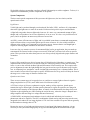
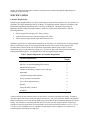
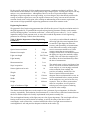
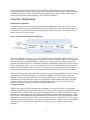
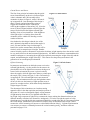
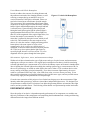
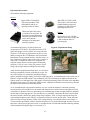
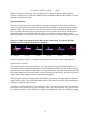
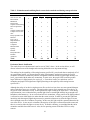
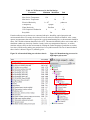
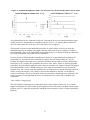
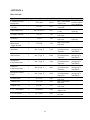
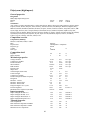
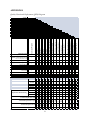
Quality Functional Deployment (QFD) Diagram
Weight (-)
Length (-)
Width (-)
Height (-)
Angle of incidence of light (-)
Lightsource dispersion
Optical sensor resolution (+)
Strength of Materials (+)
Light intensity (+)
Light wavelength (-)
Time of Measurement (-)
Signal-to-Noise Ratio (+)
Steps in Operation (-)
Distance from sample
++
++
++
+
+
+
+
+
+
+
-+
+
-
++
+
+
Lightsource dispersion
Optical sensor resolution (+)
Light intensity (+)
Light wavelength (-)
3
3
5
1
9
9
3
9
3
3
4
1
9
9
3
1
3
3
1
9
3
1
3
1
1
1
1
1
1
1
5
9
1
1
1
4
3
3
9
9
9
9
3
3
3
9
3
9
4
1
9
4
3% 0.203 29
15%
13% 0.853 122
7% 0.441 63
9% 0.587 84
10% 0.657 94
4% 0.252 36
4% 0.301 43
6% 0.392 56
12% 0.818 117
13
1
2
7
5
4
12
9
8
3
800
500
450
30
10000
6
0
mm
mm
51
sec
nm
750 380
TBD
55
20 200
High
50 500
TBD
TBD
mm
5
2
Steps
1
2
Mpa
100
2500
400
400
150
10 1000
25
200
150
19
160
600
kg
1
25
200
5
3
1
3% 0.203 29
9
4% 0.273 39
1
13
0.1 15
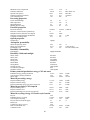
Technical Requirement LSL
3
10
Technical Requirement Targets
Technical Requirement USL
1
10
Worst in Class 200
Technical Requirement Units
1
6
Best in Class 0.44
AVE
3
4% 0.273 39
Rank
3
mm
Relative
Weight
150
Scaled
3
143
3
1
5
Raw score
Requirement Benchmarking
3
600
Easily Operable User Interface
Aesthetics
Minimized Invasiveness
5
5
Area of 200 mm2
Low Cost of Implementation
Durable
Safe for User and Surrounding
Environment
Completes Measurements Quickly
8% 0.524 75
Repeatability
Capable of Measuring a Sample
Distance from sample
Angle of incidence of light (-)
3
Steps in Operation (-)
Height (-)
9
Signal-to-Noise Ratio (+)
Width (-)
3
Capable of differentiating between
0.1, 0.2, 0.4, 0.8, 1.6 µm
Customer Needs
Time of Measurement (-)
Length (-)
Easy Movable / Portable
Strength of Materials (+)
Weight (-)
--
Customer Weights
+
3
10
1
60
100
5
10
0
1
0
1