1
and develop the tool from my own understanding of what was needed. I have found from
previous experience that when I have researched something I tend to get hooked into the
method that that person used and end up either modifying that for my needs or sometimes
just copying it because I find that it is already a proficient method. In the case of this
project I wanted a chance to create my own theories on how to achieve effects that I
wanted and once I had finished the project I would go back find some examples of how
others had tackled this problem and how our methods compared. This way I feel like I
have actually gained more from doing the project. I did however research into rigging
techniques used at present as this was needed to see what would be demanded of the rig
that was generated. Doing this would help me to create a much more rounded tool as I
know what is required of the rig. Coding wise it forced me to delve into MEL
programming a lot more. Sometimes it can take longer trying to figure something out
yourself and you may not create something as efficient as someone else’s but when you
go back you have a better understand of the problem itself. You know what others have
had to try and solve and why. This gives you I find a better grounding in understanding
how they will have gone about creating their solution.
Most of my knowledge gained is in the rigging techniques I was not aware of before
Basics Rules of Rigging learned
There are some practices that should be observed when creating a bone chain for a rig
that some users may not be aware of. These, while not set in stone are good guidelines as
they will ease work later on in productions. A couple of the most important are:
•
•
•
Bone Orientation
Rotation Order of Bones and controls
How these effect the rigger and the user e.g animator of the rig
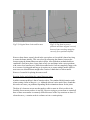
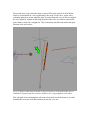
One of the most important things to be aware of is the orientation of bones when they are
created. When bones are created in a chain they align themselves in certain ways
automatically to point towards the child. However sometimes this aligning can go awry.
A good example is when creating a bone chain for the spine. If your bones had various
orientations when you wrote a script to rotate all the bones in the x axis to give a nice
bend to the spine you may find that your bones rotate in opposite directions. Creating a
common orientation throughout your rig can help the rigger themselves and the animators
also as errors are less likely to occur when controls are created.
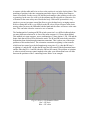
Another good reason for is for the animators benefit. For example if they had one leg
chain that rotated backwards in the knee in negative z and the other in positive z it could
cause some issues. The animator would still be able to use a control to individually move
a leg, key it and then go to the next frame and key it and so on. If they tried to rotate both
the joints at once in the z-axis it would be found that the legs would rotate in opposite
directions.