1
The Application Interface
6.2.20
155/238
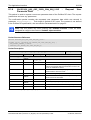
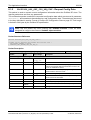
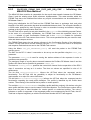
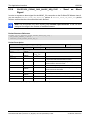
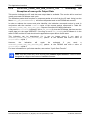
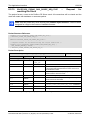
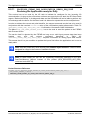
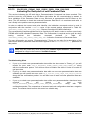
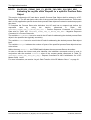
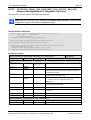
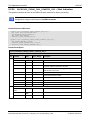
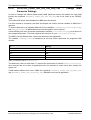
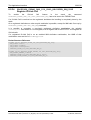
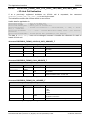
PROFIBUS_FSPMS_CMD_C1_ALARM_ACK_IND/RES_POS/
RES_NEG – Indicating an Alarm Request
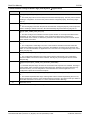
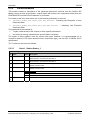
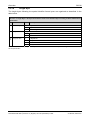
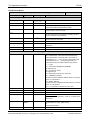
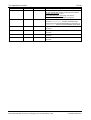
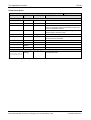
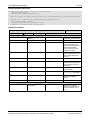
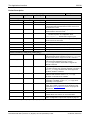
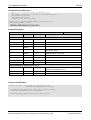
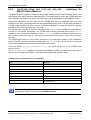
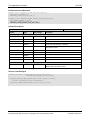
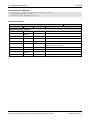
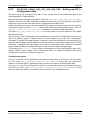
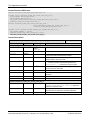
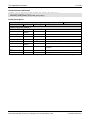
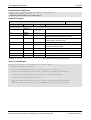
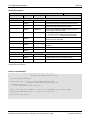
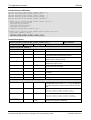
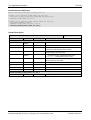
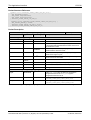
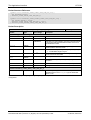
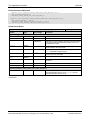
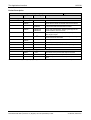
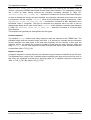
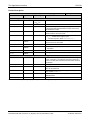
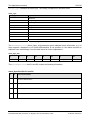
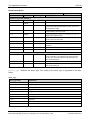
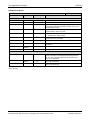
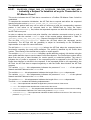
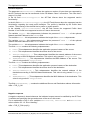
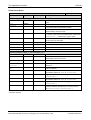
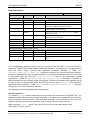
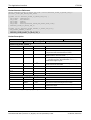
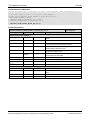
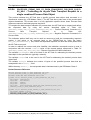
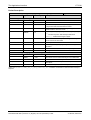
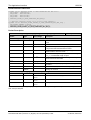
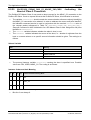
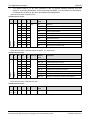
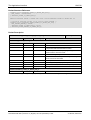
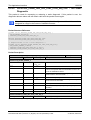
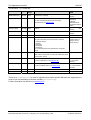
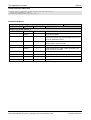
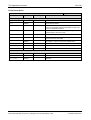
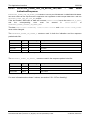
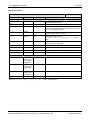
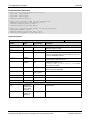
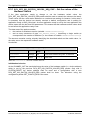
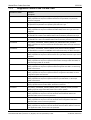
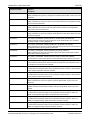
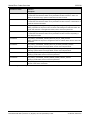
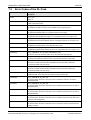
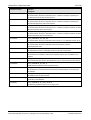
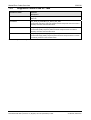
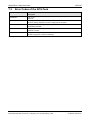
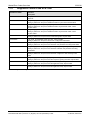
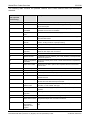
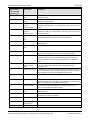
The slot number of the slot reporting the alarm should be filled into the variable bSlotNumber. The
variable bSeqNr holds a sequence number that is used to distinct alarms that are active at the same
time. Thus the sequence number must be unique to each alarm. The alarm type should be written
to the variable bAlarmType. For a more detailed description of all alarm parameter, please refer to
the PROFIBUS DP V1 specification.
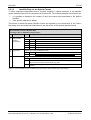
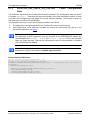
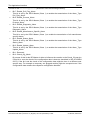
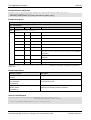
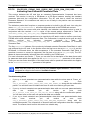
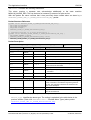
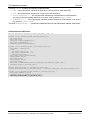
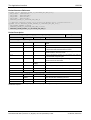
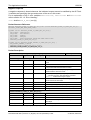
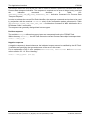
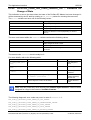
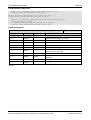
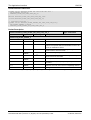
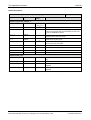
All parameters will be checked by the device. In case of an error the alarm will be rejected and an
error message will be returned to the host application. Else the alarm will be sent and the device
waits for the “Alarm Acknowledge” service from the master. When it is received the device informs
the host application of the successful alarm processing by returning an answer message.
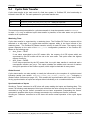
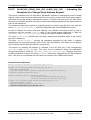
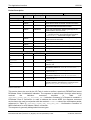
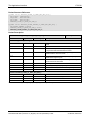
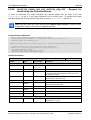
The variable bSlotNumber has to be used in the AP task for addressing which process data
object in which slot has caused the alarm (typically a module).
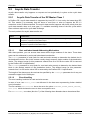
For more information, see section Alarm Processing on page 68.
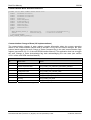
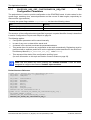
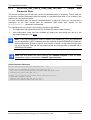
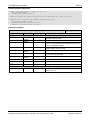
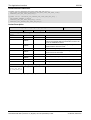
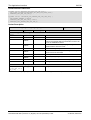
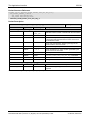
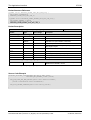
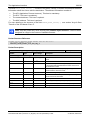
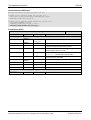
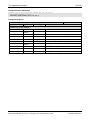
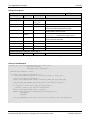
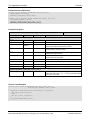
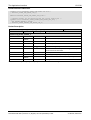
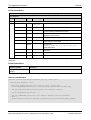
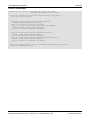
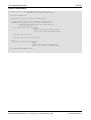
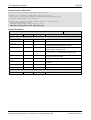
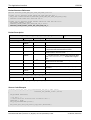
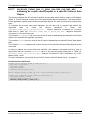
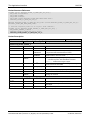
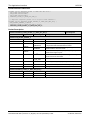
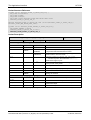
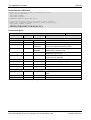
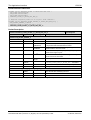
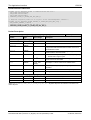
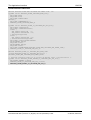
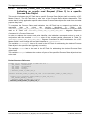
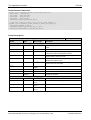
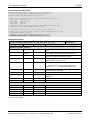
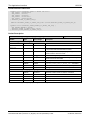
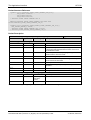
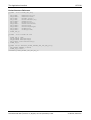
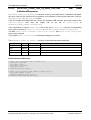
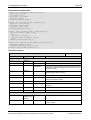
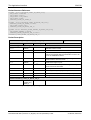
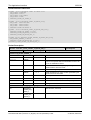
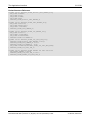
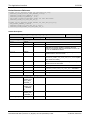
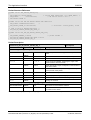
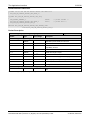
Packet Structure Reference
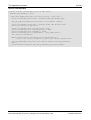
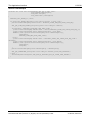
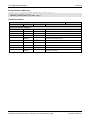
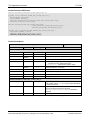
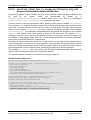
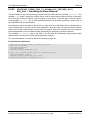
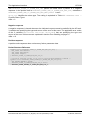
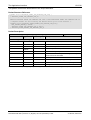
typedef struct PROFIBUS_FSPMS_C1_ALARM_ACK_IND_Ttag {
TLR_UINT8 bSlotNumber;
TLR_UINT8 bAlarmType;
TLR_UINT8 bSeqNr;
} PROFIBUS_FSPMS_C1_ALARM_ACK_IND_T;
typedef struct PROFIBUS_FSPMS_PACKET_C1_ALARM_ACK_IND_Ttag {
TLR_PACKET_HEADER_T tHead;
PROFIBUS_FSPMS_C1_ALARM_ACK_IND_T tData;
} PROFIBUS_FSPMS_PACKET_C1_ALARM_ACK_IND_T;
PROFIBUS-DP Slave | Protocol API
DOC050401API15EN | Revision 15 | English | 2013-09 | Released | Public
© Hilscher, 2005-2013